Steam billows from the heavy bottomed pot like a localized weather system. You are not just boiling noodles; you are conducting a high stakes symphony of starch and liquid. Welcome to the One Pot Pasta Audit. This is where we strip away the amateurish myths of soggy, one dimensional carbs and replace them with a rigorous understanding of hydroscopic absorption. In this arena, the water is not a waste product to be drained into the sink. It is a precious resource. Every milliliter of liquid serves as a vehicle for flavor, eventually transforming into a viscous, glossy emulsion that clings to every strand with mathematical precision. We are looking for the perfect intersection of the Maillard reaction and starch gelatinization. If you have ever suffered through a plate of watery, bland linguine, consider this your formal intervention. We are auditing your infrastructure to ensure that every gram of pasta is saturated with piquant aromatics and a rich, velvety mouthfeel. Prepare to recalibrate your kitchen expectations.
THE DATA MATRIX
| Metric | Specification |
|---|---|
| Prep Time | 10 Minutes |
| Execution Time | 15 Minutes |
| Yield | 4 Servings |
| Complexity (1-10) | 3 |
| Estimated Cost per Serving | $1.85 |
THE GATHERS
Ingredient Protocol:
- 340g / 12 oz Spaghetti or Linguine (Bronze-die cut preferred)
- 680ml / 2.8 cups Filtered Water or Light Vegetable Stock
- 400g / 14 oz Cherry Tomatoes (Halved)
- 1 Large White Onion (Thinly sliced)
- 4 Cloves Garlic (Shaved into translucent slivers)
- 30ml / 2 tbsp Extra Virgin Olive Oil
- 5g / 2 tsp Kosher Salt
- 2g / 1 tsp Red Chili Flakes
- 1 Large Bunch Fresh Basil (Torn)
- 30g / 0.25 cup Freshly Grated Parmigiano-Reggiano
Section A: Ingredient Quality Audit:
The primary failure point in this infrastructure is the pasta quality. Avoid "teflon-coated" smooth pastas. These lack the surface area to hold an emulsion. Instead, specify bronze-die extruded pasta; the rough texture is essential for starch release. If your tomatoes lack sweetness, they are likely deficient in natural sugars. You can fix this by adding a pinch of sugar to infuse the liquid with a balanced acidity. If your garlic is sprouting green centers, remove them. Those sprouts contain bitter compounds that will ruin the delicate profile of your sauce. Finally, check your water quality. If your tap water has a high chlorine content, use filtered water to avoid a chemical aftertaste in your finished starch reduction.
THE MASTERCLASS
1. The Architectural Layout
Place your dry pasta flat in a wide saucier or a deep skillet. Arrange the halved tomatoes, sliced onions, garlic, and chili flakes in distinct sectors around the noodles. Drizzle the olive oil over the aromatics. This organized layout ensures that as the water heats, the flavors render and distribute evenly rather than clumping.
Pro Tip: Use a digital scale to measure your pasta and water precisely. The ratio of liquid to solid is the most critical variable in achieving a sauce that is thick but not gummy.
2. Hydration and Thermal Activation
Pour the cold water over the ingredients. Turn the heat to high and bring the liquid to a violent boil. Use a pair of silicone tipped tongs to gently nudge the pasta as it softens, ensuring no strands stick to the bottom of the pan. The goal is to keep the pasta submerged as the water begins to aerate and bubble.
Pro Tip: High heat is non-negotiable here. The rapid movement of the boiling water creates the mechanical agitation necessary to strip starch from the pasta surface, which acts as the primary thickening agent.
3. The Emulsification Phase
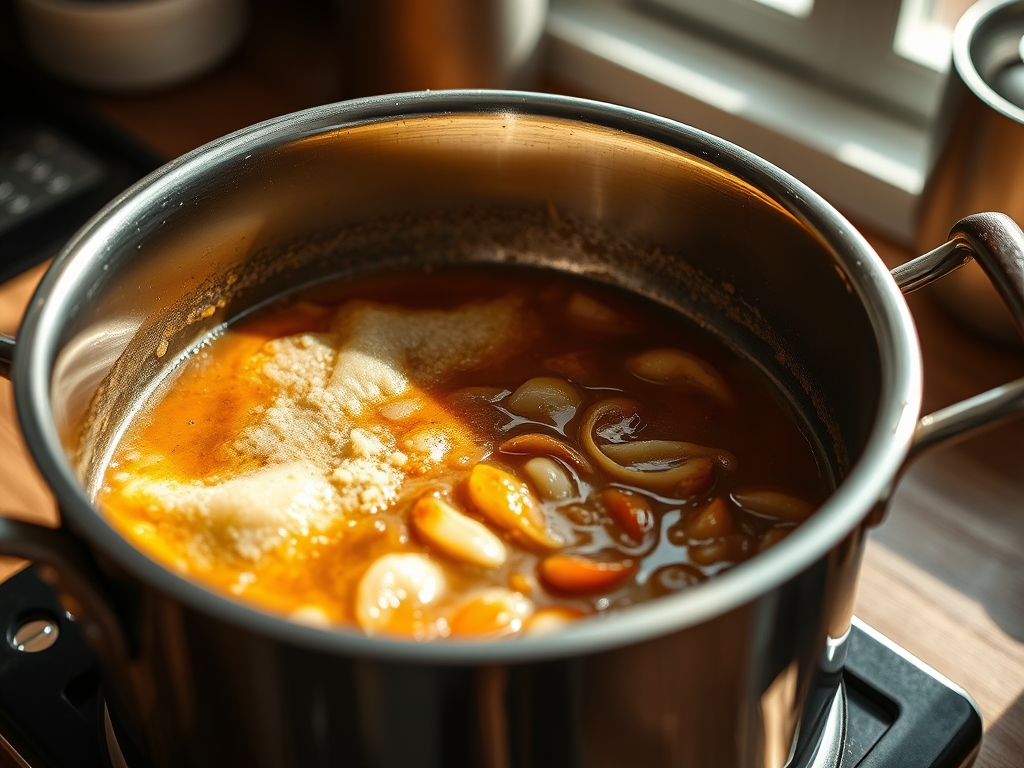
As the liquid reduces by half, the water will turn cloudy and opaque. This is the "Gold Zone." Stir the contents frequently. The agitation helps the oil and the starchy water to emulsify, creating a creamy coating. The tomatoes will begin to burst, releasing their juices into the thickening matrix.
Pro Tip: Use a microplane to zest a hint of lemon over the pot during this stage. The citric acid brightens the heavy starches and helps break down the pectin in the tomatoes.
4. The Final Reduction
Continue cooking until the liquid has reduced to a thick, glossy glaze that coats the pasta. There should be only a few tablespoons of liquid left at the bottom. Turn off the heat while the pasta is still slightly firmer than your desired "al dente" state, as carryover cooking will finish the job.
Pro Tip: Use a bench scraper to quickly clear your workspace during this final minute. Speed is essential to ensure the pasta is served at its thermal peak before the starches set.
5. The Finishing Protocol
Toss in the fresh basil and the grated cheese. Stir vigorously to incorporate. The cheese will melt into the starch reduction, creating a luxurious, restaurant-quality finish. Season with a final crack of black pepper and a splash of raw olive oil to infuse a fresh lipid profile.
Pro Tip: If the sauce looks too thick or "tight," add a tablespoon of hot water to loosen the emulsion. The goal is a silk-like sheen that moves fluidly on the plate.
Section B: Prep & Timing Fault-Lines:
The most common human error is the "Cold Start Delay." If you do not bring the water to a boil quickly, the pasta sits in tepid water too long, leading to a mushy exterior and a raw core. Always use the highest BTU burner available. Another fault-line is the "Neglected Stir." If you do not stir during the final three minutes, the starch will settle and scorch on the bottom of the pan. This creates a bitter, burnt flavor that permeates the entire batch. Use your tongs to constantly rotate the pasta through the reducing liquid.
THE VISUAL SPECTRUM
Section C: Thermal & Visual Troubleshooting:
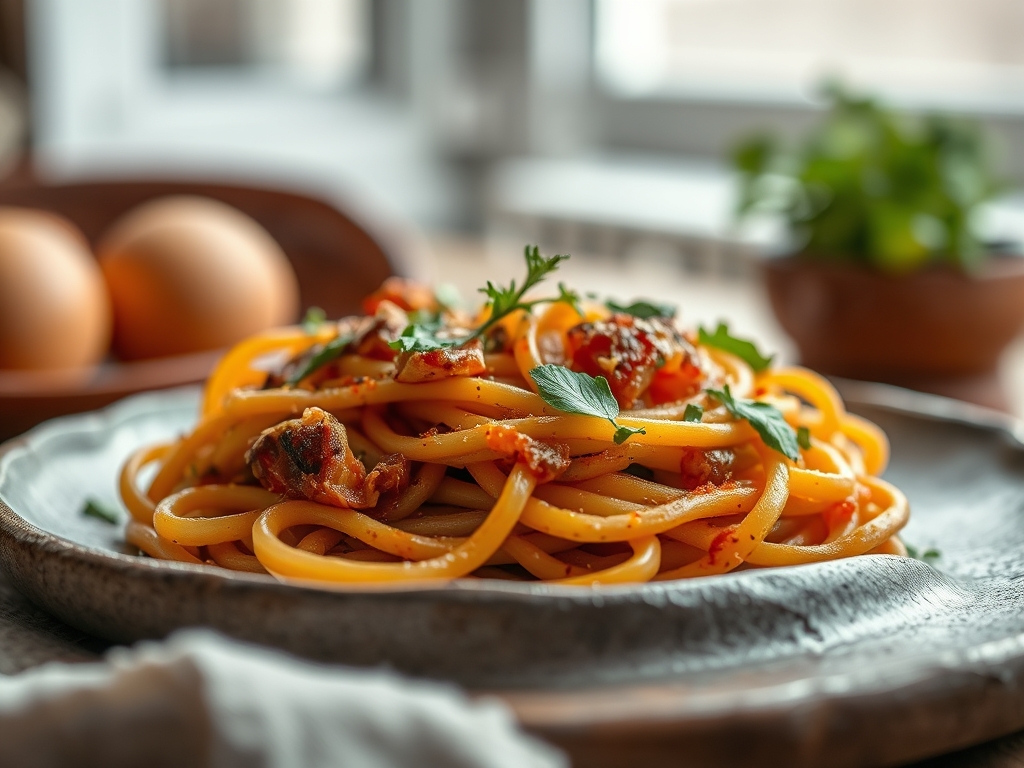
Referencing the Masterclass photo, your finished dish should exhibit a vibrant, sunset-orange hue. If your sauce looks pale or grey, your tomatoes were likely under-ripe or you didn't provide enough mechanical agitation to break them down. If the noodles look dry and matte rather than glossy, you reduced the liquid too far; add a splash of water immediately. If the basil looks black and shriveled, you added it too early. Basil is a volatile herb; it must be added at the very end to maintain its bright green color and aromatic oils. The onions should be translucent and limp, having surrendered their structure to the sauce.
THE DEEP DIVE
Macro Nutrition Profile:
A standard serving provides approximately 450 calories, 12g of protein, 65g of carbohydrates, and 14g of healthy fats. The inclusion of fresh vegetables adds significant fiber and Vitamin C, making this a balanced fuel source.
Dietary Swaps:
- Vegan: This recipe is naturally vegan if you omit the cheese or substitute with nutritional yeast.
- Keto: Replace wheat pasta with palmini or zoodles. Reduce water by 80% as these vegetables release their own moisture.
- GF: Use high quality brown rice or quinoa pasta. Note that GF pastas often release more starch, so you may need slightly more liquid.
Meal Prep & Reheating Science:
To maintain molecular structure when reheating, add a teaspoon of water before microwaving. This creates steam that re-hydrates the starch molecules, preventing the pasta from becoming brittle or oily. Store in airtight glass containers to prevent the sauce from oxidizing.
THE KITCHEN TABLE
Why is my sauce watery?
You likely used too much water or pulled the pot off the heat too early. Continue boiling on high heat to evaporate excess moisture and concentrate the starches until the liquid transforms into a thick, clinging glaze.
Can I use meat in this audit?
Yes. However, you must render the fat from proteins like pancetta or sausage first. Brown the meat in the pot, remove excess grease, then add your dry pasta and water to begin the standard hydration protocol.
Does the pasta shape matter?
Absolutely. Long, thin shapes like spaghetti or linguine work best for one pot methods because they nestle together, requiring less water to submerge. Chunky shapes like rigatoni require more volume and longer cook times.
My garlic tastes bitter. What happened?
You likely sliced the garlic too thick or let it scorch against the pan. Shave the garlic paper thin so it dissolves into the sauce infrastructure rather than frying in the oil at the bottom.