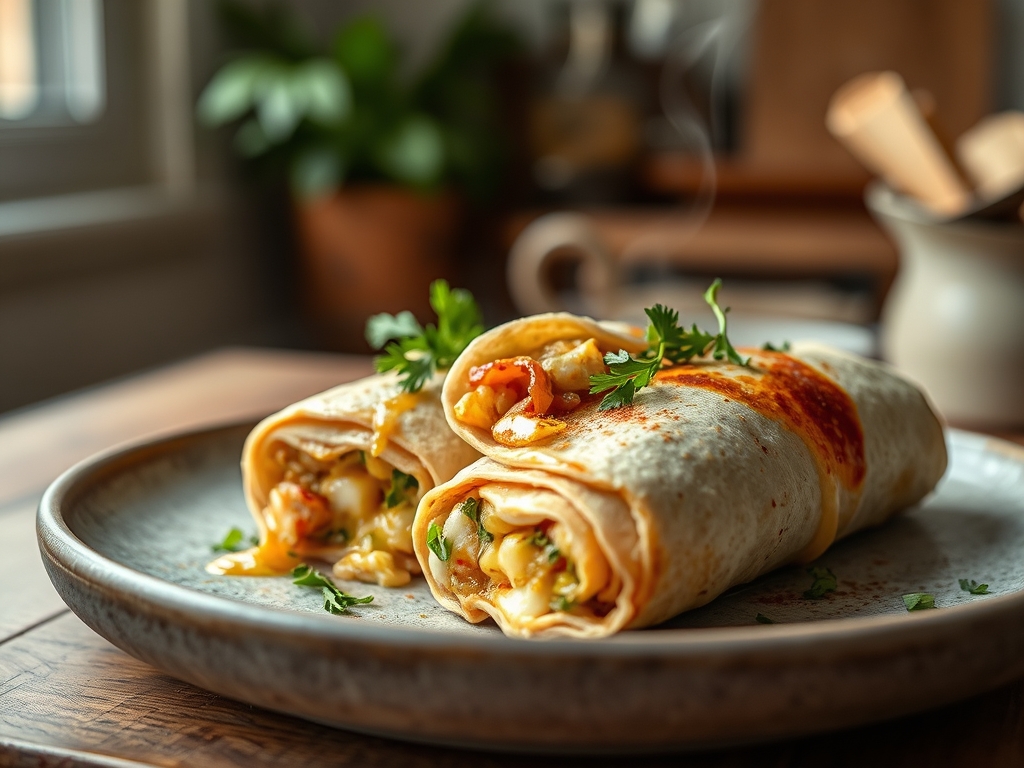
Forget the soggy, ice-crystallized tragedies of the supermarket freezer aisle. We are here to engineer a handheld marvel of thermal stability and structural integrity. The Freezer Breakfast Burritos are not merely a convenience; they are a masterpiece of modular culinary infrastructure designed to survive the harsh transition from sub-zero dormancy to microwave-induced thermal agitation. Imagine a high-tensile flour tortilla, toasted to a golden hue, acting as a containment vessel for a pressurized payload of velvety scrambled eggs, savory rendered sausage, and sharp cheddar cheese. This is about more than just satiety. It is about the science of the freeze-thaw cycle. We are looking for a specific textural equilibrium where the internal moisture remains trapped within the protein matrix rather than migrating into the starch barrier to create a mushy disaster. When you bite through that charred exterior, you should encounter a piquant explosion of flavor that tastes as though it were assembled seconds ago. We are building a breakfast that respects your time and your palate.
THE DATA MATRIX
| Metric | Specification |
|---|---|
| Prep Time | 45 Minutes |
| Execution Time | 20 Minutes |
| Yield | 12 Units |
| Complexity (1-10) | 4 |
| Estimated Cost per Serving | $1.45 |
THE GATHERS
Ingredient Protocol:
- 12 Large Flour Tortillas (30cm / 12-inch diameter)
- 12 Large Eggs (approximately 600ml / 2.5 cups)
- Breakfast Sausage (450g / 1 lb)
- Sharp Cheddar Cheese, shredded (340g / 12 oz)
- Heavy Cream (60ml / 0.25 cup)
- Unsalted Butter (30g / 2 tbsp)
- Diced Green Chiles (115g / 4 oz)
- Kosher Salt (10g / 2 tsp)
- Black Pepper (5g / 1 tsp)
- Avocado Oil (15ml / 1 tbsp)
Section A: Ingredient Quality Audit:
The primary failure point in many Freezer Breakfast Burritos is moisture migration. If your eggs are weeping liquid, you have failed the syneresis test. To fix this, always use heavy cream rather than milk; the higher fat content stabilizes the egg proteins during the freezing process. If your tortillas are cracking, they are likely stale or too cold. Ensure they are room temperature or slightly steamed before rolling to maintain their elastic properties. Finally, if using frozen hash browns within the filling, you must render them in a hot skillet until they are completely crispy. Adding soft, undercooked potatoes introduces excess water that will turn your burrito into a damp sponge during reheating.
THE MASTERCLASS
Step 1: Protein Rendering and Maillard Optimization
Set a heavy-bottomed skillet over medium-high heat. Add the breakfast sausage and use a bench scraper or stiff spatula to break the meat into uniform 1cm crumbles. Cook until the exterior achieves a deep mahogany color. This Maillard reaction is essential for flavor depth that survives the freezer. Drain the excess fat into a ceramic vessel, leaving just a thin film in the pan.
Pro Tip: Use a digital scale to divide the cooked meat into twelve equal portions. Precision ensures that every unit in your inventory has the same caloric and flavor density.
Step 2: Low-Shear Egg Emulsification
Whisk your eggs with the heavy cream, salt, and pepper in a large bowl until the mixture is perfectly homogenous. Melt the butter in a saucier over low heat. Pour in the egg mixture and use a silicone spatula to move the curds slowly. We are looking for "soft scramble" texture. Remove from heat while they still appear slightly wet.
Pro Tip: The residual heat will finish the cooking process. Overcooking the eggs at this stage leads to a rubbery texture after the second thermal cycle (reheating).
Step 3: Moisture Barrier Assembly
Lay a tortilla flat on a clean workstation. Place a layer of shredded cheese directly onto the starch. This creates a fat-based moisture barrier that prevents the damp eggs from soaking into the tortilla. Add the portioned sausage, a spoonful of green chiles, and the scrambled eggs.
Pro Tip: Use a digital scale to weigh the total filling. Consistent mass ensures uniform microwave penetration during the reheating phase.
Step 4: Structural Encapsulation
Fold the sides of the tortilla inward, then roll from the bottom, tucking the edges tightly to create a pressurized cylinder. Wrap each unit tightly in parchment paper, followed by a secondary layer of aluminum foil. This dual-layer insulation prevents freezer burn and ice crystal formation.
Pro Tip: A tight roll minimizes internal air pockets. Air is the enemy of thermal consistency; it causes uneven heating and allows ice to form in the voids.
Section B: Prep & Timing Fault-Lines:
The most common human error is the "Hot Wrap." Never wrap a warm burrito. If you seal a burrito while it is still emitting steam, that steam will condense inside the foil, leading to a soggy exterior. Allow all components to reach room temperature before assembly. If you are in a high-output environment, use a wire cooling rack to speed up the heat dissipation. Monitor the internal temperature with a digital probe thermometer; the filling should be below 25 degrees Celsius before the final encapsulation.
THE VISUAL SPECTRUM
Section C: Thermal & Visual Troubleshooting:
Referencing the Masterclass photo, your goal is a variegated internal cross-section. You should see distinct layers: the bright yellow of the eggs, the dark crumbles of the sausage, and the translucent melted cheese. If the interior looks like a monochromatic mush, you have over-mixed your ingredients.
If your tortillas look pale and ghostly, you skipped the optional "searing" step. For a professional finish, place the assembled burrito seam-side down in a hot, dry skillet for 30 seconds to infuse the starch with a toasted aroma and lock the seal. If you notice a gray tint to your eggs, you have likely used a cast iron pan that wasn't perfectly seasoned, causing an oxidation reaction. Stick to stainless steel or non-stick surfaces for vibrant color.
THE DEEP DIVE
Macro Nutrition Profile
Each unit provides approximately 450 calories, 28g of protein, 32g of carbohydrates, and 24g of fat. The high protein content ensures a sustained glycemic response, preventing the mid-morning energy crash associated with sugary breakfast options.
Dietary Swaps
- Vegan: Replace eggs with a seasoned silken tofu scramble and use a plant-based soy protein crumble. Ensure the vegan cheese used has a high melt-point.
- Keto: Eliminate the tortilla and wrap the components in a high-fat egg "crepe" or simply store as a "Burrito Bowl" in airtight containers.
- Gluten-Free: Use almond-flour or cassava-flour tortillas. Note that these are less elastic, so they must be heated significantly before rolling to prevent structural failure.
Meal Prep & Reheating Science
To maintain the molecular structure, the best reheating method is a two-stage process. First, use the microwave on 50% power for 90 seconds to agitate the water molecules and thaw the core. Second, finish in a toaster oven or air fryer at 200 degrees Celsius for 3 minutes. This restores the crispness of the exterior starch while ensuring the interior is viscous and hot.
THE KITCHEN TABLE
How do I prevent my burritos from exploding in the microwave?
Venting is the key. Remove the foil, but keep the parchment paper wrap intact. The paper acts as a localized steam chamber, heating the interior evenly while allowing excess pressure to escape through the porous fibers.
Can I add fresh salsa inside before freezing?
Negative. Fresh salsa has a high water activity level. Freezing salsa causes the cell walls of the tomatoes to collapse, releasing liquid that will compromise the tortilla. Serve fresh salsa on the side after reheating for a piquant contrast.
How long can these stay in the "Cold Storage" phase?
When wrapped in the recommended dual-layer foil and parchment system, these units maintain peak quality for 90 days. Beyond that, the fats in the sausage may begin to oxidize, affecting the flavor profile.
Why is my cheese not melting during the reheat?
You likely used pre-shredded cheese coated in cellulose. This anti-caking agent inhibits melting. For a superior, gooey internal matrix, grate your own high-moisture cheddar from a block using a box grater or food processor.