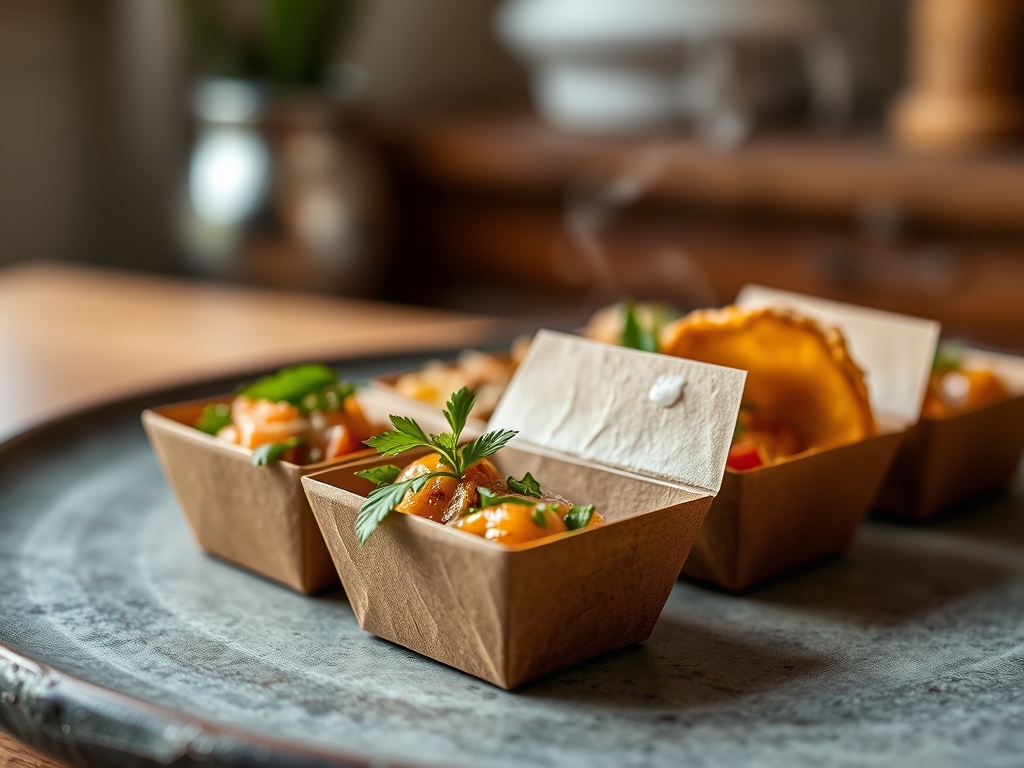
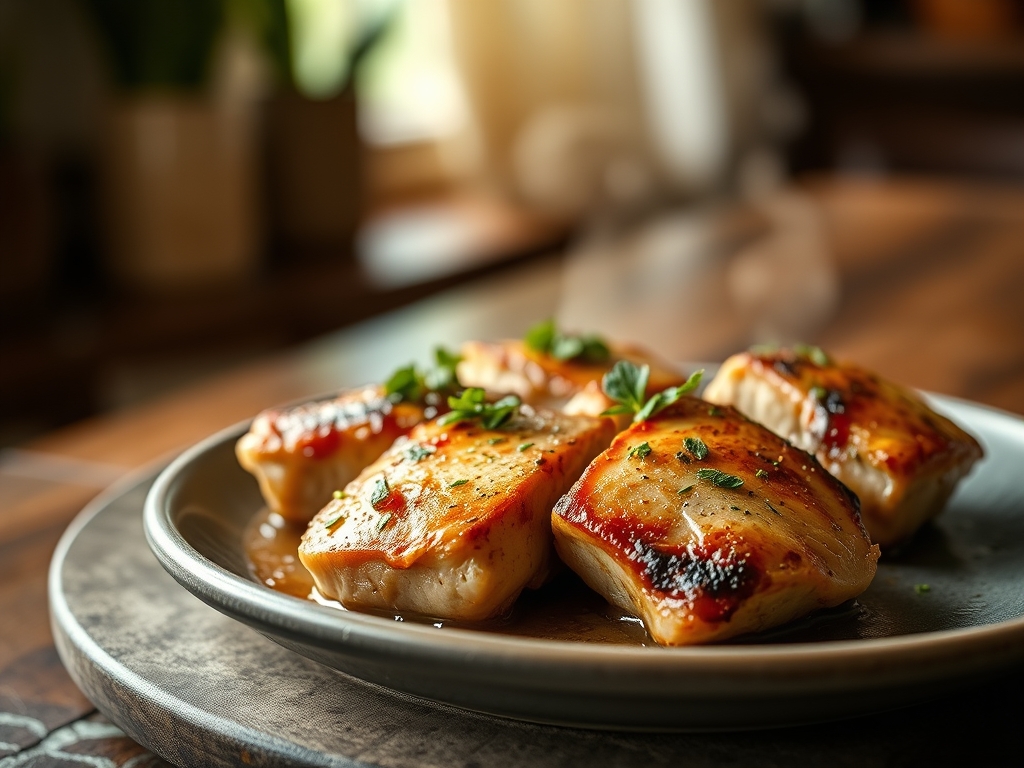
Listen to the sound of the high-heat environment. It is the rhythmic sizzle of proteins meeting a preheated surface; it is the violent evaporation of surface moisture as the Maillard reaction begins its transformative work. We are not merely making dinner. We are conducting a structural audit of the Sheet Pan Pork Medallions, a dish that serves as the gold standard for lean protein efficiency. Forget the dry, chalky pork chops of your childhood. We are engineering a masterpiece of moisture retention and crust development using nothing but a single conductive surface. The pork loin is a fickle beast; it is a lean muscle group that demands precision timing to prevent it from turning into a structural failure. By utilizing the sheet pan as a thermal conductor, we create a high-speed flavor delivery system that balances the sweetness of roasted root vegetables with the savory, umami-rich crust of the meat. This is culinary infrastructure at its peak. It is fast, it is lean, and it is technically flawless.
THE DATA MATRIX
| Metric | Specification |
|---|---|
| Prep Time | 15 Minutes |
| Execution Time | 20 Minutes |
| Yield | 4 Servings |
| Complexity | 3 / 10 |
| Estimated Cost per Serving | $3.75 USD |
THE GATHERS
Ingredient Protocol:
- 700g / 1.5 lbs Pork Tenderloin (sliced into 1-inch medallions)
- 450g / 1 lb Baby Potatoes (halved)
- 300g / 2 cups Broccoli Florets
- 45ml / 3 tbsp Extra Virgin Olive Oil
- 15ml / 1 tbsp Dijon Mustard
- 10g / 2 tsp Smoked Paprika
- 5g / 1 tsp Garlic Powder
- 10g / 2 tsp Kosher Salt
- 5g / 1 tsp Cracked Black Pepper
- 15ml / 1 tbsp Honey or Maple Syrup
Section A: Ingredient Quality Audit:
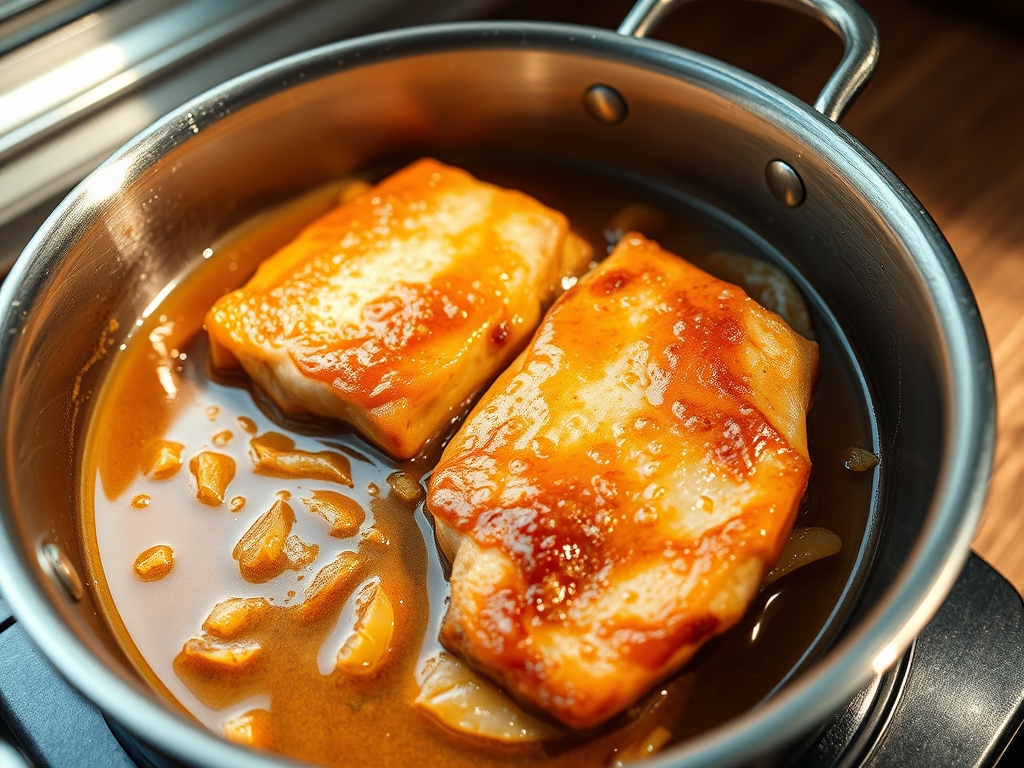
The primary failure point in Sheet Pan Pork Medallions is the moisture content of the pork itself. If you purchase "enhanced" pork, which is injected with a saline solution, the excess water will purge during the roast. This leads to steaming rather than searing. To fix this, always source air-chilled pork. If you are stuck with sub-par material, use a bench scraper to move the meat to a separate dry zone on the pan halfway through. Another risk factor is the age of your spices. If your smoked paprika smells like dust rather than a campfire, it has lost its volatile oils. To revive dull spices, toast them in a small saucier with a teaspoon of oil for 30 seconds before applying them to the meat. This will infuse the fat with flavor and ensure a deeper color.
THE MASTERCLASS
1. Thermal Pre-Loading
Position your oven rack in the upper third of the chamber and preheat to 220C / 425F. Place your empty heavy-duty rimmed baking sheet inside the oven while it heats. We are looking for maximum thermal mass. By heating the pan before the food touches it, you initiate an immediate sear on the bottom of the pork.
Pro Tip: Use a digital scale to ensure your medallions are exactly 2.5cm thick. Uniformity is the only way to ensure every piece reaches the target internal temperature simultaneously. This is the science of thermal equilibrium.
2. The Emulsification Matrix
In a small bowl, whisk together the olive oil, Dijon mustard, honey, and spices. We are creating a viscous lacquer. The mustard acts as a natural emulsifier, binding the oil and honey together so they do not separate during the high-heat blast. This coating will protect the lean protein from drying out.
Pro Tip: Use a whisk to aerate the mixture slightly. This ensures the spices are suspended evenly throughout the fat, preventing "hot spots" of seasoning on the pork.
3. Structural Integration
Toss the potatoes in a portion of the marinade and spread them onto the hot sheet pan. Let them roast solo for 10 minutes. Potatoes have a higher density and require more time to render their starches into a crispy exterior. Only after this initial phase should you add the pork and broccoli.
Pro Tip: Use a bench scraper to quickly clear space on the pan for the pork. This tool allows for surgical precision in a high-heat environment, keeping your hands away from the thermal radiation.
4. The Final Thermal Blast
Add the pork medallions and broccoli to the pan. Return to the oven for 10 to 12 minutes. The goal is an internal temperature of 63C / 145F. At this temperature, the muscle fibers remain tender and the juices stay locked within the cellular structure.
Pro Tip: Use a high-quality digital meat thermometer. Do not guess. A 5-degree variance is the difference between a succulent medallion and a piece of culinary driftwood.
Section B: Prep & Timing Fault-Lines:
The most common human error is overcrowding the pan. When ingredients are packed too tightly, the steam cannot escape; this results in a soggy texture. Ensure there is at least 1cm of "dead space" between each item. If your timing is off and the vegetables are done before the pork, remove the vegetables to a warm plate and continue roasting the meat. Do not sacrifice the texture of your greens for the sake of a synchronized finish.
THE VISUAL SPECTRUM
Section C: Thermal & Visual Troubleshooting:
Look at the Masterclass photo above. Notice the deep mahogany crust on the pork; this is the visual indicator of successful deglazing of the surface sugars. If your pork looks grey, your oven temperature is too low or your pan was not preheated. If the broccoli is charred but the potatoes are hard, your knife work was inconsistent. The potatoes must be small enough to soften in the 20-minute window. A dull color in the pork usually indicates a lack of acid; a quick squeeze of lemon juice post-roast will brighten the visual spectrum and provide a piquant finish that cuts through the fat.
THE DEEP DIVE
Macro Nutrition Profile:
This dish is a high-performance fuel source. A standard serving provides approximately 35g of protein, 22g of carbohydrates, and 14g of healthy fats. It is designed for muscle recovery without the caloric load of heavy sauces.
Dietary Swaps:
- Vegan: Replace pork with extra-firm tofu blocks pressed for 30 minutes. Use maple syrup instead of honey.
- Keto: Eliminate the potatoes. Substitute with cauliflower florets or radishes, which mimic the texture of roasted potatoes with a fraction of the net carbs.
- GF: This recipe is naturally gluten-free, provided your Dijon mustard does not contain thickeners derived from wheat.
Meal Prep & Reheating Science:
To maintain the molecular structure during reheating, avoid the microwave. The microwave agitates water molecules, which can make the pork rubbery. Instead, use a toaster oven at 150C / 300F for 8 minutes. This gently warms the protein without over-coagulating the actin and myosin filaments.
THE KITCHEN TABLE
How do I prevent the pork from sticking?
The secret is the preheated pan. When the cold protein hits the hot, oiled surface, it creates an immediate steam barrier that prevents the fibers from bonding to the metal. Always wait for the "sizzle" before closing the oven door.
Can I use pork loin instead of tenderloin?
Yes, but you must adjust your timing. Pork loin is a larger muscle and is often tougher. Slice it thinner and consider a 20-minute brine in salt water before roasting to ensure moisture retention during the thermal transition.
Why is my broccoli burnt but the pork is raw?
This is a rack positioning error. If the pan is too close to the top heating element, the delicate florets will carbonize before the dense pork reaches the target temperature. Move the rack to the center position for more even distribution.
What is the best way to store leftovers?
Seal the medallions in an airtight glass container within 30 minutes of cooking. This prevents oxidative rancidity. By cooling the meat quickly, you trap the remaining moisture within the protein matrix, ensuring a better texture the following day.