Listen up, kitchen operatives. We are moving past the era of soggy parchment and over-engineered cleanup. You are currently standing at the threshold of the most efficient thermal delivery system in the modern culinary arsenal: the Sheet Pan Salmon. This is not merely a meal; it is a high-speed logistical operation designed to optimize protein denaturation while maintaining a pristine workspace. We are targeting that perfect, translucent flake at the center of the fillet, contrasted against the crisp, caramelized edges of high-fiber aromatics. Imagine the scent of rendered lipids mingling with the piquant zest of citrus as the Maillard reaction works its magic on a single, unified surface. This is the apex of weeknight engineering. We are here to audit your process, eliminate the friction of multiple pans, and ensure your omega-3 delivery is executed with the precision of a Swiss watch. If you have been settling for dry, uninspired seafood, consider your previous protocols revoked. We are upgrading your infrastructure right now.
THE DATA MATRIX
| Metric | Specification |
|---|---|
| Prep Time | 15 Minutes |
| Execution Time | 12-15 Minutes |
| Yield | 4 Units (Servings) |
| Complexity | 3/10 |
| Estimated Cost per Serving | $8.50 – $11.00 USD |
THE GATHERS
Ingredient Protocol:
- 4 Atlantic or Sockeye Salmon Fillets (approx. 170g / 6 oz each).
- 450g / 1 lb Asparagus, woody ends trimmed.
- 340g / 12 oz Fingerling potatoes, halved lengthwise.
- 45ml / 3 tbsp Extra virgin olive oil.
- 30ml / 2 tbsp Fresh lemon juice.
- 3 cloves Garlic, minced.
- 5g / 1 tsp Smoked paprika.
- 2g / 0.5 tsp Red pepper flakes.
- 10g / 2 tbsp Fresh parsley, chiffonade.
- Fine sea salt and cracked black pepper to taste.
Section A: Ingredient Quality Audit:
The primary failure point in Sheet Pan Salmon is the moisture content of the protein. If your fish arrives sitting in a pool of liquid, the cellular structure has already begun to degrade. Fix this by performing a tactile check; the flesh should be firm and spring back instantly. If the salmon feels viscous or slimy, it is past its prime. Another common fault is using oversized potatoes that outlast the salmon's cooking window. If your tubers are larger than a thumb, parboil them for five minutes or slice them into thinner medallions to ensure they render their starches at the same rate the fish reaches its target internal temperature. Finally, ensure your citrus is room temperature before squeezing to maximize juice yield and enzymatic activity.
THE MASTERCLASS
1. Thermal Calibration and Surface Prep
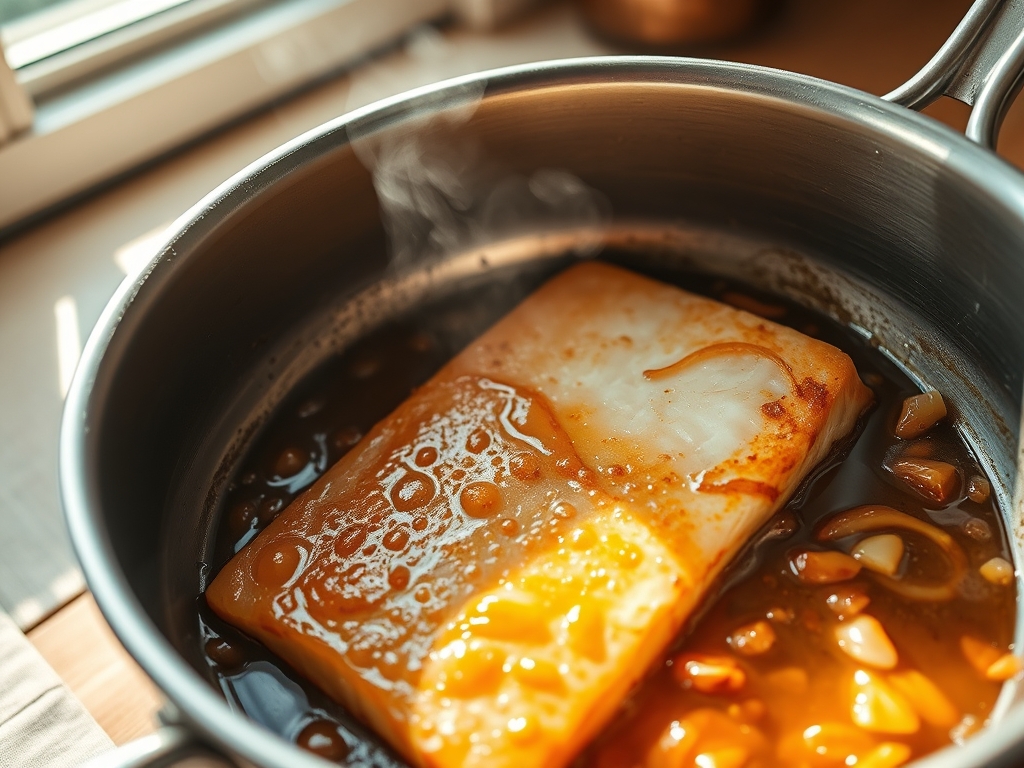
Preheat your oven to 200C / 400F. While the heating element stabilizes, use a bench scraper to clear your workstation and prepare a heavy-duty rimmed baking sheet with parchment or a silicone mat.
Pro Tip: Use a digital scale to ensure your fillets are of equal mass. Uniformity is the secret to simultaneous completion; if one fillet is significantly thicker, it will remain undercooked while the others dry out.
2. The Lipid Infusion
In a small saucier or mixing bowl, whisk together the olive oil, lemon juice, garlic, and spices until the mixture is slightly emulsified. Toss the potatoes and asparagus in half of this mixture directly on the pan.
Pro Tip: The oil acts as a heat transfer medium. By coating the vegetables thoroughly, you create a barrier that prevents steam from escaping too quickly, ensuring the interior stays tender while the exterior browns.
3. Protein Positioning
Push the vegetables to the periphery and place the salmon fillets in the center. Brush the remaining spice mixture over the top of the fish. Ensure there is at least two centimeters of airspace between each component to allow for proper convection.
Pro Tip: If you crowd the pan, you create a micro-climate of steam. To get that roasted texture, you need air to circulate freely. Use your offset spatula to nudge ingredients into their designated zones.
4. The Final Incineration
Slide the tray into the center rack. Roast for 12 to 15 minutes, or until the salmon reaches an internal temperature of 52C / 125F for medium-rare.
Pro Tip: Use a high-quality digital probe thermometer. Pulling the fish at exactly 52C allows for carry-over cooking to bring it to a perfect 54C / 130F while it rests, preventing the albumin (the white protein) from leaking out.
Section B: Prep & Timing Fault-Lines:
The most frequent human error is the "Cold Start" fallacy. If you move salmon directly from a 3C refrigerator to a 200C oven, the exterior will overcook before the center loses its chill. Allow the protein to temper on the counter for 15 minutes. Furthermore, timing discrepancies often arise from oven hot spots. If your oven lacks a convection fan to aerate the heat, rotate the pan 180 degrees halfway through the cycle to ensure an even golden-brown finish across all fillets.
THE VISUAL SPECTRUM
Section C: Thermal & Visual Troubleshooting:
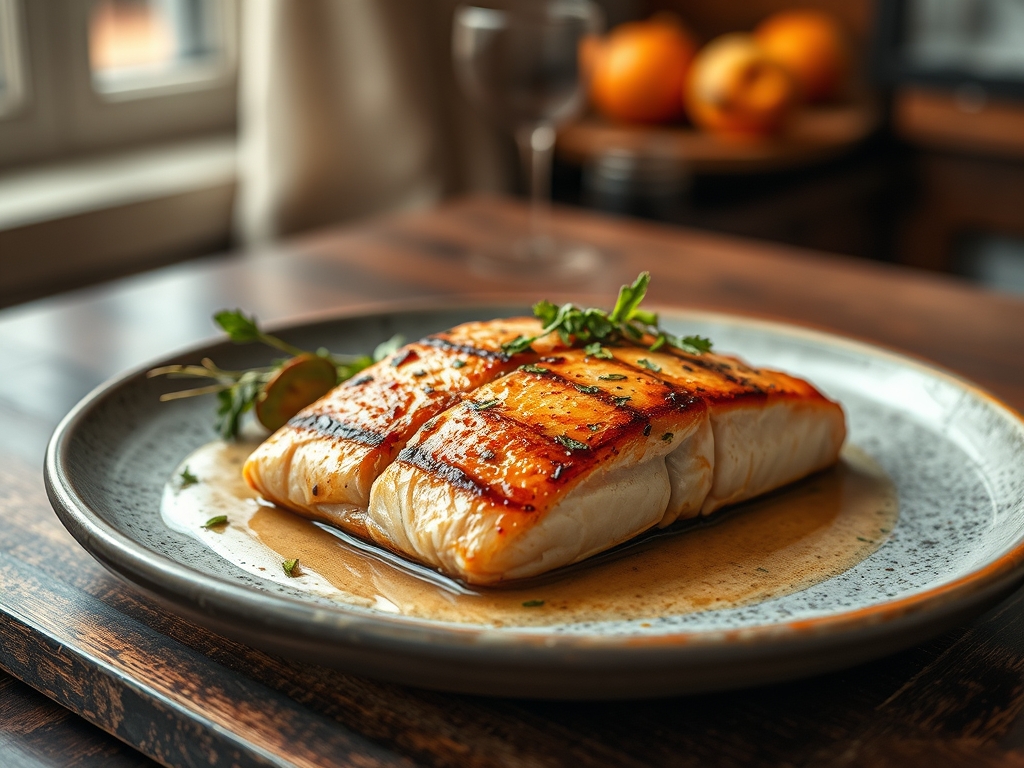
Referencing the Masterclass photo above, observe the vibrant green of the asparagus and the charred, blistered skin of the potatoes. If your vegetables look dull or grey, you have overcooked them or failed to use enough acid to brighten the chlorophyll. If the salmon lacks that signature orange luster, you likely skipped the paprika or the oil coating, leading to surface dehydration. If you see white clumps on the salmon, that is albumin; it is a visual signal that the muscle fibers have contracted too violently due to excessive heat. Lower your rack position next time or reduce the duration by two minutes. The goal is a glistening, infuse-d surface that yields to a fork with zero resistance.
THE DEEP DIVE
Macro Nutrition Profile
This system is a powerhouse of metabolic fuel. A standard serving provides approximately 35g of high-bioavailability protein, 22g of healthy fats (primarily monounsaturated and Omega-3), and 12g of complex carbohydrates. It is a nutrient-dense profile designed for cognitive function and muscle recovery.
Dietary Swaps
- Vegan: Replace salmon with thick slabs of cauliflower or firm tofu. Increase the roasting time for cauliflower to 25 minutes.
- Keto: Eliminate the potatoes and substitute with radishes or extra asparagus. Radishes, when roasted, lose their peppery bite and mimic the texture of a potato.
- Gluten-Free: This protocol is naturally gluten-free; just ensure your smoked paprika is not bulked with flour-based anti-caking agents.
Meal Prep & Reheating Science
To maintain the molecular structure during reheating, avoid the microwave. The high-frequency waves agitate water molecules, turning your salmon into rubber. Instead, use a toaster oven at 135C / 275F with a splash of water or broth covered in foil. This creates a gentle steam environment that rehydrates the fibers without re-cooking the protein to death.
THE KITCHEN TABLE
How do I prevent the salmon skin from sticking?
Ensure the pan is preheated or the parchment is lightly oiled. High heat causes the skin proteins to crisp and release naturally. If it sticks, you likely tried to move it before the render process was complete.
Can I use frozen salmon for this?
Yes, but you must thaw it completely and pat it dry with surgical precision. Excess surface moisture is the enemy of the Maillard reaction; damp fish will simply stew in its own juices rather than roast.
What if my asparagus is very thin?
Add thin asparagus to the pan halfway through the cooking time. If they go in at the start with the potatoes, they will turn into carbon by the time the salmon is finished. Timing is everything in a single-pan system.
Is the lemon juice necessary before cooking?
The acid in the lemon juice begins to "cook" the fish via denaturation before it even hits the oven. It also cuts through the heavy lipids of the salmon, providing a piquant balance to the rich, fatty mouthfeel of the dish.