Listen up, kitchen operators. We are not just making dinner; we are engineering a masterpiece of structural integrity and flavor density. When you approach the concept of Prepped Beef Tips, you are looking at the blue-collar hero of the batch-cooking world. This is about more than just tossing protein into a pan. It is about the violent, beautiful chemistry of the Maillard reaction meeting the silky, structural elegance of a perfectly emulsified gravy. Imagine the scent of rendering beef fat hitting a hot stainless steel surface; it is a primal, aromatic siren song that signals the start of a serious culinary shift. We are building a dish that is designed to hold its own, maintaining its viscous glory from the first sear to the final reheat. If you want a watery, grey mess, go elsewhere. Here, we prioritize the suspension of flavor in a velvety matrix that clings to every fiber of the meat. We are auditing your process from the ground up to ensure your beef tips are nothing short of legendary.
THE DATA MATRIX
| Metric | Specification |
|---|---|
| Prep Time | 25 Minutes |
| Execution Time | 90 Minutes |
| Yield | 6 Servings |
| Complexity (1-10) | 4 |
| Estimated Cost per Serving | $4.25 |
THE GATHERS
Ingredient Protocol:
- 900g / 2 lbs Beef Chuck or Sirloin Tips, cubed into 1-inch pieces
- 30ml / 2 tbsp Neutral Oil (Grapeseed or Avocado)
- 45g / 3 tbsp Unsalted Butter
- 40g / 1/4 cup All-Purpose Flour
- 710ml / 3 cups High-Quality Beef Bone Broth
- 150g / 1 large Yellow Onion, finely diced
- 225g / 8 oz Cremini Mushrooms, sliced
- 15ml / 1 tbsp Worcestershire Sauce
- 10g / 2 tsp Garlic Powder
- 5g / 1 tsp Dried Thyme
- Salt and Cracked Black Pepper to taste
Section A: Ingredient Quality Audit:
If your beef looks pale or feels slimy, your moisture content is too high; pat it dry with paper towels until it is bone-dry to ensure a proper sear. Sub-par broth is the most common failure point. If your broth tastes like salted water, infuse it with a tablespoon of tomato paste and a splash of soy sauce before starting to build a deeper umami profile. For mushrooms that look "rubbery," ensure they are fresh and firm; if they have started to soften, sauté them separately at a higher heat to drive off excess moisture before adding them to the main saucier.
THE MASTERCLASS
1. The Sear Command
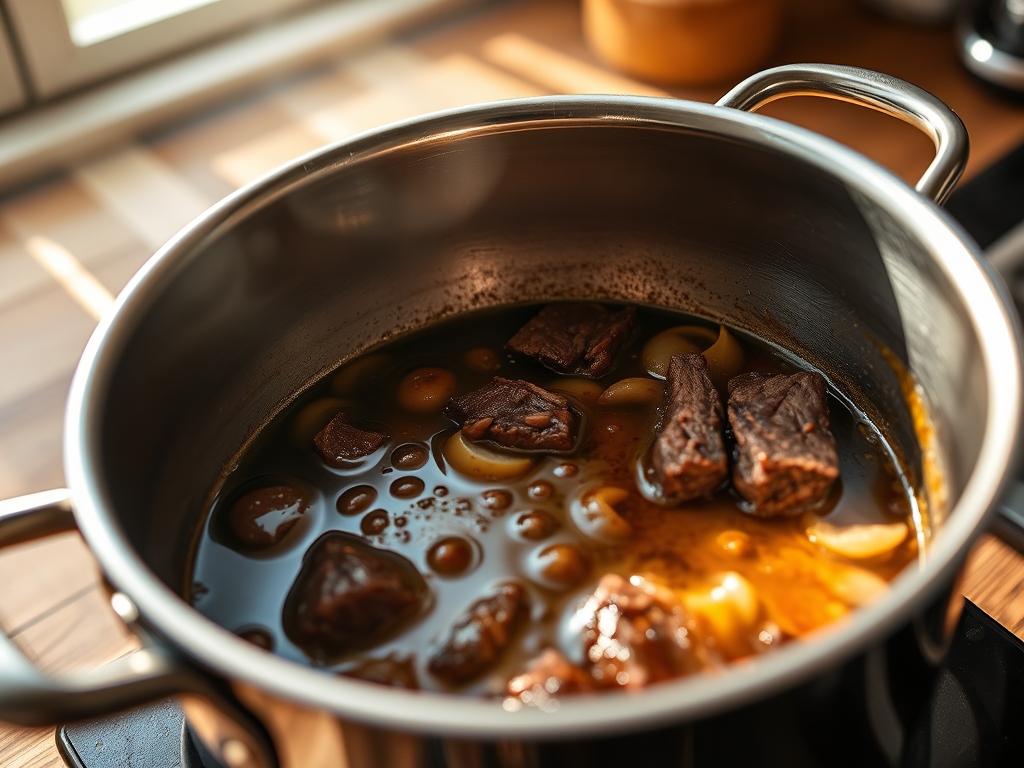
Season your Prepped Beef Tips generously with salt and pepper. Heat your oil in a heavy-bottomed saucier until it reaches the shimmering point. Work in batches to avoid overcrowding the pan, which drops the temperature and causes the meat to steam rather than sear.
Pro Tip: This is the Maillard reaction in action. By keeping the pan temperature high, you create a complex crust of flavor molecules that cannot be replicated later. Use a digital scale to ensure even portioning if you are prepping for multiple containers.
2. Aromatics and Fat Rendering
Remove the beef and add the butter to the residual fat. Toss in the onions and mushrooms. Sauté until the onions are translucent and the mushrooms have released their liquid and begun to brown.
Pro Tip: Use a bench scraper to efficiently clear your cutting board of diced aromatics. The mushrooms act as sponges; they will first absorb the fat and then render it back out as they break down, concentrating their earthy flavor.
3. The Roux Foundation
Sprinkle the flour over the vegetables. Stir constantly for 2 to 3 minutes until the flour smells nutty and turns a light golden brown. This is your thickening engine.
Pro Tip: Cooking the flour removes the "raw" starch taste. A silicone whisk is your best friend here to ensure you reach the edges of the saucier, preventing any flour pockets from scorching and ruining the gravy's clarity.
4. Deglaze and Suspend
Slowly pour in the beef broth while whisking vigorously. Use the liquid to deglaze the bottom of the pan, scraping up all those flavorful brown bits (the fond). Add the Worcestershire, garlic powder, and thyme.
Pro Tip: Adding liquid in stages prevents clumping. This creates a stable emulsion where the fat is suspended perfectly within the starch-thickened broth, resulting in a viscous, glossy finish.
5. The Low and Slow Integration
Return the beef and any accumulated juices to the pan. Reduce the heat to low, cover, and simmer for 45 to 60 minutes until the beef is fork-tender but not falling apart.
Pro Tip: Use a digital thermometer to monitor the internal temperature of the liquid. Keeping it just below a boil (around 190 degrees Fahrenheit) prevents the muscle fibers in the beef from tightening and becoming tough.
Section B: Prep & Timing Fault-Lines:
The biggest human error is impatience during the sear. If you flip the meat too early, you lose the crust. Another fault-line is the "rushed roux." If the broth is added before the flour has cooked through, the gravy will have a grainy texture. Finally, watch your reduction. If the sauce becomes too thick too fast, whisk in an extra 50ml of broth to recalibrate the viscosity.
THE VISUAL SPECTRUM
Section C: Thermal & Visual Troubleshooting:
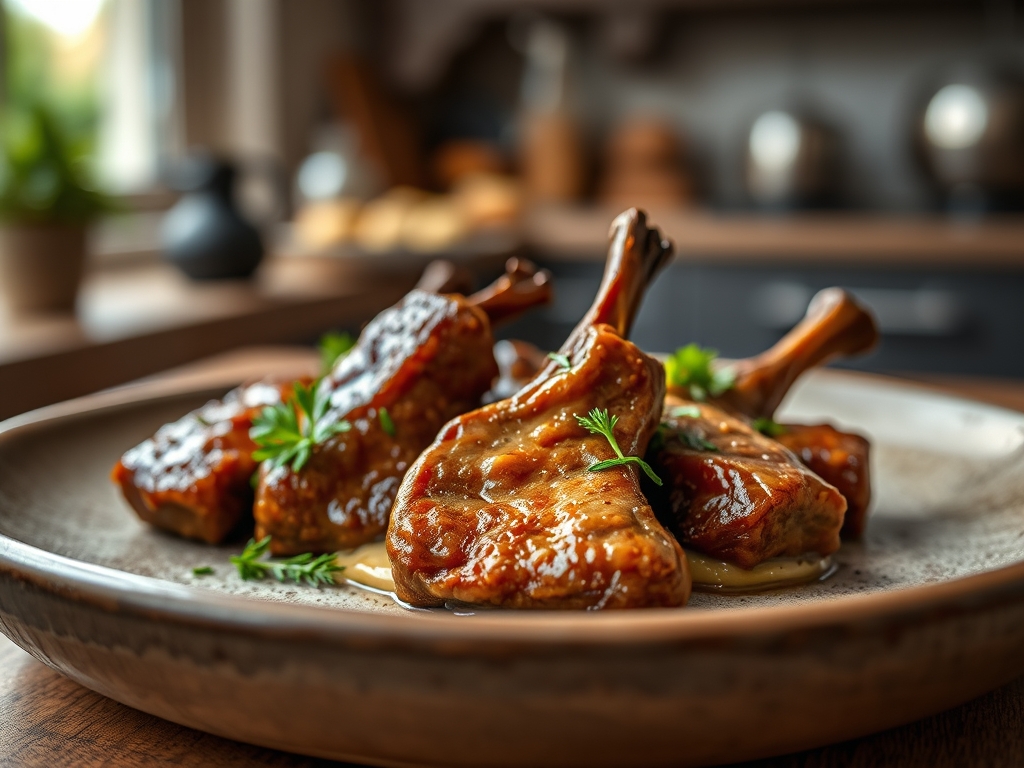
Look at the reference image. Note the deep, mahogany hue of the gravy and the distinct, glistening edges of the Prepped Beef Tips. If your dish looks "flat" or grey, you likely skipped the sear or used a low-quality broth. Fix this by adding a teaspoon of "Kitchen Bouquet" or a dash of dark soy sauce to adjust the pigment. If the sauce looks broken or oily, it means the emulsion has failed; fix this by whisking in a "slurry" of one teaspoon of cornstarch mixed with cold water and bringing it back to a brief simmer to aerate and stabilize the suspension.
THE DEEP DIVE
Macro Nutrition Profile:
A standard serving provides approximately 35g of Protein, 22g of Fat, and 12g of Carbohydrates. Total caloric load sits around 380-420 calories depending on the leanness of the beef used.
Dietary Swaps:
- Vegan: Swap beef for extra-firm pressed tofu or seitan; use vegetable bouillon and vegan butter.
- Keto: Eliminate the flour and use xanthan gum (start with 1/4 tsp) to thicken; ensure the broth has no added sugars.
- GF: Use a 1-to-1 gluten-free flour blend or cornstarch slurry for the thickening agent.
Meal Prep & Reheating Science:
When reheating, the starches in the gravy will have "set" or retrograded. To maintain the molecular structure, reheat slowly on the stovetop with a splash of water or broth. This re-hydrates the starch molecules and restores the viscous flow without breaking the fat emulsion.
THE KITCHEN TABLE
How do I prevent my beef from getting tough?
Toughness usually results from boiling the meat too hard. Maintain a gentle simmer. The low heat allows the collagen to break down into gelatin slowly, which provides that melt-in-your-mouth texture without drying out the protein fibers.
Can I make this in a slow cooker?
Yes, but you must sear the beef and aromatics in a pan first. Transfer everything to the slow cooker and cook on low for 6 to 8 hours. The flavor depth requires that initial high-heat Maillard reaction.
Why is my gravy so thin?
You likely didn't cook the roux long enough or added too much liquid too quickly. Simmer the sauce uncovered for 10 minutes to reduce and concentrate the proteins, or add a small cornstarch slurry to tighten the suspension.
What is the best way to store leftovers?
Cool the beef tips rapidly and store them in airtight glass containers. They will last 3 to 4 days in the fridge. The flavors actually improve overnight as the spices continue to infuse the meat and the sauce.