Stop treating your lunch like a chaotic pile of wilted debris. If you are still tossing greens into a plastic container only to find a swampy, oxidized mess by noon, your culinary infrastructure has failed. Welcome to the high stakes world of the Mason Jar Salad Audit. This is not merely a meal; it is a vertical engineering project designed to defy the laws of osmosis. We are building a pressurized environment where the viscous weight of the dressing acts as a foundation rather than a corrosive agent. Imagine the crisp snap of a radish that has been shielded from moisture by a strategic layer of chickpeas. Picture the vibrant, nitrogen-rich greens perched atop the stack, untouched by the acidic degradation of a balsamic vinaigrette. We are optimizing for structural integrity and flavor density. By the time you invert this vessel into a bowl, the gravitational shift will initiate a perfect distribution of ingredients. This is a masterclass in stratified loading. It is time to audit your process and reclaim your midday dignity.
THE DATA MATRIX
| Metric | Specification |
|---|---|
| Prep Time | 25 Minutes |
| Execution Time | 10 Minutes |
| Yield | 4 Units |
| Complexity (1-10) | 3 |
| Estimated Cost per Serving | $4.50 |
THE GATHERS
Ingredient Protocol:
- Vinaigrette Base: 120ml / 0.5 cup Extra Virgin Olive Oil.
- Acid Component: 60ml / 4 tbsp Aged Balsamic Vinegar.
- Emulsifier: 15ml / 1 tbsp Dijon Mustard.
- Foundation Layer: 400g / 14oz Canned Chickpeas (rinsed and dried).
- Structural Barrier: 250g / 1.5 cups Sliced English Cucumbers.
- Pigment Layer: 200g / 1.2 cups Halved Cherry Tomatoes.
- Protein Core: 300g / 2 cups Cooked Quinoa.
- Atmospheric Layer: 150g / 5 cups Baby Spinach or Arugula.
- Texture Accents: 60g / 0.5 cup Toasted Sunflower Seeds.
Section A: Ingredient Quality Audit:
If your vinaigrette separates instantly, your oil-to-acid ratio is likely compromised or your mustard lacks the necessary mucilage to stabilize the mixture. Use a digital scale to ensure precision. If your greens appear bruised before they even hit the jar, you are likely using a dull knife; switch to a ceramic blade or tear by hand to prevent rapid enzymatic browning. For chickpeas that taste "canned," a quick infuse session in simmering water with a bay leaf and a pinch of salt will restore their structural integrity and flavor profile.
THE MASTERCLASS
1. The Viscous Foundation
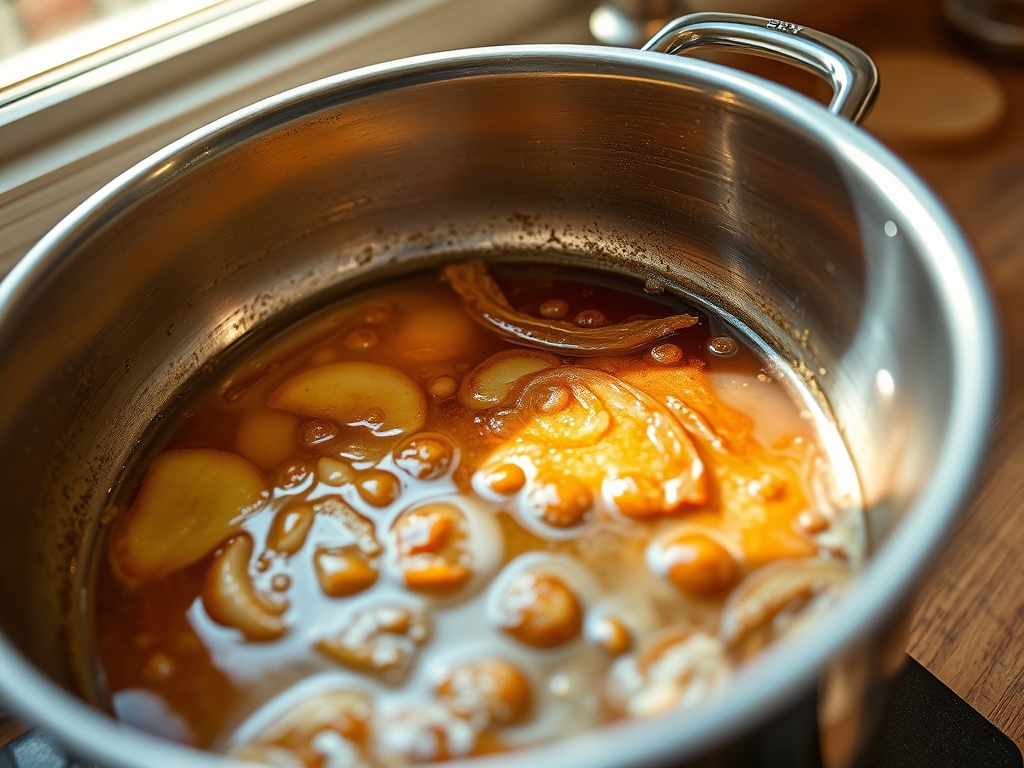
Begin by whisking your oil, vinegar, and Dijon in a small saucier or mixing bowl until a stable emulsion is formed. Pour exactly 45ml of this dressing into the bottom of each quart-sized jar.
Pro Tip: The science of emulsification relies on the mustard acting as a bridge between water and fat molecules. Using a saucier allows for better whisking angles to aerate the mixture, ensuring the dressing stays creamy and does not break during storage.
2. The Hydration Barrier
Add the chickpeas directly into the dressing. Follow this with the cucumbers. These dense, non-porous ingredients act as a physical dam, preventing the liquid from migrating upward into the delicate greens.
Pro Tip: Cucumbers have high water content but a thick cellular wall. By placing them here, you utilize their weight to compress the chickpeas, which helps them further infuse with the vinaigrette without becoming mushy.
3. The Mid-Level Matrix
Layer in the cherry tomatoes and the cooked quinoa. The quinoa should be completely cooled to room temperature before entry to avoid creating internal steam. Use a bench scraper to cleanly transfer chopped vegetables from the cutting board to the jar.
Pro Tip: Quinoa acts as a secondary moisture sponge. If any dressing bypasses the first two layers, the quinoa will absorb it, enhancing the grain's flavor rather than wilting the salad.
4. The Atmospheric Canopy
Tightly pack the spinach or arugula into the remaining headspace. The goal is to minimize oxygen pockets, which slows down the oxidation of the leaves. Top with sunflower seeds and seal the lid tightly.
Pro Tip: Use your digital scale to ensure even distribution across four jars. Compression is your friend here; the leaves are resilient and will spring back to life once the pressure is released during service.
Section B: Prep & Timing Fault-Lines:
The most common failure in a Mason Jar Salad Audit is thermal mismanagement. If you pack warm quinoa, you create a micro-climate of condensation that will turn your greens into a soggy mulch within hours. Always use a blast-chill method by spreading grains thin on a sheet tray. Another timing error is the "over-soak." While chickpeas thrive in dressing, delicate proteins like grilled chicken should only be added to the middle layer if they are to be consumed within 48 hours to avoid texture degradation.
THE VISUAL SPECTRUM
Section C: Thermal & Visual Troubleshooting:
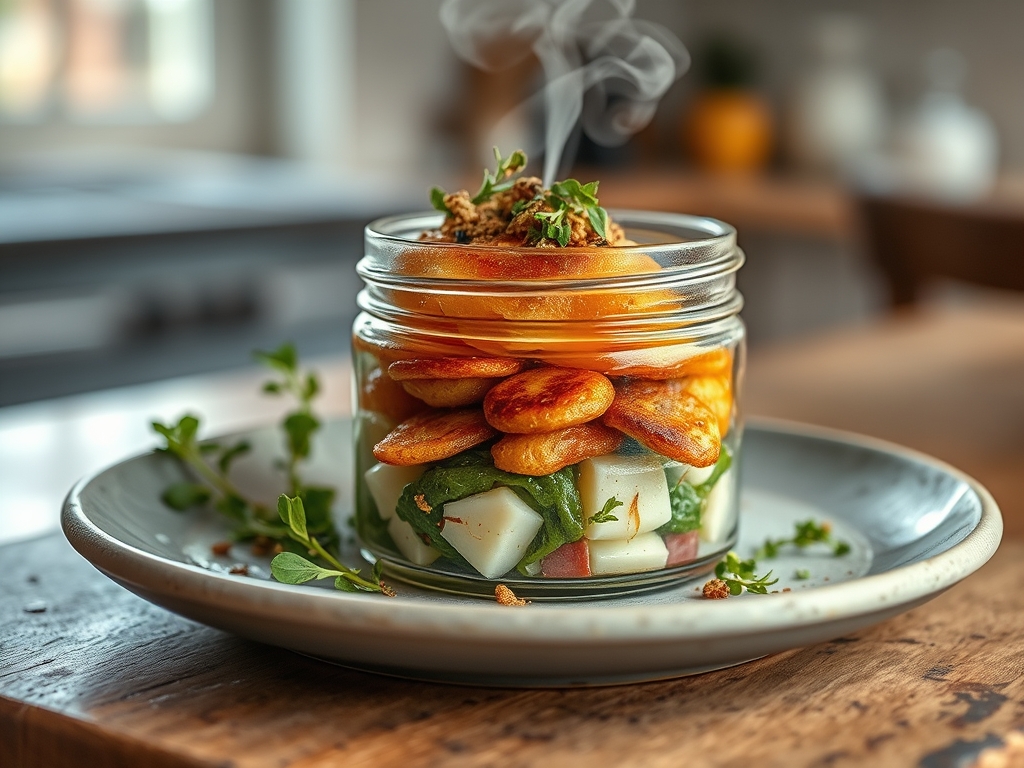
Referencing the Masterclass photo, notice the distinct color separation. If your layers look muddy, your ingredients were likely too wet when loaded. Use a salad spinner until the greens are bone-dry. If the tomatoes look shriveled, they have been exposed to too much salt too early; ensure they are buffered by the cucumber layer. Dull, greyish greens indicate acid leakage. This happens if the jar is tipped horizontally during transport. Always maintain a vertical orientation to preserve the "Visual Spectrum" of the vibrant reds and deep greens showcased in the audit imagery.
THE DEEP DIVE
Macro Nutrition Profile:
Each jar provides approximately 420 calories, 18g of plant-based protein, 14g of healthy fats, and 12g of dietary fiber. The high fiber content from the chickpeas and quinoa ensures a low glycemic response, preventing the mid-afternoon energy crash common with refined carbohydrate lunches.
Dietary Swaps:
- Vegan: This protocol is inherently vegan.
- Keto: Replace quinoa and chickpeas with cauliflower rice and grilled chicken or tofu; swap the balsamic for a lemon-tahini dressing to lower the sugar impact.
- GF: Ensure your mustard is certified gluten-free.
Meal Prep & Reheating Science:
The molecular structure of this salad is designed for cold consumption. However, the science of the "Vertical Load" means it stays fresh for up to five days. The lack of oxygen in the compressed green layer prevents the breakdown of chlorophyll. When ready to eat, shake the jar vigorously to render the dressing across all surfaces before pouring.
THE KITCHEN TABLE
How long do these actually stay fresh?
When executed according to the Mason Jar Salad Audit, these units remain structurally sound for 5 to 7 days. The key is the airtight seal and the moisture-barrier layering technique.
Can I use creamy dressings like Ranch?
Yes, but ensure the dressing is highly viscous. Thin, watery dressings are prone to "wicking" up the sides of the jar, which bypasses your barrier layers and compromises the greens.
Why is my quinoa clumping together?
You likely skipped the "rinse and fluff" phase. Rinse quinoa before cooking to remove saponins and fluff with a fork while cooling to keep the grains individual and aerated.
What is the best jar size for this?
The wide-mouth quart (32oz) jar is the industry standard. It provides enough volume for a substantial meal while allowing the ingredients to fall out easily when inverted.