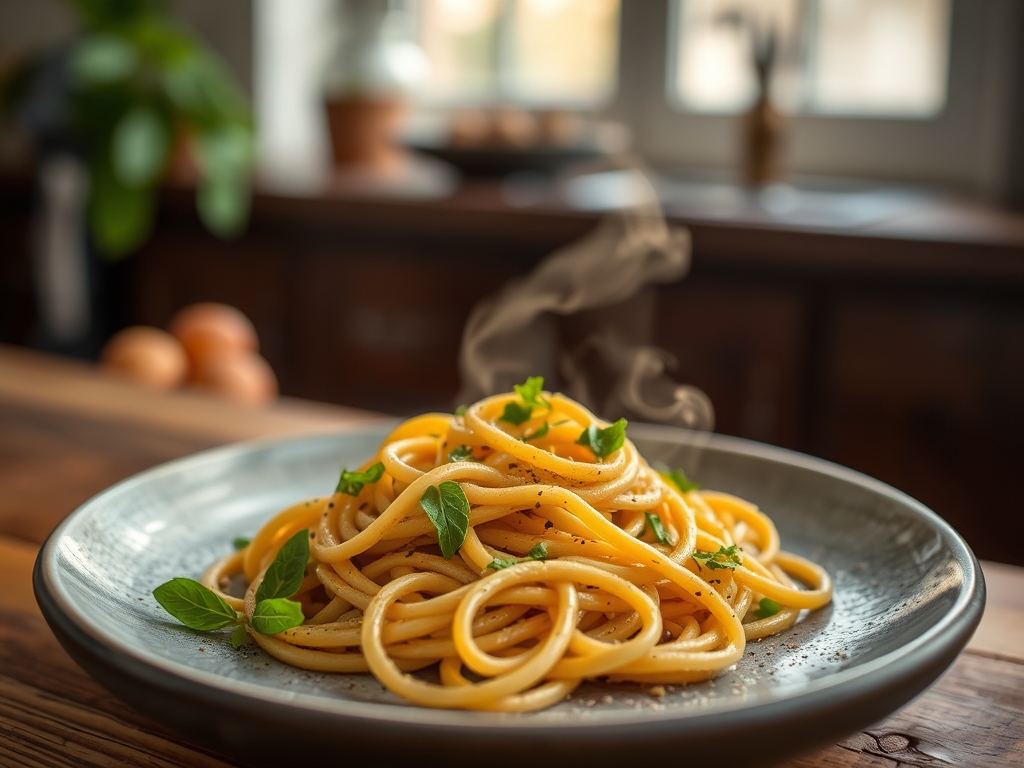
Stop treating your vegetables like secondary citizens of the crisper drawer. We are here to talk about structural engineering at the cellular level. When you approach Spiralizer Veggie Pasta, you are not just making a salad; you are reconfiguring the geometry of cellulose to mimic the tensile strength of semolina. Most home cooks fail because they treat a zucchini like a noodle without respecting its water content. The result is a soggy, weeping mess that lacks the structural integrity to hold a sauce. We demand more. We want a vibrant, al dente helix that catches every drop of a piquant emulsion. We want the crunch of a garden and the comfort of a trattoria. This is about the physics of the curl and the chemistry of moisture management. If you are ready to stop boiling mush and start building architectural masterpieces on a plate, then grab your equipment. We are about to turn raw produce into a high-performance delivery system for flavor.
THE DATA MATRIX
| Metric | Specification |
|---|---|
| Prep Time | 15 Minutes |
| Execution Time | 8 Minutes |
| Yield | 4 Servings |
| Complexity (1-10) | 3 |
| Estimated Cost per Serving | $2.15 |
THE GATHERS
Ingredient Protocol:
- 3 Large Zucchini (approx. 900g / 2 lbs)
- 2 Large Carrots (approx. 300g / 10 oz)
- 45ml / 3 tbsp Extra Virgin Olive Oil
- 4 Cloves Garlic, thinly sliced (approx. 20g / 0.7 oz)
- 5g / 1 tsp Red Pepper Flakes
- 120ml / 0.5 cup Fresh Basil, chiffonade
- 60g / 0.5 cup Parmigiano-Reggiano, finely grated
- 15ml / 1 tbsp Lemon Juice
- 5g / 1 tsp Flaky Sea Salt
Section A: Ingredient Quality Audit:
The primary failure point in Spiralizer Veggie Pasta is the "Sweat Factor." If your zucchini feels light or hollow, it has already lost its internal turgor pressure. This results in a limp noodle that cannot support its own weight. Technical Fix: Always select heavy, small to medium zucchini. Large "baseball bat" squash contain massive seed cavities that disintegrate during the spiralizing process. If your carrots are woody, they will snap rather than curl. Technical Fix: Hydrate older carrots in an ice bath for 20 minutes before processing to restore the hydraulic pressure within the cell walls. This ensures a continuous, unbroken strand.
THE MASTERCLASS
Step-by-Step Execution:
1. The Centrifugal Extraction
Secure your vegetable in a high-quality spiralizer. Use a digital scale to ensure you have exactly 900g of zucchini to maintain the sauce-to-fiber ratio. Apply consistent, lateral pressure to create long, unbroken ribbons.
Pro Tip: Use a bench scraper to move your noodles into a colander immediately. The science here is simple; as soon as the cell walls are breached, enzymes begin to break down the structure. Speed is your ally in maintaining the "bite."
2. The Osmotic Draw
Place the zucchini noodles in a colander and sprinkle with 2g of salt. Let them sit for 10 minutes, then gently squeeze them using a clean kitchen towel.
Pro Tip: This is the most critical step. By using salt to create an osmotic gradient, you draw out excess moisture that would otherwise render your sauce into a watery soup. You are essentially pre-shrinking the "pasta" to concentrate the flavor.
3. The Aromatic Infusion
In a wide saucier, heat the olive oil over medium-low heat. Add the sliced garlic and red pepper flakes. Cook until the garlic is translucent and fragrant but not browned.
Pro Tip: Low-temperature extraction allows the capsaicin and allicin to infuse the lipid base without scorching. A saucier is preferred over a standard skillet because its curved sides facilitate better tossing and aeration of the noodles.
4. The Flash Sauté
Increase the heat to medium-high. Add the carrot spirals first, as they require more thermal energy to soften. After 2 minutes, add the zucchini. Toss vigorously for no more than 3 minutes.
Pro Tip: We are aiming for a brief encounter with heat. Overcooking will cause the pectin in the cell walls to dissolve, leading to structural collapse. You want the noodles to be warm and slightly flexible, but still possessing a distinct snap.
5. The Emulsification Finish
Remove the pan from the heat. Add the lemon juice, basil, and half of the cheese. Toss rapidly to create a viscous glaze using the residual moisture from the vegetables and the fats in the oil and cheese.
Pro Tip: Never add the cheese over direct high heat. This causes the proteins to clump and the fats to separate. Residual heat is sufficient to create a smooth, velvety coating that clings to the spiralized surface.
Section B: Prep & Timing Fault-Lines:
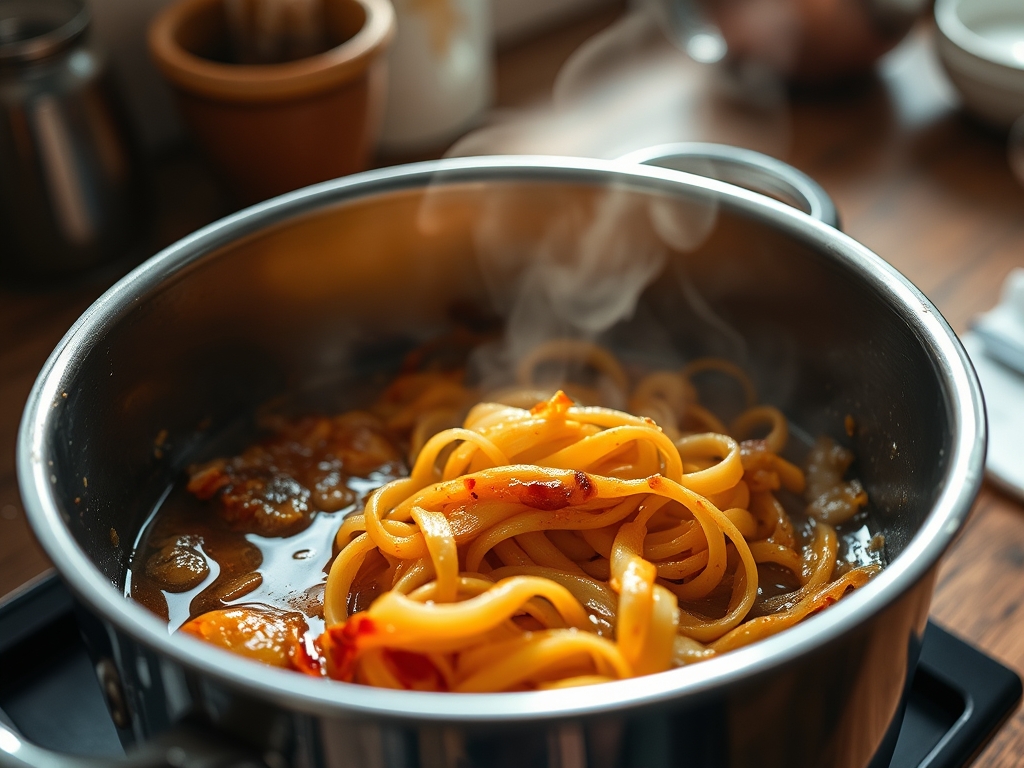
The most common human error is the "Wait Time." If you spiralize your vegetables two hours before cooking without proper storage, they will oxidize and lose their crispness. Technical Fix: If prepping ahead, store the spirals in an airtight container lined with dry paper towels to manage the humidity. Another fault-line is the pan temperature. If the pan is not hot enough when the zucchini hits, the vegetable will steam in its own juices rather than sauté. This results in a dull, greyish color rather than the vibrant green seen in the masterclass photo.
THE VISUAL SPECTRUM
Section C: Thermal & Visual Troubleshooting:
Look closely at the Masterclass photo. Notice the distinct separation of the strands and the glossy, reflective sheen of the oil. If your dish looks matte or clumped, you have likely over-salted or over-cooked the vegetables. If the colors appear dull, you missed the acid component. Technical Fix: Adding the lemon juice at the very end acts as a "brightener" for the chlorophyll, preventing it from turning olive-drab. If you see a pool of green liquid at the bottom of the bowl, your osmotic draw (Step 2) was insufficient. Next time, use more pressure when squeezing the raw noodles to ensure a dry start.
THE DEEP DIVE
Macro Nutrition Profile
Per serving, this dish provides approximately 180 calories, 14g of healthy fats, 8g of net carbohydrates, and 6g of protein. It is a micronutrient powerhouse, offering over 150% of your daily Vitamin A and 60% of Vitamin C.
Dietary Swaps
- Vegan: Replace the Parmigiano-Reggiano with nutritional yeast or a toasted walnut crumble to maintain the umami profile.
- Keto: This recipe is inherently keto-friendly. To increase the fat macros, add a tablespoon of grass-fed butter during the final toss.
- GF: Naturally gluten-free. Ensure your red pepper flakes are not processed in a facility with wheat.
Meal Prep & Reheating Science
To maintain molecular structure during reheating, avoid the microwave. The agitation of water molecules in a microwave will turn the cellulose into mush. Instead, deglaze a cold pan with a teaspoon of water, add the leftovers, and flash-heat over high flame for 60 seconds. This restores the surface tension of the noodles without over-processing the core.
THE KITCHEN TABLE
Can I use a vegetable peeler instead of a spiralizer?
Yes, but you will create "fettuccine" ribbons rather than "spaghetti" rounds. The cooking time will decrease by 30% because the increased surface area to volume ratio allows for faster heat penetration. Watch the pan closely to avoid over-softening.
Why is my garlic bitter?
If the garlic turns brown or black, the sugars have carbonized. This creates a harsh, acrid flavor. Always start garlic in a cold pan or at low heat to control the rate of browning and preserve the delicate aromatic oils.
Can I freeze spiralized zucchini?
It is not recommended. Freezing creates ice crystals that puncture the cell walls of the vegetable. Upon thawing, the zucchini will lose all structural integrity and turn into a watery puree. Fresh is the only way to achieve the required texture.
What other vegetables work for this technique?
Daikon radish, butternut squash, and beets are excellent candidates. However, harder root vegetables like beets and squash require a longer sauté time and potentially a splash of broth to help them soften without burning the aromatics in the pan.