Imagine a world where your hollandaise breaks not because of heat, but because of a lie told by a cheap plastic vessel. In the high-stakes theater of professional gastronomy, the difference between a viscous, silken masterpiece and a curdled disaster often comes down to the integrity of your meniscus. We are not just cooking; we are performing fluid dynamics in a high-pressure environment. If your Measuring Jug Accuracy is off by even five percent, your ratios of fat to acid are compromised, leading to a structural collapse of the emulsion. This is the audit you didn't know you needed. We are stripping away the guesswork and replacing it with the cold, hard certainty of volumetric precision. Every milliliter is a tactical decision. Every gram is a commitment to excellence. When you pour that cream into a reducing sauce, you aren't just adding liquid; you are altering the molecular tension of the entire dish. Welcome to the laboratory. Let us calibrate your senses and your hardware to ensure that every plate leaving your station is a testament to mathematical perfection and culinary soul.
THE DATA MATRIX
| Metric | Specification |
|---|---|
| Prep Time | 20 Minutes |
| Execution Time | 45 Minutes |
| Yield | 4 Servings |
| Complexity (1-10) | 7 |
| Estimated Cost per Serving | $6.50 |
THE GATHERS
Ingredient Protocol:
- 500ml / 2 cups Heavy Cream (36% milk fat minimum)
- 125ml / 0.5 cup Dry White Wine (e.g., Sauvignon Blanc)
- 60ml / 4 tbsp Unsalted European Butter
- 15ml / 1 tbsp Freshly Squeezed Lemon Juice
- 10g / 2 tsp Kosher Salt
- 5g / 1 tsp White Peppercorns (crushed)
- 4 units / 150g Fresh Atlantic Scallops (U-10 size)
- 200g / 7oz Fresh Spinach (triple washed)
Section A: Ingredient Quality Audit:
If your heavy cream appears thin or lacks that rich, viscous mouthfeel, it likely contains excessive stabilizers like carrageenan. Technical Fix: Source "vat-pasteurized" cream which maintains a higher protein integrity for better reduction. If your scallops are "wet-packed" (treated with sodium tripolyphosphate), they will release excess moisture and fail to sear. Technical Fix: Brine them in a 5% salt solution for 10 minutes, then pat dry with lint-free towels to ensure the Maillard reaction occurs effectively.
THE MASTERCLASS
1. The Volumetric Calibration
Before the first flame is lit, verify your Measuring Jug Accuracy by weighing 500g of room-temperature water in your vessel; it must hit exactly the 500ml mark. Use a digital scale to confirm this. Once verified, measure your wine and cream into separate containers.
Pro Tip: Water density changes with temperature, but for kitchen accuracy, 1g equals 1ml. Using a scale to verify your jugs prevents "cumulative error," where small inaccuracies in multiple ingredients lead to a total failure in sauce consistency.
2. The Scallop Sear and Render
Heat a heavy-bottomed stainless steel saucier or cast iron pan until it reaches 425 degrees Fahrenheit. Add a high-smoke-point oil. Place scallops in the pan, ensuring they do not touch. Do not move them for 2 minutes to allow the proteins to render and form a golden crust.
Pro Tip: The Maillard reaction is a chemical dance between amino acids and reducing sugars. Moving the scallop too early drops the surface temperature, causing the meat to steam in its own juices rather than sear.
3. Deglazing the Foundation
Remove the scallops and set aside. Pour the 125ml of white wine into the hot pan. Use a bench scraper or wooden spoon to scrape the fond (the browned bits) from the bottom of the pan to deglaze it. Reduce the liquid by half until it becomes a syrupy glaze.
Pro Tip: Alcohol has a lower boiling point than water. By reducing the wine, you concentrate the piquant acidity and esters without the harsh bite of raw ethanol, creating a complex flavor base.
4. Aerating the Emulsion
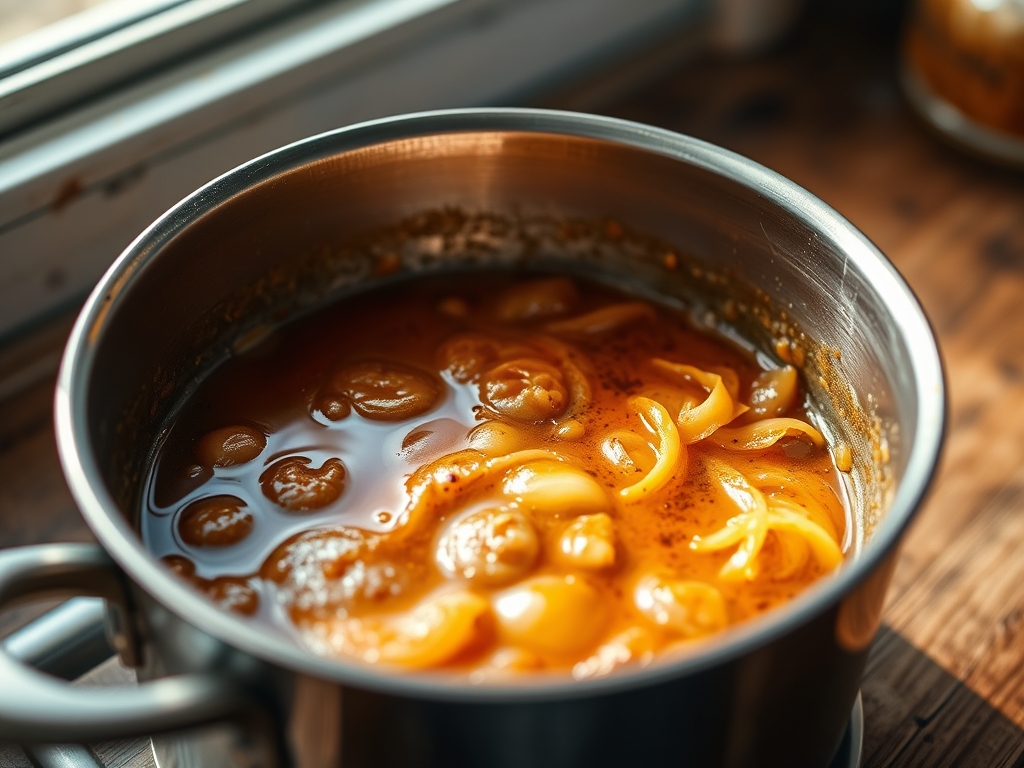
Slowly whisk in the 500ml of heavy cream. Bring to a simmer, not a rolling boil. Use a whisk to aerate the sauce slightly as it thickens. Once the sauce coats the back of a spoon (nappe consistency), whisk in the cold butter one cube at a time to infuse the sauce with a glossy finish.
Pro Tip: This is a "beurre monte" technique. Keeping the butter cold allows the milk solids to emulsify slowly into the cream, preventing the fat from separating into an oily slick.
Section B: Prep & Timing Fault-Lines:
The most common failure is "thermal shock," where cold cream is added to a scorching pan, causing the proteins to tighten and grain. Fix: Temper your cream by leaving it at room temperature for 15 minutes prior to use. If your reduction goes too far and becomes "broken" (oily), whisk in a teaspoon of warm water to re-establish the emulsion.
THE VISUAL SPECTRUM
Section C: Thermal & Visual Troubleshooting:
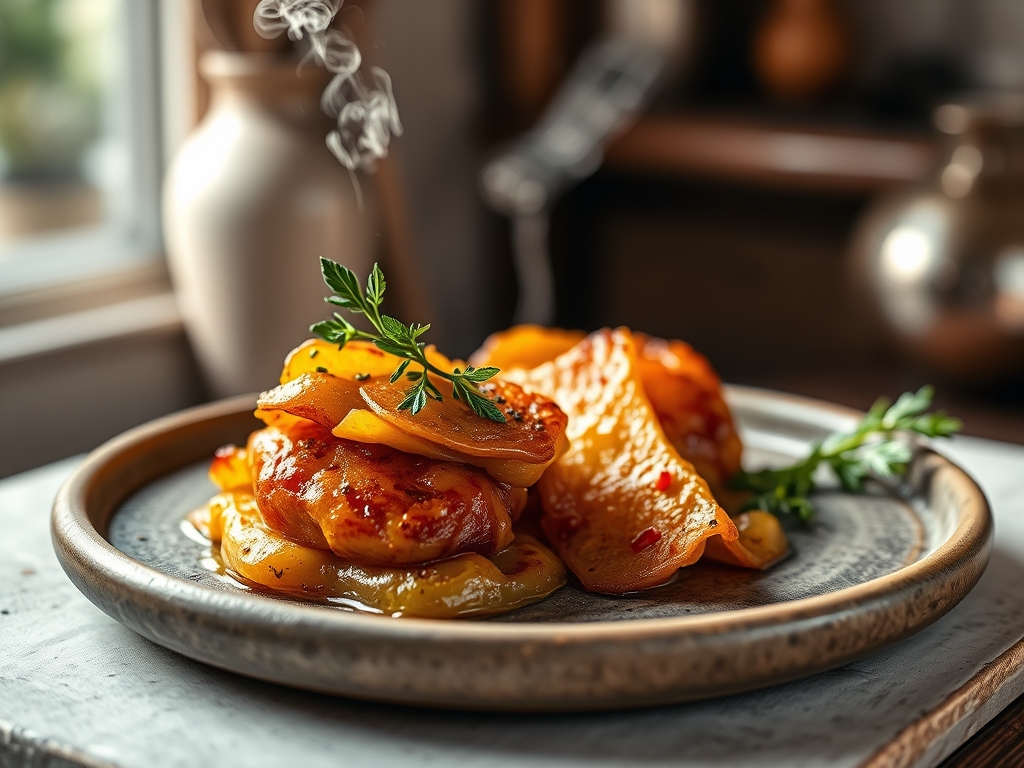
Referencing the Masterclass photo, your sauce should exhibit a pale ivory hue with a reflective, satin sheen. If the color is dull or grayish, you likely scorched the milk solids or used an aluminum pan that reacted with the wine's acidity. If the scallops lack the deep caramel crust shown, your pan was not sufficiently pre-heated. For uneven browning, ensure the pan is centered over the burner to avoid cold spots. The spinach should be a vibrant, "electric" green; if it looks olive-drab, it has been overcooked, destroying the chlorophyll.
THE DEEP DIVE
- Macro Nutrition Profile: High-density lipids and protein. Each serving contains approximately 42g Fat, 28g Protein, and 8g Carbohydrates.
- Dietary Swaps: For a Vegan alternative, substitute heavy cream with full-fat coconut milk and use a fermented cashew butter. For Keto, this recipe is naturally compliant. For GF, ensure your wine is certified, as some fining agents contain gluten.
- Meal Prep & Reheating Science: To maintain molecular structure, do not microwave. Reheat the sauce in a small pan over low heat, adding a splash of water or stock to "loosen" the proteins that have tightened during refrigeration.
THE KITCHEN TABLE
Why does my measuring jug show different levels?
Plastic jugs can warp in high-heat dishwashers, altering their internal volume. Always use laboratory-grade glass or stainless steel for Measuring Jug Accuracy, and verify with a scale periodically to ensure your ratios remain surgically precise.
Can I use milk instead of heavy cream?
No. Milk lacks the fat concentration required to form a stable, viscous emulsion at high temperatures. Without at least 30% fat, the sauce will break and curdle when introduced to the acidic wine and lemon juice.
My sauce is too thin even after reduction.
You may have miscalculated the initial volume. Check your Measuring Jug Accuracy. To fix, create a "beurre manie" (equal parts flour and butter mashed together) and whisk in small amounts until the desired thickness is achieved.
How do I get that perfect scallop crust?
The surface must be bone-dry. Moisture is the enemy of the sear. Use a paper towel to press firmly on the scallop surface before it hits the pan to ensure immediate contact between the protein and the hot oil.