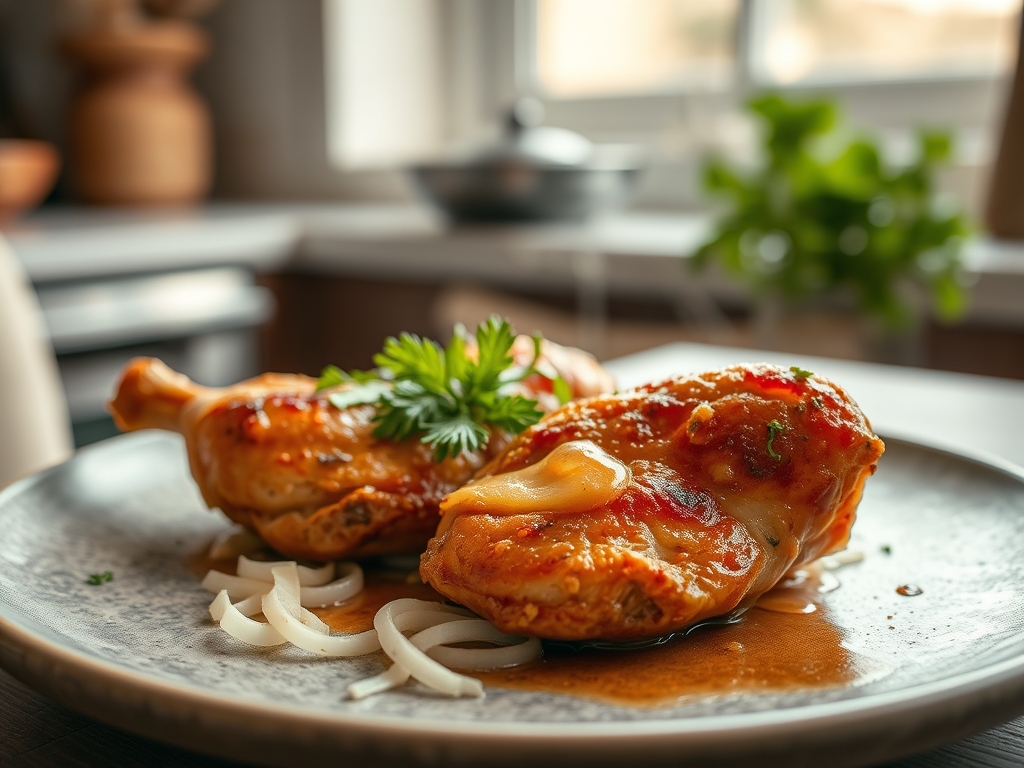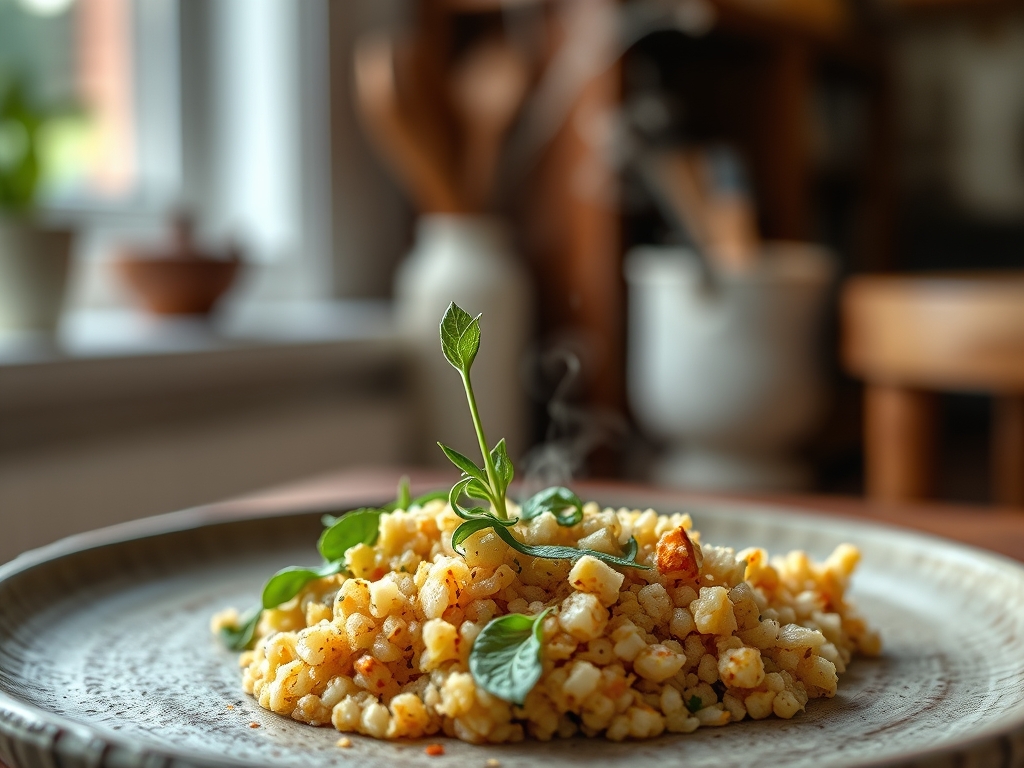
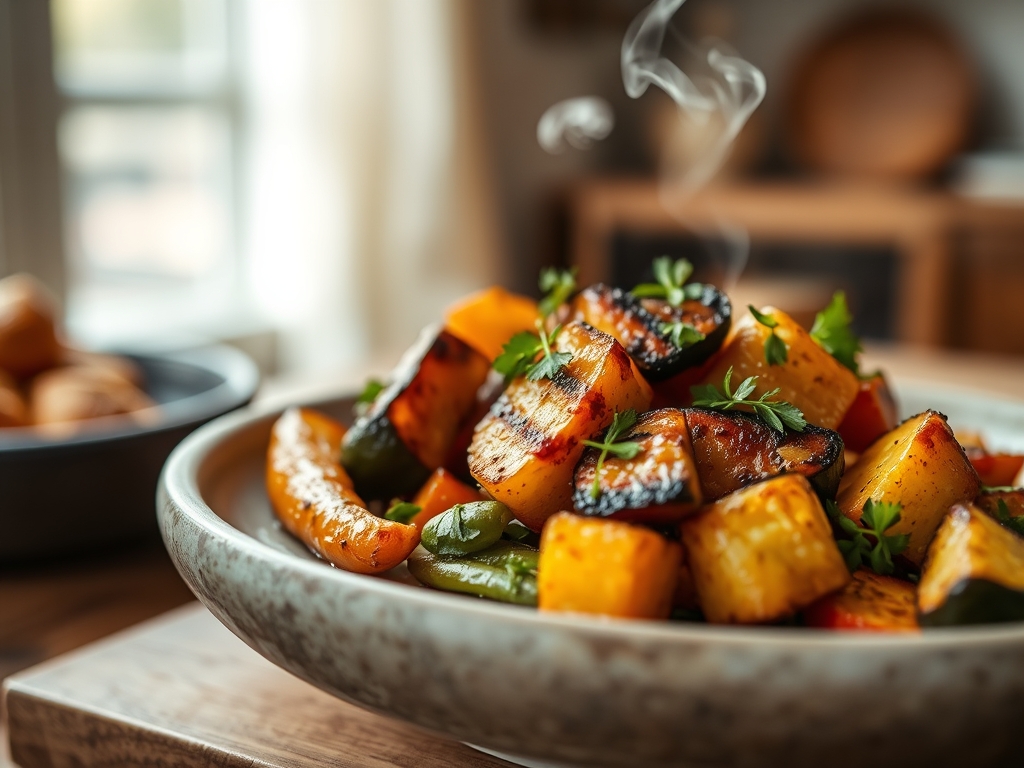
Listen up, kitchen architects. We are not here to merely "cook" a side dish; we are here to engineer a high-performance Roasted Veggie Batch that defies the laws of standard domestic mediocrity. Most home cooks approach roasting as a passive event where vegetables go to die in a humid, crowded oven grave. We are shifting the paradigm toward high-volume thermal processing. Imagine the sound of a thousand microscopic cellular walls collapsing simultaneously under the pressure of intense dry heat. Imagine the smell of natural sugars undergoing the Maillard reaction, transforming boring cellulose into a caramelized masterpiece. This is about structural integrity and flavor density. When you master the Roasted Veggie Batch, you are not just making dinner; you are creating a modular asset that can be deployed across salads, grain bowls, and protein pairings with tactical precision. We are looking for that perfect intersection of a charred, crisp exterior and a tender, buttery core. If your current output is soggy, gray, or limp, consider this your official culinary intervention.
THE DATA MATRIX
| Metric | Specification |
|---|---|
| Prep Time | 20 Minutes |
| Execution Time | 35-45 Minutes |
| Yield | 6-8 Servings (Modular) |
| Complexity (1-10) | 4 |
| Estimated Cost per Serving | $1.25 – $1.75 |
THE GATHERS
Ingredient Protocol:
- 900g / 2 lbs Brussels Sprouts (halved)
- 680g / 1.5 lbs Sweet Potatoes (2cm cubes)
- 450g / 1 lb Red Onion (large wedges)
- 340g / 12 oz Carrots (diagonal coins)
- 60ml / 4 tbsp High-Smoke Point Oil (Avocado or Grapeseed)
- 10g / 2 tsp Kosher Salt
- 5g / 1 tsp Cracked Black Pepper
- 15ml / 1 tbsp Balsamic Glaze (to infuse acidity post-roast)
- 3g / 1 tsp Dried Thyme
Section A: Ingredient Quality Audit:
Sub-par raw materials are the primary cause of systemic failure. If your carrots feel rubbery or "bendy," they have lost their turgor pressure. To fix this, submerge them in an ice-water bath for 30 minutes to rehydrate the cellular structure before cutting. If your Brussels sprouts have yellowing outer leaves, they are off-gassing sulfur; strip the outer layers until you reach the vibrant green core. For sweet potatoes that appear pale or starchy, increase your roasting temperature by 10 degrees to force the conversion of starch into sugar. Always ensure your oil is fresh. If it smells like old crayons, it has oxidized and will ruin the viscous coating required for even heat distribution.
THE MASTERCLASS
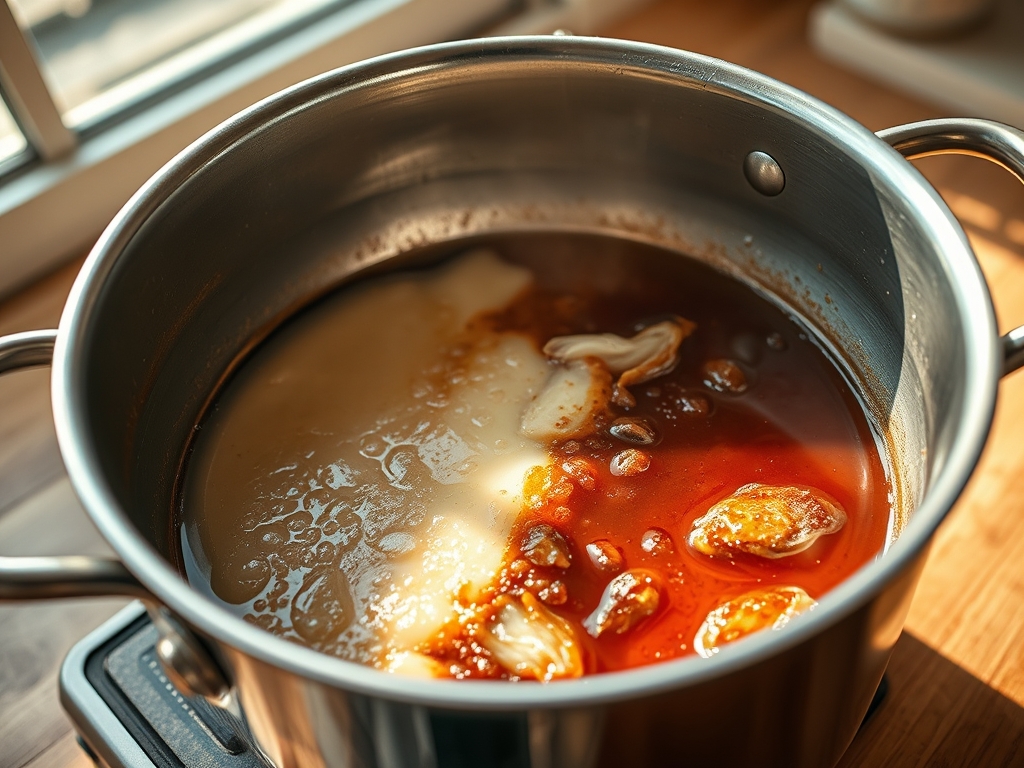
1. Geometric Standardization
Precision is the foundation of thermal consistency. Use a bench scraper to organize your workstation as you cube the sweet potatoes and halve the sprouts. Every piece must occupy roughly the same volume to ensure they reach peak internal temperature at the same moment.
Pro Tip: Uniformity allows for even heat penetration. Use a digital scale to verify your batches if you are processing for high-volume meal prep; consistency is the hallmark of a professional.
2. The Lipid Coating Phase
In a large stainless steel bowl, toss your vegetables with the oil, salt, and pepper. You are looking for a shimmering, viscous film that covers every square millimeter of surface area. This oil acts as a heat transfer medium, preventing the vegetables from steaming in their own moisture.
Pro Tip: Do not under-salt at this stage. Salt draws out surface moisture, allowing it to evaporate faster and accelerating the browning process.
3. Thermal Deployment
Preheat your oven to 220C / 425F. Arrange the vegetables on heavy-duty rimmed baking sheets. Crucial: Do not crowd the pan. If the vegetables are touching, they will create a micro-climate of steam, resulting in a mushy texture.
Pro Tip: Use a heavy-gauge aluminum pan to prevent warping. The high thermal mass of the pan helps render the natural fats and sugars quickly, creating a crust before the interior overcooks.
4. The Mid-Point Agitation
Halfway through the process, use a wide metal spatula to aggressively flip and rotate the vegetables. This ensures that the side in contact with the hot metal gets equal "face time" with the circulating hot air.
Pro Tip: This is the moment to check for "hot spots" in your oven. If one corner is browning faster, rotate the entire tray 180 degrees to maintain equilibrium.
5. The Acidic Finish
Once removed from the heat, immediately drizzle the balsamic glaze over the tray. The residual heat will deglaze the sugars on the pan and allow the acidity to infuse into the charred crevices of the vegetables.
Pro Tip: Adding acidity at the end brightens the flavor profile without breaking down the pectin structures during the high-heat roast.
Section B: Prep & Timing Fault-Lines:
The most common human error is the "Cold Start" fallacy. If you put your Roasted Veggie Batch into an oven that hasn't fully reached 220C, the vegetables will leak water and stew. Always use an oven thermometer to verify the internal temp. Another fault-line is the "Over-Crowding" impulse. If you have too many vegetables for one pan, use two. It is better to run two cycles than to ruin one giant, soggy pile. If your timing is off and the rest of the meal isn't ready, do not cover the vegetables with foil. This traps steam and destroys the crisp exterior you worked so hard to build.
THE VISUAL SPECTRUM
Section C: Thermal & Visual Troubleshooting:
Referencing the Masterclass photo, you are looking for specific "Char Markers." Notice the deep mahogany edges on the onions and the dark, blistered skin on the Brussels sprouts. If your batch looks pale or uniform in color, your oven temperature was too low or your oil coating was insufficient. If the vegetables look "shriveled" rather than roasted, you likely cut them too small, causing them to dehydrate before they could caramelize. Dull colors usually indicate a lack of seasoning or over-roasting; the vegetables should still retain a hint of their original hue beneath the golden-brown exterior. If you see black, acrid smoke, your oil has reached its flash point; switch to a higher-quality fat next time.
THE DEEP DIVE
Macro Nutrition Profile:
A standard 200g serving provides approximately 180 calories, 9g of healthy fats, 22g of complex carbohydrates, and 5g of fiber. This is a high-density micronutrient payload, rich in Vitamin A, Vitamin C, and potassium.
Dietary Swaps:
- Vegan: Already compliant. Use maple syrup instead of honey if your glaze requires a sweetener.
- Keto: Eliminate the sweet potatoes and carrots. Replace with cauliflower florets and radishes to maintain the volume while slashing the carb count.
- GF: Naturally gluten-free. Ensure your balsamic glaze does not contain thickeners derived from wheat.
Meal Prep & Reheating Science:
To maintain molecular structure during storage, cool the vegetables completely on the tray before transferring to an airtight container. This prevents condensation from softening the "crust." When reheating, avoid the microwave at all costs; it vibrates water molecules, turning your crisp veggies into a rubbery mess. Instead, use a toaster oven or air fryer at 200C for 5 minutes to aerate the exterior and restore the original texture.
THE KITCHEN TABLE
Why are my vegetables always soggy?
You are likely crowding the pan or using too much oil. Space them out so the steam can escape. If they touch, they steam; if they have space, they roast. Engineering 101: airflow is everything.
Can I roast frozen vegetables?
It is possible but suboptimal. Frozen vegetables have compromised cellular walls due to ice crystallization. If you must, roast them from frozen at a higher temperature (230C) to evaporate moisture instantly and prevent a total structural collapse.
What is the best oil for roasting?
Avoid extra virgin olive oil for high-heat roasting as its smoke point is too low. Use avocado oil or grapeseed oil. These fats can withstand the 220C environment without breaking down into bitter, scorched compounds.
How do I get that "restaurant" char?
Preheat your baking sheet in the oven before adding the vegetables. When the oiled veggies hit the scorching metal, you get an immediate sear. This jumpstarts the Maillard reaction and ensures a superior, crisp base.