Listen to the sound of a kitchen operating at peak efficiency. It is the rhythmic hiss of fat rendering and the heavy, humid scent of jasmine rice blooming under pressure. We are not merely making dinner; we are engineering a closed-loop culinary system. The One Pot Chicken Rice is the ultimate exercise in infrastructure. It is a singular vessel where the laws of thermodynamics and starch hydration collide to produce something greater than the sum of its parts. Forget the disjointed mess of separate pans and cooling proteins. We are seeking total integration. The goal is a landscape of golden-brown chicken skin resting atop a bed of grains that have been saturated with liquid gold. Every grain of rice must be an individual unit of flavor, coated in rendered schmaltz and infused with the piquant essence of ginger and garlic. This is high-stakes home cooking where the margin for error is thin but the rewards are viscous and rich. Prepare your station. We are moving from raw components to a unified gastronomic structure in record time.
THE DATA MATRIX
| Metric | Specification |
|---|---|
| Prep Time | 20 Minutes |
| Execution Time | 35 Minutes |
| Yield | 4 Robust Servings |
| Complexity (1-10) | 4 (Technique Dependent) |
| Estimated Cost per Serving | $2.75 – $3.50 |
THE GATHERS
Ingredient Protocol:
- 500g / 1.1 lbs Bone-in, skin-on chicken thighs
- 400g / 2 cups Long-grain jasmine rice
- 600ml / 2.5 cups High-quality chicken bone broth
- 45ml / 3 tbsp Neutral high-smoke point oil (Grapeseed or Avocado)
- 30g / 2 tbsp Fresh ginger, microplaned
- 4 cloves Garlic, minced fine
- 15ml / 1 tbsp Toasted sesame oil
- 30ml / 2 tbsp Light soy sauce
- 2 stalks Green onion, bias-cut for garnish
- 5g / 1 tsp Kosher salt (adjust to taste)
Section A: Ingredient Quality Audit:
If your rice feels chalky or brittle before cooking, it has likely been stored in a low-humidity environment for too long. Technical fix: Increase your soaking time by ten minutes to ensure the core of the grain is hydrated before heat is applied. If your chicken skin is flaccid or overly damp, it will fail to undergo the Maillard reaction. Use a paper towel to aggressively desiccate the surface of the protein. For sub-par, store-bought broth that lacks body, whisk in a teaspoon of unflavored gelatin. This mimics the viscous mouthfeel of a traditional long-boil stock, providing the structural integrity required for a premium One Pot Chicken Rice.
THE MASTERCLASS
1. The Protein Sear and Lipid Extraction
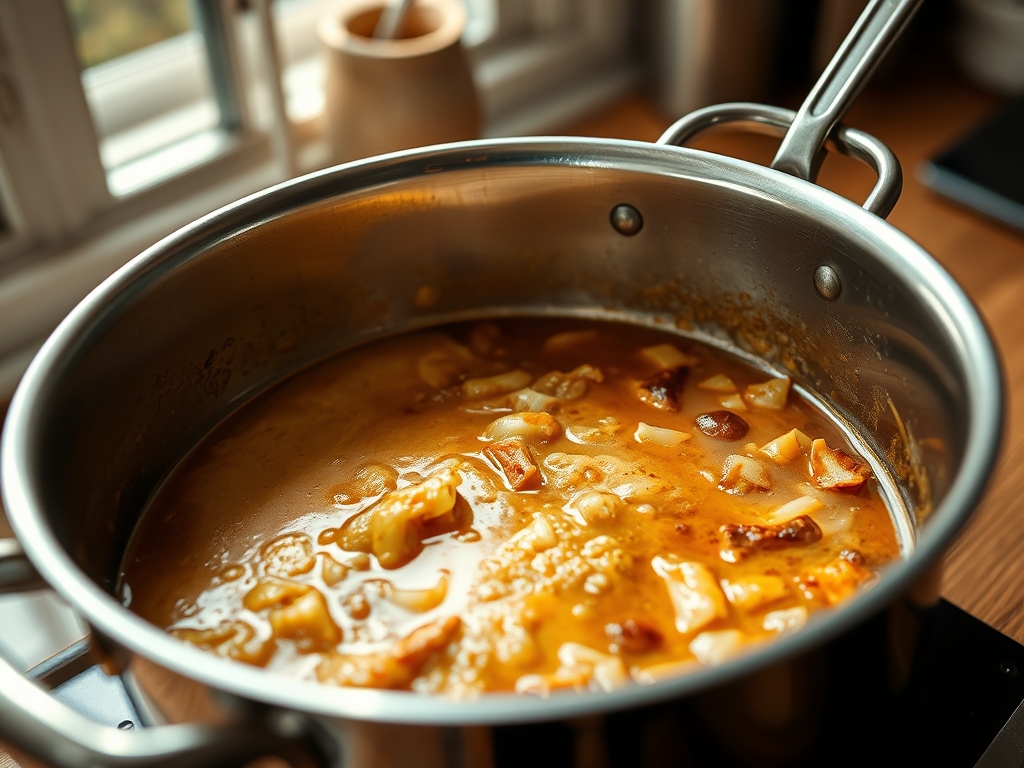
Heat your heavy-bottomed saucier or cast-iron Dutch oven over medium-high heat. Add the neutral oil. Once the oil begins to shimmer, place the chicken thighs skin-side down. Do not crowd the pan. Sear until the skin is deeply bronzed and has released its fat into the vessel.
Pro Tip: This step is about lipid extraction. The rendered chicken fat (schmaltz) will serve as the primary flavoring agent for the rice. Use a bench scraper to ensure no fond is left behind when you flip the meat.
2. Aromatics and Starch Toasting
Remove the chicken and set aside. In the remaining fat, add the ginger and garlic. Sauté for 60 seconds until fragrant but not scorched. Add the dry rice directly into the fat. Stir constantly for two minutes until the edges of the rice grains become translucent.
Pro Tip: Toasting the rice creates a protective nutty coating that prevents the grains from bursting. Use a digital scale to ensure your rice-to-liquid ratio remains precise; even a 10ml variance can lead to mushy results.
3. Deglazing and Hydration
Pour in the chicken broth and soy sauce. Use a wooden spoon to deglaze the bottom of the pot, incorporating all the caramelized bits into the liquid. Bring the mixture to a hard boil.
Pro Tip: Deglazing recovers the concentrated proteins stuck to the pan. This creates a more complex, savory profile. A saucier with sloped sides is ideal here to ensure aromatics do not get trapped in the corners.
4. The Unified Simmer
Nestle the chicken thighs back into the rice, skin-side up. Ensure the skin remains above the water line to maintain crispness. Reduce heat to the lowest setting, cover with a tight-fitting lid, and simmer for 18 to 20 minutes.
Pro Tip: The steam trapped in the pot cooks the chicken gently while the rice absorbs the broth. Do not lift the lid. Every time you peek, you lose the pressure required for even starch hydration.
5. The Aeration Phase
Remove from heat and let the pot sit, covered, for 10 minutes. Remove the chicken, then use a fork or rice paddle to gently aerate the rice. Drizzle with sesame oil and garnish with green onions.
Pro Tip: Resting allows the moisture to redistribute evenly through the grains. If you skip this, the bottom layer will be soggy while the top remains parched.
Section B: Prep & Timing Fault-Lines:
The most common failure in One Pot Chicken Rice is the "mush factor." This occurs when the heat is too low during the initial boil, causing the rice to sit in lukewarm liquid and lose its structural wall. Ensure the liquid hits a rolling boil before you drop to a simmer. Another timing error is the "cold start" chicken. If your protein is straight from the refrigerator, it will drop the pot temperature too sharply, throwing off your timing by several minutes. Always temper your meat at room temperature for 15 minutes prior to searing.
THE VISUAL SPECTRUM
Section C: Thermal & Visual Troubleshooting:
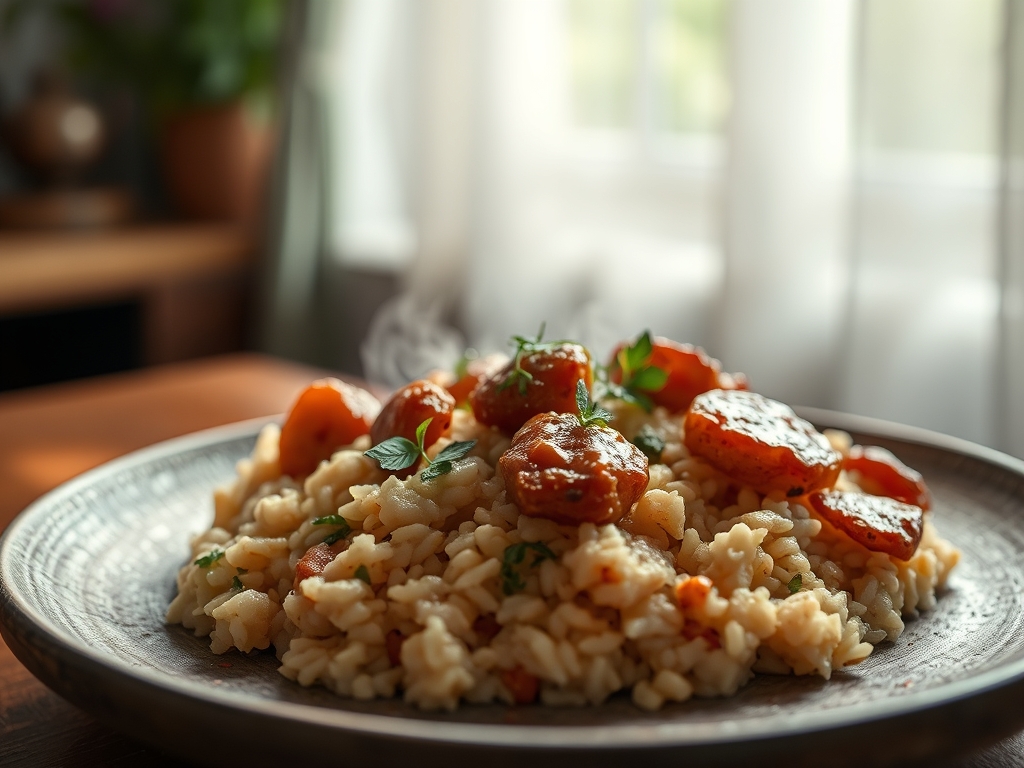
Look closely at the reference photo. You should see a distinct "Glistening Matrix." If your rice looks dull or matte, you likely under-measured the fat or over-washed the rice, removing too much surface starch that helps carry the oil. If the chicken skin is pale rather than the mahogany brown seen in the Masterclass image, your pan was not hot enough during the initial sear. To fix a "pale pot," remove the lid for the last five minutes of cooking to allow excess steam to escape, though this risks drying out the rice. The ideal visual cue is a slight crust at the bottom of the pot (known as socarrat or guoba), indicating total moisture absorption and sugar caramelization.
THE DEEP DIVE
Macro Nutrition Profile
A standard serving provides approximately 550 calories. You are looking at a balanced split of 35g protein, 60g carbohydrates, and 22g fats. The fats are primarily monounsaturated from the chicken and oil, while the glycemic load is moderated by the presence of protein and fiber if using unpolished rice.
Dietary Swaps
- Vegan: Replace chicken with thick slabs of king oyster mushrooms or firm tofu. Use a rich mushroom dashi instead of chicken broth.
- Keto: Swap jasmine rice for riced cauliflower. Reduce liquid volume by 70% as cauliflower does not absorb water like grain.
- GF: This recipe is naturally gluten-free if using Tamari instead of standard soy sauce.
Meal Prep & Reheating Science
To maintain molecular structure during reheating, add a teaspoon of water per cup of rice before microwaving. Cover tightly. This recreates the steam environment, preventing the starch from undergoing retrogradation, which is the process that makes leftover rice hard and gritty.
THE KITCHEN TABLE
Why is my rice sticking to the bottom?
This is usually a heat control issue. If the burner is too high during the simmer phase, the bottom sugars burn before the top hydrates. Use a heat diffuser if your stove runs hot.
Can I use chicken breasts instead?
Breasts lack the connective tissue and fat required for this infrastructure. They will likely dry out. If you must use them, reduce the simmer time by five minutes and increase the added sesame oil.
Do I need to wash the rice?
Yes. Rinsing removes excess surface starch that causes clumping. You want individual grains, not a porridge. Rinse until the water runs clear to ensure a professional, fluffy texture.
What if the rice is still hard after 20 minutes?
Add 30ml of hot broth, replace the lid, and simmer for another five minutes. This usually indicates the lid seal was not airtight, allowing essential steam to escape the system.