Listen to that sound. It is not just a sizzle; it is a high-frequency acoustic notification that the Maillard reaction is currently reconfiguring the protein structures on your baking sheet. Most home cooks treat Sheet Pan Fajitas as a lazy weeknight compromise, but we are here to audit that assumption. This is a study in atmospheric moisture control. When you crowd a pan, you create a localized humid microclimate that steams your steak into a grey, rubbery disappointment. To achieve the charred, piquant perfection of a high-end cantina, we must manipulate surface area, thermal mass, and lipid distribution. We are looking for the precise moment where the natural sugars in the bell peppers undergo pyrolysis while the bovine muscle fibers remain succulent and tender. Forget the soggy messes of your past. We are building a high-performance flavor delivery system that utilizes the convective currents of your oven to simulate the intense, direct heat of a seasoned cast-iron plancha. Strap in; we are optimizing your dinner.
THE DATA MATRIX
| Metric | Specification |
|---|---|
| Prep Time | 20 Minutes |
| Execution Time | 15 Minutes |
| Yield | 4 Adult Servings |
| Complexity (1-10) | 3 (Process heavy, technical light) |
| Estimated Cost per Serving | $4.50 – $6.00 USD |
THE GATHERS
Ingredient Protocol:
- Protein: 680g / 1.5 lbs Flank or Skirt Steak, sliced against the grain.
- Aromatics: 3 large Bell Peppers (Multi-colored), 450g / 1 lb total weight.
- Allium: 1 large Red Onion, 200g / 7 oz.
- Lipid: 45ml / 3 tbsp Avocado Oil (High smoke point is non-negotiable).
- Acid: 30ml / 2 tbsp Fresh Lime Juice.
- Spice Matrix: 10g / 2 tsp Chili Powder, 5g / 1 tsp Cumin, 5g / 1 tsp Smoked Paprika, 5g / 1 tsp Garlic Powder.
- Salinity: 8g / 1.5 tsp Kosher Salt.
- Heat: 2g / 0.5 tsp Cayenne Pepper.
Section A: Ingredient Quality Audit:
If your steak feels viscous or slimy out of the package, it has likely exceeded its prime shelf life; pat it dry with surgical precision and check for off-odors. Sub-par, watery peppers are often the result of poor storage. If your vegetables lack structural integrity, increase your oven temperature by 10 degrees Celsius to accelerate evaporation before they turn to mush. If using pre-ground spices that have sat in a cabinet for two years, they will lack the volatile oils necessary to infuse the oil. The fix? Toast them briefly in a dry saucier over medium heat for 60 seconds before mixing with the oil to wake up the dormant compounds.
THE MASTERCLASS
Step-by-Step Execution:
1. Thermal Calibration and Surface Prep
Preheat your oven to 230C / 450F. Place your heavy-duty rimmed baking sheet inside the oven while it heats. We want the metal to act as a heat sink. Use a digital scale to measure your spices into a small bowl, ensuring a consistent flavor profile across the entire batch.
Pro Tip: Preheating the pan initiates an immediate render of surface fats the moment the meat touches the metal, preventing the protein from sticking and ensuring an instant sear.
2. The Precision Slice
Using a sharp chef knife, slice the steak against the grain into 1cm strips. Use a bench scraper to efficiently move your sliced onions and peppers into a large mixing bowl. Consistency in thickness is the primary variable in ensuring all components reach peak texture simultaneously.
Pro Tip: Slicing against the grain shortens the muscle fibers, which mechanically tenderizes the meat, making even tougher cuts like flank steak feel buttery on the palate.
3. Emulsifying the Marinade
Whisk the avocado oil, lime juice, and spice matrix until the mixture is fully integrated. Pour this over the meat and vegetables. Use your hands to massage the lipid layer into every crevice, ensuring the spices are evenly distributed and not clumped in one sector.
Pro Tip: The oil acts as a heat transfer medium; without total coverage, the dry heat of the oven will dehydrate the spices rather than blooming them.
4. The High-Heat Deployment
Carefully remove the scorching pan from the oven. Spread the mixture in a single, uncrowded layer. You should hear an aggressive sizzle. If the pan is too small, use two sheets. Overcrowding is the enemy of the Maillard reaction.
Pro Tip: Use a bench scraper or metal spatula to spread the ingredients quickly; minimizing the time the oven door is open prevents a catastrophic drop in ambient temperature.
5. The Final Blast and Rest
Roast for 12 to 15 minutes. At the halfway mark, use a spatula to toss the ingredients, ensuring even exposure to the top-down heating elements. Once the edges of the onions are charred and the steak reaches an internal temperature of 55C / 130F, remove from heat.
Pro Tip: Allow the meat to rest on the pan for 5 minutes post-roast. This allows the juices to redistribute through the protein fibers rather than spilling out onto the pan surface.
Section B: Prep & Timing Fault-Lines:
The most common failure in Sheet Pan Fajitas is the "Soggy Bottom" syndrome. This occurs when the oven temperature is too low, causing the vegetables to release their internal moisture faster than it can evaporate. If you notice a pool of liquid forming, immediately move the pan to the lowest rack to increase conductive heat. Another fault-line is the "Leathery Steak" error. If your steak is sliced too thin, it will overcook before the peppers soften. The fix is to slice the steak slightly thicker than the peppers to balance the thermal requirements.
THE VISUAL SPECTRUM
Section C: Thermal & Visual Troubleshooting:
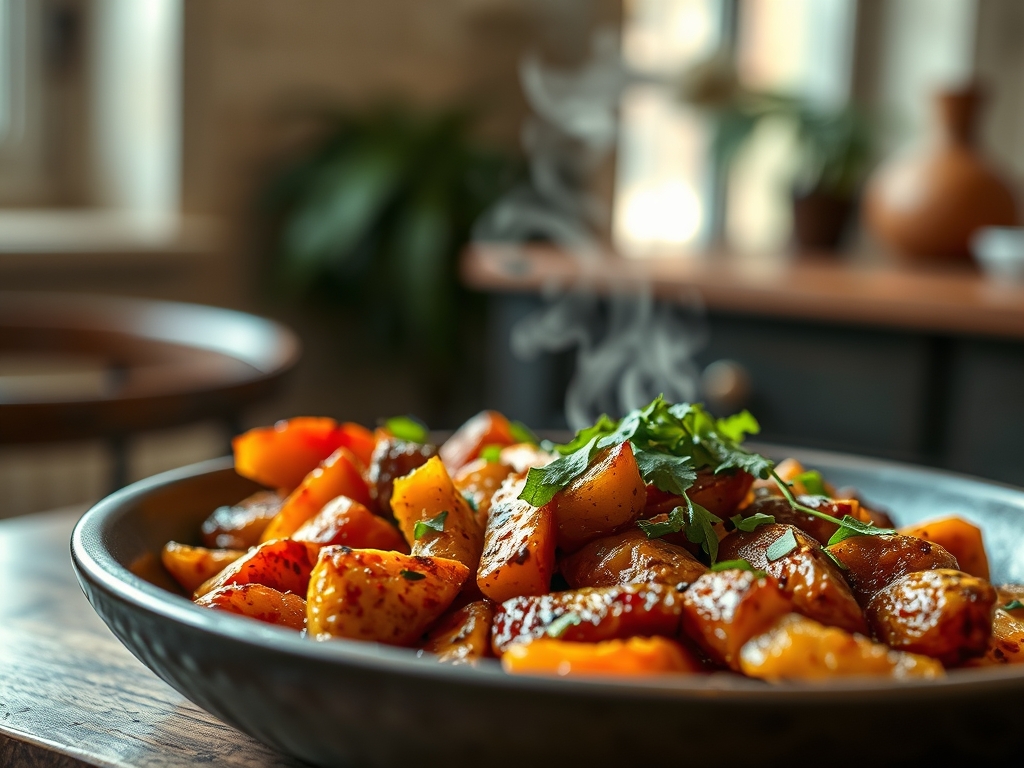
Referencing the Masterclass photo, observe the blistered skins on the peppers and the deep mahogany crust on the beef. If your dish looks pale, your oven calibration is likely off. Use an independent oven thermometer to verify the heat. If the vegetables are charred but the meat is grey, you likely skipped the preheating of the pan. Dull colors can be corrected post-cook with a fresh "pop" of acidity; a final squeeze of lime juice will brighten the colors and provide a sharp contrast to the earthy spices. If the texture is "mushy," you likely used a glass baking dish instead of a metal sheet pan; glass is a poor conductor of heat and traps steam.
THE DEEP DIVE
Macro Nutrition Profile:
A standard serving (without tortillas) provides approximately 35g of protein, 12g of carbohydrates, and 18g of healthy fats. The high fiber content from the bell peppers aids in digestion, while the capsicum in the chili powder provides a minor metabolic boost.
Dietary Swaps:
- Vegan: Replace steak with 400g of sliced Portobello mushrooms or firm tofu strips. Increase oil slightly to compensate for the lack of animal fat.
- Keto: Serve over a bed of shredded romaine or with sliced avocado instead of tortillas.
- GF: Ensure your spice blends do not contain anti-caking agents derived from wheat. Use corn tortillas or lettuce wraps.
Meal Prep & Reheating Science:
To maintain molecular structure during reheating, avoid the microwave. The high-frequency waves agitate water molecules, turning your steak into leather. Instead, use a dry skillet over medium-high heat for 3 minutes. This flashes the moisture off the surface and restores the original "crisp" of the vegetables.
THE KITCHEN TABLE
Why are my fajitas watery?
You likely overcrowded the pan. When ingredients are too close, they trap steam. Use two pans or a larger sheet to ensure adequate airflow for moisture evaporation.
Can I use chicken instead of steak?
Yes, but chicken breast dehydrates faster. Increase the oil in your marinade and consider reducing the cook time by 2 minutes to maintain a succulent internal texture.
What is the best oil to use?
Avocado oil is the gold standard due to its 270C / 520F smoke point. Olive oil will smoke and turn bitter at the high temperatures required for this protocol.
How do I get that restaurant char?
Switch your oven to the "Broil" setting for the final 120 seconds of cooking. This provides intense infrared heat that blisters the vegetable skins perfectly.