Imagine the scent of caramelized sugars colliding with the high-octane aroma of toasted butter. You are standing in the command center of your kitchen, staring down a tray of cookies that look less like a dessert and more like a structural failure. One side is scorched; the other is pale and doughy. This is the tragedy of uneven thermal distribution. To achieve the platinum standard of pastry, you must deploy the ultimate defensive layer: the Silicone Baking Mat. This is not just a sheet of rubber; it is a high-tech thermal shield designed to regulate heat transfer between the brutal metal of your baking sheet and the delicate fats of your dough. When you slide that tray into the furnace, you are initiating a complex dance of protein denaturation and moisture evaporation. Without the insulating properties of a premium mat, your cookies are at the mercy of hot spots and conductive surges. We are here to audit your process, optimize your airflow, and ensure every crumb achieves a perfect, golden-brown finish.
THE DATA MATRIX
| Metric | Specification |
|---|---|
| Prep Time | 20 Minutes |
| Execution Time | 12 Minutes |
| Yield | 24 Units |
| Complexity (1-10) | 4 |
| Estimated Cost per Serving | $0.45 |
THE GATHERS
Ingredient Protocol:
- 225g / 1 cup Unsalted High-Fat Butter (Room Temperature)
- 200g / 1 cup Packed Light Brown Sugar
- 100g / 0.5 cup Granulated White Sugar
- 2 Large Eggs (Room Temperature)
- 10ml / 2 tsp Pure Vanilla Extract
- 375g / 3 cups All-Purpose Flour (Sifted)
- 5g / 1 tsp Baking Soda
- 5g / 1 tsp Fine Sea Salt
- 340g / 2 cups Semi-Sweet Chocolate Disks (60% Cacao)
Section A: Ingredient Quality Audit:
If your butter is too cold, it will not properly aerate during the creaming stage, leading to a dense, leaden cookie. If it is too warm, the fats will render instantly in the oven, causing the dough to puddle into a greasy mess. Solution: Aim for 18 degrees Celsius (65 degrees Fahrenheit). If your flour has a low protein content, the structure will collapse. Always use a digital scale to avoid the "packing" error of volumetric cups, which can add up to 30% more flour than required. If your baking soda is stale, the Maillard reaction will be stunted, leaving you with a pale, flavorless disc. Perform a potency test by dropping a pinch into vinegar; if it does not aggressively fizz, discard it.
THE MASTERCLASS
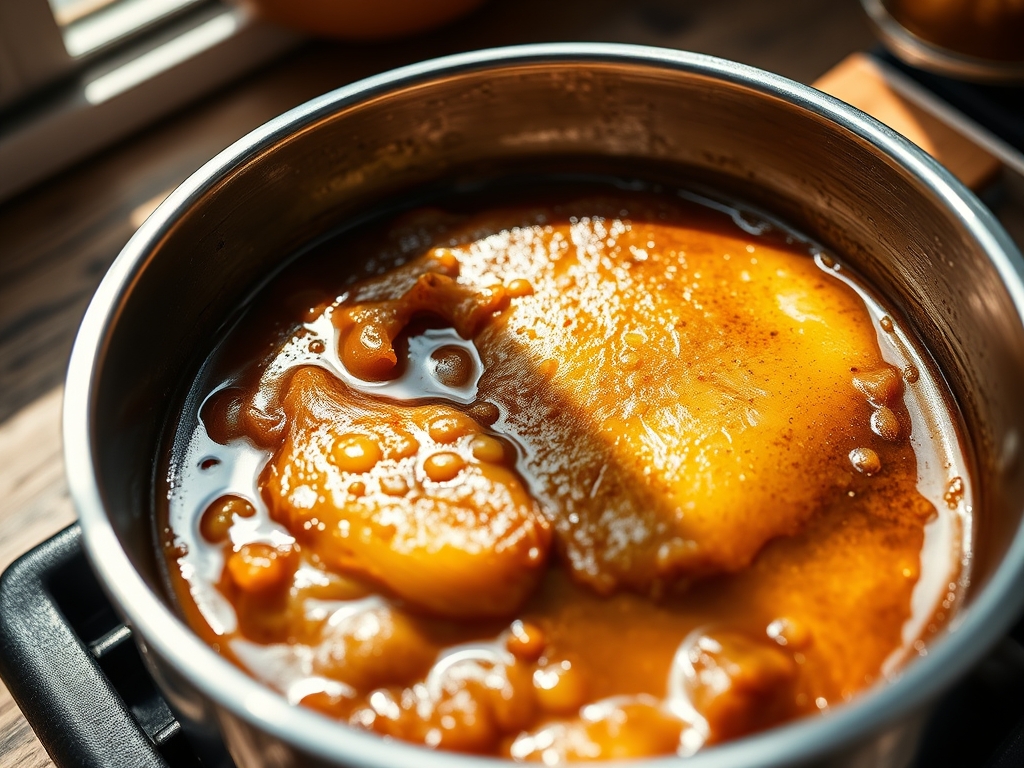
1. The Creaming Phase
Combine the butter and both sugars in a stand mixer. Beat on medium-high until the mixture is pale and fluffy. This process incorporates micro-bubbles of air that act as structural scaffolding.
Pro Tip: Use a digital scale to ensure your ratios are exact. The science of the "creaming method" relies on the sugar crystals cutting through the fat to create air pockets. If the mixture looks viscous and oily rather than fluffy, your butter was too warm.
2. Emulsification Control
Add the eggs one at a time, followed by the vanilla extract. Ensure each egg is fully incorporated before adding the next to maintain a stable emulsion.
Pro Tip: Use a silicone spatula to scrape the bottom of the bowl. Professional bakers know that unmixed fat at the bottom of the bowl leads to "hollow" cookies that shatter upon cooling.
3. Dry Component Integration
Sift the flour, baking soda, and salt together. Add to the wet ingredients on the lowest speed setting until just combined. Do not overwork the dough.
Pro Tip: Over-mixing develops excess gluten, turning a tender cookie into a tough, bread-like puck. Use a bench scraper to fold in the chocolate disks by hand for maximum control over dough tension.
4. Thermal Shielding and Loading
Line your heavy-duty aluminum pans with a Silicone Baking Mat. Scoop the dough into 50g spheres and space them 3 inches apart.
Pro Tip: The Silicone Baking Mat acts as a non-stick barrier that prevents the bottom of the cookie from heating faster than the top. This ensures the edges set at the same moment the center finishes cooking, preventing the dreaded "burnt ring" effect.
5. The Flash Bake
Slide the trays into a preheated oven at 175 degrees Celsius (350 degrees Fahrenheit). Bake for 10 to 12 minutes until the edges are set but the centers still look slightly soft.
Pro Tip: Rotate the pan halfway through the bake. Even with a convection fan, ovens have "dead zones" where air does not circulate. A manual rotation ensures a uniform infuse of heat across all units.
Section B: Prep & Timing Fault-Lines:
The most common human error is the "Immediate Bake" syndrome. For a superior flavor profile, chill your dough for at least 24 hours. This allows the flour to fully hydrate and the enzymes to break down starches into simple sugars, deepening the flavor. If your cookies are spreading too much, your oven temperature might be too low, or you skipped the chilling phase. If they are not spreading enough, you likely over-measured the flour. Use a saucier to melt butter if you prefer a chewier, "fudgy" texture, but remember to chill the dough longer to compensate for the liquid fat.
THE VISUAL SPECTRUM
Section C: Thermal & Visual Troubleshooting:
Look at the Masterclass photo above. Notice the "rippled" edges and the soft, matte finish of the center. This is the hallmark of a Silicone Baking Mat. If your cookies appear shiny and greasy on the bottom, the fat has separated from the flour. If the edges are jagged and dark brown while the center is white, your heat is too aggressive; lower the rack position. A perfect cookie should have a gradient of gold, with the chocolate disks appearing slightly viscous and glossy. If the chocolate looks dull or grey, it has "bloomed," meaning the cocoa butter has separated due to poor storage. Always store your chocolate in a cool, dark place to maintain its temper.
THE DEEP DIVE
Macro Nutrition Profile:
Each 50g cookie contains approximately 240 calories. The breakdown is roughly 12g of fat, 32g of carbohydrates, and 3g of protein. While sugar-heavy, the use of high-quality dark chocolate provides a minor boost in flavonoids and antioxidants.
Dietary Swaps:
- Vegan: Replace butter with a high-solids vegan buttery stick and use a flax-egg (1 tbsp ground flax + 3 tbsp water) as a binder.
- Keto: Swap flour for almond flour and use an erythritol-based sweetener. Note that the lack of sugar will prevent traditional caramelization.
- Gluten-Free: Use a 1-to-1 GF flour blend containing xanthan gum to maintain structural integrity.
Meal Prep & Reheating Science:
To maintain the molecular structure, freeze dough balls on a tray before transferring them to a vacuum-sealed bag. When reheating baked cookies, avoid the microwave; it agitates water molecules and turns the starch "rubbery." Instead, use a toaster oven at 150 degrees Celsius for 3 minutes to recrisp the exterior without drying the core.
THE KITCHEN TABLE
Why use a Silicone Baking Mat instead of parchment?
Silicone provides a thicker thermal barrier, preventing the bottom of the cookie from overcooking. It is also reusable for up to 3,000 bakes, making it more sustainable and cost-effective for high-volume production.
My cookies are flat and thin. What happened?
Your butter was likely too soft or over-creamed. When butter reaches a liquid state, it cannot hold air. This causes the dough to collapse immediately upon contact with heat. Always chill your dough before baking.
Can I use a Silicone Baking Mat for savory dishes?
Absolutely. They are excellent for roasting vegetables or making cheese crisps. However, be cautious; silicone can absorb strong odors like garlic or onion, which may transfer to your next batch of delicate sugar cookies.
How do I clean my mat properly?
Avoid abrasive scrubbers. Use a soft sponge with grease-cutting dish soap and warm water. If the mat feels oily after washing, it is because silicone is porous; a soak in boiling water with lemon juice will extract the trapped fats.