The scent hits you before the blade even touches the rind. It is a sharp, volatile explosion of citrus oils that transforms a dull kitchen into a high-octane flavor laboratory. When we talk about Microplane Zesting, we are not just talking about grating fruit; we are discussing the surgical precision of essential oil extraction. Standard box graters are the blunt instruments of the culinary world, often bruising the fruit and releasing bitter pith that ruins the delicate balance of a dish. A Microplane, however, utilizes photo-etched teeth that act like tiny razors. These blades shear through the flavedo, the outermost layer of the citrus skin, without crushing the cells. This process preserves the aromatic esters and piquant notes that provide that signature "lift" to heavy sauces or rich desserts. You can see the mist of oil hanging in the air. This is the infrastructure of flavor. It is the difference between a dish that tastes like lemon and a dish that vibrates with the soul of the fruit.
THE DATA MATRIX
| Metric | Specification |
|---|---|
| Prep Time | 15 Minutes |
| Execution Time | 25 Minutes |
| Yield | 4 Servings |
| Complexity (1-10) | 4 |
| Estimated Cost per Serving | $3.50 |
THE GATHERS
Ingredient Protocol:
- 450g / 1 lb Large Sea Scallops (Dry-packed)
- 60ml / 4 tbsp Unsalted High-Fat Butter
- 3 Large Organic Lemons (Room temperature for maximum oil yield)
- 15ml / 1 tbsp Extra Virgin Olive Oil
- 5g / 1 tsp Flaky Sea Salt
- 2g / 0.5 tsp Freshly Cracked Black Pepper
- 30ml / 2 tbsp Dry White Wine (Sauvignon Blanc preferred)
- 10g / 0.25 cup Fresh Flat-Leaf Parsley (Finely minced)
Section A: Ingredient Quality Audit:
The most common failure point in this protocol is the "wet" scallop. If your scallops are sitting in a pool of milky liquid, they have been treated with sodium tripolyphosphate. This chemical causes the scallop to absorb water, which will leach out in the pan and prevent the Maillard reaction. To fix this, brine the scallops in a solution of 1 liter of water and 30g of salt for 10 minutes, then pat them bone-dry with paper towels. Another issue is dull citrus. If the lemon skin feels soft or waxy, the essential oils have likely dissipated. To revive the fruit, soak it in warm water for 60 seconds to soften the wax and "wake up" the aromatic compounds before you begin the Microplane Zesting process.
THE MASTERCLASS
Step 1: The Surface Preparation
Place your scallops on a clean work surface. Use a digital scale to ensure even sizing, as uniform mass leads to uniform thermal conduction. Use a paper towel to remove every trace of moisture from the exterior. Season only the top side with salt and pepper immediately before they hit the heat to prevent osmotic moisture loss.
Pro Tip: Moisture is the enemy of the crust. By using a heavy-duty paper towel and a bench scraper to move the scallops, you ensure the protein surface remains dry, allowing for a rapid sear rather than a slow steam.
Step 2: High-Velocity Thermal Searing
Place a heavy stainless steel or cast iron skillet over high heat. Add the olive oil and wait for the first wisps of blue smoke. Place the scallops seasoned-side down. Do not crowd the pan; leave at least 2cm of space between each unit to allow steam to escape. Sear for 2 minutes without moving them.
Pro Tip: Professional chefs use a heavy-bottomed saucier or skillet to maintain heat inertia. When the protein hits the pan, the temperature drops; a high-mass pan recovers faster, ensuring the sugars caramelize instantly.
Step 3: The Butter Baste and Deglaze
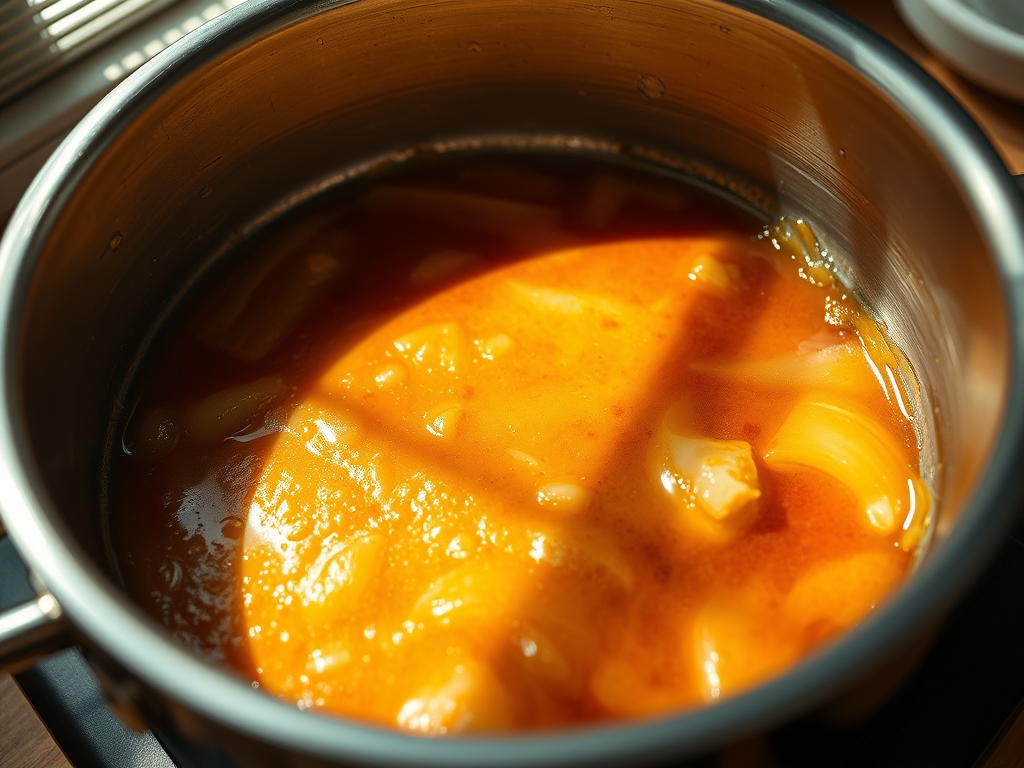
Flip the scallops using a pair of precision tongs. They should have a deep, golden-brown crust. Add the butter to the pan. Once it begins to foam and turn nut-brown (beurre noisette), add the white wine to deglaze the pan, scraping up the fond (browned bits) with a wooden spoon.
Pro Tip: This is where you render the milk solids in the butter. The foaming action indicates water evaporation; once the foam subsides, the temperature rises rapidly, creating a nutty flavor profile that complements the citrus.
Step 4: Microplane Zesting Integration
Hold the Microplane upside down (teeth facing up) and grate the lemon directly over the pan during the final 30 seconds of cooking. This allows the falling zest to catch the rising steam, which begins to infuse the oils into the butter sauce immediately. Remove from heat and toss with parsley.
Pro Tip: By grating "teeth up," the Microplane acts as a reservoir for the zest. This allows you to measure the volume visually before dispersing it, ensuring you don't over-concentrate the piquant citrus notes in one area.
Section B: Prep & Timing Fault-Lines:
Timing is the structural integrity of this dish. If you zest the lemons too early, the volatile oils evaporate into the room instead of the food. Always zest at the "last tactical second." Regarding temperature, if your butter turns black instead of brown, your heat is too high or your pan is too thin. If this happens, wipe the pan clean and start the butter stage over. You cannot "save" burnt milk solids; they will impart a bitter, acrid taste that masks the lemon.
THE VISUAL SPECTRUM
Section C: Thermal & Visual Troubleshooting:
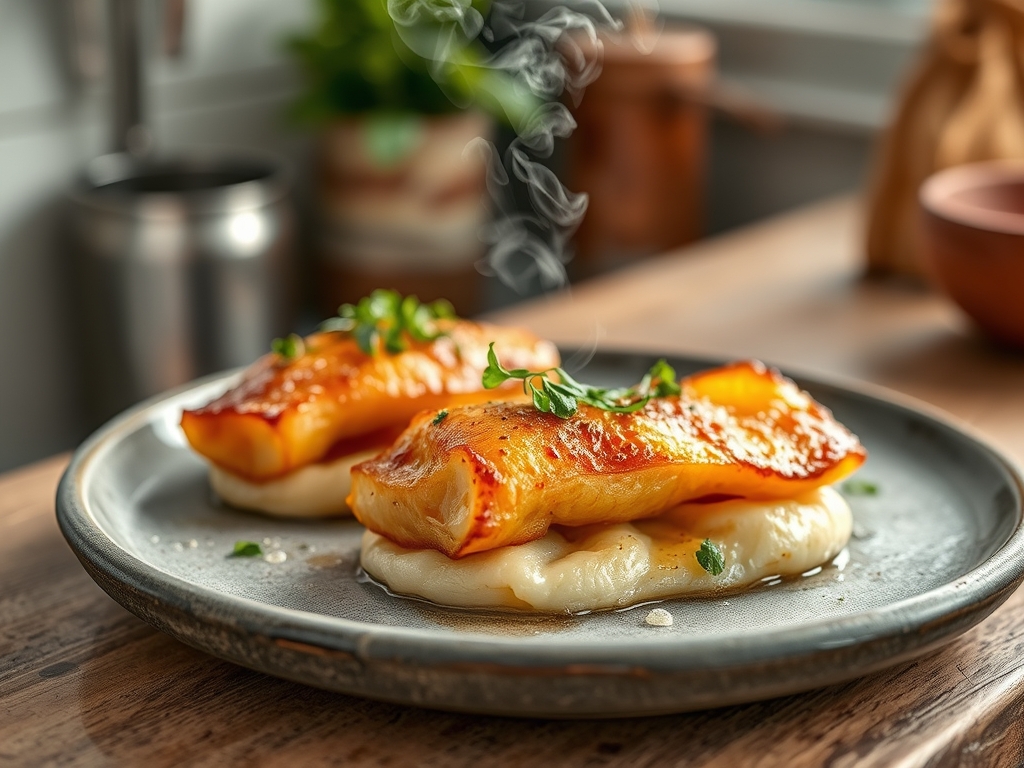
Look closely at the Masterclass photo. The scallops exhibit a "Gilded Edge," a specific visual cue where the perimeter is crisp and dark while the center remains opaque and succulent. If your scallops look pale and grey, your pan was not hot enough. If the lemon zest looks brown or shriveled, it was added too early and has fried in the fat. The zest should look like bright, neon-yellow ribbons against the golden butter. If the sauce looks broken or oily, whisk in a teaspoon of cold water or lemon juice to re-emulsify the fats with the liquids.
THE DEEP DIVE
- Macro Nutrition Profile: This dish is a high-protein, moderate-fat powerhouse. One serving contains approximately 280 calories, 32g of protein, 14g of fat, and 4g of carbohydrates. It is exceptionally high in Vitamin B12 and Selenium.
- Dietary Swaps: For a Vegan version, substitute the scallops with thick slices of King Oyster Mushroom stalks and use a high-quality vegan butter alternative based on avocado or olive oil. For Keto/GF, the recipe is naturally compliant as written.
- Meal Prep & Reheating Science: Seafood is notoriously difficult to reheat without turning the texture to rubber. To maintain the molecular structure, do not use a microwave. Instead, place the scallops in a cold pan with a splash of water, cover with a lid, and heat on low for 3 minutes. This creates a gentle steam environment that warms the protein without further denaturing the muscle fibers.
THE KITCHEN TABLE
Why is my zest bitter?
You likely grated too deep. The white pith underneath the yellow skin contains bitter alkaloids. Use a light touch with your Microplane to only remove the colored flavedo, which contains the aromatic oils.
Can I use bottled lemon juice instead?
No. Bottled juice is pasteurized, which destroys the delicate enzymes and volatile top notes. Microplane Zesting provides the "high-definition" flavor that bottled products simply cannot replicate.
What if I don't have a Microplane?
A standard grater will work in an emergency, but you will lose roughly 40% of the essential oils to the metal surface. Increase your citrus volume by half to compensate for the loss of potency.
Why do I zest directly over the food?
The act of zesting creates a fine mist of aerosolized oils. By zesting directly over the pan, you capture these airborne aromatics before they dissipate into the kitchen's ventilation system.