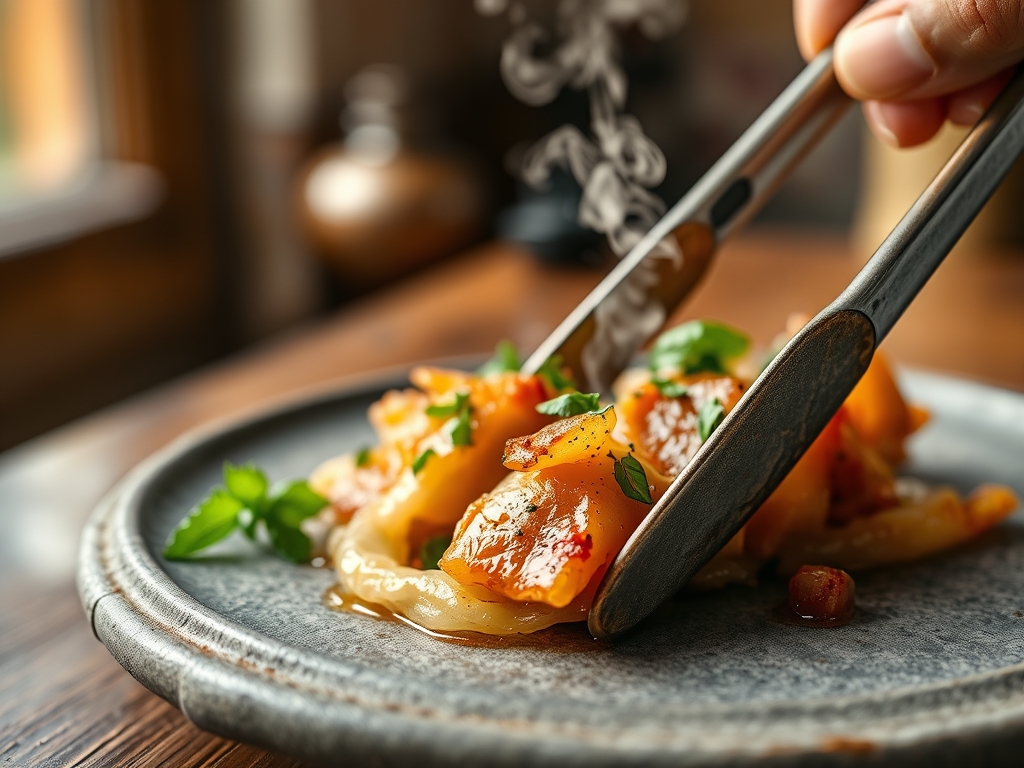
The kitchen is a theater of physics where heat meets flesh; however, the true conductor of this chaotic orchestra is the extension of your own hand. Forget the delicate tweezers of the pastry world or the blunt force of a spatula. We are talking about the mechanical dominance of the stainless steel spring-loaded pincer. Tongs Based Handling is the fundamental protocol that separates the home cook from the high-volume line beast. Imagine the hiss of a heavy-bottomed pan as a prime cut of protein makes contact. Without the precise leverage of high-quality tongs, you are merely a spectator to the Maillard reaction. With them, you are an engineer of crust and texture. You feel the resistance of the muscle fibers through the metal. You sense the exact moment the proteins denature and release from the surface. This is not just cooking; it is an infrastructure of tactile feedback and thermal management. If you cannot manipulate your ingredients with the speed of a hydraulic press and the grace of a surgeon, you are losing the battle against the clock.
THE DATA MATRIX
| Metric | Specification |
|---|---|
| Prep Time | 20 Minutes |
| Execution Time | 15 Minutes |
| Yield | 4 Servings |
| Complexity (1-10) | 7 |
| Estimated Cost per Serving | $8.50 |
THE GATHERS
Ingredient Protocol:
- 900g / 2 lbs Center-Cut Ribeye (Dry-aged preferred)
- 45ml / 3 tbsp High-Smoke Point Oil (Grapeseed or Avocado)
- 60g / 4 tbsp Unsalted Grass-Fed Butter
- 4 cloves / 20g Fresh Garlic (Crushed)
- 3 sprigs / 5g Fresh Rosemary
- 10g / 2 tsp Coarse Sea Salt
- 5g / 1 tsp Freshly Cracked Black Peppercorns
Section A: Ingredient Quality Audit:
If your protein feels viscous or slimy to the touch, the surface moisture will sabotage your sear. This is a failure of the dry-aging or storage protocol. Technical fix: Pat the meat aggressively with lint-free towels and allow it to air-dry on a wire rack in the refrigerator for four hours. This ensures the energy of the pan goes into browning rather than evaporating surface water. If your garlic is sprouting green hearts, it will introduce a piquant bitterness that ruins the butter baste. Remove the germ manually or source younger bulbs to maintain a sweet, nutty profile during the infuse stage.
THE MASTERCLASS
1. The Thermal Calibration
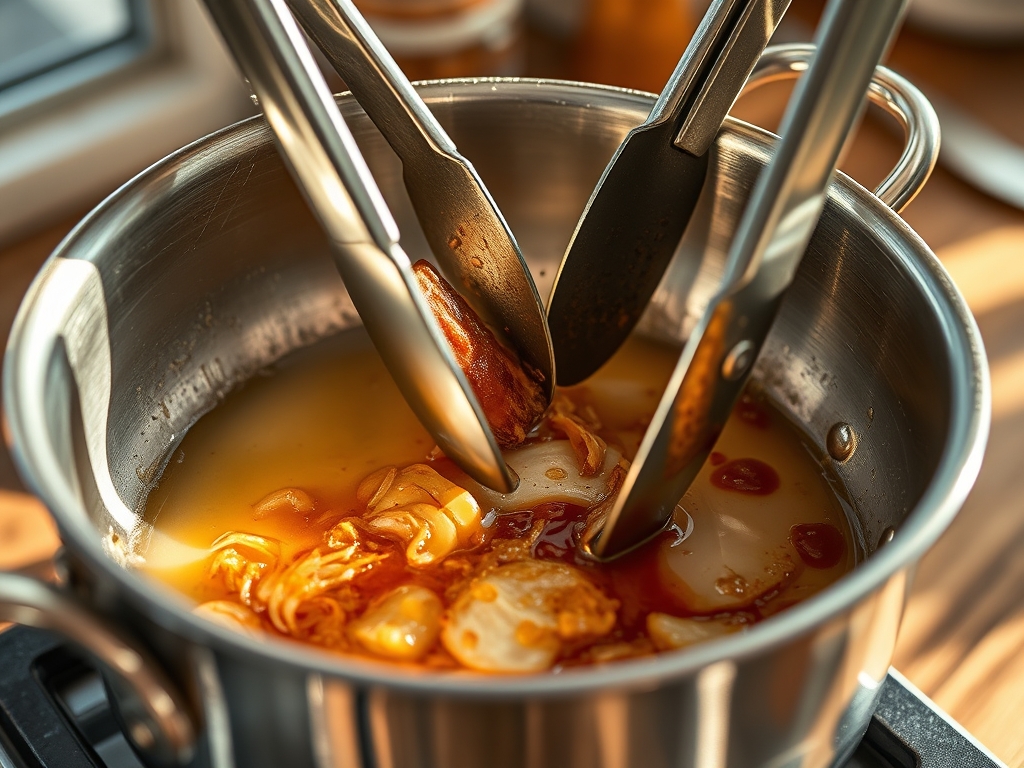
Place your heavy cast-iron skillet over high heat until it reaches 232C (450F). Use a digital infrared thermometer to verify the surface temperature across the entire radius. Add the oil only when the pan begins to shimmer.
Pro Tip: Using a digital scale to portion your fats ensures consistent heat transfer. The science here is thermal mass; a cold pan will drop in temperature the moment the meat hits, leading to steaming rather than searing.
2. The Primary Contact Phase
Using Tongs Based Handling, gently lay the protein away from your body to prevent oil splatter. Press down firmly for the first thirty seconds to ensure maximum surface contact. Do not move the meat.
Pro Tip: A bench scraper can be used to clear the board of excess salt, but the tongs are your primary tool for positioning. Mechanical pressure facilitates the Maillard reaction by forcing the amino acids and reducing sugars into closer proximity with the heat source.
3. The Edge Render
Once the primary surface is dark mahogany, use your tongs to stand the steak on its side. Hold it vertically to render the fat cap. This transforms chewy connective tissue into liquid gold.
Pro Tip: Professional tongs allow you to maintain this vertical position without slipping. This step is crucial for flavor development as the melting fat will infuse the rest of the meat during the resting phase.
4. The Aromatic Baste
Reduce heat to medium and add the butter, garlic, and rosemary. As the butter foams, tilt the pan and use a large spoon to bathe the steak. Use your tongs to flip the meat every thirty seconds.
Pro Tip: This is where you aerate the butter. The foaming action indicates that water is evaporating, allowing the milk solids to toast. A saucier pan is often used in professional settings for this, but a skillet works if you have the grip strength.
5. The Molecular Rest
Remove the meat from the pan when the internal temperature hits 52C (125F) for medium-rare. Place it on a warm resting rack. Do not tent with foil, as this will soften the crust you worked so hard to build.
Pro Tip: Resting allows the internal pressure to equalize. If you cut too soon, the viscous juices will flee the fibers, leaving you with a dry, grey result. Use your digital scale to weigh the drippings for a future pan sauce.
Section B: Prep & Timing Fault-Lines:
The most common human error is "Tongs Anxiety," the urge to constantly flip the meat before a crust has formed. This disrupts the steady rise of internal temperature. If you find the butter is smoking black rather than browning brown, your timing is off. Immediately add a splash of cold oil to drop the temperature and move the pan off the burner. This saves the aromatics from carbonizing.
THE VISUAL SPECTRUM
Section C: Thermal & Visual Troubleshooting:
Look at the Masterclass photo above. Notice the deep, even mahogany color of the crust; this is the visual benchmark for Tongs Based Handling. If your steak looks grey or "boiled," your pan was not hot enough or was overcrowded. If the edges are charred but the center is raw, your heat was too high, causing the exterior to carbonize before heat could conduct to the core. Another cue is the "bloom" of the rosemary; it should be bright green and crisp, not black and shriveled. If the butter looks broken or greasy, you failed to aerate it properly during the baste.
THE DEEP DIVE
Macro Nutrition Profile:
A standard 225g serving provides approximately 550 calories, 48g of protein, and 38g of fat. It is a zero-carb powerhouse, making it ideal for metabolic efficiency. The high zinc and B12 content support neurological function and muscle recovery.
Dietary Swaps:
For a Vegan alternative, utilize thick-cut cauliflower steaks or king oyster mushrooms. Use a high-quality vegan butter substitute with a high smoke point to achieve the same render effect. For Keto adherence, this recipe is already perfect. For a GF profile, ensure your seasoning rubs are free of anti-caking agents that may contain gluten.
Meal Prep & Reheating Science:
To maintain molecular structure, never microwave. Reheat in a 120C (250F) oven until the internal temp reaches 43C (110F), then flash-sear in a hot pan for thirty seconds. This preserves the cellular integrity and prevents the "warmed-over flavor" caused by lipid oxidation.
THE KITCHEN TABLE
Why use tongs instead of a fork?
Piercing the meat with a fork creates exit wounds for internal juices. This leads to a dry interior. Tongs Based Handling preserves the structural integrity of the protein fibers while providing superior leverage for flipping and searing.
What is the best material for professional tongs?
Stainless steel is the industry standard for durability and heat resistance. Avoid silicone tips for high-heat searing; they lack the "bite" needed to grip heavy proteins and can muffle the tactile feedback required for precision cooking.
How do I know when to deglaze the pan?
Once the meat is removed, look for the "fond," those brown bits stuck to the bottom. If they are dark brown, deglaze immediately with wine or stock. If they are black, they are acrid and must be discarded.
Can I use this technique for poultry?
Absolutely. The physics of heat transfer remain the same. However, ensure you achieve a higher internal temperature of 74C (165F). Tongs are essential for rotating chicken thighs to ensure the skin becomes shatter-crisp without tearing.