Listen to the high-pitched hiss of the steam release valve. That is the sound of a pressurized thermal revolution occurring in your kitchen. We are not just boiling vegetables; we are conducting a high-speed kinetic energy transfer. Forget the days of standing over a massive pot of rolling water that turns your kitchen into a humid swamp. We are optimizing the infrastructure of the summer cookout. Instant Pot Corn on the Cob is the definitive solution for the modern culinary engineer who demands precision, speed, and flavor retention. When you lock that lid, you are creating a sealed environment where moisture cannot escape. This forces heat into the cellular structure of the maize at a rate traditional boiling cannot match. The result is a kernel that remains turgid and explosive with sweetness rather than waterlogged and bland. We are aiming for a structural masterpiece. Each ear must be a golden pillar of caramelized potential, ready to be lacquered with lipid-heavy emulsions. Let us audit the process and eliminate the inefficiencies of legacy boiling methods once and for all.
THE DATA MATRIX
| Metric | Specification |
|---|---|
| Prep Time | 5 Minutes |
| Execution Time | 2 Minutes (High Pressure) |
| Yield | 4 to 6 Servings |
| Complexity | 2/10 |
| Estimated Cost per Serving | $0.75 USD |
THE GATHERS
Ingredient Protocol:
- 4 to 6 Ears of Fresh Sweet Corn (Shucked and cleaned)
- 250ml / 1 cup Cold Filtered Water
- 30g / 2 tbsp Unsalted European-Style Butter
- 5g / 1 tsp Smoked Paprika
- 2g / 0.5 tsp Flaked Sea Salt
- 15ml / 1 tbsp Fresh Lime Juice
Section A: Ingredient Quality Audit:
Sub-par raw materials will compromise your thermal output. If your corn feels "rubbery" before you even start, the sugars have already begun converting to starch. This is a failure of the supply chain. To fix this, you must infuse the cooking liquid with a teaspoon of sugar to trick the osmotic pressure into retaining sweetness. If the silk is excessively difficult to remove, use a damp microfiber cloth to friction-strip the ears. Never settle for dehydrated husks; they indicate a loss of internal moisture that no amount of pressure can fully restore.
THE MASTERCLASS
1. The Hydraulic Foundation
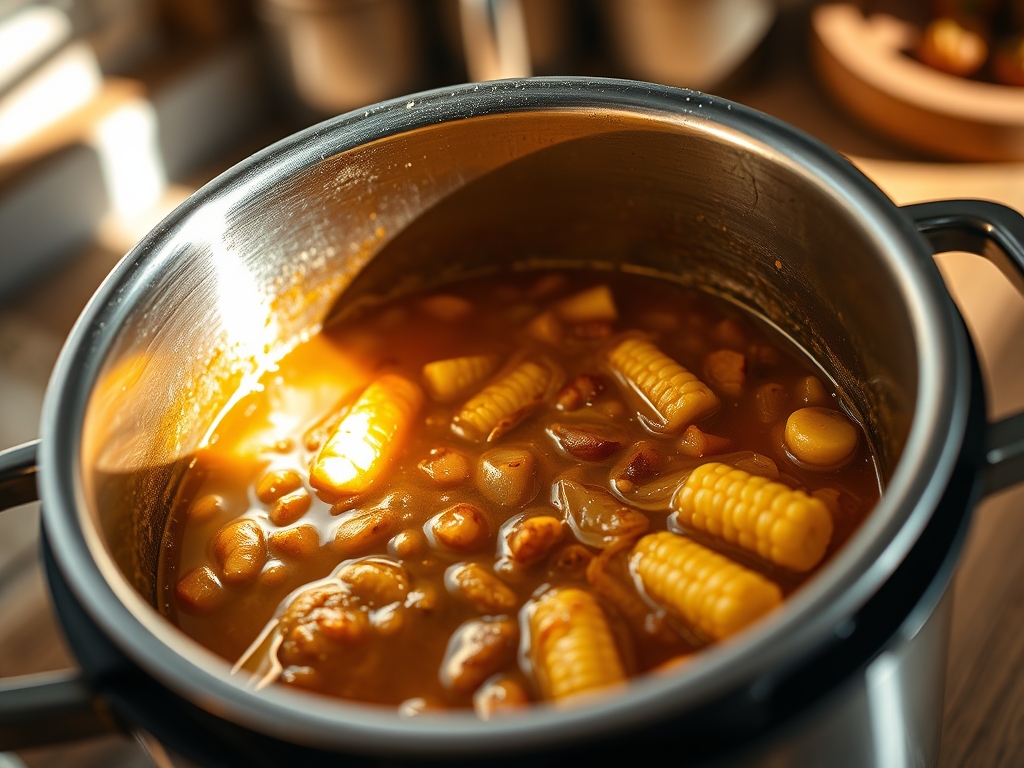
Pour exactly 250ml of water into the inner stainless steel liner. Place the trivet inside to ensure the maize is elevated above the liquid line. We are utilizing steam, not immersion.
Pro Tip: Use a digital scale to measure your water. Precise volume ensures the pot reaches pressure within the calculated window, preventing the over-steaming of the kernels while the "pre-heat" cycle runs.
2. Structural Alignment
Stack the ears of corn in a "log cabin" formation or vertically if your pot depth allows. This creates optimal pathways for the pressurized steam to circulate around every square centimeter of the cob.
Pro Tip: Use a bench scraper to trim any uneven ends of the cobs. Flat edges allow for better vertical stability and ensure the lid sensor does not detect an obstruction.
3. The Pressure Protocol
Secure the lid and set the steam vent to the "sealing" position. Program the unit for 2 minutes on High Pressure. Once the timer expires, perform an immediate manual pressure release to stop the thermal carryover.
Pro Tip: Rapid decompression is vital. If you allow a natural release, the residual heat will render the corn mushy by breaking down the pectin in the cell walls beyond the point of structural integrity.
4. The Lipid Emulsion
While the pressure releases, melt your butter in a small saucier. Whisk in the smoked paprika and lime juice until the mixture is viscous and perfectly homogenized.
Pro Tip: Use an immersion blender or a high-quality whisk to aerate the butter sauce. This creates a stable emulsion that clings to the kernels rather than sliding off into the bottom of the bowl.
Section B: Prep & Timing Fault-Lines:
The most common human error is the "Burn" notice. This usually occurs because the user failed to scrape the bottom of the pot after a previous recipe. Ensure the sensor can read the temperature accurately. Another fault-line is the "Delayed Venting." If you wait even three minutes after the cycle ends to release the steam, you have overcooked the product. Use a kitchen timer as a redundant system to the Instant Pot's internal clock.
THE VISUAL SPECTRUM
Section C: Thermal & Visual Troubleshooting:
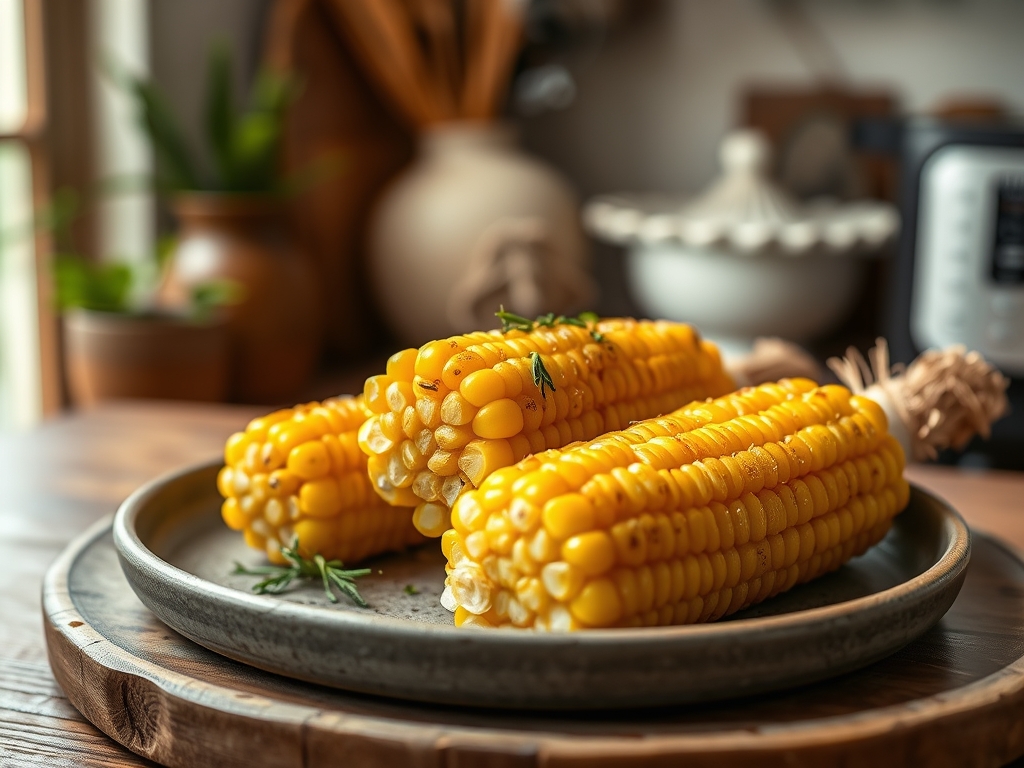
Look at the Masterclass photo. Note the vibrant, high-saturation yellow. If your corn looks pale or translucent, you have under-pressurized the vessel. If the kernels look shriveled, the corn was likely aged and lost its internal moisture before cooking. To fix a dull appearance, deglaze the ears with a splash of citrus juice immediately after pulling them from the pot. This acidity brightens the colors. If you see uneven browning, it means some ears were touching the metal walls of the liner. Always use the trivet to maintain a thermal buffer between the heating element and the delicate sugars of the maize.
THE DEEP DIVE
Macro Nutrition Profile:
A single ear of corn provides approximately 90 calories, 19g of carbohydrates, and 2g of fiber. By using high-pressure steaming, we minimize the leaching of water-soluble vitamins like B and C into the cooking liquid. You are consuming a more nutrient-dense product than traditional boiling provides.
Dietary Swaps:
For a Vegan protocol, replace European butter with an avocado oil-based spread or a high-quality coconut fat to maintain the viscous mouthfeel. For a Keto adjustment, limit the serving to half a cob and increase the lipid ratio with a heavy garlic-herb compound butter.
Meal Prep & Reheating Science:
To maintain the molecular structure during reheating, do not use a microwave. The microwave agitates water molecules violently, leading to "tough" kernels. Instead, use the "Steam" function on your Instant Pot for 0 minutes. The residual heat from the pressure buildup is enough to infuse the cob with warmth without degrading the texture.
THE KITCHEN TABLE
How do I prevent the corn from getting soggy?
Elevation is key. Use the trivet to keep the corn out of the water. This ensures you are using steam-phase heating rather than liquid-phase boiling, which preserves the "pop" of the kernel.
Can I cook frozen corn on the cob?
Yes. Increase the pressure time to 4 minutes. The internal ice crystals require more energy to phase-shift into liquid, but the pressurized environment handles this transition efficiently without losing flavor.
Why is my corn tough after 2 minutes?
This is rarely a timing issue and usually a "field-to-table" delay. Older corn has higher starch content. To fix this, add a pinch of lemon juice to the water to help soften the outer husks during the cycle.
Is it safe to stack the corn to the top?
As long as you do not exceed the "Max Fill" line, you can stack the corn. The pressure will equalize throughout the chamber, ensuring every ear receives the same thermal load regardless of its position.