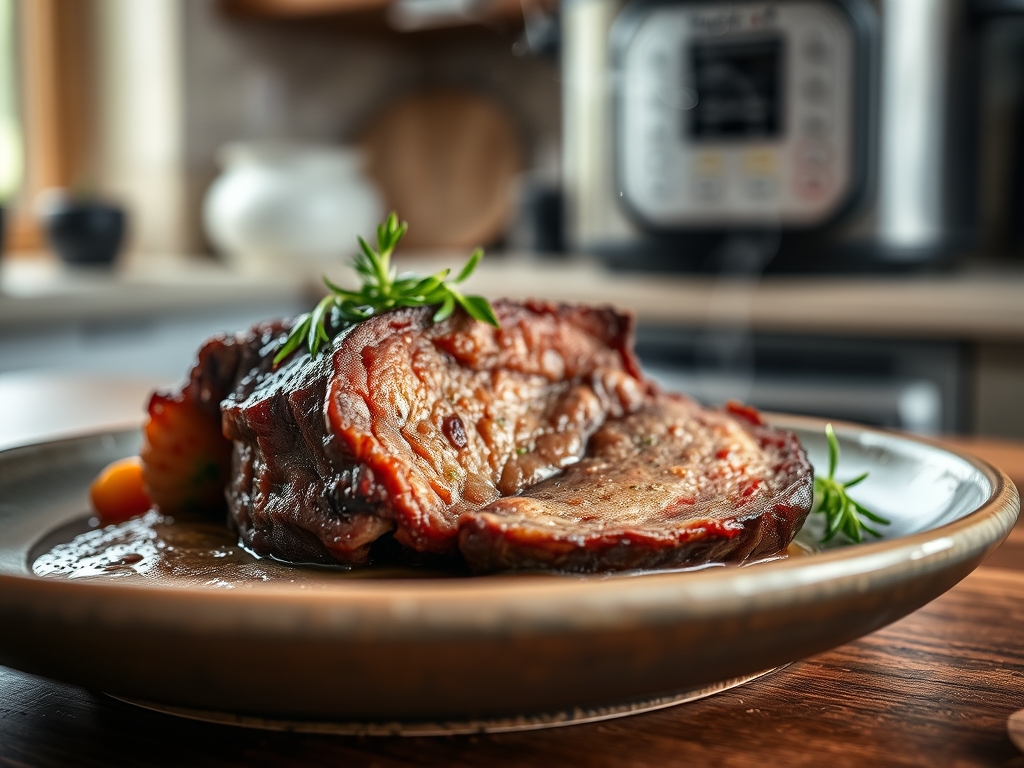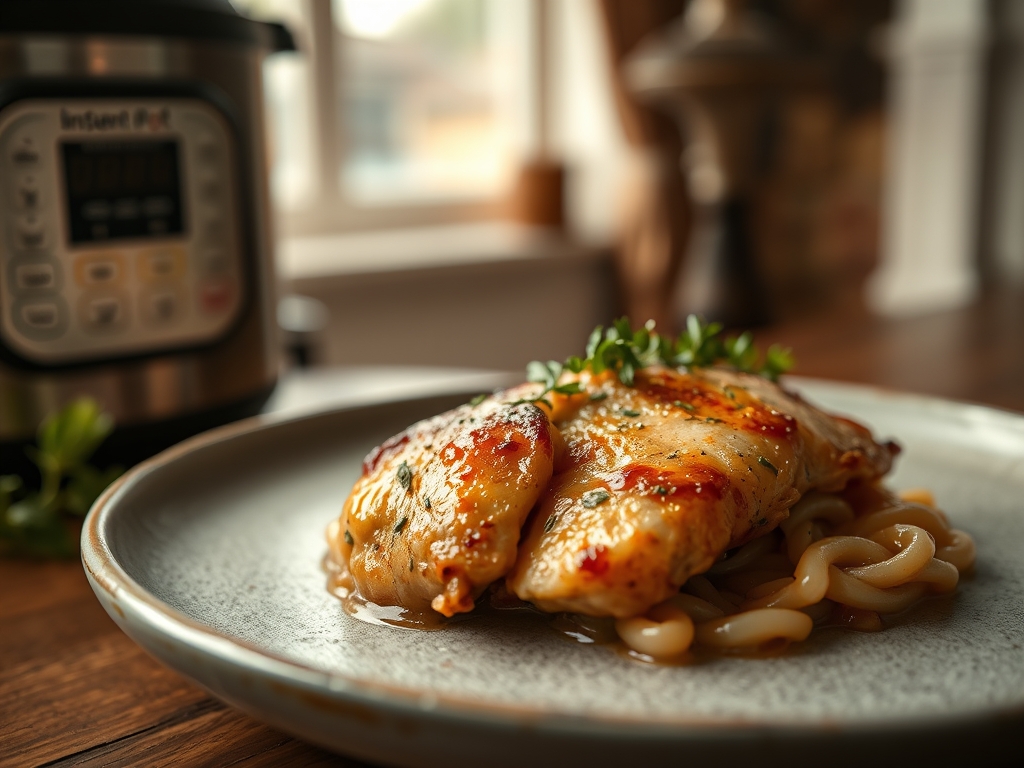
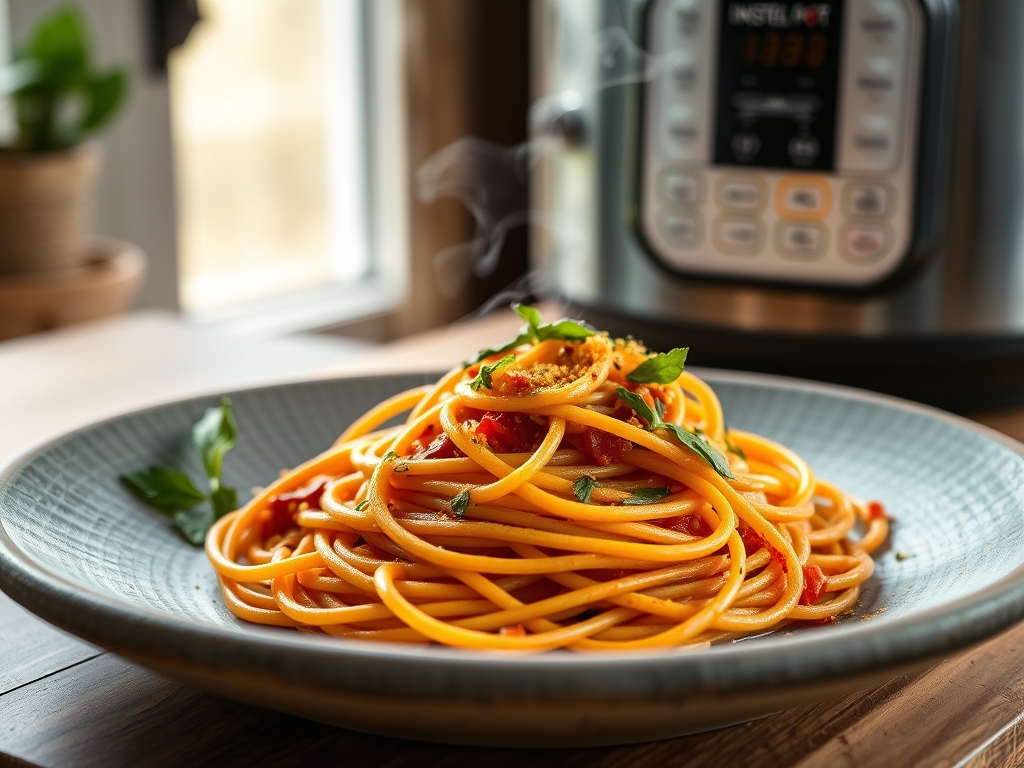
The scent of scorched tomato sugars and rendering bovine lipids is the siren song of a kitchen operating at peak efficiency. We are not merely boiling noodles; we are orchestrating a high-pressure structural transformation where wheat protein and lipid emulsions collide within a stainless steel vacuum. This is the definitive architecture of Instant Pot Spaghetti. Forget the watery, flaccid results of amateur attempts. We are here to harness the physics of the pressure cooker to force-infuse every strand of pasta with a piquant, concentrated ragu. The goal is a sauce that is viscous enough to cling to the gluten network without the need for a secondary reduction phase. By manipulating the starch-to-liquid ratio under 11.6 PSI of atmospheric pressure, we achieve a texture that traditionally takes hours of slow simmering in a heavy saucier. This is culinary engineering at its most aggressive; it is fast, it is precise, and it is scientifically superior to the stove-top alternative when executed with the following rigorous protocols.
THE DATA MATRIX
| Metric | Specification |
|---|---|
| Prep Time | 10 Minutes |
| Execution Time | 25 Minutes |
| Yield | 4 to 6 Servings |
| Complexity (1-10) | 3 |
| Estimated Cost per Serving | $1.85 USD |
THE GATHERS
Ingredient Protocol:
- 454g / 1 lb Lean Ground Beef (85/15 ratio)
- 454g / 1 lb Spaghetti (Standard dry semolina)
- 680g / 24 oz Marinara Sauce (High quality, low added sugar)
- 946ml / 4 cups Beef Bone Broth or Water
- 15g / 1 tbsp Extra Virgin Olive Oil
- 150g / 1 medium Yellow Onion (Finely diced)
- 15g / 3 cloves Garlic (Microplaned)
- 5g / 1 tsp Dried Oregano
- 2g / 0.5 tsp Crushed Red Pepper Flakes
- To taste: Kosher Salt and Freshly Cracked Black Pepper
Section A: Ingredient Quality Audit:
Sub-par raw materials will compromise the structural integrity of your sauce. If your ground beef has a fat content exceeding 20 percent, the resulting emulsion will break, leaving a greasy film on the palate. Fix: Render the fat thoroughly and use a kitchen bulb baster to remove excess lipids before adding liquids. If your pasta is made from low-protein flour rather than 100 percent durum semolina, it will disintegrate under pressure. Fix: Verify the protein content on the packaging; you require at least 12 to 13 percent protein to maintain the gluten network hydration necessary for an al dente finish. Finally, if your marinara is overly acidic, it will inhibit the softening of the vegetable aromatics. Fix: Add a pinch of baking soda to neutralize excess acidity and encourage the Maillard reaction.
THE MASTERCLASS
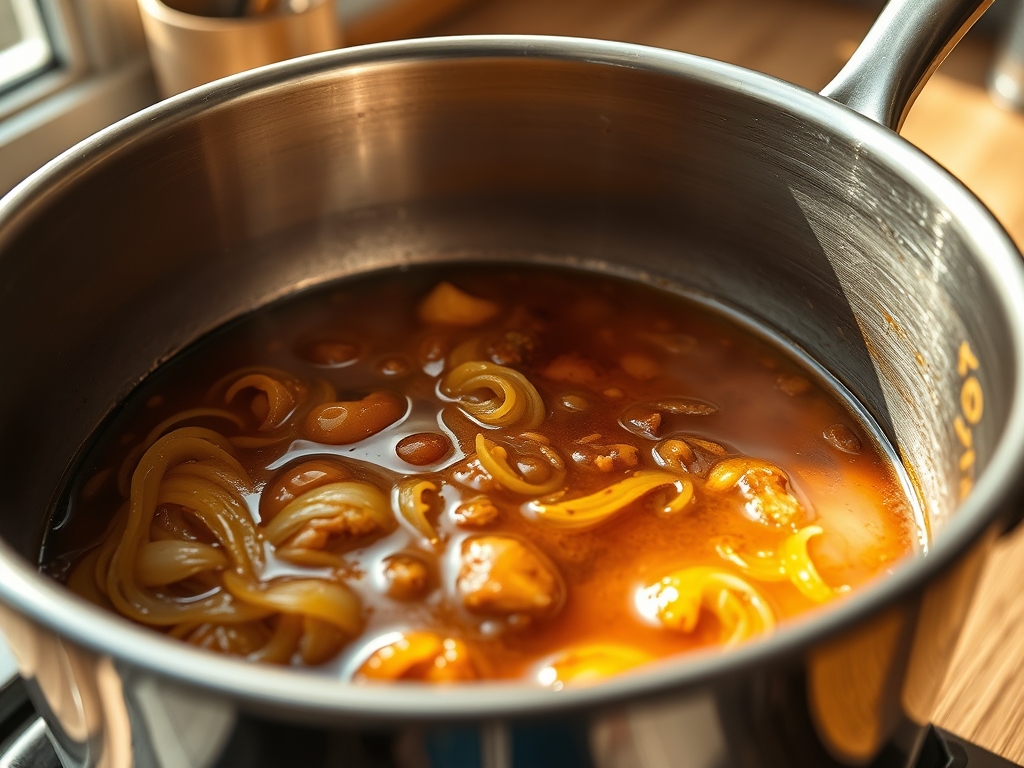
1. The Lipid Infusion and Aromatics
Set your pressure cooker to the high-heat saute function. Add the olive oil and allow it to reach its shimmering point before introducing the ground beef. Use a bench scraper or a heavy wooden spoon to break the protein into uniform granules. Once the meat begins to render its fat and brown, add the diced onions.
Pro Tip: Use a digital scale to ensure your onion-to-meat ratio is precise. Sautéing the onions in the rendered beef fat creates a flavor base through the Maillard reaction, which is essential for a deep, savory profile that mimics a long-simmered sauce.
2. Deglazing the Vessel
As the sugars in the onion and meat caramelize, a brown film known as fond will develop on the bottom of the pot. This is concentrated flavor. Add the garlic, oregano, and pepper flakes, stirring for 30 seconds until the oils infuse the air with their aroma. Immediately pour in 120ml / 0.5 cup of the broth to deglaze the surface.
Pro Tip: Use a flat-edged wooden spatula to scrape every millimeter of fond from the bottom. Any residual burnt protein left on the heating element will trigger the "Burn" sensor on your device, halting the pressurization process and ruining your timing.
3. The Structural Layering
Turn off the saute function. This is the most critical phase of the architecture. Break the spaghetti in half and layer it over the meat in a "criss-cross" or "nesting" pattern. Do not simply drop the bundle in; if the strands are parallel, they will fuse into a solid block of unhydrated starch.
Pro Tip: Professional chefs use a saucier technique of layering to ensure maximum surface area exposure. By staggering the pasta, you allow the liquid to circulate around every individual strand, ensuring even gluten network hydration.
4. Liquid Displacement and Pressure
Pour the remaining broth over the pasta, followed by the marinara sauce. Do not stir. The sauce must remain on top to prevent the sugars from scorching against the bottom of the pot. Ensure the liquid completely covers the pasta. Seal the lid and set to Manual High Pressure for 8 minutes.
Pro Tip: The "no-stir" rule is non-negotiable. High-viscosity liquids like tomato sauce do not circulate well under pressure; keeping the thinner broth at the bottom allows for efficient steam generation and rapid pressurization.
5. The Controlled Release and Emulsification
Once the timer expires, perform an immediate manual pressure release. Wear an oven mitt to protect your hands from the high-velocity steam. Open the lid and use tongs to vigorously stir the mixture. The sauce will look thin initially; this is normal.
Pro Tip: As you stir, you are performing a mechanical emulsification. The agitation releases residual starches from the pasta into the sauce, thickening it instantly. Allow the dish to sit for 3 to 5 minutes to let the fibers finish absorbing the remaining moisture.
Section B: Prep & Timing Fault-Lines:
Timing errors are the primary cause of "mushy" pasta. If your machine takes longer than 10 minutes to come to pressure, your liquid-to-pasta ratio might be off, or your sealing ring is compromised. Always start with room temperature broth to accelerate the climb to 11.6 PSI. If you find the pasta is undercooked after the release, do not re-pressurize. Instead, use the "Saute" function on low to simmer the mixture for an additional 2 minutes while stirring constantly.
THE VISUAL SPECTRUM
Section C: Thermal & Visual Troubleshooting:
The Masterclass photo displays a vibrant, deep red hue with a glossy sheen. If your sauce appears dull or orange, you have likely over-aerated the sauce during the stirring phase or used a sauce with too much added corn syrup. A glossy finish indicates a successful lipid-starch emulsion. If you see white "chalky" spots on the noodles, those are pockets of unhydrated starch where the pasta stuck together. To fix this in future batches, increase the "criss-cross" layering precision. For uneven browning of the meat, ensure the pot is fully pre-heated before the protein makes contact with the stainless steel.
THE DEEP DIVE
Macro Nutrition Profile:
A standard serving (approximately 350g) provides 480 calories, 22g of protein, 65g of carbohydrates, and 14g of fat. The high protein content from the durum semolina and lean beef provides a sustained glycemic release, preventing the "crash" associated with low-quality pasta dishes.
Dietary Swaps:
- Vegan: Substitute ground beef with brown lentils or a soy-based crumble and use vegetable bouillon.
- Keto: This architecture is not compatible with ketogenic diets due to the wheat base; however, the sauce protocol can be applied to "Palmini" or shirataki noodles (reduce pressure time to 1 minute).
- Gluten-Free: Use corn or brown rice-based pasta and reduce the high-pressure time to 4 minutes to prevent the noodles from dissolving.
Meal Prep & Reheating Science:
To maintain molecular structure during reheating, add 15ml / 1 tbsp of water per serving before microwaving. This creates a localized steam environment that re-hydrates the starch molecules without making the pasta rubbery. Store in airtight glass containers to prevent lipid oxidation.
THE KITCHEN TABLE
Why is my pasta stuck together in clumps?
This is a failure of the "nesting" protocol. If pasta strands lie parallel, they bond via starch gelatinization before the liquid can penetrate. Always stagger the noodles in a multi-directional lattice to ensure individual strand hydration.
Can I use frozen ground beef?
Yes, but you must extend the saute phase. Searing frozen meat directly in the pot is safe; however, you must ensure the internal temperature reaches 74C / 165F before adding the pasta to maintain food safety standards and proper texture.
What if I get a "Burn" notice?
Immediately vent the steam and remove the lid. Scrape the bottom of the pot to release any stuck debris. Add 60ml / 0.25 cup of extra broth, stir the bottom layer only, and resume the pressure cycle.
Is it possible to overcook the sauce?
Under pressure, the sugars in tomato sauce can undergo rapid caramelization. If left on the "Keep Warm" setting for over an hour, the sauce will darken and develop a bitter, over-reduced profile. Serve immediately for optimal flavor.