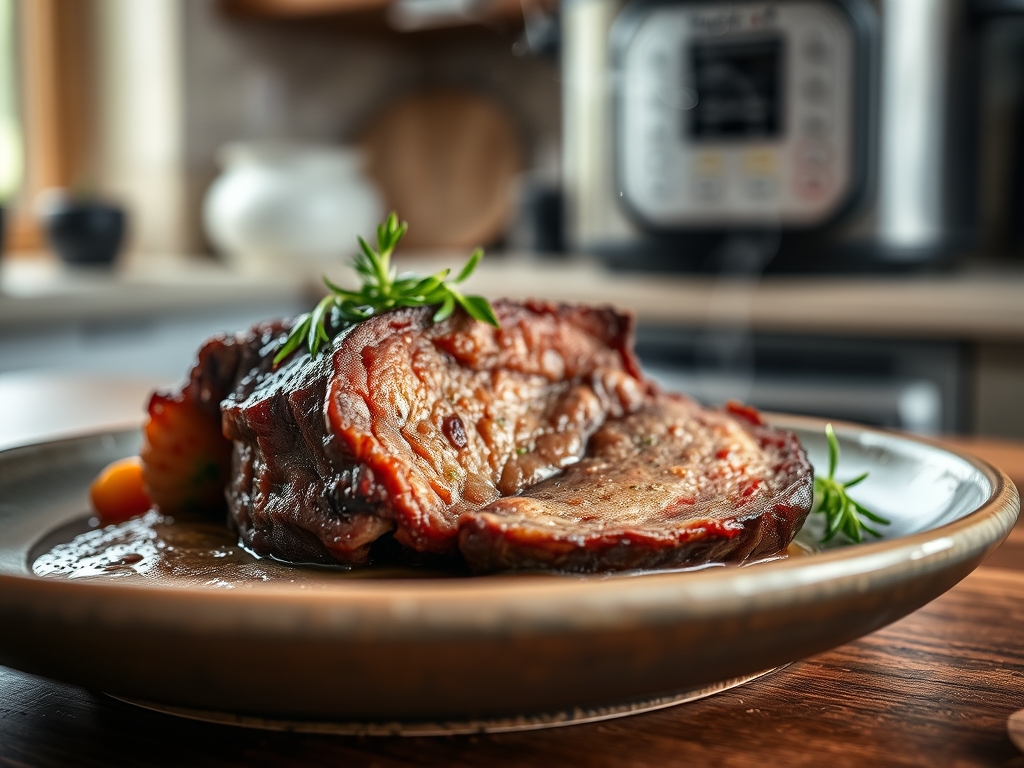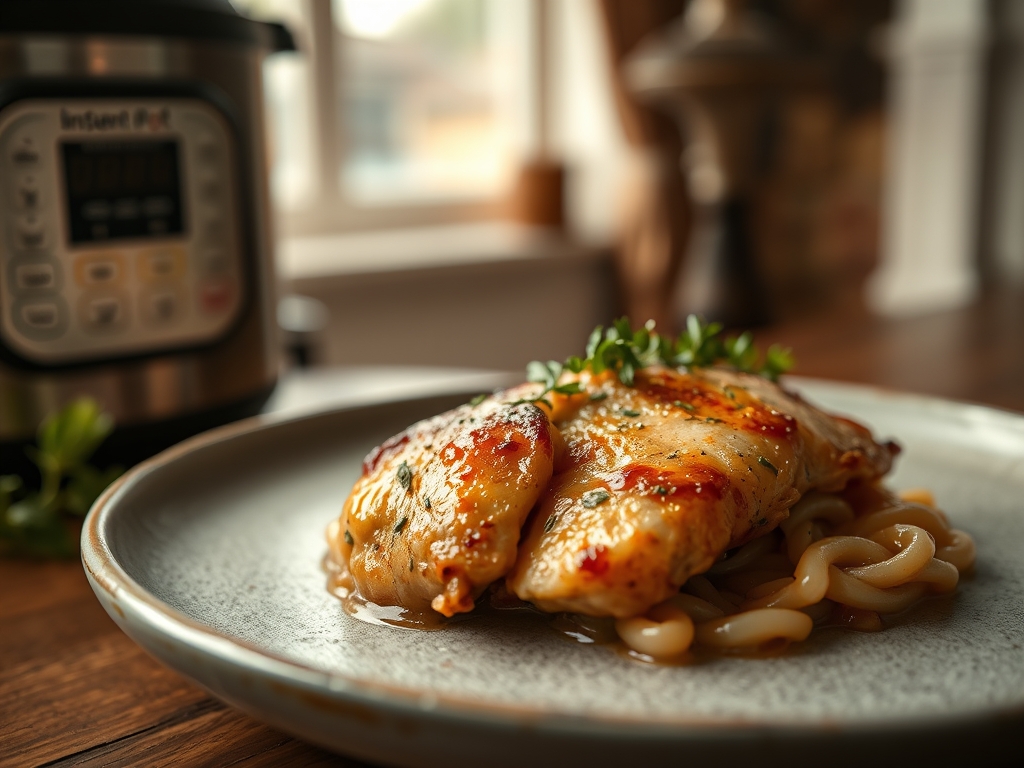
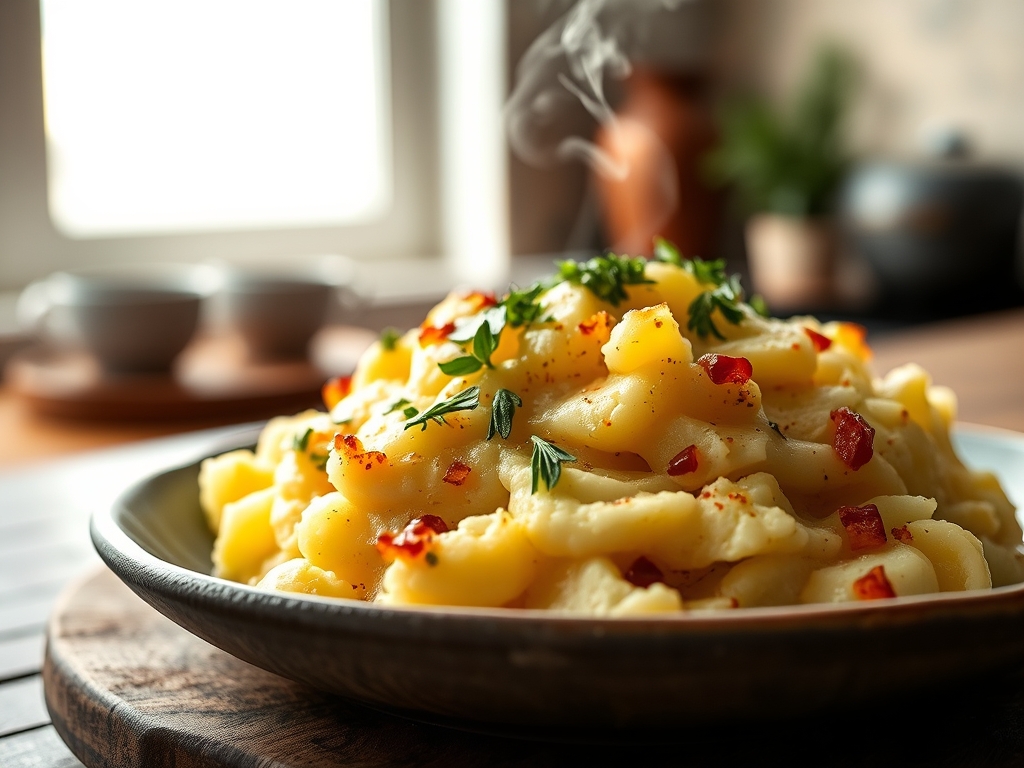
Forget everything you know about the sluggish, steam-filled purgatory of boiling tubers on a stovetop. We are entering the realm of high-pressure kinetics where the Instant Pot Mashed Potatoes protocol reigns supreme. Traditional methods are a gamble against evaporation and uneven heat distribution; they leave you with waterlogged starch or a gritty center that offends the palate. By utilizing a sealed pressure environment, we force moisture into the crystalline structure of the potato at a rate that traditional boiling simply cannot match. This is not just cooking; it is a controlled structural collapse of the amylopectin matrix. We are aiming for a texture so silky it defies the laws of solid matter. Imagine a cloud of pure, buttery decadence that holds its shape just long enough to be admired before it dissolves into a rich, savory finish. This is the technical audit of the perfect side dish, optimized for the modern kitchen where time is the most expensive currency and mediocrity is a fireable offense.
THE DATA MATRIX
| Metric | Specification |
|---|---|
| Prep Time | 10 Minutes |
| Execution Time | 12 Minutes (High Pressure) |
| Yield | 6-8 Servings |
| Complexity | 3/10 |
| Estimated Cost per Serving | $0.85 USD |
THE GATHERS
Ingredient Protocol:
- 2.25 kg / 5 lbs Yukon Gold Potatoes (peeled and quartered)
- 250 ml / 1 cup Cold Water or Chicken Bone Broth
- 115 g / 1/2 cup Unsalted High-Fat Butter (cubed)
- 180 ml / 3/4 cup Heavy Cream or Whole Milk
- 15 g / 1 tbsp Fine Sea Salt
- 2 g / 1 tsp Freshly Cracked White Pepper
- 5 g / 1 tsp Garlic Powder (optional for depth)
Section A: Ingredient Quality Audit:
The primary failure point in any starch-heavy dish is the selection of the raw material. If you choose a waxy Red Bliss potato, you will end up with a viscous, gluey mess rather than a fluffy masterpiece. Yukon Golds are the gold standard because their starch-to-sugar ratio allows for a creamy finish without the fragility of a Russet. If your potatoes feel soft or show green tinting, the solanine levels are elevated; discard them immediately to avoid a bitter, piquant aftertaste. If your butter is low-quality, the water content will break your emulsion. Use European-style butter with at least 82 percent butterfat to ensure the fat molecules properly coat the starch granules, preventing them from bonding into a gummy paste.
THE MASTERCLASS
Step-by-Step Execution:
1. The Hydro-Thermal Loading
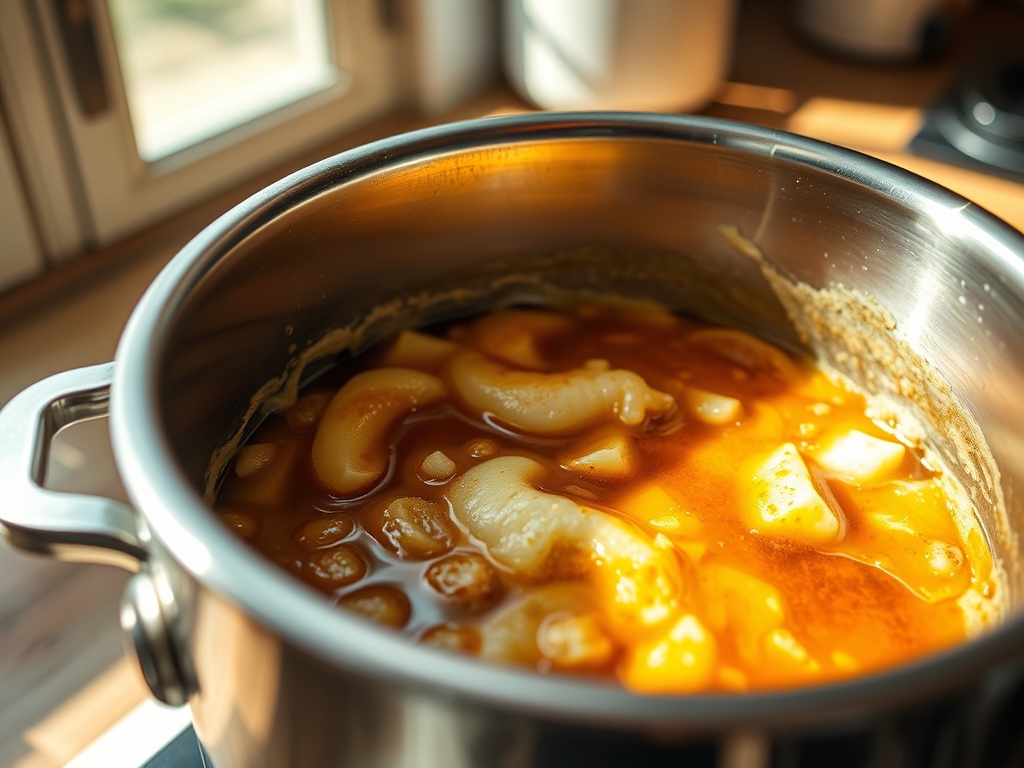
Place your peeled and quartered potatoes into the inner pot of the Instant Pot. Add your 250 ml of liquid. Do not submerge the potatoes; we are looking for a steam-pressure hybrid environment, not a soup. Secure the lid and set the valve to the sealing position.
Pro Tip: Use a digital scale to ensure your potato weight is precise. Excess water leads to a diluted flavor profile, while too little will trigger the "Burn" notice on your interface.
2. High Pressure Saturation
Set the manual pressure to "High" for 12 minutes. This duration is calculated to achieve total gelatinization of the starch without causing cellular disintegration. Once the timer expires, perform an immediate manual pressure release to prevent over-steaming.
Pro Tip: Use a bench scraper to move your peeled potatoes from the cutting board to the pot. This prevents bruising the exterior of the tuber before the heat cycle begins.
3. The Evaporation Phase
Drain any excess liquid from the pot, but keep about 60 ml of the starchy water at the bottom. Turn the Instant Pot to the "Saute" function for 60 seconds, stirring the potatoes gently. This flash-evaporates surface moisture, ensuring the potatoes are "thirsty" for the incoming fats.
Pro Tip: A saucier is the ideal vessel for pre-warming your cream and butter during this stage. Adding cold dairy to hot potatoes causes a thermal shock that tightens the starch, resulting in a grainy texture.
4. The Emulsification Event
Add your warmed cream, butter, and seasonings. Use a potato masher or a ricer for the initial breakdown. For a professional finish, use a whisk to aerate the mixture until it achieves a light, cloud-like consistency.
Pro Tip: Never use a food processor or blender. The high-speed blades will shear the starch cells, releasing amylose and turning your dinner into a bowl of wallpaper paste.
Section B: Prep & Timing Fault-Lines:
The most common human error is the "Late Salt" syndrome. If you do not salt the cooking liquid, the salt will never penetrate the center of the potato. This results in a dish that tastes salty on the tongue but bland in the finish. Additionally, timing the pressure release is critical. A natural release takes too long and continues to cook the potatoes in their own steam, leading to a watery, disintegrated product. If you find your potatoes are too dry, add warm liquid in 30 ml increments. You can always add more, but you cannot subtract moisture once the viscous threshold is crossed.
THE VISUAL SPECTRUM
Section C: Thermal & Visual Troubleshooting:
Referencing the Masterclass photo above, the ideal Instant Pot Mashed Potatoes should exhibit a soft, matte sheen with distinct "peaks" that hold their shape. If your potatoes look shiny or translucent, you have over-worked the starch; the emulsion has broken. If the color is dull or grey, your potatoes may have oxidized before cooking. To fix this, always keep peeled potatoes in a bowl of cold water until they are ready for the pot. If the texture looks "chunky" despite heavy mashing, your quarters were likely uneven in size. Precision cutting ensures that every piece reaches the same state of gelatinization at the same second. For a visual pop, render a small amount of butter with chives to drizzle over the top, creating a high-contrast finish.
THE DEEP DIVE
From a macro perspective, a single serving provides approximately 220 calories, dominated by complex carbohydrates and healthy fats. The potassium content in Yukon Golds is a significant nutritional win, aiding in electrolyte balance. For those on a Vegan protocol, replace the butter with a high-quality olive oil and the cream with unsweetened cashew milk; the fat content is high enough to maintain the structural integrity. Keto adherents should swap the potatoes for cauliflower, though the pressure time must be reduced to 3 minutes to avoid a watery puree.
When it comes to reheating, science is your enemy. Starch undergoes retrogradation when cooled, becoming firm and crystalline. To revive your potatoes, you must gently infuse them with a small amount of warm milk over low heat. Avoid the microwave if possible, as it creates hot spots that can permanently "set" the starch into a rubbery state. If you must use the microwave, cover the dish with a damp paper towel to maintain the moisture levels.
THE KITCHEN TABLE
Can I use Russet potatoes instead?
Yes, but they are more fragile. Reduce the cooking time by 2 minutes to prevent them from turning into a slurry. Russets provide a fluffier, drier texture compared to the creamy finish of Yukon Golds.
Why are my potatoes gummy?
Gumminess is caused by over-handling. When starch cells are ruptured by high-speed blades or excessive stirring, they release a sticky substance. Use a ricer for the smoothest results without the gluey side effects.
Do I have to peel them?
Peeling is optional for a rustic "smash," but for the technical "mash" audited here, skin removal is mandatory. Skins interfere with the aerate process and prevent the formation of a uniform, silky emulsion.
How do I fix salty potatoes?
If you over-salted, do not add water. Instead, fold in a small amount of unsalted sour cream or more unseasoned mashed potatoes. The added fat and bulk will dilute the sodium concentration without ruining the texture.