Forget the rhythmic, wrist-shattering labor of the traditional stovetop method. We are no longer prisoners to the wooden spoon or the constant, neurotic monitoring of a simmering pot. Today, we are auditing the very infrastructure of Italian comfort food. The goal is a perfect Instant Pot Risotto; a dish that demands the velvety, starch-heavy finish of a Milanese classic without the forty-minute aerobic workout. When the pressure seal locks, we are leveraging atmospheric physics to force moisture into the heart of the grain. We are looking for a result that is viscous, rich, and perfectly al dente. The aroma of toasted rice and rendered aromatics should fill the room before the steam release even begins. This is not a shortcut for the lazy; it is a tactical optimization for the culinary elite. By controlling the thermal environment with precision, we ensure that every grain of Arborio releases its amylopectin in a controlled, explosive burst of creaminess. Let us begin the audit.
THE DATA MATRIX
| Metric | Specification |
|---|---|
| Prep Time | 10 Minutes |
| Execution Time | 15 Minutes |
| Yield | 4 Servings |
| Complexity | 3/10 |
| Estimated Cost per Serving | $2.75 USD |
THE GATHERS
Ingredient Protocol:
- 400g / 2 cups Arborio or Carnaroli Rice
- 950ml / 4 cups Low-Sodium Chicken or Vegetable Stock
- 120ml / 0.5 cup Dry White Wine (Pinot Grigio or Sauvignon Blanc)
- 60g / 4 tbsp Unsalted Butter (High-fat European style preferred)
- 50g / 1 small Yellow Onion, finely minced
- 3 cloves Garlic, microplaned
- 60g / 0.75 cup Freshly Grated Parmigiano-Reggiano
- 5g / 1 tsp Fresh Thyme leaves
- Salt and White Pepper to taste
Section A: Ingredient Quality Audit:
The primary failure point in any risotto is the rice selection. If you attempt to use long-grain jasmine or basmati, the structural integrity will collapse into a mushy, starchless disaster. You require a high-starch, short-grain rice. If your rice looks dusty or broken in the bag, the surface area is compromised; this leads to an uneven cook. Always inspect for "chalky" centers. Furthermore, if your stock is overly salted, the reduction process under pressure will result in a piquant, inedible brine. Always use low-sodium liquids to maintain control over the final seasoning profile. If using pre-grated cheese, the cellulose anti-caking agents will prevent a smooth melt; always grate from a wedge to ensure a silk-like emulsion.
THE MASTERCLASS
Step 1: The Sauté and Render
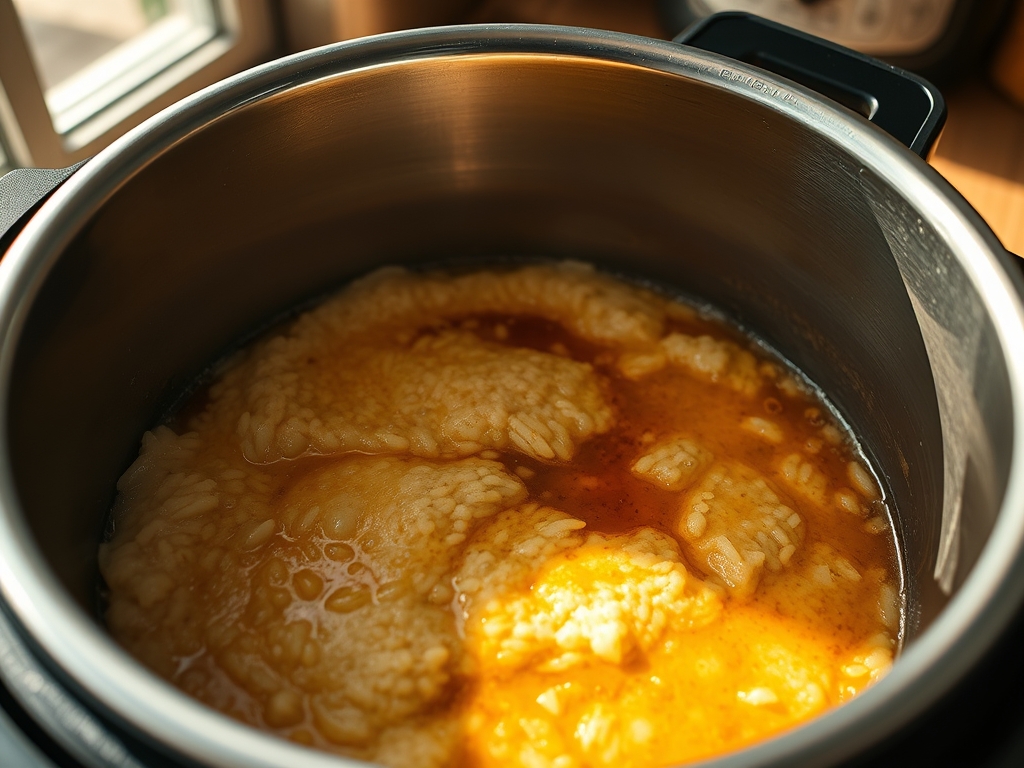
Set your Instant Pot to the Sauté function on high heat. Add half of your butter and the minced onions. Use a silicone spatula or a wooden flat-edge tool to sweat the onions until translucent. Do not allow them to brown. Add the garlic in the final 30 seconds to infuse the fat without scorching the delicate sugars.
Pro Tip: Use a digital scale to measure your aromatics. Consistency in the "allium-to-fat" ratio ensures that the base of your flavor profile is balanced rather than overpowering.
Step 2: Toasting the Architecture
Add the dry rice to the pot. Stir constantly for 2 to 3 minutes until the edges of the grains become translucent while the centers remain white. This is the "tostatura" phase. You are essentially creating a thermal shell that prevents the rice from disintegrating under high pressure.
Pro Tip: Listen for a "glassy" clicking sound as the rice hits the metal insert. This indicates the moisture has evaporated from the surface, allowing for a proper Maillard reaction on the grain exterior.
Step 3: Deglaze and Detach
Pour in the white wine. Use your spatula to deglaze the bottom of the pot, scraping up any fond (browned bits). This prevents the "Burn" notice and incorporates deep, acidic notes into the rice. Stir until the liquid is almost entirely absorbed.
Pro Tip: Professional chefs use a saucier for stovetop work, but in a pressure cooker, your "deglazing" tool must be sturdy enough to reach the corner radius of the stainless steel insert to ensure no starch is trapped and scorched.
Step 4: The Pressure Phase
Pour in the stock all at once. Ensure the rice is fully submerged. Close the lid and set the valve to "Sealing." Program the manual high-pressure setting for 5 minutes. While the machine builds pressure, prepare your finishing fats and cheese.
Pro Tip: Use a kitchen timer as a secondary backup. The moment the timer hits zero, you must perform a "Quick Release" to stop the cooking process immediately and prevent the rice from becoming over-hydrated.
Step 5: The Mantecatura
Once the pressure is released, open the lid. The mixture may look slightly soupy; this is intentional. Add the remaining butter and the Parmigiano-Reggiano. Stir vigorously for 60 seconds to aerate the mixture and emulsify the fats with the released starches.
Pro Tip: This vigorous stirring is the "Mantecatura." It creates a mechanical emulsion that mimics the labor-intensive stovetop method, resulting in a sauce that is thick, glossy, and perfectly suspended.
Section B: Prep & Timing Fault-Lines:
The most common human error is the "delayed release." If you allow the pot to naturally depressurize, the residual heat will continue to cook the rice, turning your al dente masterpiece into a porridge. Timing is binary; it is either right or it is ruined. Another fault-line is the temperature of the stock. While the Instant Pot is forgiving, using ice-cold stock increases the time it takes to reach pressure, which can lead to uneven grain hydration. Aim for room temperature or warm liquids to keep the thermal curve consistent.
THE VISUAL SPECTRUM
Section C: Thermal & Visual Troubleshooting:
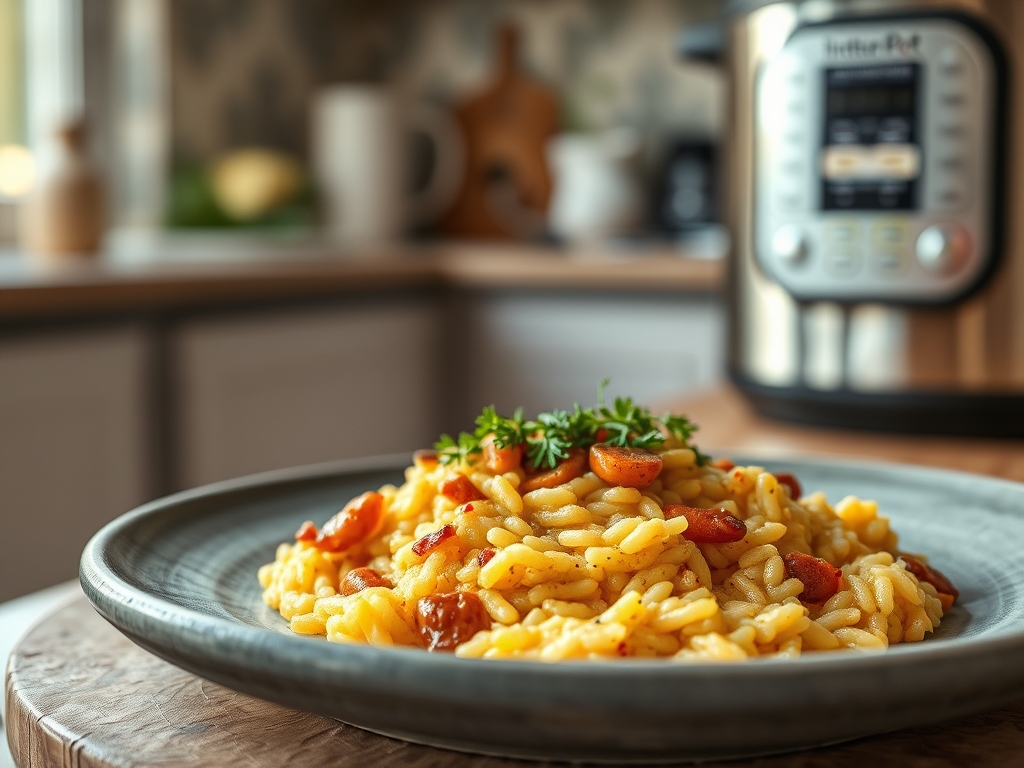
Look at the Masterclass photo above. Notice the "all'onda" effect; the rice should flow like a slow-moving wave when the plate is tilted. If your risotto stands up in a stiff mound, it is too dry. Fix this by folding in 2 tablespoons of warm stock or cream at the very end. If the color is dull or grey, you likely skipped the toasting phase or used a low-quality, oxidized stock. To achieve that vibrant, golden hue, ensure your toasting is thorough and consider a pinch of saffron or high-quality turmeric for a visual pop. If you see uneven browning, your sauté heat was too high; next time, regulate the "Sauté" setting to "Normal" rather than "High" to ensure a uniform golden finish.
THE DEEP DIVE
Macro Nutrition Profile:
A standard serving of this Instant Pot Risotto contains approximately 380 calories. The breakdown is roughly 55g of carbohydrates, 12g of fat, and 8g of protein. While high in starch, the glycemic index can be slightly tempered by the addition of high-fiber vegetables like asparagus or peas during the final stirring phase.
Dietary Swaps:
- Vegan: Replace butter with a high-quality olive oil or vegan buttery spread. Substitute the parmesan with nutritional yeast or a cashew-based miso paste to maintain the umami depth.
- Keto: Risotto is inherently high-carb. For a keto-friendly "infrastructure," swap rice for riced cauliflower, but skip the pressure cooking phase entirely; simply sauté and reduce the liquid in an open pot.
- GF: Arborio rice is naturally gluten-free. Ensure your stock is certified GF to avoid cross-contamination.
Meal Prep & Reheating Science:
Risotto is notorious for "locking up" in the fridge as the starches retrograde and solidify. To reheat, do not use a microwave alone. Place the risotto in a small pan with a splash of water or milk. Heat gently while stirring to break the molecular bonds of the cold starch and restore the emulsion.
THE KITCHEN TABLE
Why is my risotto crunchy after 5 minutes?
Your pressure cooker may not have reached full pressure quickly enough. Add 1/4 cup of warm broth, stir, and use the "Sauté" function for 2 minutes while stirring constantly to finish the softening process manually.
Can I use brown rice for this?
No. Brown rice has the bran layer intact, which prevents the release of amylopectin starch. It requires significantly more liquid and a much longer cook time, resulting in a completely different texture that lacks the signature creaminess.
Is the wine absolutely necessary?
The acidity in the wine cuts through the heavy starch and fat, providing a necessary flavor balance. If you must skip alcohol, use a tablespoon of white wine vinegar or lemon juice diluted in the stock to provide that piquant lift.
How do I prevent the "Burn" notice?
The "Burn" notice is triggered by starch sticking to the bottom. Ensure you deglaze thoroughly with the wine and use a flat-edged spatula to scrape every millimeter of the pot floor before sealing the lid for pressure cooking.