The kitchen is a high stakes laboratory where the difference between a rubbery failure and a silken masterpiece is measured in seconds. You are not just cooking; you are managing a thermal transition of proteins from a liquid state to a delicate solid matrix. The 10 Min Veggie Omelet is the ultimate stress test for your culinary infrastructure. Imagine the sizzle as cold, crisp peppers hit a shimmering layer of fat, followed by the golden rush of aerated eggs hitting the pan. The aroma is immediate; it is a piquant blend of earthy mushrooms and sharp shallots undergoing rapid caramelization. Most home cooks fail because they treat the morning routine like a hobby when it should be treated like a precision engineering project. We are looking for rapid albumin setting and a structural integrity that holds up to a fork without weeping moisture. If your morning feels like a slow motion train wreck, it is time to optimize your workflow and embrace the high speed efficiency of the perfect omelet.
THE DATA MATRIX
| Metric | Specification |
|---|---|
| Prep Time | 4 Minutes |
| Execution Time | 6 Minutes |
| Yield | 1 Serving |
| Complexity (1-10) | 4 |
| Estimated Cost per Serving | $2.15 |
THE GATHERS
Ingredient Protocol:
- 3 Large Eggs (approx. 150ml)
- 50g / 1/2 cup Baby Spinach, chiffonade
- 40g / 1/4 cup Bell Peppers, finely diced
- 30g / 1/4 cup Button Mushrooms, thinly sliced
- 15ml / 1 tbsp Heavy Cream or Whole Milk
- 14g / 1 tbsp Unsalted Butter (high fat content preferred)
- 20g / 2 tbsp Gruyere or Sharp Cheddar, microplaned
- 1g / 1/4 tsp Kosher Salt
- 0.5g / 1/8 tsp Cracked Black Pepper
Section A: Ingredient Quality Audit:
The primary failure point in egg cookery is moisture mismanagement. If your vegetables are limp, they will release excess water during the sear, turning your omelet into a soggy mess. To fix this, ensure your vegetables are room temperature before they hit the pan. If using mushrooms that look a bit shriveled, do not wash them; instead, use a dry brush to remove debris. Water is the enemy of the Maillard reaction. If your eggs lack a vibrant yellow hue, your lipid to protein ratio might be off. Adding a single extra yolk can stabilize the emulsion and provide a richer, more viscous mouthfeel. Always use a digital scale for your inclusions to ensure the weight of the vegetables does not exceed the structural capacity of the egg proteins.
THE MASTERCLASS
1. Thermal Priming and Mise en Place
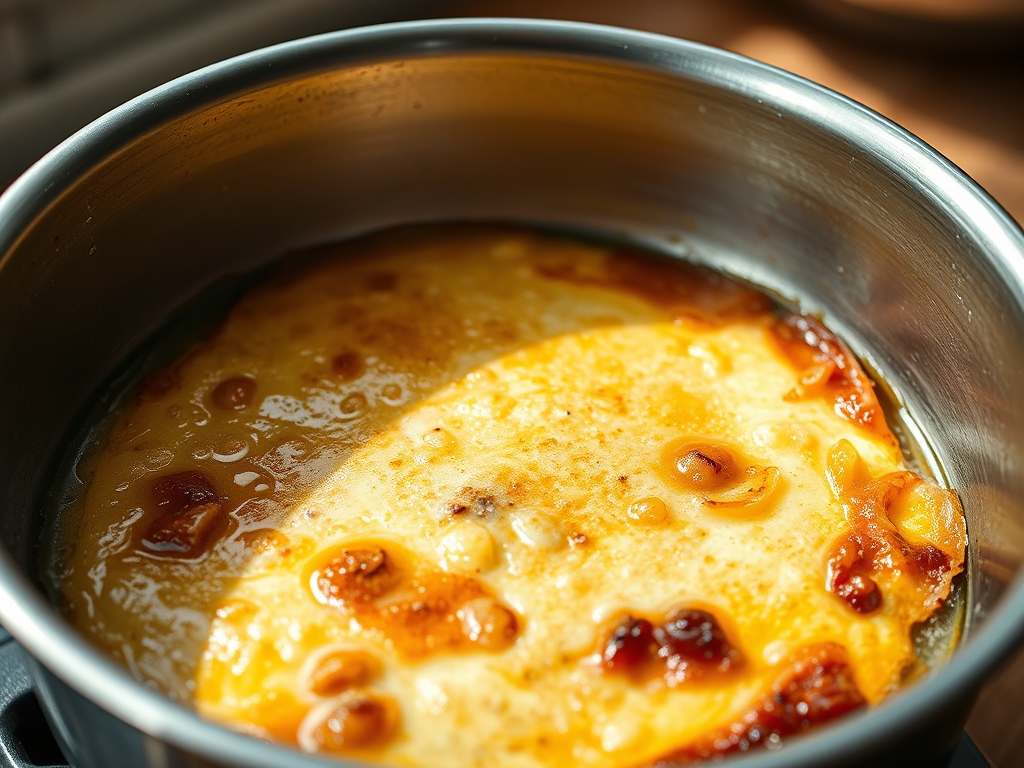
Before a single egg is cracked, your station must be cleared. Use a bench scraper to organize your diced peppers and mushrooms into neat piles. Place your non stick pan over medium high heat. We are looking for a specific thermal window where the butter foams but does not brown.
Pro Tip: This phase is about heat capacity. A heavy bottomed pan or a dedicated saucier ensures even heat distribution, preventing hot spots that cause localized overcooking of the albumin.
2. The Aeration Sequence
Crack your eggs into a stainless steel bowl. Add the cream, salt, and pepper. Use a whisk or a fork to vigorously aerate the mixture until no streaks of white remain. You are looking for a homogenous liquid that incorporates micro bubbles for a lighter lift.
Pro Tip: Salt acts as a protein denaturant. By salting the eggs two minutes before they hit the pan, you weaken the protein bonds, resulting in a more tender curd that is less likely to become "rubbery" under high heat.
3. Vegetable Rendering
Drop the butter into the pan. Once the foaming subsides, toss in the peppers and mushrooms. You want to render out the moisture and infuse the butter with the aromatics. Sauté for exactly 120 seconds until the edges show the first signs of golden pigmentation.
Pro Tip: Use a high heat silicone spatula to move the vegetables constantly. This ensures that the water vapor escapes rapidly rather than steaming the vegetables in their own juices.
4. The Albumin Deployment
Pour the egg mixture directly over the vegetables. Immediately begin moving the pan in a circular motion while using your spatula to pull the cooked edges toward the center. This creates small, tender curds and allows the raw egg to contact the hot surface.
Pro Tip: This technique, borrowed from French culinary tradition, maximizes surface area contact. By creating "curds" early, you ensure the 10 Min Veggie Omelet has volume and height rather than being a flat, dense disc.
5. The Fold and Finish
When the top looks slightly wet but the bottom is set, sprinkle the microplaned cheese over one half. Add the spinach last to prevent it from overcooking. Fold the omelet over itself and slide it onto a warm plate.
Pro Tip: Residual heat is your best friend. The internal temperature will continue to rise by 5 to 10 degrees after it leaves the pan. Pulling the omelet when it looks "90 percent done" ensures a moist, silken interior.
Section B: Prep & Timing Fault-Lines:
The most common human error is "The Panic Flip." If you try to fold the omelet before the base has achieved structural integrity, the membrane will rupture. Use a digital scale to ensure your vegetable to egg ratio is exactly 1:2 by weight. If you have too many vegetables, the egg matrix cannot bridge the gaps, leading to a scramble rather than an omelet. Furthermore, if your pan is too cold, the eggs will stick; if it is too hot, they will blister and turn brown before the interior sets. Aim for a surface temperature of 325 degrees Fahrenheit.
THE VISUAL SPECTRUM
Section C: Thermal & Visual Troubleshooting:
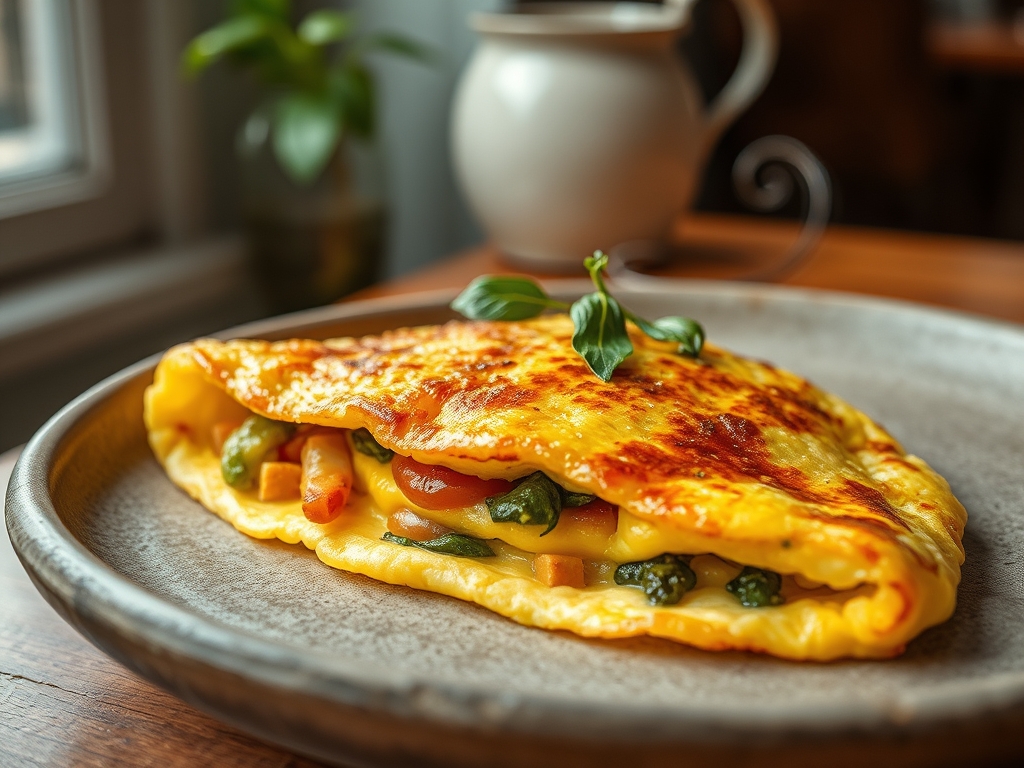
Referencing the Masterclass photo, notice the lack of brown spots on the exterior. This indicates a controlled thermal environment. If your omelet looks "pockmarked" or brown, your heat was too high or your fat was insufficient. If the colors of the peppers look dull, you likely overcooked them before adding the eggs. The spinach should remain a vibrant, electric green; if it looks dark and slimy, it was introduced too early in the cycle. A perfect 10 Min Veggie Omelet should have a matte finish on the outside with a slight "weeping" of melted cheese at the seam. If you see liquid egg leaking out, the setting time was insufficient; return the plate to a warm oven for sixty seconds to finish the transition.
THE DEEP DIVE
Macro Nutrition Profile:
A standard execution provides approximately 280 calories, 22g of protein, 18g of fat, and 5g of carbohydrates. It is a high density fuel source designed for cognitive clarity and sustained energy.
Dietary Swaps:
For a Vegan variant, utilize a mung bean based egg substitute and nutritional yeast for the umami kick. For Keto enthusiasts, double the butter and swap the peppers for high fat avocado slices added at the very end. This recipe is naturally Gluten Free, provided your workspace is clear of cross contaminants.
Meal Prep & Reheating Science:
Eggs are notoriously difficult to reheat because the proteins continue to tighten, squeezing out water (syneresis). To maintain molecular structure, reheat in a microwave at 50 percent power with a damp paper towel draped over the top to create a steam chamber. This prevents the "leathery" texture associated with overexposed proteins.
THE KITCHEN TABLE
Why does my omelet always turn into a scramble?
This usually occurs due to an overloaded pan or premature agitation. Ensure your vegetable to egg ratio is balanced and allow the base to set for at least 30 seconds before moving the curds toward the center.
Can I use frozen vegetables for this?
Yes, but you must deglaze the pan after sautéing them to remove excess moisture. Frozen vegetables harbor ice crystals that will compromise the albumin's ability to form a cohesive bond, resulting in a watery finish.
What is the best pan for a 10 Min Veggie Omelet?
An 8 inch carbon steel or high quality non stick pan is the industry standard. The sloped sides allow for a seamless "roll" onto the plate, maintaining the structural integrity of the delicate egg fold.
Does the type of salt matter?
Absolutely. Kosher salt or sea salt flakes provide a controlled salinity. Table salt is too fine and often contains anti caking agents that can slightly alter the chemical behavior of the egg proteins during the whisking phase.