Listen to the sound of a high-performance kitchen at full throttle. It is the rhythmic percussion of a carbon steel wok meeting a high-output burner; the sound of moisture rapidly evaporating into a cloud of ginger-scented steam. When you commit to a 15 Min Pork Stir Fry, you are not just cooking dinner; you are managing a high-velocity thermal event. The goal is simple: achieve the perfect Maillard reaction on the protein while maintaining the structural integrity of the aromatics. We are looking for that specific, viscous glaze that clings to the meat without pooling at the bottom of the bowl. This is about efficiency without compromise. We use lean lipids and intense heat cycles to transform raw muscle fiber into a piquant masterpiece in less time than it takes to scroll through a delivery app. If your kitchen feels like a laboratory for flavor, you are doing it right. Strap in, calibrate your sensors, and prepare to execute a dish that redefines the speed of quality.
THE DATA MATRIX
| Metric | Specification |
|---|---|
| Prep Time | 7 Minutes |
| Execution Time | 8 Minutes |
| Total Cycle Time | 15 Minutes |
| Yield | 2 Standard Servings |
| Complexity | 3 / 10 |
| Estimated Cost per Serving | $3.50 – $4.50 USD |
THE GATHERS
Ingredient Protocol:
- Protein: 450g / 1 lb Pork Tenderloin, sliced into 3mm strips.
- Aromatics: 30g / 2 tbsp Fresh Ginger, julienned; 3 cloves Garlic, minced.
- Vegetable Base: 200g / 2 cups Snap Peas or Broccoli Florets.
- Liquid Catalyst: 45ml / 3 tbsp Soy Sauce; 15ml / 1 tbsp Rice Vinegar.
- Lipid Phase: 30ml / 2 tbsp Grapeseed or Peanut Oil (High Smoke Point).
- Sweetener: 15ml / 1 tbsp Honey or Brown Sugar.
- Thickener: 5g / 1 tsp Cornstarch dissolved in 15ml water.
Section A: Ingredient Quality Audit:
If your pork appears grey or releases excessive moisture upon contact with the pan, your meat-to-surface ratio is off or the protein was previously frozen and improperly thawed. To fix this, pat the pork dry with paper towels to remove surface moisture before it hits the oil. If your ginger is fibrous and woody, use a microplane to aerate the root into a paste rather than slicing it. This ensures the flavor infuses the oil without leaving behind unpleasant textures. For dull, limp vegetables, a 30-second shock in ice water before stir-frying will lock in the chlorophyll and maintain that snap.
THE MASTERCLASS
1. Thermal Priming and Lipid Distribution
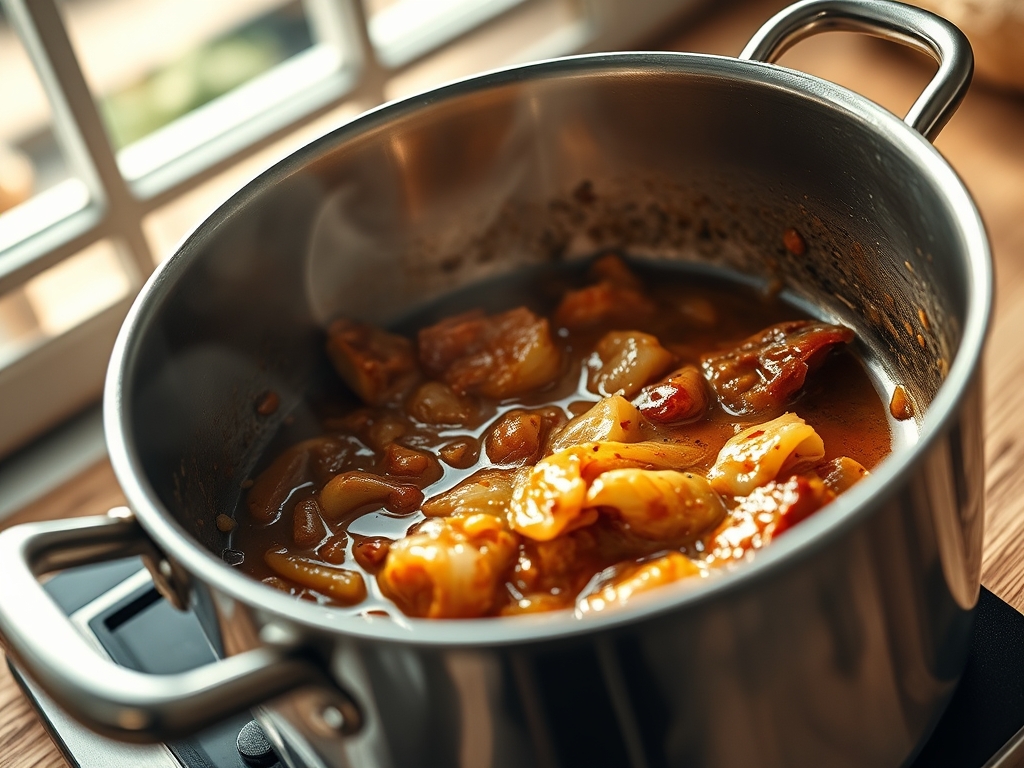
Place your wok or heavy-bottomed stainless steel skillet over high heat. Add the high-smoke-point oil and swirl to coat the entire surface. You are waiting for the oil to shimmer and just begin to reach its smoke point.
Pro Tip: Use an infrared thermometer to ensure the surface temperature exceeds 200C (400F). A saucier or wok with high sides allows for better heat retention and prevents oil splatter during the rapid movement of ingredients.
2. The Protein Sear Phase
Add the sliced pork in a single layer. Do not crowd the pan. Let it sit undisturbed for 60 seconds to develop a deep brown crust. This is the render phase where fat meets high heat to create flavor compounds.
Pro Tip: Use a bench scraper to quickly move prepped ingredients from your cutting board to the pan. Keeping the pork in thin, uniform slices ensures it cooks through in under three minutes, preventing the meat from becoming tough.
3. Aromatic Infusion
Push the pork to the perimeter of the pan and drop the ginger and garlic into the center. Stir-fry for 30 seconds until the scent becomes piquant and fragrant. Do not let the garlic turn dark brown, or it will become bitter.
Pro Tip: If using a digital scale to measure your aromatics, you ensure consistency across every batch. Precision in ginger-to-garlic ratios is the difference between a balanced dish and an overwhelming one.
4. Vegetable Integration and Deglaze
Toss in the green vegetables. Pour in the soy sauce and rice vinegar. The liquid will immediately steam, which helps cook the vegetables while it works to deglaze the flavorful browned bits (fond) from the bottom of the pan.
Pro Tip: This is a high-moisture phase. Use a wide metal spatula to constantly toss the ingredients. The goal is to coat every surface in the liquid while the vegetables retain their crunch.
5. Emulsification and Final Glaze
Pour in the cornstarch slurry and honey. Stir rapidly as the liquid transforms from a thin juice into a viscous, glossy glaze that clings to the pork. Remove from heat immediately once the sauce thickens.
Pro Tip: The residual heat of the pan will continue to thicken the sauce even after the burner is off. If the sauce becomes too thick, add a teaspoon of water to reach the desired consistency.
Section B: Prep & Timing Fault-Lines:
The most common failure in a 15 Min Pork Stir Fry is "The Crowd Effect." If you add too much meat at once, the pan temperature drops, and the pork boils in its own juices rather than searing. If this happens, remove the meat, drain the liquid, wipe the pan, and start the heat cycle over. Another fault-line is the "Aromatic Burn." If your heat is too high when adding garlic, it will scorch. Pull the pan off the burner for ten seconds before adding aromatics to modulate the temperature.
THE VISUAL SPECTRUM
Section C: Thermal & Visual Troubleshooting:
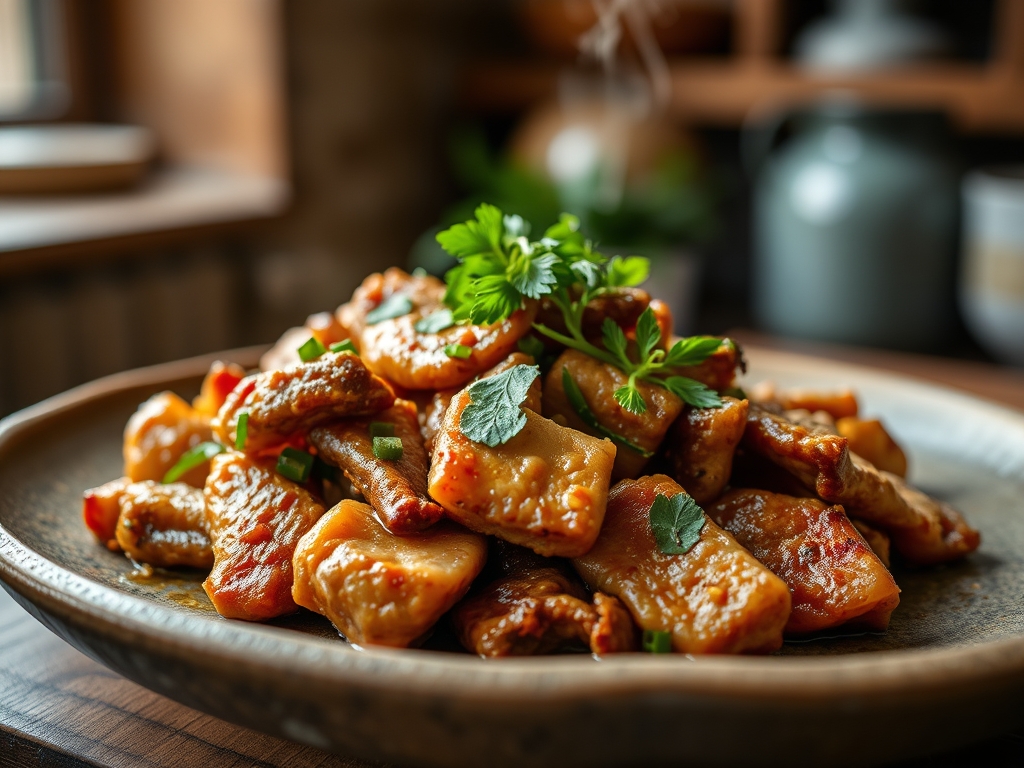
Look at the reference photo above. Note the high-gloss sheen on the pork; this indicates a successful emulsification of the sugars and starches. If your dish looks matte or dry, you lacked enough liquid catalyst or sugar. The vegetables should be a vibrant, "electric" green. If they appear olive-drab, you have overcooked them, destroying the cellular structure. Uneven browning on the pork suggests the meat was not sliced at a uniform thickness or the pan was not hot enough before the protein was introduced. Aim for that specific mahogany hue on the edges of the pork strips to signify a completed Maillard cycle.
THE DEEP DIVE
Macro Nutrition Profile:
A standard serving of this 15 Min Pork Stir Fry yields approximately 350 calories. You are looking at 35g of protein, 12g of healthy lipids (depending on your oil choice), and 15g of carbohydrates. It is a high-octane, low-filler fuel source.
Dietary Swaps:
- Vegan: Swap the pork for extra-firm pressed tofu or seitan strips. Use agave instead of honey.
- Keto: Eliminate the honey and cornstarch. Use xanthan gum (a tiny pinch) to thicken and monk fruit sweetener for the piquant balance.
- GF: Ensure your soy sauce is replaced with Tamari or liquid aminos to keep the profile gluten-free.
Meal Prep & Reheating Science:
To maintain the molecular structure during reheating, avoid the microwave if possible. A quick flash-fry in a hot skillet for 2 minutes will revive the glaze. If you must use a microwave, add a teaspoon of water and cover the dish to create a steam chamber, preventing the pork from becoming rubbery.
THE KITCHEN TABLE
How do I get the pork so thin?
Place the pork tenderloin in the freezer for 20 minutes before slicing. This firms up the muscle fibers, allowing your knife to glide through for paper-thin, professional-grade strips that cook in seconds.
Can I use pork chops instead?
Yes, but ensure they are boneless. Trim the fat cap to prevent excessive smoke and slice against the grain. The tenderloin is preferred for its lean profile and rapid cooking speed in high-heat cycles.
Why is my sauce watery?
The cornstarch slurry must reach a simmer to activate its thickening properties. If it is watery, increase the heat for 30 seconds. Also, ensure you whisk the slurry immediately before adding it to the pan.
My ginger tastes too strong, what happened?
You likely used older ginger with a higher concentration of gingerol. To mellow the flavor, sauté the ginger for an extra 30 seconds in the oil before adding other ingredients to soften its aggressive bite.