Listen up. Most people treat the construction of a handheld meal like a chaotic game of Tetris played by a toddler. They slap cold protein onto dry starch and wonder why the experience feels like chewing through a damp sponge. We are here to perform a total structural overhaul. The Quick Turkey Sandwich is not a fallback for the uninspired; it is a high-speed exercise in laminar flow and textural contrast. When you execute this properly, you are managing a complex system of moisture barriers and friction coefficients. We want the snap of fresh greens to collide with the viscous luxury of a perfect emulsion. We want the turkey to provide a clean, savory base that carries the piquant punch of a well-balanced condiment. This is about more than just beating hunger. This is about optimizing your caloric intake through superior engineering. Forget everything you know about the "deli counter" aesthetic. We are building a high-efficiency delivery vehicle for flavor that respects your time and your palate.
THE DATA MATRIX
| Metric | Specification |
|---|---|
| Prep Time | 6 Minutes |
| Execution Time | 4 Minutes |
| Yield | 1 Serving |
| Complexity (1-10) | 2 |
| Estimated Cost per Serving | $3.75 USD |
THE GATHERS
Ingredient Protocol:
- 115g / 4oz Premium Smoked Turkey Breast (Thinly Shaved)
- 2 Slices / 60g Sourdough or Multigrain Bread
- 15ml / 1 tbsp Salted Butter (Room Temperature)
- 20ml / 1.3 tbsp Garlic Aioli or High-Fat Mayonnaise
- 5ml / 1 tsp Dijon Mustard
- 30g / 1 oz Sharp Cheddar or Havarti
- 40g / 1.4 oz Hydroponic Bibb Lettuce
- 30g / 1 oz Heirloom Tomato (Sliced 5mm thick)
- 2g / 0.5 tsp Flaky Sea Salt and Cracked Black Pepper
Section A: Ingredient Quality Audit:
If your turkey feels slimy, it has likely undergone protein syneresis, where water leaks from the cellular structure. Pat it dry with a lint-free towel before assembly to prevent "sandwich slip." If your bread is overly porous, it will act like a desiccated sponge and pull moisture from the vegetables, leading to structural collapse. The fix is a "fat barrier." Always apply a thin, edge-to-edge layer of lipids (butter or mayo) to the bread to seal the surface. If your tomatoes are mealy, they lack the necessary pectin integrity. Slice them and let them sit on a paper towel for two minutes to remove excess surface moisture before seasoning.
THE MASTERCLASS
1. Thermal Priming of the Starch
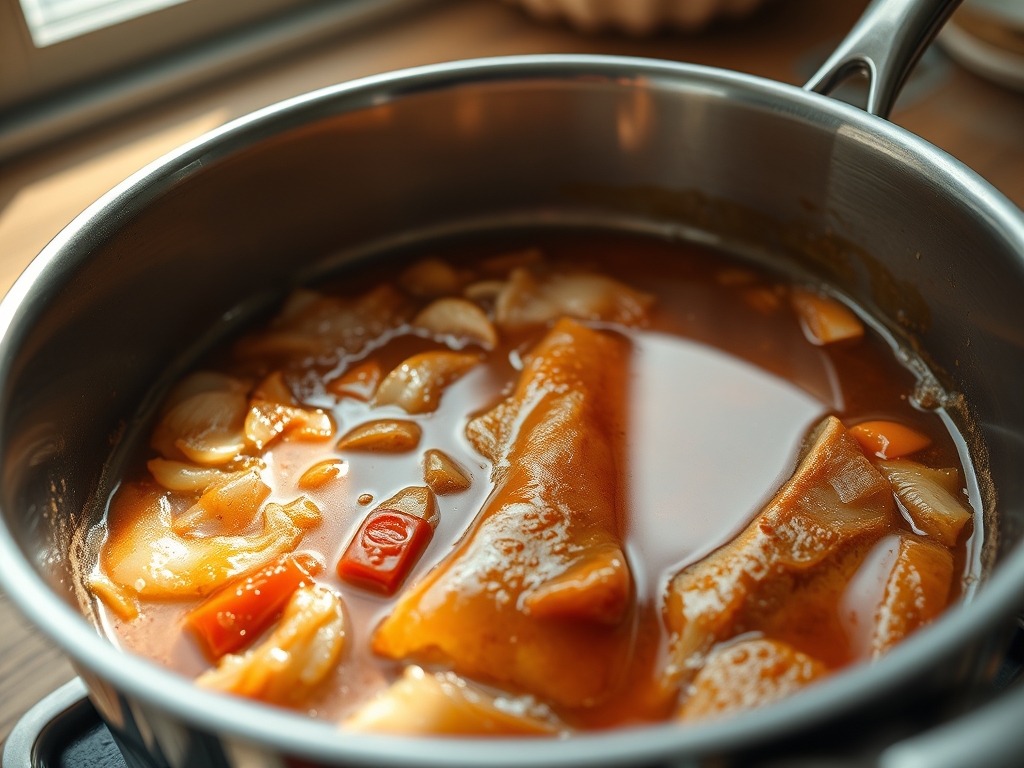
Place your bread slices in a toaster or under a broiler until you achieve a golden Maillard reaction. You are looking for a specific structural rigidity that can support the internal payload without sagging.
Pro Tip: Use a digital scale to ensure your bread slices are of equal mass. This ensures a uniform "crunch-to-chew" ratio. Toasting creates a toasted crust that acts as a reinforced exoskeleton for the softer interior ingredients.
2. The Lipid Seal and Emulsion Layer
Apply the room-temperature butter to one side of each slice. Follow this with a layer of aioli. This creates a hydrophobic barrier that prevents the vegetable juices from migrating into the bread fibers.
Pro Tip: Use a bench scraper or an offset spatula to achieve a perfectly level distribution of the fats. This ensures that every bite has the same viscous mouthfeel and prevents dry pockets that disrupt the flavor profile.
3. Precision Protein Volumization
Do not lay the turkey flat. Instead, "ribbon" the meat by folding each slice onto itself. This creates air pockets between the layers, which increases the surface area for your taste buds to interact with the smoke and salt.
Pro Tip: Use a saucier whisk to whip your mustard and aioli together if you prefer a unified sauce. Folding the turkey increases the "loft" of the sandwich, making it feel more substantial without adding excessive mass.
4. Botanical Integration and Seasoning
Layer the cheese directly against the turkey to allow residual heat to soften the fats. Place the lettuce and then the tomato on top. Season the tomato directly with salt and pepper to draw out its piquant acidity.
Pro Tip: Use an infrared thermometer to ensure your turkey is at least 15 degrees Celsius (60 degrees Fahrenheit) before assembly. Cold meat can mute the delicate flavors of the fats and seasonings.
Section B: Prep & Timing Fault-Lines:
The biggest failure in a Quick Turkey Sandwich is the "Soggy Bottom Syndrome." This occurs when there is too much time between assembly and consumption. If you are prepping this for later, keep the tomatoes and lettuce in a separate container. Temperature control is also vital. If you toast the bread but wait ten minutes to assemble, the steam trapped inside the bread will turn the crust leathery. Work fast. The transition from the toaster to the final cut should happen in under 120 seconds to maintain the ideal thermal gradient.
THE VISUAL SPECTRUM
Section C: Thermal & Visual Troubleshooting:
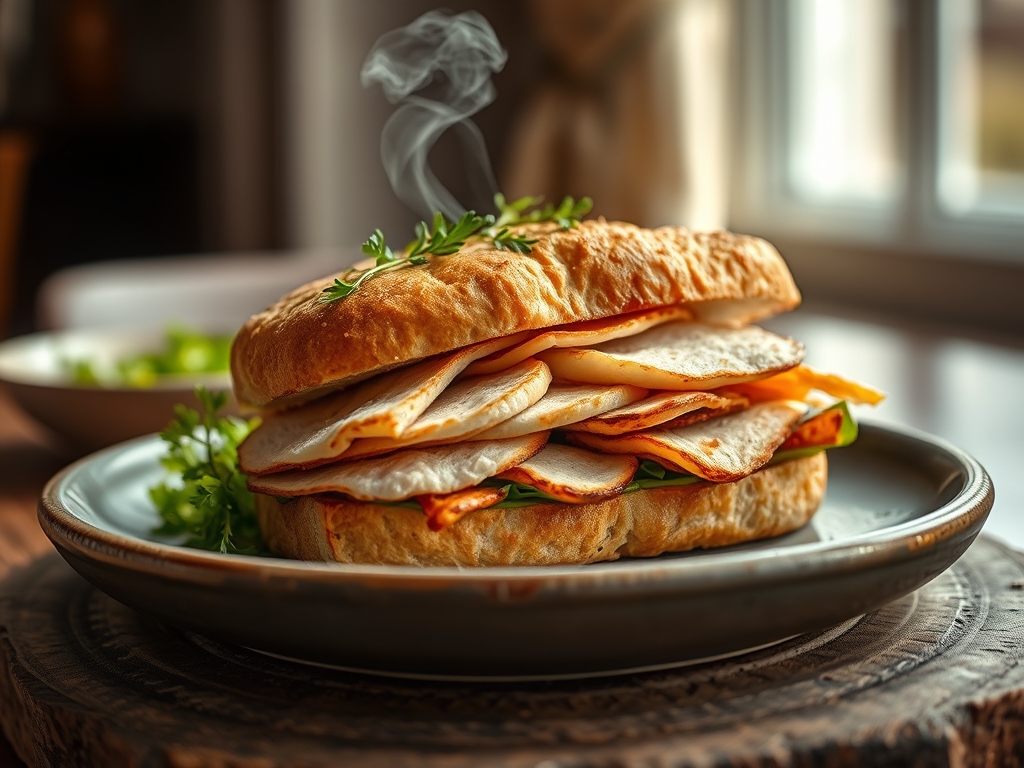
Look at the reference photo. Note the distinct layering. If your sandwich looks "squashed," you have applied too much downward pressure during the final cut. Use a serrated knife and a "sawing" motion rather than a "crushing" motion. If the cheese is not glistening, it is too cold; a five-second pass with a kitchen torch can fix the visual appeal and improve the texture. If the lettuce looks wilted, it has reacted to the salt on the tomatoes for too long. The visual cue for a perfect Quick Turkey Sandwich is the "vertical stack" integrity. Each layer should be visible from the side, indicating that the ingredients have not bled into one another.
THE DEEP DIVE
Macro Nutrition Profile:
A standard build using the protocol above yields approximately 450 calories. You are looking at 28g of Protein, 32g of Carbohydrates, and 22g of Fats. The high protein-to-carb ratio makes this an excellent mid-day fuel source that avoids the "insulin spike" associated with lower-quality deli options.
Dietary Swaps:
- Vegan: Replace turkey with smoked marinated tempeh and use a chickpea-based aquafaba mayo.
- Keto: Eliminate the bread in favor of large collard green wraps or "chaffles" (cheese and egg waffles).
- GF: Use a high-density gluten-free loaf; these often require double-toasting to achieve the necessary structural strength.
Meal Prep & Reheating Science:
To maintain molecular structure when prepping in advance, utilize the "dry-stack" method. Place the wettest ingredients (tomatoes) in the center of the protein pile, shielded by the cheese and turkey. Never reheat a fully assembled sandwich in a microwave. The electromagnetic waves will turn the bread into rubber. Use an air fryer at 175C / 350F for 3 minutes to infuse heat while maintaining the crispness of the exterior.
THE KITCHEN TABLE
Why does my sandwich always fall apart?
You lack a structural binder. Ensure your greens are tucked under the "grip" of the top bread slice and use a toothpick for stabilization. The friction between the folded turkey layers also helps prevent sliding.
Can I use turkey deli meat from a package?
Yes, but you must aerate it. Peeling the slices apart and folding them individually prevents the meat from acting like a single, dense block of salt. This improves the overall texture and flavor perception.
What is the best bread for a Quick Turkey Sandwich?
Sourdough is the gold standard. Its tight crumb and natural acidity provide a sturdy base that can withstand moisture while adding a complex fermented note that cuts through the richness of the aioli.
How do I make the sandwich taste "fancy" in 30 seconds?
Add a drop of truffle oil to your mayo or a sprinkle of smoked paprika over the turkey. These high-impact aromatics trick the brain into perceiving a much more complex culinary execution than what actually occurred.