Imagine the sound of a jet engine igniting in your kitchen. That is the violent, beautiful roar of a high carbon steel wok meeting a 30,000 BTU burner. We are not here to gently simmer or ponder the slow passage of time. We are here to master the 15 Min Beef Stir Fry; a dish that demands absolute precision, aggressive heat, and a fundamental understanding of the Maillard reaction. This is culinary engineering at its most frantic. You have exactly nine hundred seconds to transform raw, fibrous muscle and crisp cellulose into a glistening, umami-heavy masterpiece. The air should smell of toasted sesame and scorched sugars. If you are not moving with the kinetic energy of a line cook during a Friday night rush, you are doing it wrong. We are optimizing for speed without sacrificing the structural integrity of our ingredients. This audit will strip away the fluff and focus on the raw physics of the sear. Prepare your station; the clock is already ticking.
THE DATA MATRIX
| Metric | Specification |
|---|---|
| Prep Time | 8 Minutes |
| Execution Time | 7 Minutes |
| Yield | 2 Ambitious Servings |
| Complexity (1-10) | 7 (High Velocity) |
| Estimated Cost per Serving | $6.50 – $8.00 |
THE GATHERS
Ingredient Protocol:
- Protein: 450g / 1 lb Flank steak or Top Sirloin, sliced against the grain into 3mm strips.
- Aromatics: 15g / 3 cloves Garlic, minced; 10g / 1 tbsp Ginger, microplaned.
- Vegetable Base: 200g / 2 cups Broccoli florets; 1 medium Red Bell Pepper, julienned.
- Liquid Catalyst: 60ml / 1/4 cup Soy sauce; 15ml / 1 tbsp Oyster sauce.
- Sweetener/Thickener: 10g / 2 tsp Brown sugar; 5g / 1 tsp Cornstarch.
- Lipid/Finish: 30ml / 2 tbsp Grapeseed oil; 5ml / 1 tsp Toasted sesame oil.
Section A: Ingredient Quality Audit:
The primary failure point in a 15 Min Beef Stir Fry is moisture management. If your beef arrives from the grocer sitting in a pool of myoglobin, it will steam rather than sear. Technical Fix: Pat the protein bone-dry with lint-free towels before slicing. If the beef is too soft to slice thinly, place it in the freezer for ten minutes to firm the lipid structures. For vegetables, ensure they are uniform in size. If your broccoli florets are massive, the exteriors will char while the stems remain woody and inedible. Use a sharp chef knife to create high surface area to volume ratios; this ensures the heat penetrates the core in under ninety seconds.
THE MASTERCLASS
1. The Velvet Foundation
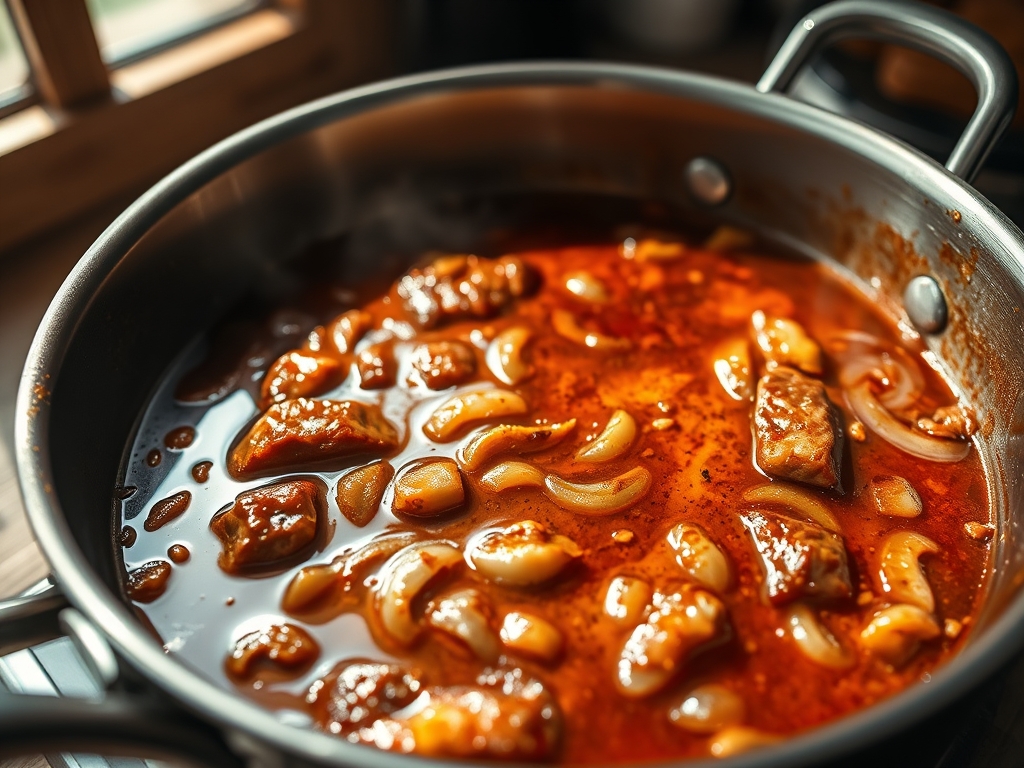
Combine the sliced beef with a teaspoon of soy sauce and the cornstarch in a small stainless steel bowl. Use your hands to massage the starch into the fibers. This process, known as velveting, creates a protective buffer that prevents the proteins from tightening into rubber bands when they hit the heat.
Pro Tip: Use a digital scale to measure your cornstarch precisely. Too much creates a gummy, viscous mess; too little results in a watery sauce that fails to cling to the protein.
2. The Thermal Peak
Place your wok or heavy-bottomed skillet over the highest possible flame. Add the grapeseed oil and wait until you see the first wisps of blue smoke. This indicates the oil has reached its flash point and is ready to facilitate rapid heat transfer.
Pro Tip: A laser infrared thermometer is your best friend here. You are looking for a surface temperature of at least 425 degrees Fahrenheit (218 Celsius) to trigger immediate browning.
3. The Maillard Blitz
Drop the beef into the pan in a single, even layer. Do not stir for the first sixty seconds. You want to render the fat and create a deep, mahogany crust. Once the first side is charred, use a bench scraper or metal spatula to toss the meat aggressively for another minute, then remove it from the pan.
Pro Tip: Removing the meat while it is still slightly rare in the center prevents overcooking during the final assembly. Residual heat will finish the job.
4. The Aromatic Infusion
Add the peppers and broccoli to the residual oil. Toss constantly. Once the colors brighten, create a well in the center and drop in your garlic and ginger. The goal is to infuse the oil with piquant aromatics without burning the delicate garlic solids.
Pro Tip: If the pan looks too dry, do not add more oil. Add a tablespoon of water; the steam will accelerate the cooking of the broccoli stems while keeping the calorie count in check.
5. The Emulsion Phase
Return the beef to the pan and pour in the pre-mixed sauce (soy, oyster sauce, sugar). The cornstarch on the beef and in the sauce will begin to gelatinize immediately. Stir vigorously to aerate the sauce and ensure every molecule of food is coated in a glossy sheen.
Pro Tip: Use a saucier whisk to pre-blend your sauce components to ensure the sugar is fully dissolved before it hits the pan. This prevents grainy textures.
Section B: Prep & Timing Fault-Lines:
The most common human error is "The Crowded Pan." If you dump 500g of cold meat into a pan at once, the temperature will plummet. The beef will release its juices, and you will effectively be boiling your steak. Technical Fix: Cook in batches. It feels slower, but the increased heat retention actually saves time by searing the meat in seconds rather than minutes. Another fault-line is the "Aromatic Burn." If you add garlic at the start, it will turn bitter and black. Always add aromatics last in the vegetable phase to preserve their volatile oils.
THE VISUAL SPECTRUM
Section C: Thermal & Visual Troubleshooting:
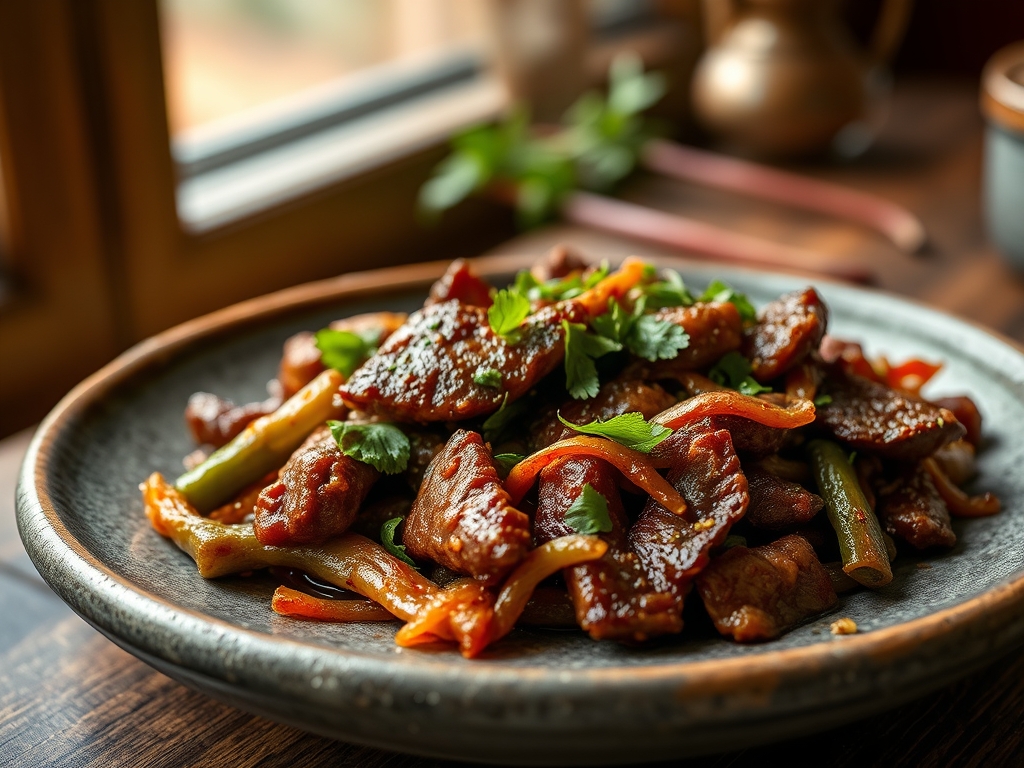
Referencing our Masterclass photo, notice the "Wok Hei" or "Breath of the Wok." The beef should have charred, jagged edges, while the broccoli remains a vibrant, electric green. If your dish looks dull or grey, your pan temperature was too low. If the sauce is "breaking" (separating into oil and liquid), you likely overheated the emulsion or didn't use enough starch to bind the fats. If the peppers look limp, they spent too much time in the thermal zone; they should retain a structural "snap" when bitten. To fix a dull appearance, deglaze the pan with a splash of rice vinegar at the very end; the acidity will brighten the colors and cut through the salt.
THE DEEP DIVE
Macro Nutrition Profile:
A standard serving of this 15 Min Beef Stir Fry provides approximately 450 calories, 35g of protein, 15g of carbohydrates, and 22g of healthy fats. It is a high-density fuel source designed for rapid recovery.
Dietary Swaps:
- Vegan: Replace beef with extra-firm pressed tofu or seitan strips. Substitute oyster sauce with a mushroom-based vegetarian stir-fry sauce.
- Keto: Eliminate the cornstarch and brown sugar. Use xanthan gum (sparingly) as a thickener and liquid monk fruit as a sweetener.
- GF: Ensure you are using Tamari or liquid aminos instead of traditional soy sauce, which contains wheat.
Meal Prep & Reheating Science:
To maintain molecular structure during reheating, avoid the microwave. The high-frequency waves vibrate water molecules too violently, turning the beef into leather. Instead, use a cold skillet with a teaspoon of water. Cover with a lid to create a steam chamber; this re-hydrates the starch-based sauce without over-searing the protein.
THE KITCHEN TABLE
Why is my beef always chewy?
You likely sliced with the grain. Always cut perpendicular to the muscle fibers. This shortens the protein strands, making the beef melt-in-your-mouth tender despite the lightning-fast cook time.
Can I use frozen vegetables?
Technically yes, but expect a loss in structural integrity. Frozen vegetables release excess water, which kills the Maillard reaction. Thaw and pat them dry thoroughly before they touch the hot oil.
What is the best oil for stir-fry?
Avoid olive oil or butter; their smoke points are too low. Stick to grapeseed, peanut, or avocado oil. These fats can withstand the 400+ degree temperatures required for a proper 15 Min Beef Stir Fry.
How do I get that restaurant-style glossy sauce?
The secret is the cornstarch slurry and a final hit of high heat. The starch must reach a specific temperature to "bloom" and create that translucent, light-reflecting coating on the beef.