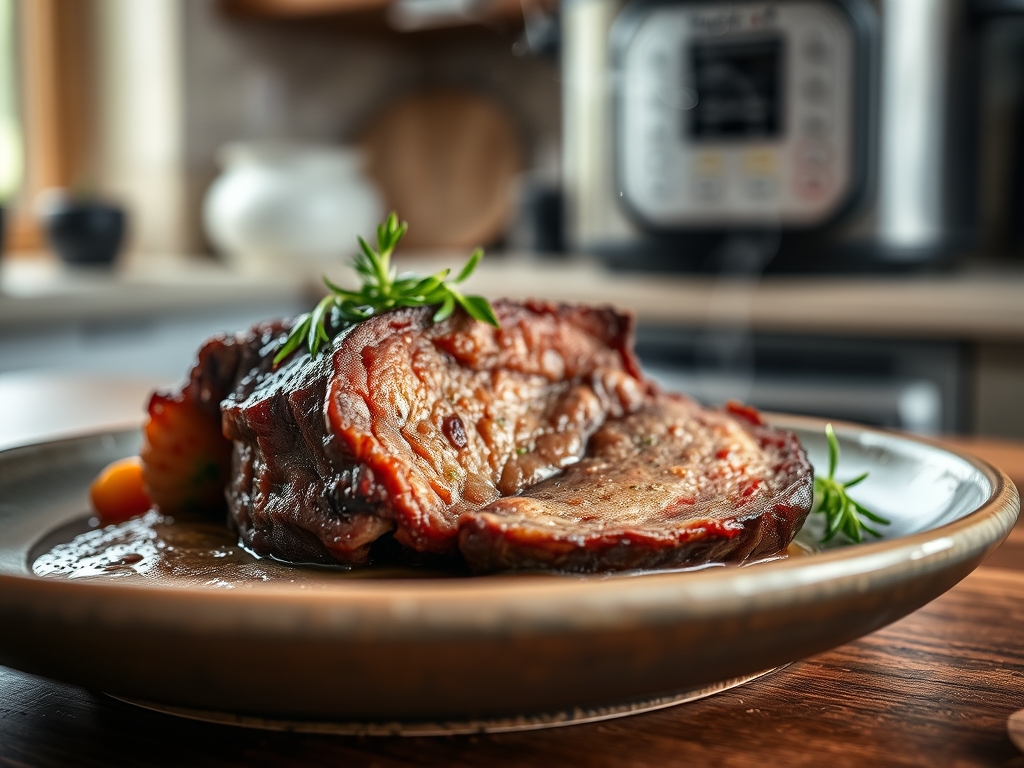
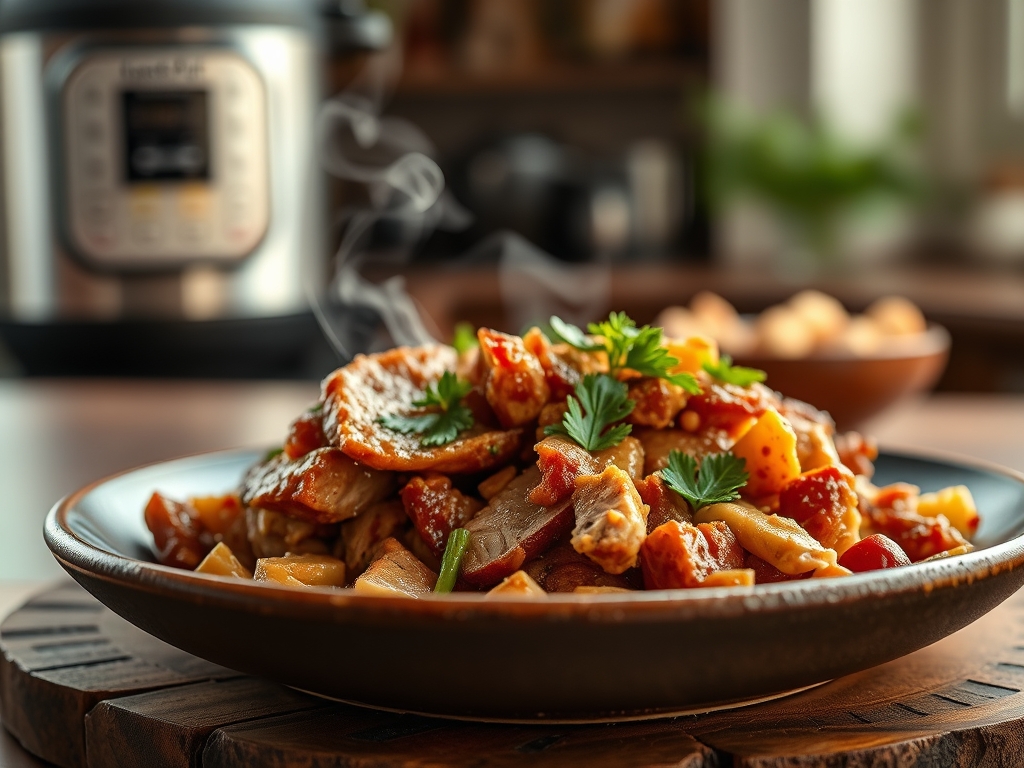
Forget the slow cooker. Forget the twelve-hour vigil over a temperamental smoker. We are here to discuss the violent, efficient, and scientifically superior method of muscle fiber degradation known as Instant Pot Pulled Pork. In the world of high-velocity culinary infrastructure, the electric pressure cooker is your primary asset. It leverages the physics of steam under pressure to force moisture into the dense connective tissues of a pork shoulder, effectively liquefying collagen in a fraction of the traditional time. We are looking for that specific structural failure where the meat yields to the slightest pressure of a fork. The aroma should be a dense cloud of capsicum, vinegar, and rendered lipids. This is not just a meal; it is a technical achievement in thermal engineering. If you are still waiting half a day for your protein to reach the shredding point, you are operating on legacy hardware. It is time to upgrade your protocol, optimize your workflow, and produce a result that is both succulent and structurally compromised in all the right ways.
THE DATA MATRIX
| Metric | Specification |
|---|---|
| Prep Time | 20 Minutes |
| Execution Time | 90 Minutes |
| Yield | 8 to 10 Servings |
| Complexity (1-10) | 3 |
| Estimated Cost per Serving | $1.75 – $2.25 |
THE GATHERS
Ingredient Protocol:
- 2.25 kg / 5 lbs Pork Butt (Shoulder), bone-in or boneless.
- 30 g / 2 tbsp Brown Sugar, packed.
- 15 g / 1 tbsp Smoked Paprika.
- 10 g / 2 tsp Garlic Powder.
- 10 g / 2 tsp Onion Powder.
- 5 g / 1 tsp Cumin.
- 15 g / 1 tbsp Kosher Salt.
- 5 g / 1 tsp Cracked Black Pepper.
- 250 ml / 1 cup Apple Cider Vinegar.
- 125 ml / 0.5 cup Water or Chicken Stock.
- 30 ml / 2 tbsp Worcestershire Sauce.
- 15 ml / 1 tbsp Liquid Smoke (optional).
Section A: Ingredient Quality Audit:
If your pork shoulder presents with excessive surface moisture, your Maillard reaction will fail. Use a lint-free paper towel to achieve total surface desiccation before seasoning. If your spices lack a piquant punch, they have likely oxidized; toast them in a dry saucier for 60 seconds to reactivate the volatile oils. For meat that appears grey rather than vibrant, ensure you are using high-quality smoked paprika rather than generic "sweet" varieties. If the fat cap is thicker than 1 cm, trim it with a sharpened boning knife to prevent a viscous grease slick in your final emulsion.
THE MASTERCLASS
1. Surface Preparation and Rub Application
Cut the pork into four large, uniform chunks. This increases the surface area for the dry rub and ensures even thermal penetration. Apply the spice blend generously, using a digital scale to ensure the salt-to-meat ratio is exactly 0.5 percent to 1 percent by weight.
Pro Tip: Massaging the rub into the meat breaks the surface tension and allows the salt to begin the process of denaturing proteins before the heat is even applied.
2. The Searing Phase
Set the Instant Pot to "Sauté" on high. Add a high-smoke-point oil and brown each side of the pork chunks until a deep mahogany crust forms. Use a bench scraper to keep the bottom of the pot clear of any burnt sugar particles during the process.
Pro Tip: This is the Maillard reaction in action. Without this step, your Instant Pot Pulled Pork will lack the complex, savory depth found in traditional barbecue.
3. Deglazing the Vessel
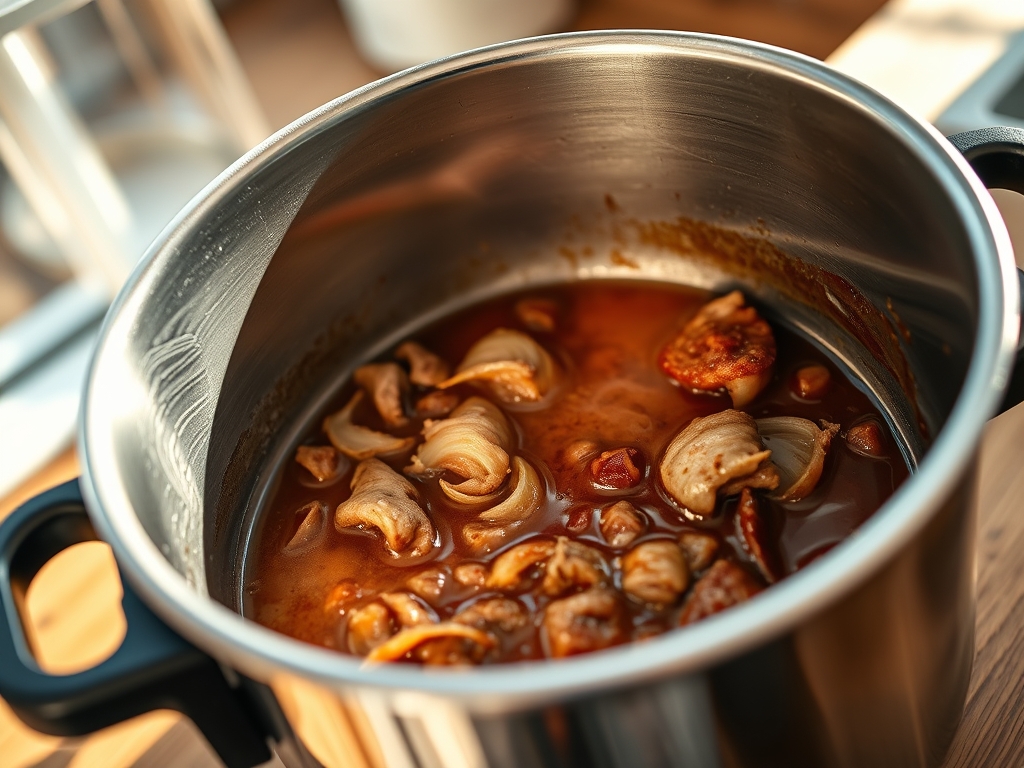
Remove the meat and pour in the apple cider vinegar and stock. Use a wooden spatula to deglaze the bottom of the pot, scraping up every brown bit (the fond). This is non-negotiable to avoid the "Burn" error code.
Pro Tip: The acidity in the vinegar acts as a chemical tenderizer, working in tandem with the pressure to dissolve tough collagen fibers.
4. Pressure Integration
Return the pork to the pot. Secure the lid and set the valve to "Sealing." Program the unit for 60 minutes of high pressure. Once the cycle completes, allow a natural pressure release for at least 20 minutes.
Pro Tip: A rapid release causes the muscle fibers to contract violently, squeezing out the internal juices. A natural release allows the proteins to relax and reabsorb the infused cooking liquid.
5. The Shred and Emulsification
Transfer the meat to a large tray. Use two forks or meat claws to shred the pork. Strain the remaining liquid in the pot through a fine-mesh sieve into a saucier. Reduce the liquid by half on the stovetop, then toss the meat back into this concentrated nectar.
Pro Tip: Reducing the liquid concentrates the gelatin released during cooking, creating a self-glazing sauce that clings to the fibers rather than pooling at the bottom.
Section B: Prep & Timing Fault-Lines:
The most common human error is the "Panic Release." Opening the steam valve immediately after the timer beeps results in dry, "woody" meat. If your pork is still resistant to shredding, it simply hasn't reached the internal temperature of 96 degrees Celsius (205 degrees Fahrenheit). Return it to pressure for another 10 minutes. Accuracy is paramount; use a digital scale for your liquids to ensure the steam-to-pressure ratio is optimized for your specific altitude.
THE VISUAL SPECTRUM
Section C: Thermal & Visual Troubleshooting:
Observe the Masterclass photo. The meat should exhibit a "varnished" appearance, indicating a successful reduction of the cooking liquor. If your pork looks dull or grey, you skipped the searing phase or failed to reduce the sauce. If the fibers are "mushy" rather than distinct, you overcooked the meat or used too much liquid, essentially boiling the protein. To fix a pale appearance, spread the shredded meat on a sheet pan and broil for 3 to 5 minutes to aerate the fat and create crispy "burnt ends" before serving.
THE DEEP DIVE
Macro Nutrition Profile:
A standard 100g serving of this protocol provides approximately 240 calories, 26g of protein, 14g of fat, and 2g of carbohydrates. The high protein density makes this an ideal recovery fuel, provided you monitor the sugar content in your dry rub.
Dietary Swaps:
- Vegan: Substitute pork with young green jackfruit or king oyster mushrooms. Reduce pressure time to 15 minutes.
- Keto: Eliminate the brown sugar from the rub; use erythritol or simply increase the smoked paprika and garlic powder.
- Gluten-Free: Ensure your Worcestershire sauce is certified GF, as some brands use barley malt vinegar.
Meal Prep & Reheating Science:
To maintain molecular structure during reheating, store the pork in its own juices. When ready to consume, reheat in a covered skillet over medium heat rather than the microwave. Microwaves vibrate water molecules too aggressively, which can lead to localized "hot spots" that toughen the delicate protein strands.
THE KITCHEN TABLE
Why is my pork tough after 60 minutes?
It is likely undercooked. Pork shoulder is counterintuitive; the longer it cooks, the softer it gets. If it is tough, the collagen hasn't fully converted to gelatin. Put it back under pressure for 15 more minutes.
Can I use a frozen pork shoulder?
Yes, but you must increase the high-pressure duration to 90 minutes. Ensure the pieces are separated so the heat can penetrate the core. Searing will be less effective due to surface moisture from ice crystals.
What is the best way to store leftovers?
Store in an airtight container with all remaining cooking liquid. The liquid will turn into a gel in the fridge. This "aspic" protects the meat from oxidation and keeps it moist during the second thermal cycle.
How do I get a smoky flavor without a smoker?
High-quality liquid smoke is your secret weapon. It is produced by condensing actual wood smoke into water. Use it sparingly to mimic the chemical profile of a traditional wood-fired pit without the 12-hour commitment.