Forget the eight hour wood fire vigil and the existential dread of a stalled brisket. We are here to talk about the brutal efficiency of pressurized steam and the architectural transformation of collagen. You want Instant Pot Ribs that do not just fall off the bone but surrender with dignity. We are weaponizing atmospheric pressure to bypass the traditional barbecue timeline; turning a four hour ordeal into a forty five minute victory lap. The air in your kitchen should currently vibrate with the scent of smoldering paprika and the sharp, piquant tang of apple cider vinegar. This is not just cooking; it is a structural audit of porcine connective tissue. We are hunting for that perfect moment where the silver skin dissolves and the intramuscular fat renders into a viscous, liquid gold. If your mouth is not watering, you lack a pulse or a palate. Grab your digital scale and clear the counter. We are about to execute a high pressure culinary heist that leaves the slow cooker era in the dust.
THE DATA MATRIX
| Metric | Specification |
|---|---|
| Prep Time | 15 Minutes |
| Execution Time | 45 Minutes |
| Yield | 4 Servings |
| Complexity (1-10) | 3 |
| Estimated Cost per Serving | $4.50 USD |
THE GATHERS
Ingredient Protocol:
- 1.4 kg / 3 lbs Baby Back Pork Ribs (Membrane removed)
- 250 ml / 1 cup Apple Cider or Water
- 60 ml / 4 tbsp Apple Cider Vinegar
- 15 g / 1 tbsp Smoked Paprika
- 20 g / 1.5 tbsp Dark Brown Sugar (Packed)
- 10 g / 2 tsp Garlic Powder
- 10 g / 2 tsp Onion Powder
- 5 g / 1 tsp Mustard Powder
- 5 g / 1 tsp Cayenne Pepper
- 10 g / 2 tsp Kosher Salt
- 5 g / 1 tsp Coarse Black Pepper
- 250 ml / 1 cup High Quality Barbecue Sauce
Section A: Ingredient Quality Audit:
If your ribs look grey or feel slimy out of the cryovac, you have a freshness breach. Pat them dry with surgical precision. If the ribs are too lean, the final product will be "stringy" rather than succulent. To fix lean cuts, increase the brown sugar in your rub to encourage a more robust exterior glaze. If your spices are more than six months old, they are essentially flavored sawdust. Toast them in a dry saucier for thirty seconds to awaken the dormant volatile oils before applying them to the meat.
THE MASTERCLASS
1. Membrane Extraction and Surface Prep
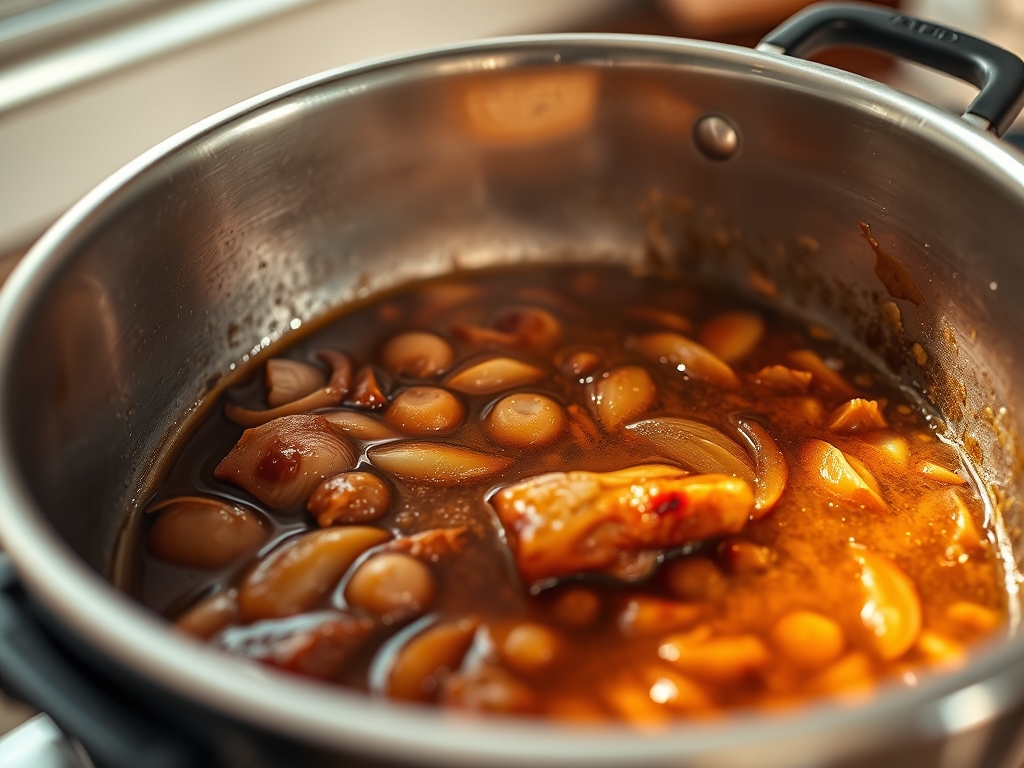
Lay the rack on a clean station and use a bench scraper to lift the corner of the silver skin (the pleura) on the bone side. Grip it with a paper towel and rip it away in one fluid motion. This membrane is an impenetrable barrier to flavor; removing it allows the dry rub to penetrate the muscle fibers directly.
Pro Tip: Use a digital scale to weigh your spice components. Volumetric measurements are for amateurs. Precision ensures the salinity levels do not fluctuate between batches, maintaining a consistent flavor profile.
2. The Dry Rub Application
Aggressively coat both sides of the ribs with your spice matrix. Do not just sprinkle; massage the spices into the grain of the meat. This creates a "cure" that begins to break down surface proteins before the heat even hits.
Pro Tip: The brown sugar in the rub acts as a humectant. It draws moisture to the surface which then dissolves the salt, creating a concentrated brine that moves into the meat via osmosis.
3. The Pressurized Environment
Pour your liquid base (cider and vinegar) into the inner pot. Place the rack on a stainless steel trivet, curling it into a circle if necessary. Seal the lid and set the valve to "Sealing." Program for 25 minutes at High Pressure.
Pro Tip: The vinegar in the liquid does more than add a piquant note. The acidity helps to further denature the collagen during the rapid heating phase, ensuring the meat reaches a state of total tenderness without drying out.
4. Natural Release and Extraction
Once the timer expires, allow a 10 minute natural pressure release. This prevents the muscle fibers from seizing up and squeezing out all their internal juices. After 10 minutes, vent the remaining steam and carefully extract the ribs using heavy duty tongs.
Pro Tip: Use a digital instant-read thermometer to verify an internal temperature of 195F to 205F. This is the "sweet spot" where collagen has fully converted into gelatin.
5. The Maillard Finish
Brush the ribs generously with your barbecue sauce. Place them under a preheated broiler for 3 to 5 minutes until the sauce is bubbling and charred in spots. This is where we create the "bark" that pressure cooking cannot achieve on its own.
Pro Tip: This step utilizes the Maillard reaction, a chemical reaction between amino acids and reducing sugars that gives browned food its distinctive flavor. Watch it like a hawk; the line between "caramelized" and "carbonized" is thin.
Section B: Prep & Timing Fault-Lines:
The most common failure is the "mushy rib." This happens when you leave the ribs on natural release for too long. If you forget the timer, the residual heat continues to cook the meat, turning your structural masterpiece into a pile of pulled pork. Conversely, if you perform a "Quick Release" immediately, the sudden drop in pressure causes the moisture inside the meat to boil violently, rupturing the cell walls and leaving you with dry, tough ribs.
THE VISUAL SPECTRUM
Section C: Thermal & Visual Troubleshooting:
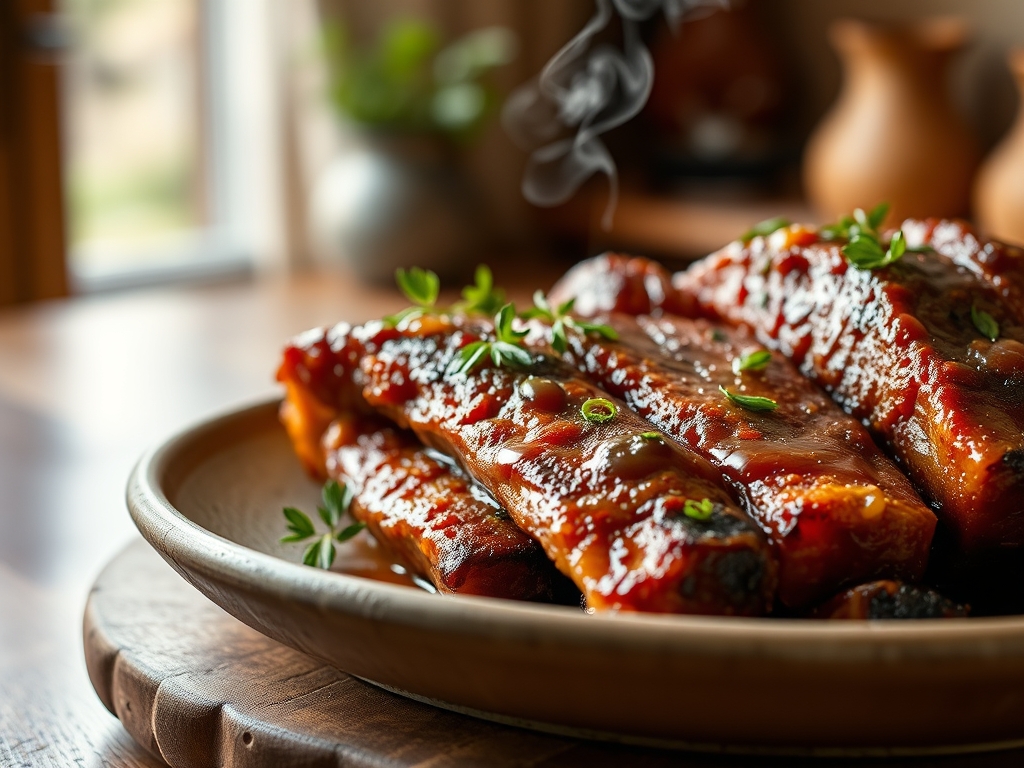
Referencing the Masterclass photo, your ribs should exhibit a deep, mahogany glaze with localized areas of "char" or dark caramelization. If your ribs look pale or "boiled," your broiler was not hot enough or you did not apply enough sugar-based sauce. If the meat is pulling back from the bone by more than half an inch, they are overcooked. The ideal visual cue is a slight retraction (about a quarter inch) where the bone tips are exposed but the meat still clings to the structure. If the sauce is runny, you failed to deglaze the pot and reduce the liquid; next time, simmer the leftover pot juices in a saucier to create a thick, concentrated glaze.
THE DEEP DIVE
Macro Nutrition Profile:
A standard serving (approx. 3 ribs) contains roughly 450 calories, 32g of protein, 30g of fat, and 12g of carbohydrates (mostly from the sauce). It is a high-protein, high-fat fuel source designed for maximum satiety.
Dietary Swaps:
- Keto: Replace the brown sugar with a monk fruit sweetener and use a sugar-free barbecue sauce.
- Vegan: This protocol is technically incompatible with pork, but the spice rub and pressurized timing work exceptionally well for whole "ribs" of king oyster mushrooms or seitan logs.
- GF: Ensure your mustard powder and barbecue sauce are certified gluten-free, as thickeners often hide wheat derivatives.
Meal Prep & Reheating Science:
To maintain the molecular structure during reheating, avoid the microwave at all costs. The microwave excites water molecules unevenly, leading to "leathery" meat. Instead, wrap the ribs in foil with a tablespoon of apple juice and heat in a 300F oven. This creates a mini-steam chamber that re-hydrates the gelatin without overcooking the protein.
THE KITCHEN TABLE
Why are my ribs tough after 25 minutes?
You likely skipped the natural release or used extra-thick St. Louis style ribs. St. Louis cuts require an additional 5 to 8 minutes of pressure to account for their increased density and fat content.
Can I use frozen ribs?
Yes, but increase the pressure cook time to 40 minutes. The internal core takes longer to reach the collagen-conversion threshold. Ensure the ribs are separated so the steam can infuse every surface evenly.
What is the best liquid to use?
Apple cider provides the best flavor profile, but a dark Mexican lager or even a cola can work. The goal is to provide a sugar and acid base that complements the pork's natural richness.
Do I really need to broil them?
Unless you enjoy the texture of wet, grey meat, yes. The broiler provides the essential textural contrast between the soft interior and the tacky, caramelized exterior. It is the final "seal" on your culinary audit.