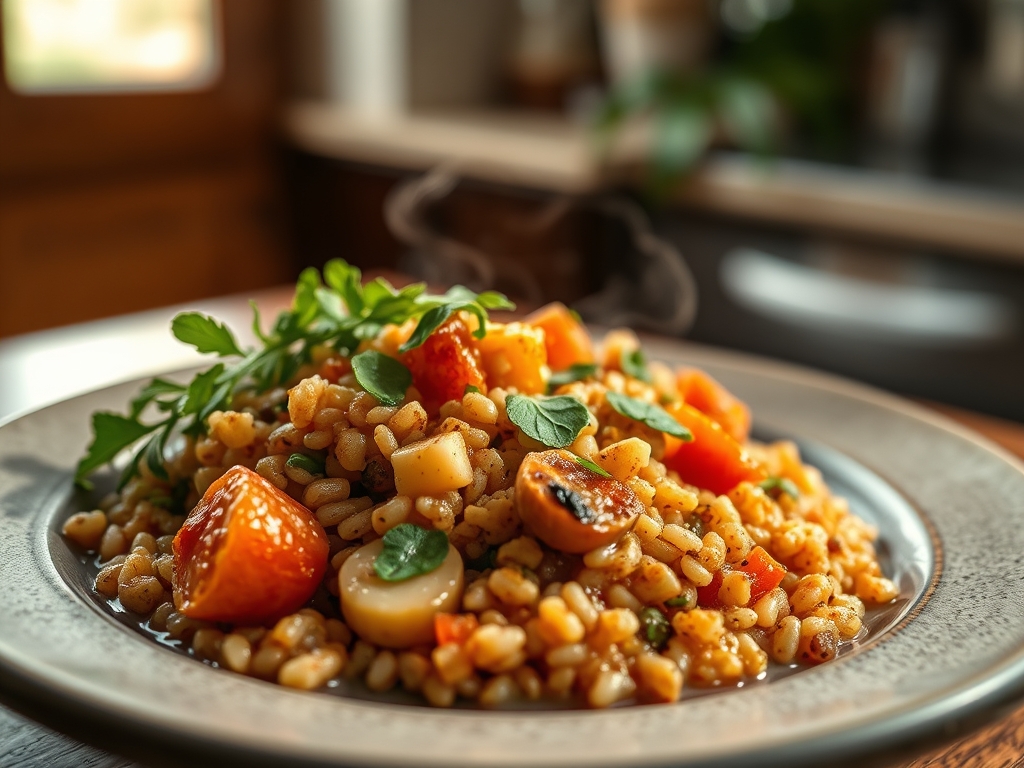
Forget the limp, waterlogged porridges of your past. We are here to talk about structural integrity, flavor density, and the absolute mastery of the One Pot Quinoa Stew. This is not just a meal; it is a high-performance nutrient delivery system designed to satisfy the most demanding palate while maintaining the efficiency of a Swiss watch. Imagine the scent of toasted cumin seeds hitting hot oil, releasing volatile aromatics that fill your kitchen with an earthy, piquant haze. Picture the quinoa grains, each one a tiny coil of protein, suspended in a rich, viscous broth that clings to every surface. We are engineering a masterpiece of texture where the snap of fresh vegetables meets the creamy collapse of a perfectly simmered legume. This is culinary architecture at its finest. We are going to render fats, deglaze pans, and infuse every single molecule with intention. If you are looking for a bland bowl of health food, you have come to the right place to be corrected. This is bold, aggressive, and scientifically sound cooking.
THE DATA MATRIX
| Metric | Data Point |
|---|---|
| Prep Time | 15 Minutes |
| Execution Time | 25 Minutes |
| Yield | 4 Standard Units (Servings) |
| Complexity (1-10) | 3 |
| Estimated Cost per Serving | $2.15 USD |
THE GATHERS
Ingredient Protocol:
- 200g / 1 cup Triple-Rinsed White Quinoa
- 475ml / 2 cups Low-Sodium Vegetable Stock
- 15ml / 1 tbsp Extra Virgin Olive Oil
- 1 medium / 150g Yellow Onion, finely diced
- 2 large / 120g Carrots, medium dice
- 3 cloves / 15g Garlic, microplaned
- 5g / 1 tsp Smoked Paprika
- 2.5g / 0.5 tsp Ground Cumin
- 1 can / 400g Fire-Roasted Diced Tomatoes
- 1 can / 400g Chickpeas, drained and rinsed
- 60g / 2 cups Baby Spinach, packed
- 15ml / 1 tbsp Fresh Lemon Juice
- 5g / 1 tsp Kosher Salt (to taste)
Section A: Ingredient Quality Audit:
Sub-par raw materials will compromise the structural integrity of your One Pot Quinoa Stew. If your quinoa smells dusty or bitter, it likely still contains saponins, the natural soapy coating of the seed. Fix this by rinsing the grain in a fine-mesh sieve under cold water for a full 60 seconds while agitating the seeds with your fingers. If your spices lack a pungent aroma, they have likely oxidized. To revive them, "bloom" the spices in hot oil for 30 seconds before adding liquids to re-awaken the fat-soluble flavor compounds. If using canned chickpeas that feel mushy, rinse them thoroughly in cold water to remove the viscous aquafaba, which can introduce an unwanted metallic tang to your stew base.
THE MASTERCLASS
1. The Aromatic Foundation
Place your heavy-bottomed saucier over medium-high heat. Add the olive oil and once it shimmers, introduce the onions and carrots. Use a bench scraper to efficiently transfer your prep from the cutting board to the pan. Sauté until the onions are translucent and the carrots begin to soften.
Pro Tip: This stage is about the Maillard reaction. By browning the vegetables slightly, you are creating complex sugar molecules that provide the foundational "umami" depth required for a meatless stew.
2. Spice Infusion and Deglazing
Add the garlic, smoked paprika, and cumin. Stir constantly for 45 seconds until the kitchen smells like a spice market. Immediately pour in the fire-roasted tomatoes to deglaze the pan, using a wooden spoon to scrape up any browned bits (fond) stuck to the bottom.
Pro Tip: Deglazing captures the concentrated flavor stuck to the pan surface. Using a digital scale to measure your spices ensures consistent potency across every batch you execute.
3. The Suspension Phase
Incorporate the rinsed quinoa, chickpeas, and vegetable stock. Increase the heat to bring the mixture to a rolling boil, then immediately reduce to a low simmer. Cover the pot with a tight-fitting lid to trap the steam.
Pro Tip: Quinoa requires a precise liquid-to-grain ratio to avoid becoming a "slurry." The steam creates pressure that forces moisture into the center of the seed, causing the germ to "pop" and coil into its signature shape.
4. The Final Emulsification
Once the liquid is absorbed (roughly 15 minutes), remove from heat. Fold in the baby spinach and lemon juice. The residual heat will wilt the greens without destroying their vibrant chlorophyll. Stir vigorously to aerate the stew slightly, which helps the starches from the quinoa thicken the remaining moisture.
Pro Tip: Adding acidity (lemon juice) at the very end acts as a "brightness" corrector. It cuts through the density of the starch and elevates the earthy notes of the cumin and paprika.
Section B: Prep & Timing Fault-Lines:
The most common human error in this protocol is "Aggressive Boiling." If the heat is too high, the liquid evaporates before the quinoa core is hydrated, resulting in a crunchy, unpleasant texture. Use a digital timer and keep the heat at a whisper-quiet simmer. If you find the stew is too dry before the timer ends, add 30ml of hot water to maintain the suspension without crashing the temperature of the pot.
THE VISUAL SPECTRUM
Section C: Thermal & Visual Troubleshooting:
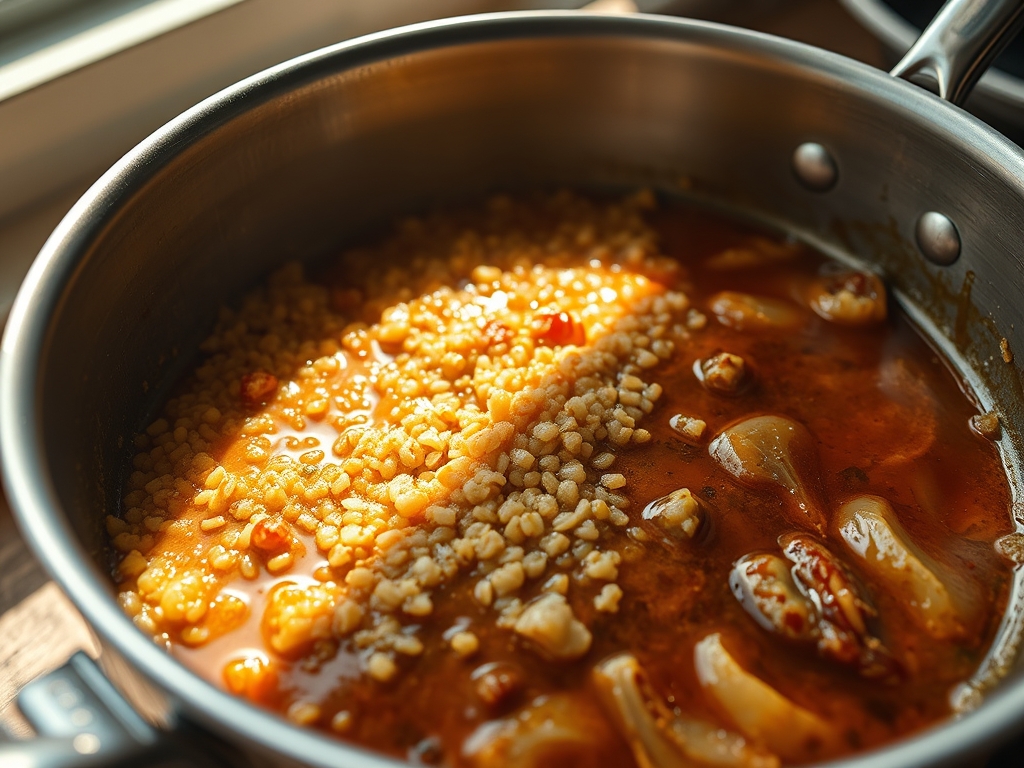
Referencing the Masterclass photo, your One Pot Quinoa Stew should exhibit a vibrant, rust-red hue from the smoked paprika and tomatoes. If your stew looks "muddy" or grey, you likely overcooked the spinach or used old, oxidized spices. The quinoa germs should be visible as tiny, translucent white spirals. If they are invisible, the grain is over-hydrated. If the carrots look shriveled rather than plump, they were sautéed at too high a temperature without enough fat. A perfect stew shows distinct "islands" of ingredients held together by a glossy, semi-thick liquid, never a dry pile of grains.
THE DEEP DIVE
Macro Nutrition Profile:
Each serving delivers approximately 320 calories, 12g of plant-based protein, 8g of fiber, and 7g of healthy fats. It is a complete protein source, meaning it contains all nine essential amino acids required for human tissue repair.
Dietary Swaps:
- Vegan: Already compliant.
- Keto: Replace quinoa with riced cauliflower and reduce stock by 50%.
- GF: Naturally gluten-free, but ensure your vegetable stock is certified.
Meal Prep & Reheating Science:
Quinoa is a structural champion for meal prep. When stored in an airtight container, the molecular structure remains stable for up to 5 days. When reheating, add 15ml of water to the bowl to provide steam, which prevents the seeds from drying out and becoming "pebbly" in the microwave or on the stovetop.
THE KITCHEN TABLE
Can I use red quinoa instead of white?
Yes. Red quinoa maintains its structural integrity better than white, offering a distinct "snap" and a nuttier profile. It may require an additional 3 to 5 minutes of simmering time to fully hydrate the tougher outer hull.
Why is my stew bitter?
Bitterness usually stems from unrinsed quinoa or burnt garlic. Always rinse your grains thoroughly and ensure your garlic only hits the heat for under a minute before adding liquid to stop the frying process.
Can I make this in a slow cooker?
Yes, though the texture will be softer. Combine all ingredients except spinach and lemon. Cook on low for 4 hours. Fold in the greens at the very end to preserve their color and delicate cellular structure.
How do I make it creamier?
To increase the viscosity without adding dairy, take one cup of the finished stew and pulse it in a blender. Stir the blended portion back into the pot to create a rich, velvety mouthfeel through natural starch emulsification.