The kitchen is not a sanctuary; it is a high-stakes laboratory where the laws of thermodynamics dictate the difference between a soggy failure and a culinary masterpiece. When you drop a cold protein onto a screaming hot surface, you are initiating a violent chemical transformation known as the Maillard reaction. This is the heart of Cast Iron Searing. The air thickens with the scent of toasted amino acids and reducing sugars. You hear that characteristic roar as moisture flashes into steam, creating a pressurized barrier between the meat and the metal. Without sufficient thermal mass, your pan temperature craters, the meat begins to boil in its own juices, and your dreams of a crusty, mahogany exterior evaporate. We are here to audit your infrastructure and ensure your equipment can handle the load. We are looking for high-emissivity surfaces and maximum heat retention. If your pan cannot hold a steady 450 degrees Fahrenheit while under the assault of a chilled ribeye, you are simply playing house. It is time to master the sear.
THE DATA MATRIX
| Metric | Specification |
|---|---|
| Prep Time | 20 Minutes |
| Execution Time | 12 Minutes |
| Yield | 2 Servings |
| Complexity | 7 / 10 |
| Estimated Cost per Serving | $18.50 |
THE GATHERS
Ingredient Protocol:
- 2 units / 450g: Bone-in Ribeye Steaks (Dry-aged preferred)
- 30ml / 2 tbsp: High-smoke point oil (Avocado or Grapeseed)
- 45g / 3 tbsp: Unsalted high-fat European butter
- 4 cloves / 20g: Fresh garlic (Smashed)
- 3 sprigs / 5g: Fresh thyme or rosemary
- 15g / 1 tbsp: Flaky sea salt
- 5g / 1 tsp: Coarsely cracked black peppercorns
Section A: Ingredient Quality Audit:
If your protein arrives with excessive surface moisture, the sear will fail. This is a common fault-line in supermarket-grade meats injected with saline. To fix this, you must brine the meat uncovered in the refrigerator for at least four hours to desiccate the exterior. If your butter breaks or burns too quickly, your milk solid content is too high or your heat management is erratic. Switch to a clarified butter or ghee to raise the burning threshold. Finally, if your herbs are wilted, they will lack the volatile oils necessary to infuse the butter during the basting phase; always source turgid, vibrant aromatics for maximum aromatic impact.
THE MASTERCLASS
1. Thermal Loading and Surface Prep
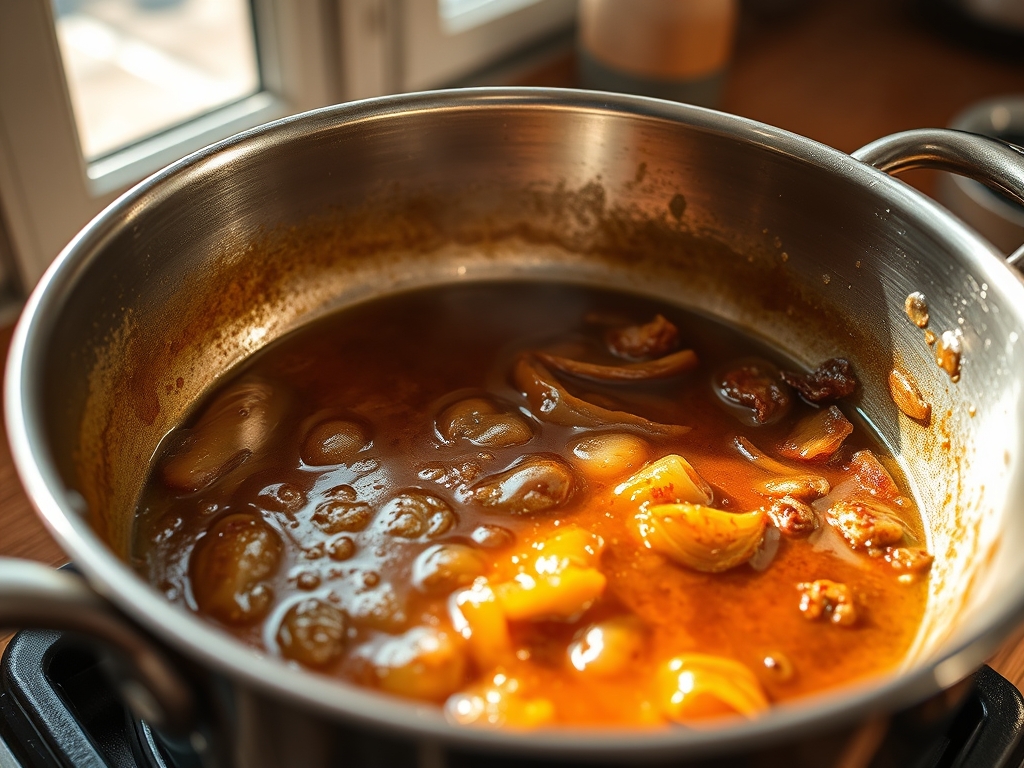
Before the protein even touches the metal, you must preheat your cast iron skillet over medium-high heat for at least ten minutes. Use an infrared thermometer to verify the surface has reached 450 degrees Fahrenheit. Pat the steak dry with lint-free towels until the surface is bone-dry. Season aggressively with salt and pepper using a digital scale to ensure a precise 1.5 percent salt-to-weight ratio.
Pro Tip: This preheating phase builds the necessary thermal reservoir. If the pan is too thin or under-heated, the protein will leach moisture, preventing the Maillard reaction from initiating. Professional chefs use a bench scraper to ensure the cooking surface is perfectly clear of any carbonized debris before starting.
2. The Initial Contact and Crust Formation
Add the high-smoke point oil to the pan. It should shimmer and show viscous legs. Lay the steak away from you to avoid hot oil splatter. Do not move the meat for at least three minutes. You are looking for the protein to naturally release from the iron surface. If it sticks, the crust has not yet polymerized.
Pro Tip: Use a heavy stainless steel press or a weighted small saucepan to ensure 100 percent surface contact. This eliminates air pockets that act as insulators, ensuring an even, edge-to-edge mahogany crust. This is the "Infrastructure" part of the sear; physical pressure facilitates faster heat transfer.
3. The Flip and Butter Arrosé
Flip the steak using heavy-duty tongs. Immediately add the butter, smashed garlic, and herbs to the pan. Tilt the skillet so the butter pools at the bottom, then use a large saucier spoon to continuously bathe the steak in the foaming, aromatic fat. This is known as the "Arrosé" technique.
Pro Tip: The foaming butter is a sign that the water content is evaporating. Once the foam subsides, the milk solids will begin to brown. This adds a piquant, nutty dimension to the flavor profile. Monitor the internal temperature with a high-speed digital probe to pull the meat 5 degrees before your target doneness.
Section B: Prep & Timing Fault-Lines:
The most frequent human error is "pan-crowding." If you attempt to sear two large steaks in a small skillet, the collective moisture release will overwhelm the pan's ability to recover heat. This results in gray, steamed meat. Another timing error is failing to allow the meat to temper at room temperature before cooking. A cold center requires longer exposure to high heat, which creates a thick, overcooked "gray band" beneath the crust. Always use a timer to regulate your basting intervals; consistency is the hallmark of the professional.
THE VISUAL SPECTRUM
Section C: Thermal & Visual Troubleshooting:
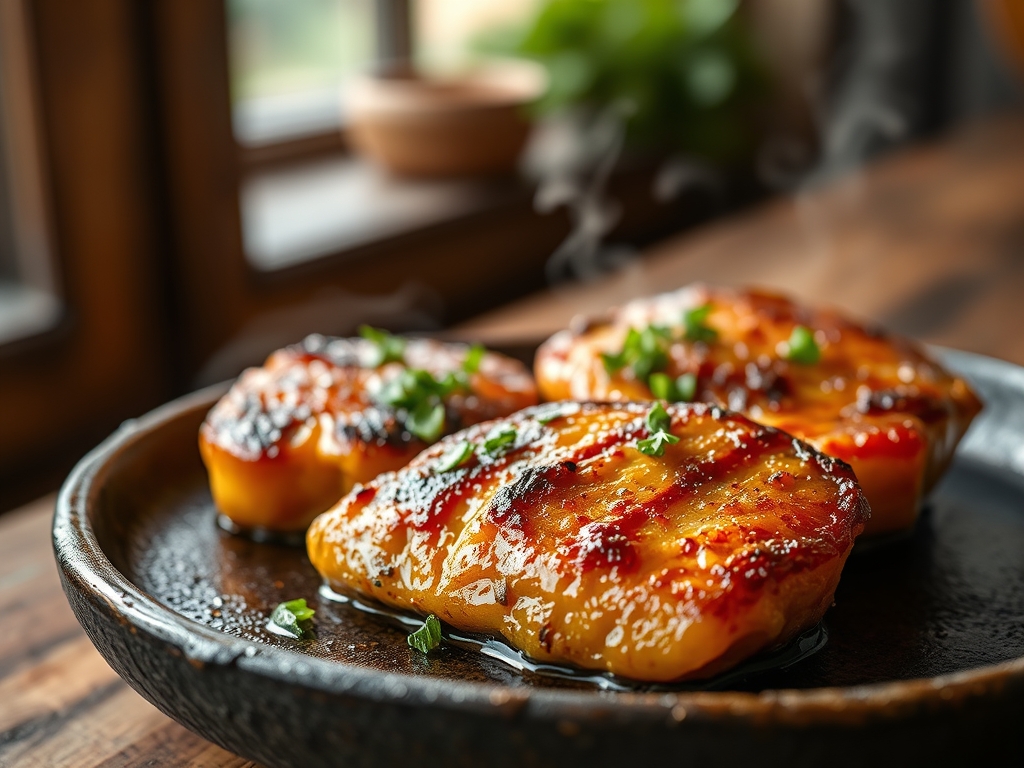
Referencing the Masterclass photo, your steak should exhibit a deep, uniform chocolate-brown color rather than black char. Black spots indicate the oil has reached its flash point and turned acrid. If the surface looks dull or matte, you likely skimped on the oil or the butter basting phase. A glossy, viscous sheen is the visual cue for a successful emulsification of fats and rendered beef tallow. If the interior looks "stringy" when sliced, you skipped the resting phase. Resting allows the muscle fibers to relax and reabsorb the internal juices, ensuring the molecular structure remains intact during the final presentation.
THE DEEP DIVE
Macro Nutrition Profile:
A standard 225g serving of seared ribeye provides approximately 550 calories, 42g of protein, and 40g of fat. It is a nutrient-dense powerhouse, high in Vitamin B12, Zinc, and Heme-Iron. The addition of butter adds saturated fats, which should be accounted for in daily caloric targets.
Dietary Swaps:
- Vegan: Replace the steak with a thick-cut "steak" of cauliflower or lion's mane mushroom. Use avocado oil and a vegan cultured butter for the basting phase.
- Keto: This recipe is naturally Keto-compliant. Increase the butter basting for higher fat macros.
- GF: Ensure your seasoning blends are free of anti-caking agents that may contain gluten.
Meal Prep & Reheating Science:
To maintain the molecular integrity of a seared steak, never use a microwave. The radiation excites water molecules, steaming the meat from the inside out and ruining the crust. Instead, reheat in a 250-degree oven until the internal temperature reaches 110 degrees, then flash-sear for 30 seconds per side to deglaze the exterior and restore the crunch.
THE KITCHEN TABLE
Why is my steak gray instead of brown?
Your pan lacked sufficient thermal mass or was overcrowded. The moisture released by the meat could not evaporate instantly, causing the protein to boil in its own juices. Use a larger cast iron pan and ensure it is preheated properly.
Can I use olive oil for searing?
Extra virgin olive oil has a low smoke point and will decompose into acrid, smoky compounds at searing temperatures. Stick to avocado or grapeseed oil for the initial high-heat phase to avoid off-flavors and kitchen smoke.
How long should I rest the meat?
Rest your steak for at least half the time it spent in the pan. This allows the internal pressure to equalize and the juices to redistribute, preventing a "bloodbath" on your cutting board when you finally slice in.
What is the benefit of bone-in steaks?
The bone acts as an insulator, slowing the cooking process near the center and providing a more forgiving window for perfect medium-rare. Additionally, the marrow can render slightly, adding a deeper, more complex flavor to the pan juices.