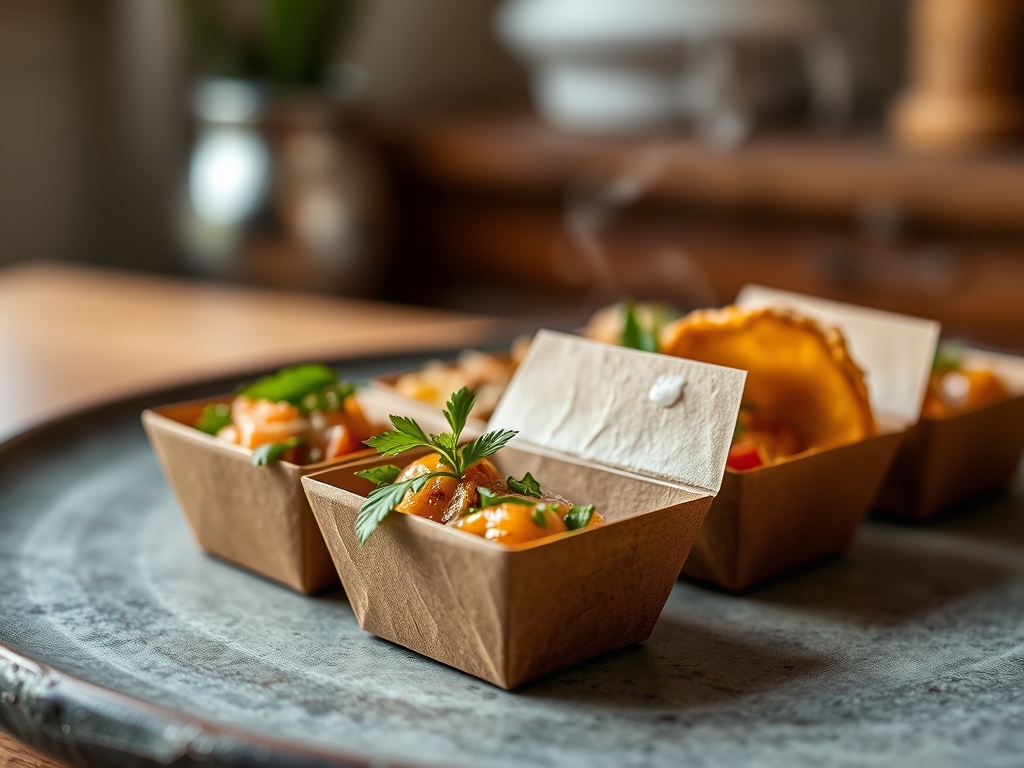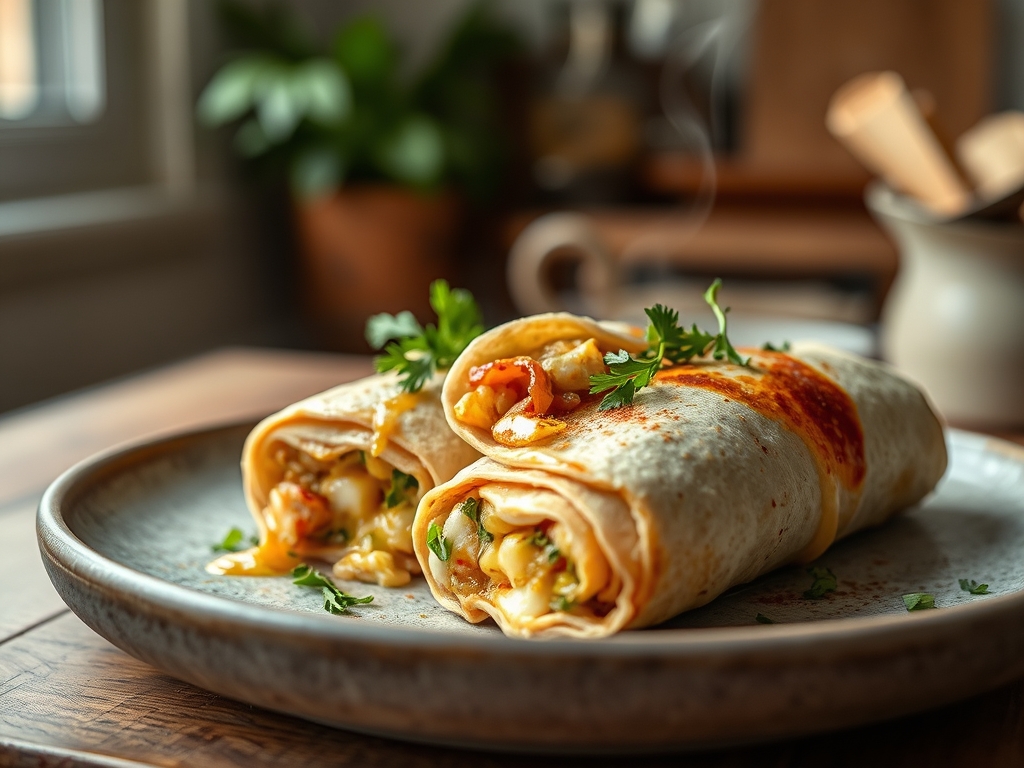
Listen to the sound of a kitchen operating at peak efficiency. It is not the dull thud of a heavy knife; it is the rhythmic, high-frequency "zip" of a blade meeting cellulose with mathematical precision. We are here to discuss the absolute necessity of surface area consistency. When you commit to Mandoline Sliced Veg, you are not just preparing a side dish; you are engineering a thermal interface. Every micron of thickness determines whether your root vegetables will render into a buttery confit or transform into a crisp, golden lattice. In the world of high-stakes culinary infrastructure, variance is the enemy of excellence. A single slice that is two millimeters thicker than its peer is a structural failure that leads to uneven hydration and localized undercooking. We demand uniformity. We demand a structural integrity that allows for maximum heat transfer and flavor absorption. This is where the physics of the kitchen meets the art of the plate. Prepare your station; we are about to audit your technique and elevate your vegetable game to industrial standards.
THE DATA MATRIX
| Metric | Specification |
|---|---|
| Prep Time | 15 Minutes |
| Execution Time | 25 Minutes |
| Yield | 4 Servings |
| Complexity (1-10) | 4 |
| Estimated Cost per Serving | $1.25 |
THE GATHERS
Ingredient Protocol:
- 700g / 1.5 lbs Yukon Gold Potatoes (Scrubbed and dried)
- 300g / 2 Large Parsnips (Peeled)
- 200g / 2 Large Carrots (Peeled)
- 60ml / 0.25 cup Extra Virgin Olive Oil
- 15g / 1 tbsp Fresh Rosemary (Minced)
- 8g / 1.5 tsp Flaky Sea Salt
- 2g / 0.5 tsp Freshly Cracked Black Pepper
- 30ml / 2 tbsp White Balsamic Vinegar (to infuse acidity)
Section A: Ingredient Quality Audit:
If your roots feel "bendy" or soft, the cellular turgor pressure has collapsed. This results in ragged edges when using your mandoline. To fix this, submerge the vegetables in an ice-water bath for thirty minutes to rehydrate the cell walls before slicing. If your carrots are overly fibrous or woody in the center, increase your slicing thickness by 0.5mm to ensure the heat can penetrate the lignin without burning the exterior. Always select potatoes with high starch content to ensure a viscous interior texture after the roasting process is complete.
THE MASTERCLASS
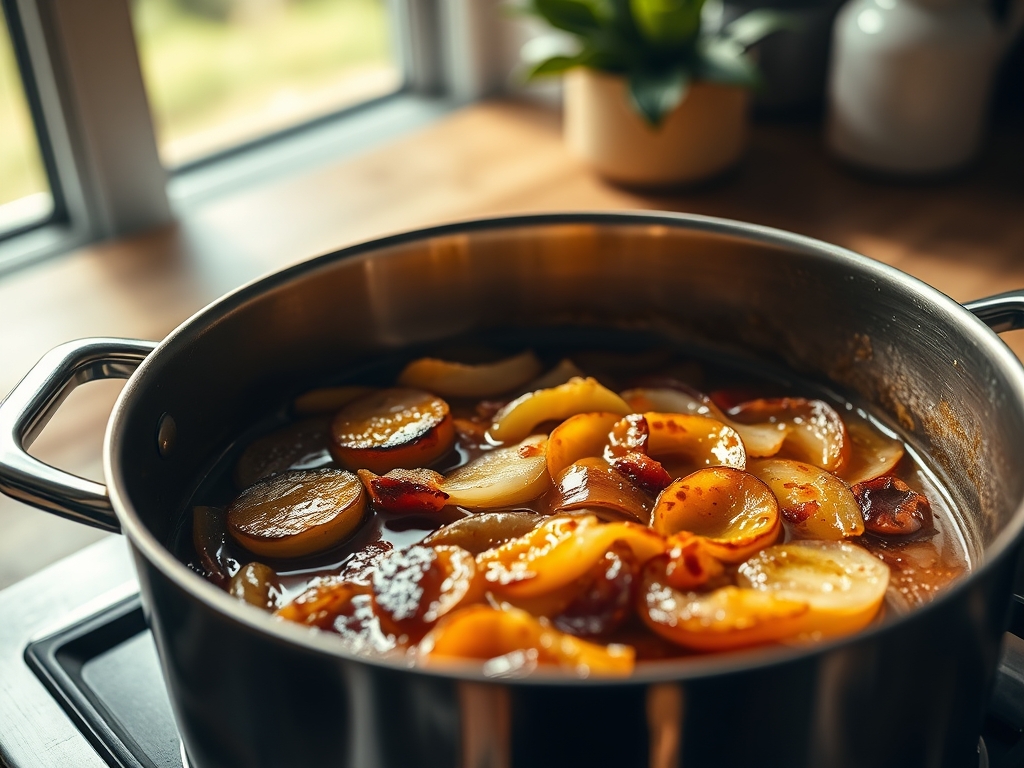
1. Calibration and Safety Protocol
Set your mandoline to a precise 3mm thickness. Use a digital scale to weigh your vegetables before and after peeling to calculate your true yield. Always utilize the safety guard; your fingertips are not part of the ingredient list.
Pro Tip: Use a bench scraper to clear the deck between each vegetable type. This prevents cross-contamination of moisture levels and keeps your workspace organized for high-volume output.
2. The Precision Slice
Position the root vegetable at a 45-degree angle to the blade. Apply firm, downward pressure to achieve Mandoline Sliced Veg that are translucent at the edges. Consistency here ensures that the Maillard reaction occurs simultaneously across the entire batch.
Pro Tip: The physics of the slice matters. A swift, continuous motion prevents the blade from "stuttering," which creates micro-ridges that can lead to uneven oil distribution and localized scorching.
3. Emulsification and Coating
Place your slices in a large stainless steel mixing bowl. Drizzle the olive oil and white balsamic vinegar over the roots. Toss vigorously until every surface is coated. The vinegar will infuse the starch with a piquant brightness that cuts through the earthy sugars.
Pro Tip: Use your hands to ensure the oil is not just sitting on the surface but is actually emulsified with the natural moisture of the vegetables. This creates a protective barrier that regulates evaporation during the roast.
4. Thermal Alignment
Arrange the slices on a parchment-lined sheet pan. Do not overlap them more than 10 percent. Overlapping creates steam pockets, which ruins the texture. Aim for a single layer to maximize the surface area exposed to the circulating hot air.
Pro Tip: If using a convection oven, reduce the temperature by 25 degrees. The forced air will aerate the steam away from the vegetables faster, leading to a superior crunch.
5. The Final Render
Roast at 200C / 400F for 20 to 25 minutes. At the halfway mark, use a thin metal spatula to flip the slices. This ensures that the underside, which is in contact with the pan, does not over-caramelize while the top remains pale.
Pro Tip: Transfer the finished vegetables to a wire rack immediately after removal. This prevents residual steam from softening the underside, maintaining that critical structural snap.
Section B: Prep & Timing Fault-Lines:
The most common failure in this protocol is "Crowded Pan Syndrome." When you exceed the surface area capacity of your sheet pan, the vegetables steam instead of roast. If you see liquid pooling on the pan, you have failed the audit. Immediately split the batch across two pans. Another timing error is failing to preheat the oven for at least 20 minutes. A cold start prevents the immediate searing of the vegetable sugars, leading to a limp and greasy end product.
THE VISUAL SPECTRUM
Section C: Thermal & Visual Troubleshooting:
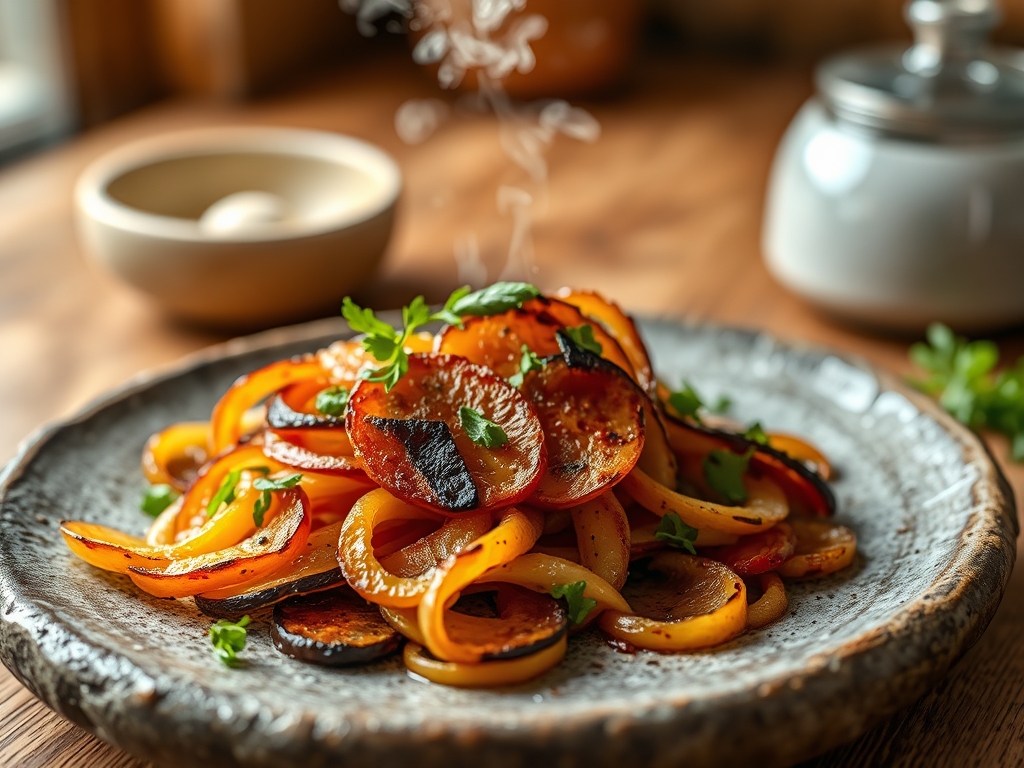
Referencing the Masterclass photo, your Mandoline Sliced Veg should exhibit a "Sunset Gradient." This means the edges are a deep amber while the centers remain a vibrant, saturated version of their raw color. If your slices look dull or grey, you likely omitted the acid component; the balsamic vinegar helps preserve the anthocyanins and carotenoids in the roots. If you see dark black spots, your oven has "hot spots." Rotate your pans 180 degrees every ten minutes to compensate for uneven heating elements. If the slices look shriveled rather than crisp, your thickness was likely under 2mm, causing the water to evacuate too quickly before the structure could set.
THE DEEP DIVE
Macro Nutrition Profile:
A standard serving provides approximately 180 calories, 7g of healthy fats, 28g of complex carbohydrates, and 4g of fiber. The high surface-to-volume ratio means you get more flavor impact per calorie compared to a standard roasted potato chunk.
Dietary Swaps:
- Vegan: This protocol is inherently vegan.
- Keto: Replace potatoes and parsnips with daikon radish and kohlrabi. Reduce roasting time by 5 minutes.
- GF: Naturally gluten-free. Ensure your balsamic vinegar does not contain caramel coloring or thickeners.
Meal Prep & Reheating Science:
To maintain molecular structure when reheating, avoid the microwave at all costs. The microwave excites water molecules, turning your crisp roots into a soggy mess. Instead, use a dry saucier or a toaster oven at 175C / 350F for five minutes. This re-activates the fats and crisps the exterior without further dehydrating the interior.
THE KITCHEN TABLE
Why are my vegetable slices sticking to the mandoline?
Starch buildup is the culprit. Wipe the blade with a damp cloth every two minutes. If the vegetable is particularly starchy, like a potato, rinse the slices in cold water and pat them bone-dry before adding oil.
Can I use a food processor slicing disk instead?
You can, but you sacrifice the "Expert Auditor" status. Food processors use a rotational force that often tears the cell walls rather than slicing them cleanly. For the precision required for Mandoline Sliced Veg, the manual blade is superior.
What is the best way to store leftovers?
Place them in an airtight glass container with a paper towel at the bottom. The towel absorbs any migrating moisture, preventing the slices from becoming translucent and gummy. Consume within 48 hours for optimal texture.
My rosemary burned before the vegetables were done. Why?
You likely added the herbs too early or chopped them too finely. For long roasts, keep the rosemary slightly coarser or toss the vegetables in the herbs during the last five minutes of the thermal cycle.