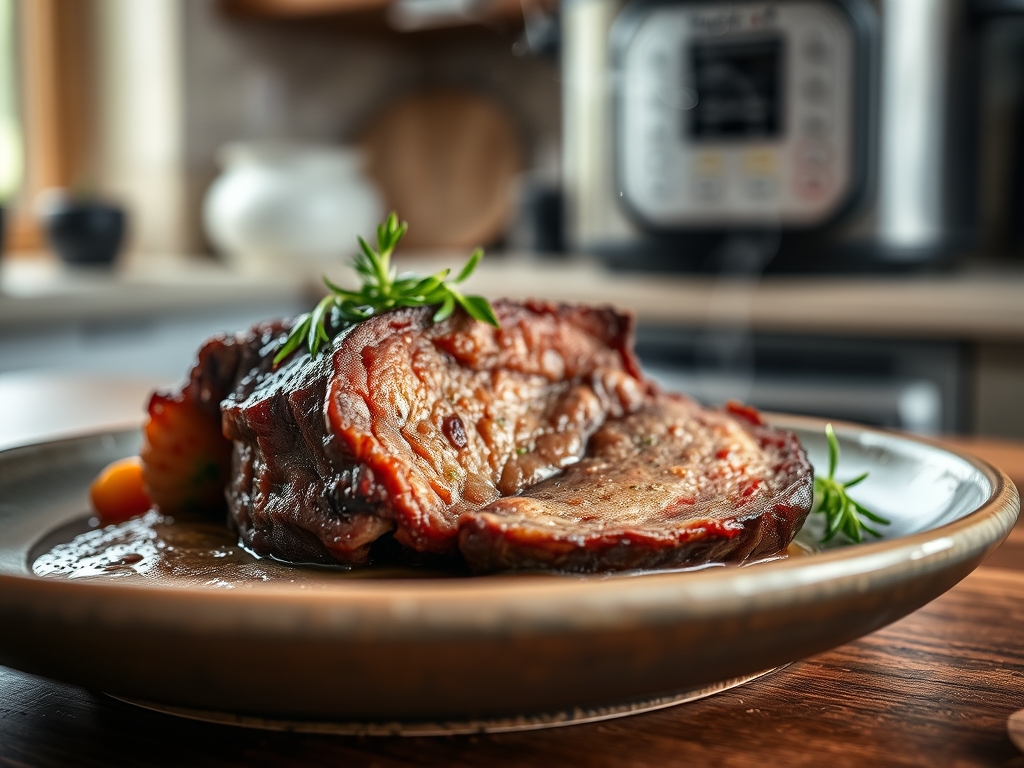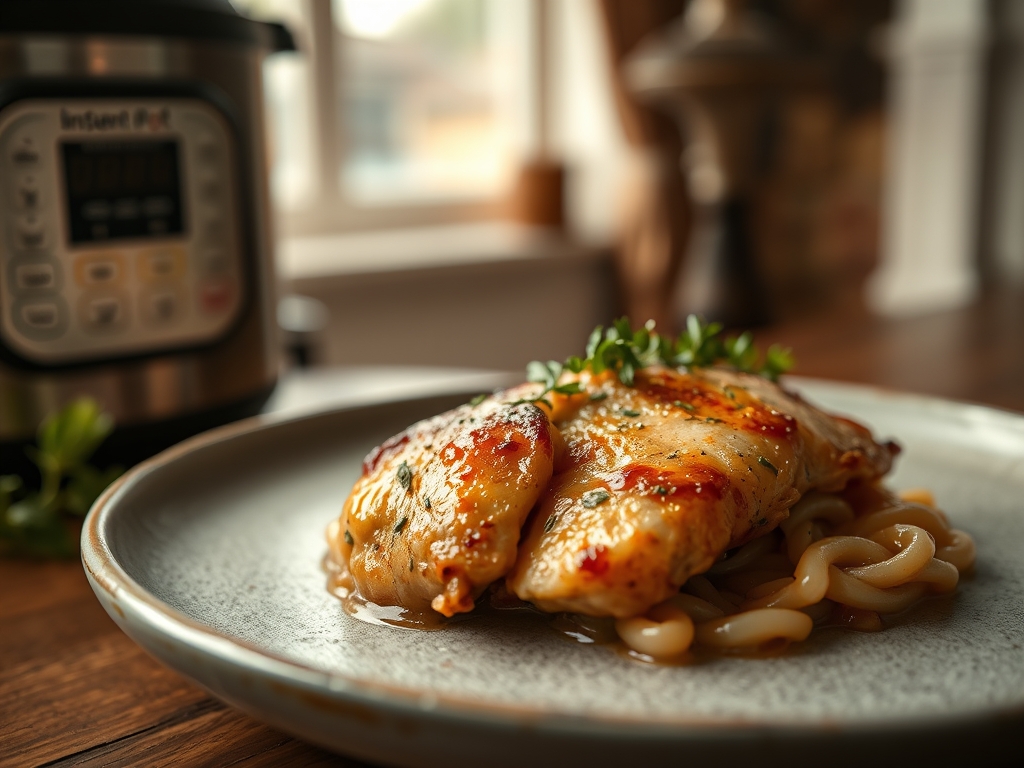
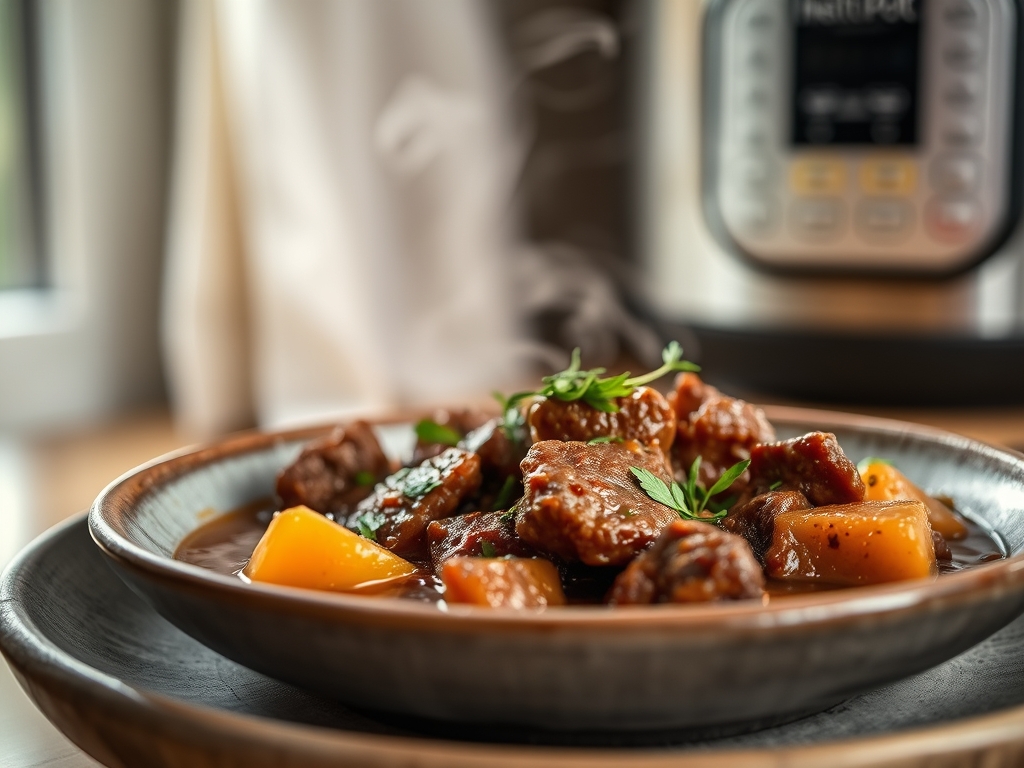
Listen to the rhythmic hiss of the pressure valve as it orchestrates a high-speed collision between collagen and kinetic energy. We are not merely making dinner; we are performing a structural overhaul of tough connective tissue. The Instant Pot Beef Stew is the ultimate litmus test for any culinary infrastructure. It requires more than a casual toss of ingredients into a stainless steel basin. It demands an understanding of how high-pressure environments accelerate the breakdown of tough chuck roast into succulent, melt-in-your-mouth fiber while simultaneously preventing your root vegetables from surrendering into a dismal, monochromatic mush. When you lock that lid, you are initiating a closed-system thermodynamic event. The goal is a rich, viscous gravy that coats the back of a spoon with the authority of a French demi-glace, paired with beef that yields to the slightest pressure of a fork. This is where engineering meets appetite. If you fail to calibrate your sear or mistime your release, you end up with a watery failure. If you succeed, you achieve a masterpiece of efficiency.
THE DATA MATRIX
| Metric | Specification |
|---|---|
| Prep Time | 25 Minutes |
| Execution Time | 65 Minutes |
| Yield | 6 Servings |
| Complexity (1-10) | 4 |
| Estimated Cost per Serving | $4.25 USD |
THE GATHERS
Ingredient Protocol:
- 1.4 kg / 3 lbs Beef Chuck Roast, cubed into 1.5-inch segments
- 30 ml / 2 tbsp High-Smoke Point Oil (Avocado or Grapeseed)
- 500 g / 1.1 lbs Yukon Gold Potatoes, quartered
- 300 g / 10.5 oz Carrots, sliced into thick rounds
- 1 large Yellow Onion, diced
- 4 cloves Garlic, minced
- 500 ml / 2 cups Low-Sodium Beef Bone Broth
- 150 ml / 0.6 cups Dry Red Wine (Cabernet or Merlot)
- 30 ml / 2 tbsp Tomato Paste
- 15 ml / 1 tbsp Worcestershire Sauce
- 2 g / 1 tsp Dried Thyme
- 1 g / 2 Bay Leaves
- 15 g / 2 tbsp Cornstarch (slurry-ready)
- Salt and Black Pepper to taste
Section A: Ingredient Quality Audit:
The primary failure point in many stews is the selection of the protein. If you choose a lean cut like sirloin, the high-pressure environment will desiccate the fibers, resulting in a "stringy" texture. Always opt for Chuck Roast due to its high intramuscular fat and connective tissue. If your vegetables appear wilted or lack turgor pressure before they hit the pot, soak them in an ice-water bath for ten minutes to restore cellular hydration. Furthermore, ensure your tomato paste is deep crimson; if it has oxidized to a brownish hue, it will lack the piquant acidity needed to balance the heavy fats of the beef.
THE MASTERCLASS
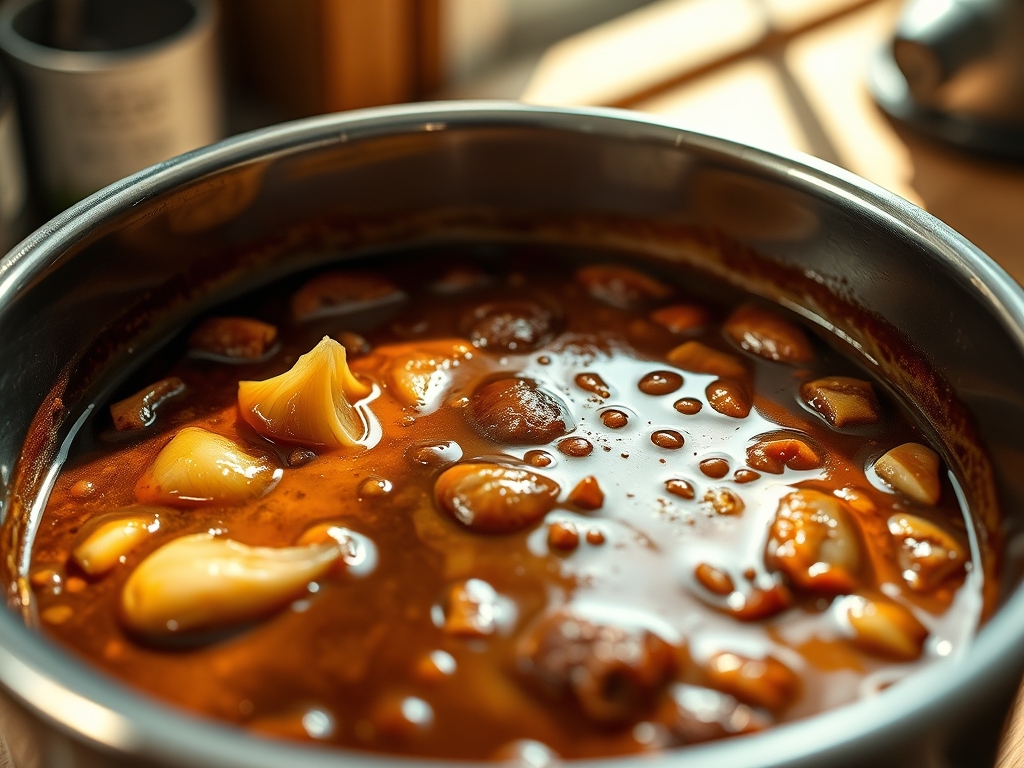
1. The Maillard Initiation
Set your vessel to the highest "Sauté" function. Pat the beef dry using lint-free towels to ensure zero surface moisture. Season aggressively. Once the oil reaches its shimmering point, sear the beef in batches. Do not overcrowd the basin.
Pro Tip: Use a digital scale to ensure even portioning of meat. Searing in batches prevents the temperature of the stainless steel from dropping, which would cause the meat to steam in its own juices rather than undergo the Maillard reaction. This browning is essential to render fat and build a flavor foundation.
2. Aromatics and Deglazing
Remove the beef and set aside on a bench scraper or clean plate. Add the onions and carrots to the residual fat. Sauté until the onions are translucent. Add the garlic and tomato paste, stirring constantly for 60 seconds to "toast" the paste. Pour in the red wine.
Pro Tip: Use a wooden spatula to deglaze the bottom of the pot. Those brown bits, known as "fond," contain concentrated umami. If you leave them stuck to the bottom, you risk a "Burn" notice from the internal sensors of your pressure system.
3. Liquid Integration and Pressurization
Return the beef and its accumulated juices to the pot. Add the potatoes, thyme, bay leaves, Worcestershire sauce, and beef broth. Ensure the liquid does not exceed the "Max Fill" line. Secure the lid and set to "High Pressure" for 35 minutes.
Pro Tip: Accuracy is vital. Use a saucier or a dedicated measuring vessel to verify your liquid ratios. Too much liquid will dilute the flavor profile; too little will prevent the system from reaching the necessary atmospheric pressure to tenderize the beef.
4. The Slurry Emulsification
Once the timer expires, allow a 10-minute natural pressure release before venting the remaining steam. In a small bowl, whisk the cornstarch with equal parts cold water to create a slurry. Select the "Sauté" function again and stir the slurry into the bubbling liquid.
Pro Tip: To aerate and incorporate the thickener without damaging the tender vegetables, use a gentle folding motion. This creates a viscous glossy sheen that binds the fats and liquids into a cohesive sauce.
Section B: Prep & Timing Fault-Lines:
A common human error is the "Quick Release" trap. If you release the pressure immediately after the timer stops, the sudden drop in atmospheric pressure causes the moisture inside the beef to boil out instantly, leaving the meat dry and tough. Always respect the ten-minute natural release window. Additionally, if your potato cubes are too small, they will lose their structural integrity and dissolve into the liquid. Aim for uniform 1.5-inch cubes to ensure they survive the thermal onslaught.
THE VISUAL SPECTRUM
Section C: Thermal & Visual Troubleshooting:
Referencing the Masterclass photo, observe the deep mahogany hue of the broth and the distinct edges of the carrots. If your stew looks pale, you likely skimped on the tomato paste or failed to achieve a proper sear on the beef. If the liquid is thin and translucent, your cornstarch slurry was either insufficient or not allowed to reach a full boil to activate its thickening properties. Dull, greyish vegetables indicate overcooking; if this occurs, reduce your pressure time by 5 minutes in future iterations. The goal is a vibrant, saturated color palette that signals a high concentration of infused flavors.
THE DEEP DIVE
Macro Nutrition Profile:
A standard serving of this protocol provides approximately 450 calories, 35g of protein, 22g of carbohydrates, and 18g of fat. It is a nutrient-dense powerhouse, offering significant Vitamin A from the carrots and potassium from the potatoes.
Dietary Swaps:
- Keto: Replace potatoes with cauliflower florets or radishes. Omit the cornstarch and use a pinch of xanthan gum to thicken.
- Vegan: Swap beef for hearty portobello mushrooms and use vegetable bouillon. Increase the tomato paste for depth.
- Gluten-Free: Ensure your Worcestershire sauce is certified GF and use arrowroot powder instead of cornstarch.
Meal Prep & Reheating Science:
Stew is a rare specimen that improves with age. As it cools, the flavors continue to marry and the starches stabilize. When reheating, do so slowly on a stovetop. Avoid the microwave if possible, as it can cause uneven heating and "pop" the cell walls of the potatoes, ruining the texture. If the sauce has become too thick in the fridge, add a splash of bone broth to restore its original viscosity.
THE KITCHEN TABLE
Why is my beef still tough after 35 minutes?
The cut likely had exceptionally high connective tissue or the pieces were too large. Ensure 1.5-inch cubes and always allow the 10-minute natural release to finish the tenderization process.
Can I use frozen beef for this recipe?
Technically yes, but you sacrifice the Maillard reaction. You cannot sear frozen meat effectively. For the best structural integrity and flavor, always thaw your protein completely before beginning the audit.
My stew is too salty; how do I fix it?
Add a splash of apple cider vinegar or lemon juice. The acid cuts through the sodium perception. Alternatively, add an extra potato to absorb some of the excess salt during a brief simmer.
What is the best way to store leftovers?
Use airtight glass containers. Glass is non-reactive and won't absorb the piquant aromas of the garlic and onions. Consume within four days or freeze for up to three months for optimal quality.