The kitchen is a theater of thermal dynamics where timing is the only currency that matters. You are not just making dinner; you are managing a high-velocity chemical reaction. The One Skillet Shrimp protocol is the ultimate test of your ability to balance surface tension and rapid heat transfer. When that cold crustacean hits a shimmering layer of oil, the Maillard reaction should trigger an immediate sensory explosion. We are looking for that specific piquant aroma of toasted garlic and citrus zest that cuts through the heavy air of a busy kitchen. If you hesitate, you lose the snap. If you overcrowd the pan, you are merely poaching in a puddle of gray despair. This dish demands a heavy-bottomed skillet and a relentless commitment to high heat. We are aiming for a viscous, glossy sauce that clings to every curve of the shrimp, transforming a handful of raw ingredients into a masterpiece of efficiency. Strap in; we are about to audit your skillet technique.
THE DATA MATRIX
| Metric | Specification |
|---|---|
| Prep Time | 12 Minutes |
| Execution Time | 8 Minutes |
| Yield | 4 Servings |
| Complexity (1-10) | 4 |
| Estimated Cost per Serving | $6.50 USD |
THE GATHERS
Ingredient Protocol:
- 680g / 1.5 lbs Large Shrimp (Peeled and deveined)
- 45ml / 3 tbsp Extra Virgin Olive Oil
- 60g / 4 tbsp Unsalted Butter (Cold, cubed)
- 6 cloves Garlic (Microplaned)
- 5g / 1 tsp Red Pepper Flakes
- 120ml / 0.5 cup Dry White Wine (Pinot Grigio or Sauvignon Blanc)
- 30ml / 2 tbsp Fresh Lemon Juice
- 5g / 1 tsp Lemon Zest
- 15g / 0.25 cup Fresh Parsley (Fine chiffonade)
- 2g / 0.5 tsp Kosher Salt
- 1g / 0.25 tsp Fresh Cracked Black Pepper
Section A: Ingredient Quality Audit:
Sub-par raw materials will collapse under high thermal stress. If your shrimp feel "slimy" or smell of ammonia, the proteins are already degrading; discard them immediately. For frozen stock, ensure a slow thaw in the refrigerator to maintain cellular integrity. If the shrimp appear translucent and watery after thawing, they have likely been treated with sodium tripolyphosphate. To fix this, brine them in a solution of salt and baking soda for 15 minutes to adjust the pH level; this encourages better browning and a snappier texture. If your garlic has sprouted a green germ, remove it. That germ contains bitter compounds that will intensify when you infuse the oil.
THE MASTERCLASS
1. Thermal Priming and Protein Prep
Dry your shrimp using lint-free paper towels until the surface moisture is zero. Use a digital scale to ensure even portioning. Season the shrimp with salt and pepper just before they hit the heat.
Pro Tip: Surface moisture is the enemy of the Maillard reaction. If the shrimp are wet, the energy of the pan goes into evaporating water rather than browning the protein. Using a bench scraper to move your prepped items onto a staging tray keeps your station organized and dry.
2. The Initial Sear
Heat your heavy-bottomed skillet or saucier over medium-high heat until the oil reaches its shimmering point. Add the shrimp in a single layer. Do not crowd the pan. Sear for 90 seconds per side until they form a golden-pink crust.
Pro Tip: This is a flash-sear. You are looking for a partial protein set, not a full cook-through. A heavy pan provides the thermal mass necessary to prevent the temperature from dropping when the cold shrimp are added.
3. Aromatics and Infusion
Remove the shrimp to a side plate. Lower the heat to medium and add a splash of oil if the pan looks dry. Toss in the garlic and red pepper flakes. Stir constantly for 30 to 45 seconds until fragrant but not browned.
Pro Tip: Garlic has a high sugar content and burns rapidly. By lowering the heat, you allow the essential oils to infuse the fat without carbonizing the solids. A silicone spatula is the best tool here to ensure no garlic bits stick to the corners.
4. Deglazing the Foundation
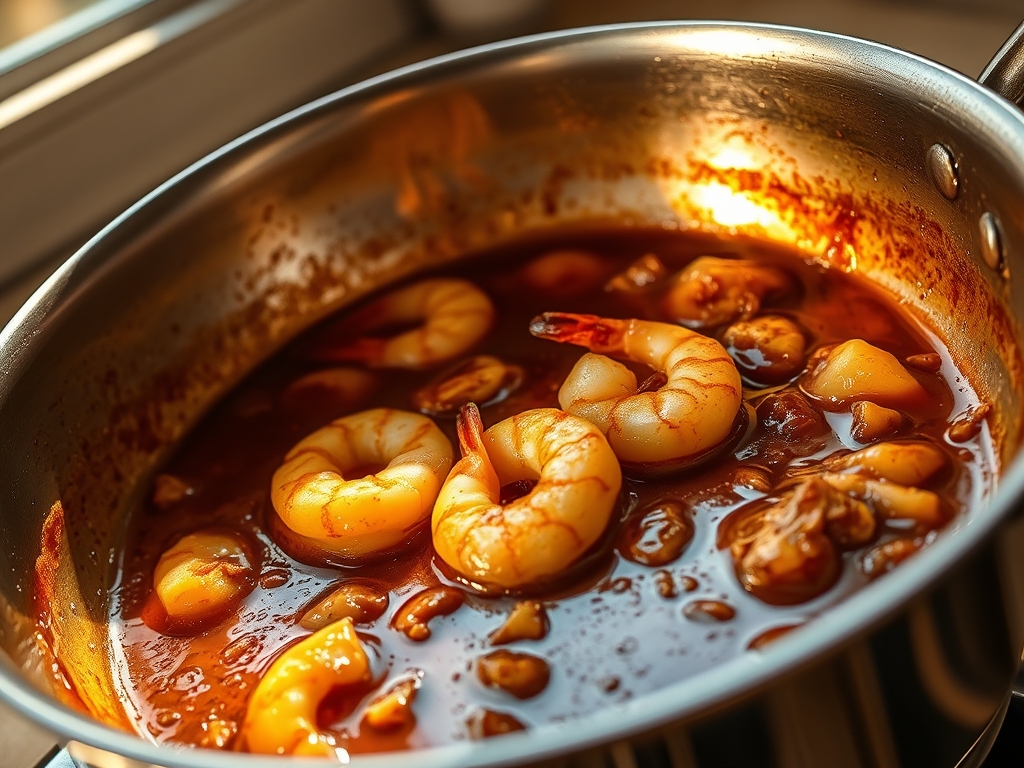
Increase the heat to high and pour in the white wine. Use a whisk or spatula to scrape up the browned bits (fond) from the bottom of the pan. Let the liquid reduce by half.
Pro Tip: This process is called deglazing. The wine acts as a solvent, lifting the concentrated flavors from the pan and incorporating them into the liquid phase. This creates the flavor backbone of your One Skillet Shrimp.
5. Emulsification and Finishing
Return the shrimp and any accumulated juices to the pan. Add the lemon juice and zest. Turn off the heat and vigorously whisk in the cold, cubed butter one piece at a time.
Pro Tip: This is the "monter au beurre" technique. The cold butter creates a stable viscous emulsion with the wine and lemon juice. If the pan is too hot, the emulsion will "break," resulting in a greasy mess rather than a velvety sauce.
Section B: Prep & Timing Fault-Lines:
The most common failure in this protocol is "The Stall." This happens when the cook realizes the garlic is prepped but the lemon isn't cut. In high-heat cooking, 30 seconds of distraction results in scorched aromatics. Use the "Mise en Place" philosophy; every ingredient must be measured and staged in small bowls before the flame is lit. If your sauce is too thin, you likely didn't reduce the wine enough before adding the butter. If it is too thick, a tablespoon of pasta water or chicken stock can aerate and loosen the consistency.
THE VISUAL SPECTRUM
Section C: Thermal & Visual Troubleshooting:
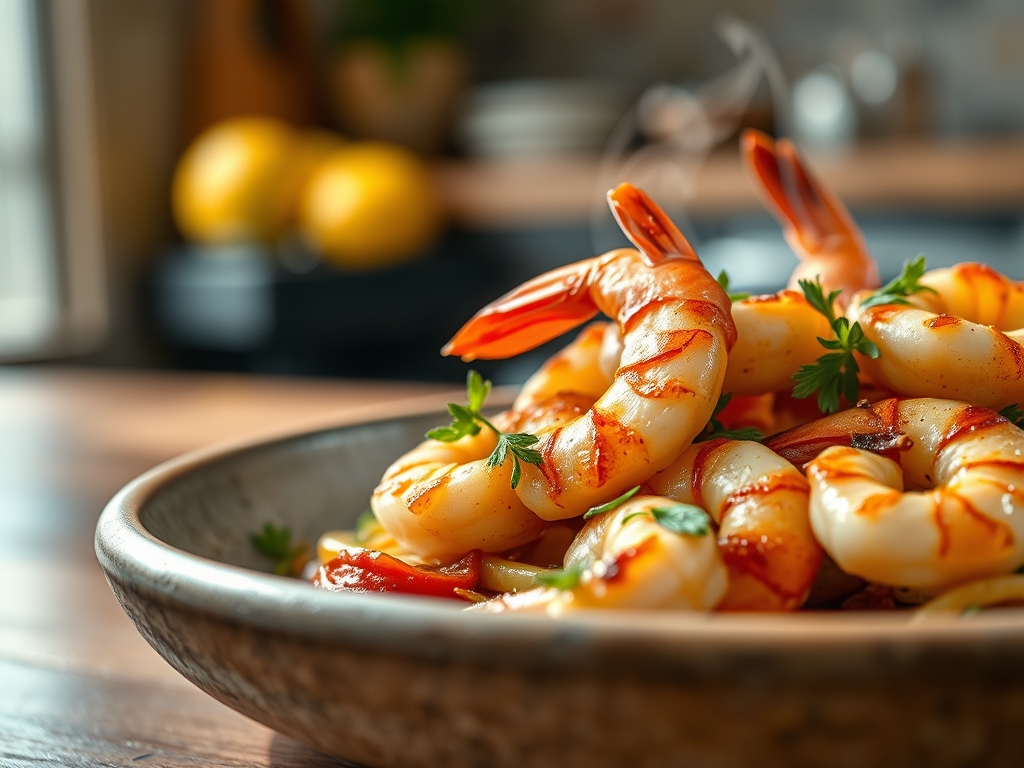
Look at the Masterclass photo. Note the tight, "C" shape of the shrimp; this indicates a perfect cook. If they are curled into a tight "O," they are overcooked and will be rubbery. The sauce should have a translucent, golden glow, not a murky or separated appearance. If your dish looks dull, you likely forgot the lemon zest at the end. Zest provides essential oils that catch the light and provide a high-frequency aromatic lift. If the browning is uneven, your pan was not leveled on the burner, or you moved the shrimp too early. Let the heat do the work.
THE DEEP DIVE
Macro Nutrition Profile:
A standard serving of this One Skillet Shrimp contains approximately 320 calories. It is a high-protein powerhouse with 35g of protein, 18g of healthy fats (largely from the olive oil and butter), and less than 5g of carbohydrates. It is an ideal metabolic fuel source.
Dietary Swaps:
- Vegan: Replace the shrimp with king oyster mushroom scallops and swap the butter for a high-quality cashew-based butter alternative.
- Keto: This recipe is naturally keto-compliant. Serve over zoodles or steamed asparagus.
- GF: The recipe is naturally gluten-free; just ensure your white wine is a dry variety with no additives.
Meal Prep & Reheating Science:
Shrimp are delicate. To reheat without ruining the texture, avoid the microwave at all costs. The microwave agitates water molecules, causing the protein fibers to tighten and become "rubbery." Instead, place the shrimp in a cold pan with a teaspoon of water, cover with a lid, and heat on low for 3 minutes. This creates a gentle steam environment that preserves the molecular structure of the crustacean.
THE KITCHEN TABLE
Why did my sauce turn oily instead of creamy?
The pan was likely too hot when you added the butter. Butter is an emulsion of water and fat; high heat breaks that bond. Always remove the skillet from the burner before whisking in cold butter to ensure a smooth finish.
Can I use pre-minced garlic from a jar?
Negative. Pre-minced garlic is stored in citric acid, which alters the pH and destroys the piquant punch of the sulfur compounds. For the One Skillet Shrimp protocol, only fresh, microplaned garlic provides the necessary aromatic intensity.
What is the best wine for this dish?
A high-acid, dry white wine is mandatory. Reach for a Sauvignon Blanc or a Pinot Grigio. Avoid oaked Chardonnays; the vanilla notes in the oak will clash violently with the garlic and lemon, creating a confused flavor profile.
How do I know when the shrimp are done?
The visual cue is the transition from translucent gray to opaque pink. The physical cue is the "spring" test. Press the thickest part of the shrimp; it should feel firm but slightly bouncy, similar to the fleshy part of your palm.