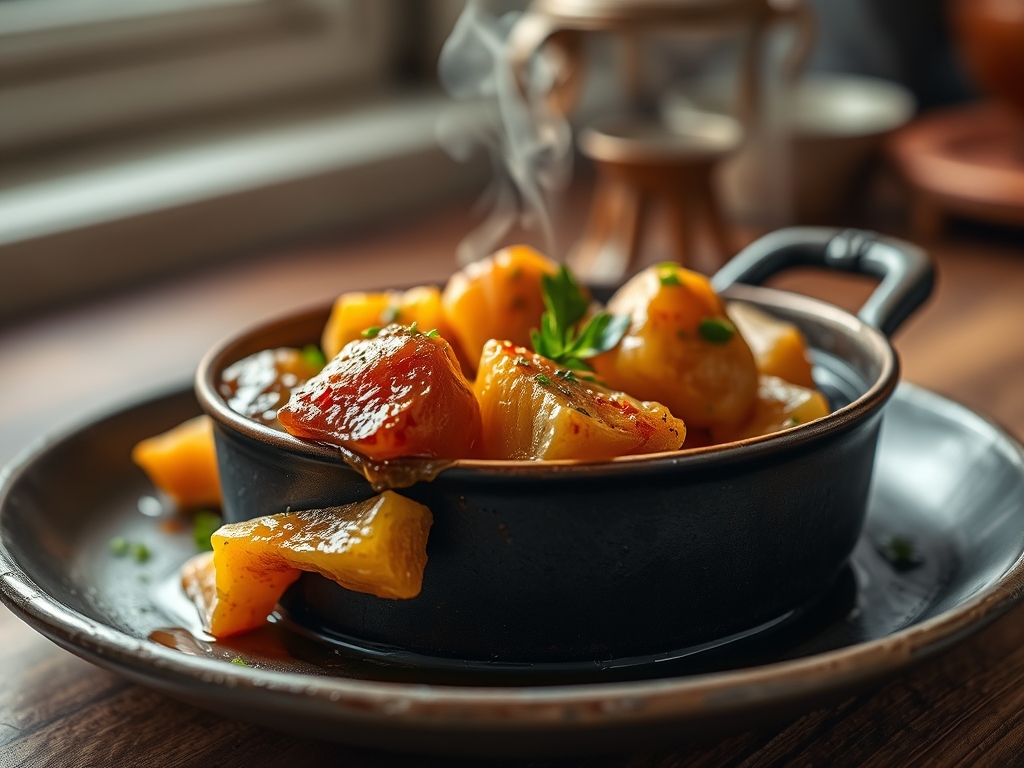
Forget your flimsy aluminum stockpots and your thin-walled ceramic basins. If you want to master the art of the long simmer, you must embrace the heavy metal. We are talking about the undisputed heavyweight champion of the kitchen: the enameled cast iron vessel. Dutch Oven Braising is not merely a cooking method; it is a high-stakes engineering project where heat is managed with the precision of a nuclear reactor. Imagine the scent of searing beef chuck hitting a shimmering layer of oil, the Maillard reaction blooming in real-time as proteins transform into a dark, crusty landscape of flavor. The air in your kitchen thickens, becoming viscous with the aroma of caramelized mirepoix and reduced wine. This is where collagen undergoes a thermal metamorphosis, shattering into silky gelatin that coats the tongue. We are building a cathedral of taste, layer by layer, utilizing radiant thermal distribution to ensure every fiber of meat reaches a state of fork-tender perfection. Strap in; we are about to audit your stew game.
THE DATA MATRIX
| Metric | Specification |
|---|---|
| Prep Time | 45 Minutes |
| Execution Time | 3.5 Hours |
| Yield | 6 Standard Servings |
| Complexity (1-10) | 6 (Requires thermal patience) |
| Estimated Cost per Serving | $4.50 USD |
THE GATHERS
Ingredient Protocol:
- 1.4 kg / 3 lbs Beef Chuck Roast, cubed into 2-inch pieces.
- 45 ml / 3 tbsp High-smoke point oil (Grapeseed or Avocado).
- 300 g / 2 large Yellow Onions, diced.
- 200 g / 3 large Carrots, sliced into thick rounds.
- 150 g / 2 stalks Celery, diced.
- 45 g / 3 tbsp Tomato Paste.
- 500 ml / 2 cups Dry Red Wine (Cabernet or Merlot).
- 750 ml / 3 cups Beef Bone Broth (Unsalted).
- 4 sprigs Fresh Thyme.
- 2 leaves Dried Bay.
- 15 g / 1 tbsp Kosher Salt.
- 5 g / 1 tsp Freshly cracked Black Pepper.
Section A: Ingredient Quality Audit:
If your beef appears grey or "wet" out of the package, it has been sitting in its own purge. This moisture is the enemy of the sear. Technical Fix: Pat the protein bone-dry with lint-free towels and allow it to air-dry on a wire rack in the refrigerator for two hours before cooking. If your red wine tastes like vinegar, do not put it in the pot. A piquant, low-quality wine will concentrate its acidity during the reduction, ruining the balance. Technical Fix: Always use a wine you would actually drink; the sugars must be balanced to facilitate proper caramelization. If your carrots are limp, they lack the cellular structure to survive a three-hour braise. Technical Fix: Use heirloom or thick-cut storage carrots rather than "baby" carrots, which are often just shaved-down scraps lacking integrity.
THE MASTERCLASS
1. The Thermal Foundation: Searing the Protein
Set your Dutch oven over medium-high heat. Use a digital scale to ensure your salt ratios are exact, then season the beef aggressively. Add oil and sear the meat in batches. Do not crowd the pan, or you will drop the surface temperature and steam the meat instead of browning it.
Pro Tip: The goal here is the Maillard reaction. This chemical reorganization of amino acids and sugars creates the "fond" (the brown bits) on the bottom of the pot. Use a bench scraper to move the meat only once a crust has formed.
2. The Aromatic Base: Mirepoix Integration
Remove the meat and drop the heat to medium. Toss in your onions, carrots, and celery. Use a wooden spoon to scrape the bottom of the pot, letting the moisture from the vegetables loosen the fond.
Pro Tip: Sweating the vegetables allows them to render their natural sugars. If the pan looks dry, add a splash of water. This prevents burning while ensuring the aromatics soften into a consistent texture.
3. The Deglaze: Alcohol Volatilization
Add the tomato paste and cook for two minutes until it turns a deep brick red. Pour in the red wine. This is the "deglaze" phase. Use the liquid to lift every remaining molecule of flavor from the bottom of the vessel.
Pro Tip: Use a saucier-style whisk if necessary to incorporate the tomato paste smoothly. You must reduce the wine by half to infuse the base with body without the harsh bite of raw alcohol.
4. The Long Simmer: Radiant Distribution
Return the beef to the pot along with the bone broth and herbs. Bring to a bare simmer, then cover with a tight-fitting lid and move to a 300F (150C) oven. The heavy lid creates a pressurized environment that forces moisture back into the meat.
Pro Tip: A heavy cast-iron lid acts as a self-basting mechanism. The condensation collects on the lid and drips back down, ensuring the top of the meat doesn't dry out during the three-hour journey.
Section B: Prep & Timing Fault-Lines:
The most common failure in Dutch Oven Braising is "The Boil." If your liquid is bubbling aggressively, the muscle fibers in the beef will tighten and toughen, squeezing out all moisture. Technical Fix: Use an oven thermometer to verify your appliance's accuracy. You want a "lazy bubble" where a single bubble breaks the surface every few seconds. Another fault-line is the "Premature Pull." If the meat is tough, it simply hasn't been in long enough for the collagen to melt. Technical Fix: Use a fork to test for "twist-tenderness." If the meat doesn't give way with zero resistance, give it another 30 minutes.
THE VISUAL SPECTRUM
Section C: Thermal & Visual Troubleshooting:
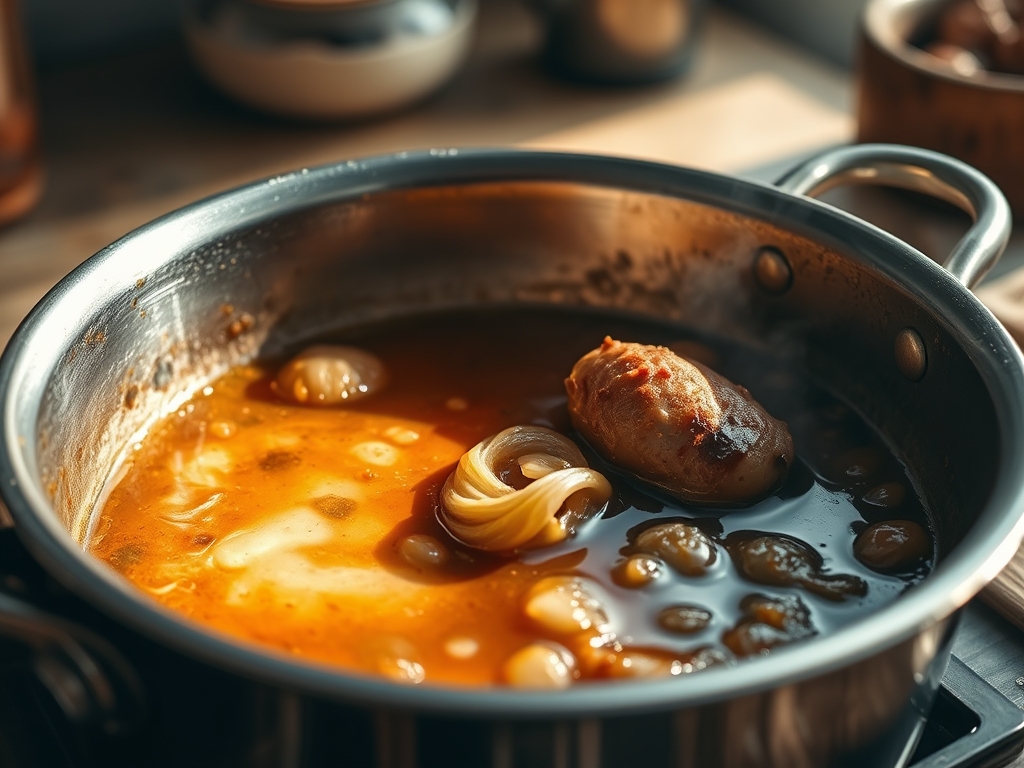
Referencing the Masterclass photo, you should see a deep, mahogany-colored liquid that is slightly viscous, not watery. If your stew looks pale or "blonde," you failed to sear the meat sufficiently or skipped the tomato paste caramelization. Technical Fix: Remove the meat and whisk in a small amount of dark roux or a cornstarch slurry to darken and thicken the sauce. If the vegetables look like mush, they were cut too small. Technical Fix: In future iterations, keep your "aromatic" vegetables (for flavor) and "service" vegetables (for eating) separate, adding the latter halfway through the cook. If the surface of the stew has a thick layer of yellow oil, you didn't trim the fat cap. Technical Fix: Use a wide spoon to skim the surface, or chill the stew overnight to lift the solidified fat off in one piece.
THE DEEP DIVE
Macro Nutrition Profile:
A standard serving (approx. 350g) provides 420 calories, 38g of protein, 14g of carbohydrates, and 22g of fat. The high protein content is matched by a significant dose of Vitamin A from the carrots and bioavailable iron from the beef.
Dietary Swaps:
- Vegan: Replace beef with "Lion's Mane" mushrooms or thick-cut seitan. Use mushroom broth and a dash of soy sauce for umami.
- Keto: Omit the carrots and onions; replace with radishes (which lose their peppery bite when braised) and leeks.
- GF: This recipe is naturally gluten-free, provided your beef broth does not contain hidden thickeners.
Meal Prep & Reheating Science:
Braising is one of the few techniques where the dish actually improves after 24 hours. As the stew cools, the gelatin-rich sauce further penetrates the meat fibers. When reheating, do not use a microwave; it creates "hot spots" that rubberize the protein. Instead, use a small pot over low heat, adding a tablespoon of water to aerate the sauce and restore its silky flow.
THE KITCHEN TABLE
Why is my beef still tough after three hours?
You likely encountered a "stall" where the internal temperature plateaued. Or, you used a lean cut like sirloin. Braising requires high-collagen cuts like chuck or shank to achieve that signature melt-in-the-mouth texture.
Can I do this in a slow cooker instead?
You can, but you lose the radiant heat of the oven and the superior browning of the cast iron. If you must use one, sear the meat in a skillet first to develop the necessary flavor compounds.
How do I get a thicker sauce without flour?
Reduce the liquid with the lid off for the final 30 minutes of cooking. Alternatively, purée one of the cooked carrots back into the sauce to provide body without altering the flavor profile or adding gluten.
What is the best wine for braising?
Avoid "cooking wines" which are loaded with sodium. Opt for a dry, tannic red like Cabernet Sauvignon. The tannins break down during the long cook, contributing to the structural integrity of the sauce's flavor.