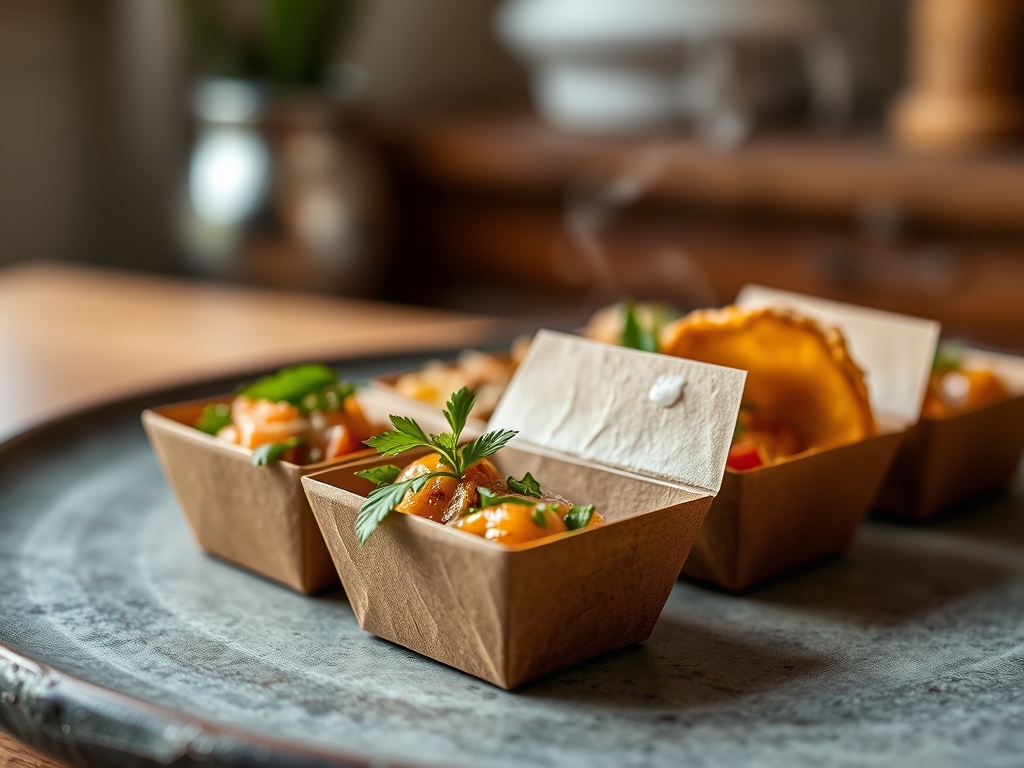
The scent of toasted alliums and rendering animal fat is not a byproduct of cooking; it is the olfactory signature of high-level engineering. When you step onto the line, you are not just a cook. You are a biological processor managing complex chemical transitions. The foundational layer of this entire operation is Chef's Knife Geometry. Without the correct primary bevel and a refined apex, you are not slicing; you are crushing cellular structures. A dull blade ruptures cell walls, releasing enzymes that lead to oxidation and bitter off-flavors. Precision geometry ensures that your mirepoix is uniform, allowing for a synchronized Maillard reaction across every cubic millimeter of surface area. We are here to build a dish that demands surgical accuracy: a Red Wine Braised Short Rib with a Root Vegetable Pave. This is a study in structural integrity and thermal endurance. If your blade profile is off, your pave will collapse. If your edge is jagged, your aromatics will bleed. Prepare for a full-scale audit of your culinary infrastructure.
THE DATA MATRIX
| Metric | Specification |
|---|---|
| Prep Time | 90 Minutes |
| Execution Time | 4 Hours |
| Yield | 4 Servings |
| Complexity (1-10) | 8 |
| Estimated Cost per Serving | $18.50 |
THE GATHERS
Ingredient Protocol:
- 1.5 kg / 3.3 lbs Beef Short Ribs (English Cut)
- 500 ml / 2 cups Dry Red Wine (Cabernet or Syrah)
- 750 ml / 3 cups Beef Bone Broth (High Gelatin Content)
- 300 g / 10.5 oz Yellow Onions (Small Dice)
- 150 g / 5.3 oz Carrots (Small Dice)
- 150 g / 5.3 oz Celery (Small Dice)
- 50 g / 1.8 oz Tomato Paste
- 4 Large Russet Potatoes (For the Pave)
- 100 g / 3.5 oz Clarified Butter (Ghee)
- 3 Sprigs Fresh Thyme
- 2 Bay Leaves
Section A: Ingredient Quality Audit:
If your short ribs lack significant intramuscular marbling, the final result will be fibrous rather than viscous. To fix lean cuts, increase the braising liquid fat content by adding 50g of marrow or suet. If your root vegetables feel soft or rubbery, they have lost turgor pressure. Revive them by submerging them in an ice-water bath for 30 minutes before cutting. This restores the internal water pressure, ensuring the Chef's Knife Geometry can track through the vegetable without snagging. If the wine is overly acidic or "corked," do not use it; the heat will only concentrate those defects. A piquant finish is desirable, but vinegary notes will ruin the emulsion.
THE MASTERCLASS
1. The Geometric Prep
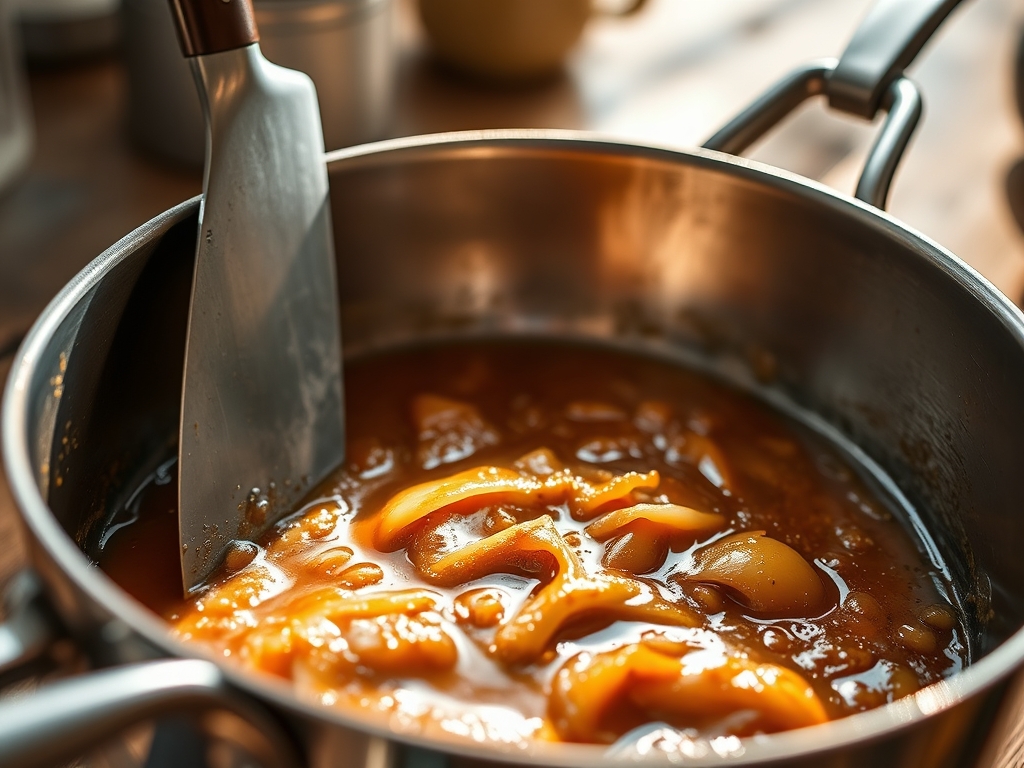
Utilize a sharp 210mm Gyuto or Western Chef's knife to execute a perfect small dice on your aromatics. The Chef's Knife Geometry must feature a thin behind-the-edge thickness to prevent "wedging" in the carrots. Use a bench scraper to transfer your precise cuts to a stainless steel tray.
Pro Tip: A polished edge (8000 grit) is superior for proteins, but a slightly toothy edge (2000 to 5000 grit) is better for cutting through waxy vegetable skins. The microscopic serrations provide the "bite" needed for accuracy.
2. The Maillard Threshold
Season the ribs heavily with kosher salt. Heat a heavy-bottomed Dutch oven until it reaches 220C (425F). Sear the ribs in batches to avoid crowding, which drops the surface temperature and causes the meat to steam rather than render.
Pro Tip: Use a digital scale to weigh your salt (1.5% of meat weight) to ensure consistent seasoning. The crust formed here is the foundation of the deep, savory "umami" profile of the final sauce.
3. Deglazing and Infusion
Remove the ribs and discard excess fat, leaving 2 tablespoons. Add the mirepoix and sauté until caramelized. Add tomato paste and cook for 3 minutes to infuse the oil with color. Pour in the wine to deglaze, scraping the bottom to release the fond.
Pro Tip: Use a flat-edged wooden spatula or a saucier whisk to ensure no carbonized bits remain stuck to the bottom. This prevents bitter notes from permeating the braise.
4. The Long Braise
Return the ribs to the pot. Add the bone broth until the ribs are 75% submerged. Cover with a parchment paper cartouche and a tight lid. Place in a 150C (300F) oven for 3 to 4 hours.
Pro Tip: The cartouche prevents the top of the meat from drying out while allowing for controlled evaporation. This concentrates the liquid into a viscous glaze without boiling the delicate proteins.
5. The Potato Pave
While the ribs braise, slice potatoes to 1mm thickness using a mandoline. Layer them in a lined loaf pan with clarified butter and salt. Bake at 175C (350F) for 1 hour; then compress with a weight overnight.
Pro Tip: Precision thickness is vital for the "pave" (pavement) aesthetic. Use a digital scale to weigh the compression force; 2kg is ideal for a standard loaf pan to ensure the layers fuse into a single structural unit.
Section B: Prep & Timing Fault-Lines:
The most common failure is "The Boil." If your braising liquid reaches a rolling boil, the collagen will contract too quickly, squeezing out moisture and leaving the meat dry. Keep the liquid at a gentle simmer (95C/203F). If your pave is falling apart when sliced, you likely skipped the overnight compression. The starch needs time to set and bond the layers together. Use a sharp, thin-bladed knife to slice the pave once cold; then sear the faces to aerate the exterior texture.
THE VISUAL SPECTRUM
Section C: Thermal & Visual Troubleshooting:
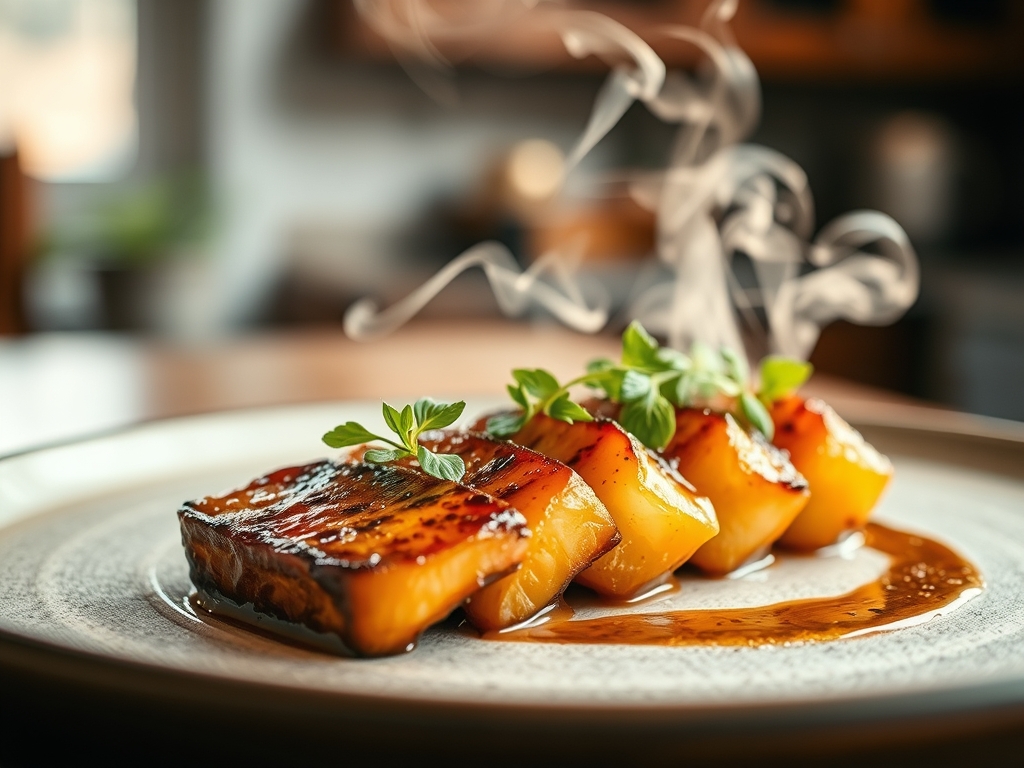
Referencing the Masterclass image, the short rib should possess a deep mahogany lacquer. If the sauce looks pale or "muddy," you likely under-seared the meat or didn't cook the tomato paste long enough. If the sauce is broken (oil separating from the liquid), whisk in a cold knob of butter or a splash of water to re-establish the emulsion. The potato pave should show distinct, visible layers with a golden-brown "GBD" (Golden Brown Delicious) crust on the top and bottom. If the edges are charred but the center is translucent, your oven floor heat is too high; move the rack to the center position.
THE DEEP DIVE
- Macro Nutrition Profile: This is a high-protein, high-fat dish. Per serving: 650 Calories, 45g Protein, 38g Fat, 22g Carbohydrates.
- Dietary Swaps: For Vegan, swap beef for "Lion's Mane" mushrooms and use mushroom dashi instead of bone broth. For Keto, replace the potato pave with a roasted cauliflower puree. For GF, ensure the beef broth is certified gluten-free.
- Meal Prep & Reheating Science: To maintain molecular structure, reheat the ribs in the sauce over low heat. Avoid the microwave, as it causes the protein fibers to tighten and become "rubbery." The pave can be reheated in a non-stick pan to maintain its crisp exterior.
THE KITCHEN TABLE
Why does my knife slip on onion skins?
Your Chef's Knife Geometry likely lacks a refined apex. If the edge is rounded rather than a sharp "V," it cannot penetrate the waxy surface. Hone your blade on a ceramic rod or strop to realign the edge.
Can I use a slow cooker instead of an oven?
You can, but you lose the top-down radiant heat that creates the "glaze" effect. If using a slow cooker, reduce the total liquid by 25% because there is zero evaporation in a sealed unit.
How do I get the sauce so shiny?
The "mirror" finish comes from gelatin and a final "monter au beurre." Whisking in cold butter at the very end creates a stable emulsion that reflects light, giving the sauce a professional, glossy appearance.
My potatoes turned brown before I could bake them.
This is enzymatic browning. To prevent this, work quickly and keep the sliced potatoes submerged in the clarified butter or a light citric acid solution (water and lemon juice) until you are ready to layer.