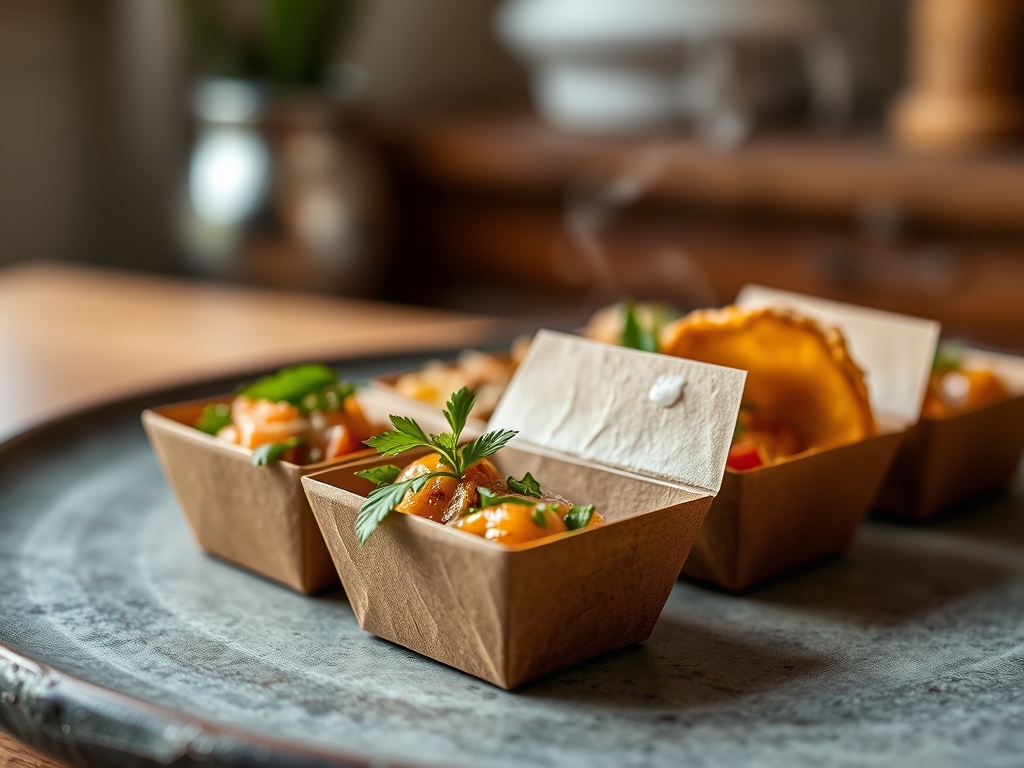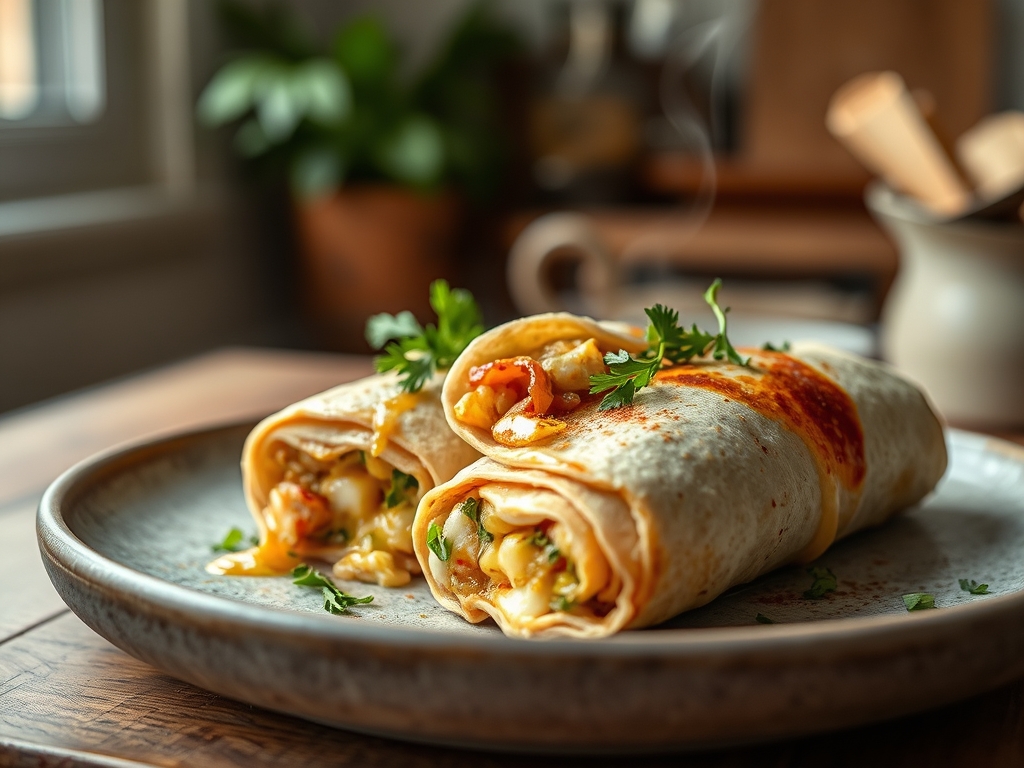
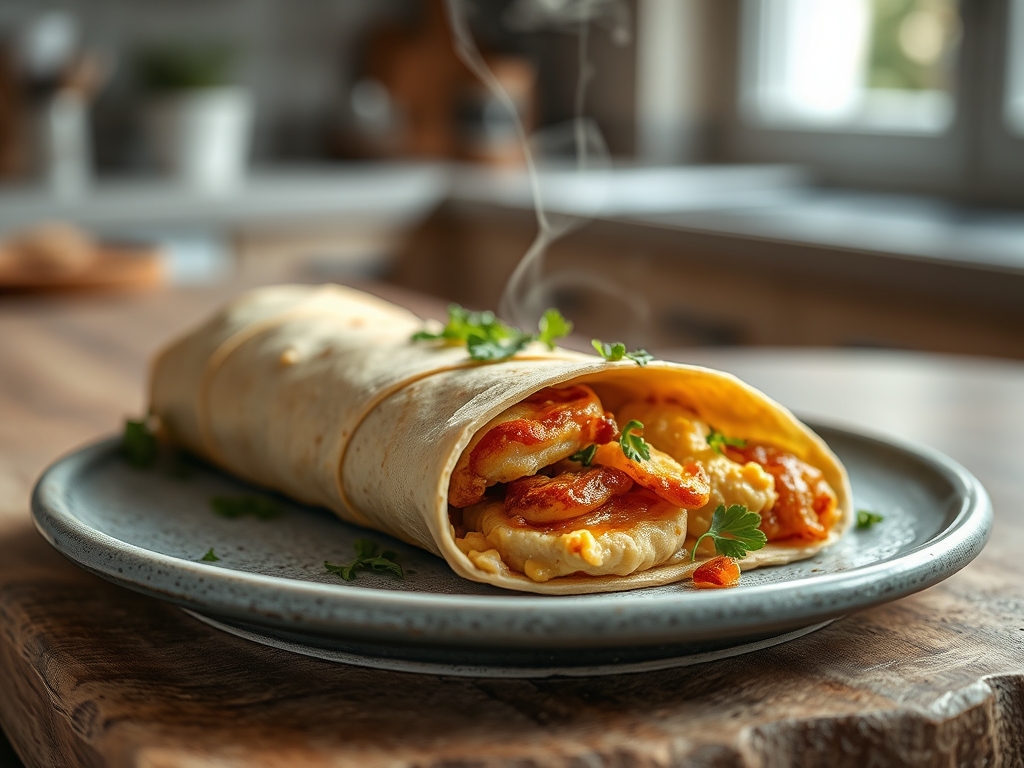
The kitchen is a high-stakes arena where the margin between a soggy failure and a structural masterpiece is measured in milliseconds. We are not just making lunch; we are engineering a Quick Hummus Wrap designed for peak performance and low-latency consumption. Imagine the snap of a chilled cucumber against the creamy, viscous weight of a perfectly emulsified chickpea spread. The air should smell of toasted cumin and the sharp, piquant sting of fresh lemon zest. This is about more than flavor; it is about the tactile feedback of a taut flour tortilla containing a pressurized payload of plant-based nutrients. When you bite into this wrap, the structural integrity must hold. No leakage. No structural collapse. No moisture migration into the grain matrix. We are deploying a high-speed nutritional delivery system that bypasses the sluggishness of traditional meal prep. This is the infrastructure of the modern pantry, optimized for the rapid-response lifestyle of the high-functioning professional. Prepare your station; we are about to synchronize flavor and physics.
THE DATA MATRIX
| Metric | Specification |
|---|---|
| Prep Time | 8 Minutes |
| Execution Time | 4 Minutes |
| Yield | 2 Units |
| Complexity (1-10) | 3 |
| Estimated Cost per Serving | $2.15 |
THE GATHERS
Ingredient Protocol:
- 400g / 1.5 cups Cooked Chickpeas (Drained)
- 60ml / 0.25 cup Tahini (Premium Grade)
- 30ml / 2 tbsp Fresh Lemon Juice
- 2 Large Flour Tortillas (30cm / 12 inch)
- 100g / 1 cup Shredded Romaine Lettuce
- 50g / 0.5 cup Sliced English Cucumber
- 30g / 2 tbsp Red Onion (Fine Julienne)
- 5ml / 1 tsp Smoked Paprika
- 2g / 0.5 tsp Sea Salt
Section A: Ingredient Quality Audit:
If your chickpeas are "chalky," the starch granules have not fully gelatinized. Fix this by simmering canned chickpeas for five minutes with a pinch of baking soda to break down the hemicellulose in the skins. If your tahini is separated into a hard mass and a layer of oil, do not attempt to stir it by hand. Use a high-speed immersion blender to re-emulsify the fats into a homogenous, pourable liquid. Sub-par greens with visible wilting indicate cellular collapse; shock them in an ice-water bath for sixty seconds to restore turgor pressure before assembly.
THE MASTERCLASS
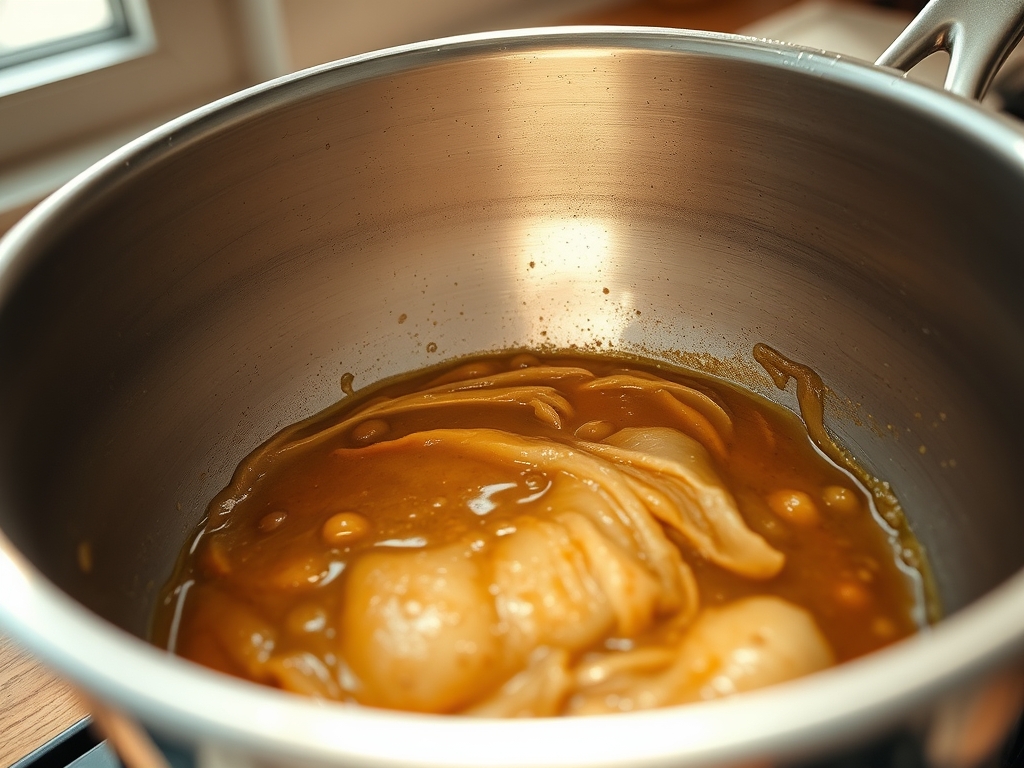
1. The Hummus Synthesis
Place the chickpeas, tahini, lemon juice, and salt into a food processor. Process on high until the mixture is completely smooth and aerated. If the mixture is too dense, add ice-cold water one tablespoon at a time.
Pro Tip: Use a digital scale to ensure the ratio of tahini to chickpeas is exact. The cold water creates a mechanical emulsion that lightens the color and creates a fluffy, cloud-like texture by trapping air micro-bubbles within the fat molecules.
2. Thermal Activation of the Base
Place a dry saucier or flat griddle over medium heat. Toast the tortilla for exactly fifteen seconds per side until it becomes pliable and exhibits slight blistering.
Pro Tip: This step is crucial for "plasticizing" the gluten network. A cold tortilla is brittle and prone to structural failure; heat makes the starches flexible, allowing for a tighter wrap without tearing the exterior membrane.
3. Precision Layering
Spread 100g of the hummus across the center third of the tortilla using a bench scraper or offset spatula for a perfectly level surface. Leave a 5cm margin at the edges to prevent payload overflow during the compression phase.
Pro Tip: The hummus acts as a moisture barrier. By creating a flat, even layer, you prevent the vegetable juices from penetrating the tortilla, which maintains the structural integrity of the wrap over time.
4. The Structural Load
Arrange the cucumbers and onions in a longitudinal orientation. Top with the shredded romaine. Dust the entire assembly with smoked paprika to infuse a deep, earthy aroma into the top layer.
Pro Tip: Orienting your vegetables parallel to the fold line creates a "rebar" effect. This internal skeleton prevents the wrap from sagging and ensures that every bite contains a mathematically consistent ratio of ingredients.
5. The Final Compression
Fold the sides inward, then roll the bottom edge over the filling, tucking it tightly as you rotate. Use a sharp serrated knife to bias-cut the wrap at a forty-five-degree angle.
Pro Tip: High-tension rolling is the secret to low-latency eating. A tight wrap prevents oxygen from entering the core, which slows down the oxidation of the vegetables and keeps the interior crisp.
Section B: Prep & Timing Fault-Lines:
The most common failure in a Quick Hummus Wrap is "moisture creep." If you prep the vegetables too far in advance, they will weep liquid. Always salt your cucumbers five minutes before assembly and pat them dry with a lint-free cloth to remove excess surface water. If your hummus is too warm from the friction of the food processor blades, chill it in a shallow metal bowl for five minutes to stabilize the fats before spreading.
THE VISUAL SPECTRUM
Section C: Thermal & Visual Troubleshooting:
Referencing the Masterclass photo, look for the "leopard spotting" on the tortilla; this indicates proper starch caramelization. If your wrap looks pale and "doughy," your heat source was too low. If the hummus appears grainy rather than glossy, the emulsion has broken; whisk in a teaspoon of warm water to re-bind the fats. Dull colors in the vegetables suggest a lack of acidity. A quick spritz of lemon juice over the cucumbers before rolling will brighten the chlorophyll and enhance the visual contrast against the pale hummus.
THE DEEP DIVE
Macro Nutrition Profile:
A single serving of this Quick Hummus Wrap delivers approximately 450 calories, 15g of plant-based protein, 12g of healthy fats, and 8g of dietary fiber. The complex carbohydrates in the chickpeas provide a sustained glucose release, preventing the mid-afternoon insulin spike associated with refined-flour meals.
Dietary Swaps:
For a Keto-compliant version, replace the flour tortilla with a large blanched collard green leaf or a high-fiber flax wrap. To make it Gluten-Free, utilize a cassava-based tortilla. For a Vegan power-up, ensure your tahini is sourced from unhulled seeds to maximize calcium and mineral density.
Meal Prep & Reheating Science:
To maintain molecular structure for 24-hour storage, wrap the assembly tightly in parchment paper followed by foil. This dual-layer insulation prevents desiccation. When reheating, avoid the microwave, which turns the tortilla into a rubbery polymer. Instead, use a dry skillet or an air fryer at 175C for three minutes to crisp the exterior while keeping the internal hummus cool and viscous.
THE KITCHEN TABLE
How do I prevent my wrap from getting soggy?
The "fat-barrier" method is essential. Spread your hummus or a thin layer of oil-based dressing directly onto the tortilla first. This hydrophobic layer prevents the water-heavy vegetables from migrating into the grain fibers of the wrap.
Can I use bottled lemon juice?
Bottled juice lacks the volatile aromatic oils found in fresh zest. For a truly piquant profile, always use fresh citrus. The enzymes in fresh juice also help to further soften the chickpea proteins for a smoother mouthfeel.
What is the best way to cut the wrap?
Use a serrated bread knife and a gentle sawing motion. Do not press down vertically, as this will compress the internal air pockets and force the hummus out of the sides, compromising the structural seal.
Why is my hummus so thick?
Hummus thickens as it sits due to starch retrogradation. If preparing in advance, increase the initial water content by ten percent. This ensures the spread remains pliable and easy to distribute across the tortilla surface during assembly.