Forget everything you know about the lackluster, soggy piles of vegetation masquerading as Mediterranean cuisine at your local deli. We are not here to toss a few cucumbers in a bowl and hope for the best; we are here to engineer a masterpiece of hydration and salt. Welcome to the high-stakes world of the 10 Min Greek Salad. This is an audit of efficiency where every second counts and every gram of feta must be strategically deployed for maximum piquant impact. Imagine the snap of a cold Persian cucumber meeting the creamy, lactic acid tang of premium sheep's milk cheese. The air should fill with the scent of dried oregano and high-phenolic olive oil. This is a visceral experience of textures: the crunch of the vegetable matrix against the yielding softness of the curd. We are optimizing for speed without sacrificing the structural integrity of our ingredients. If you cannot execute this in six hundred seconds, your kitchen workflow is officially under review. Prepare to recalibrate your expectations of what a rapid lunch can achieve when backed by rigorous culinary infrastructure.
THE DATA MATRIX
| Metric | Specification |
|---|---|
| Prep Time | 7 Minutes |
| Execution Time | 3 Minutes |
| Yield | 2 Servings |
| Complexity (1-10) | 2 |
| Estimated Cost per Serving | $4.50 USD |
THE GATHERS
Ingredient Protocol:
- 450g / 3 cups Persian Cucumbers (sliced into rounds)
- 300g / 2 cups Heirloom Cherry Tomatoes (halved)
- 100g / 1/2 cup Kalamata Olives (pitted and halved)
- 60g / 1/4 cup Red Onion (micro-planed or thinly sliced)
- 200g / 7 oz High-Quality Feta (in brine, not pre-crumbled)
- 60ml / 4 tbsp Extra Virgin Olive Oil (cold-pressed)
- 15ml / 1 tbsp Red Wine Vinegar
- 5g / 1 tsp Dried Oregano (crushed between palms)
- 2g / 1/2 tsp Flaky Sea Salt
- 1g / 1/4 tsp Cracked Black Pepper
Section A: Ingredient Quality Audit:
The primary failure point in a 10 Min Greek Salad is water activity. If your tomatoes are mealy and refrigerated, the cellular structure has already collapsed; bring them to room temperature to restore their aromatic profile. If your cucumbers feel flaccid, submerge them in an ice bath for three minutes to restore turgor pressure. Most importantly, avoid pre-crumbled feta at all costs. Pre-crumbled cheese is coated in cellulose to prevent clumping, which creates a grainy mouthfeel and inhibits the cheese from becoming viscous when it meets the oil. Always buy the block. If your red onions are too aggressive, soak the slices in ice water for two minutes to leach out the volatile sulfur compounds; this ensures a piquant finish rather than a lingering burn.
THE MASTERCLASS
1. The Foundation Geometry
Begin by deploying your bench scraper to clear your workstation. Slice the cucumbers into uniform 1cm rounds and halve the tomatoes. Consistency in size is not just for aesthetics; it ensures that every forkful has a balanced ratio of surface area to dressing.
Pro Tip: Use a digital scale to measure your vegetables. Maintaining a specific ratio of cucumber to tomato ensures that the acidity of the tomato juice does not overwhelm the refreshing neutral base of the cucumber.
2. The Osmotic Base
Place the sliced red onions and cucumbers in a large stainless steel mixing bowl. Sprinkle with a fraction of the sea salt. This initiates a minor osmotic draw, pulling just enough moisture to the surface to help the dressing adhere later.
Pro Tip: Do not over-salt at this stage. You want to infuse the vegetables with flavor without causing them to purge all their internal hydration, which would turn the bottom of your bowl into a swamp.
3. The Emulsion Phase
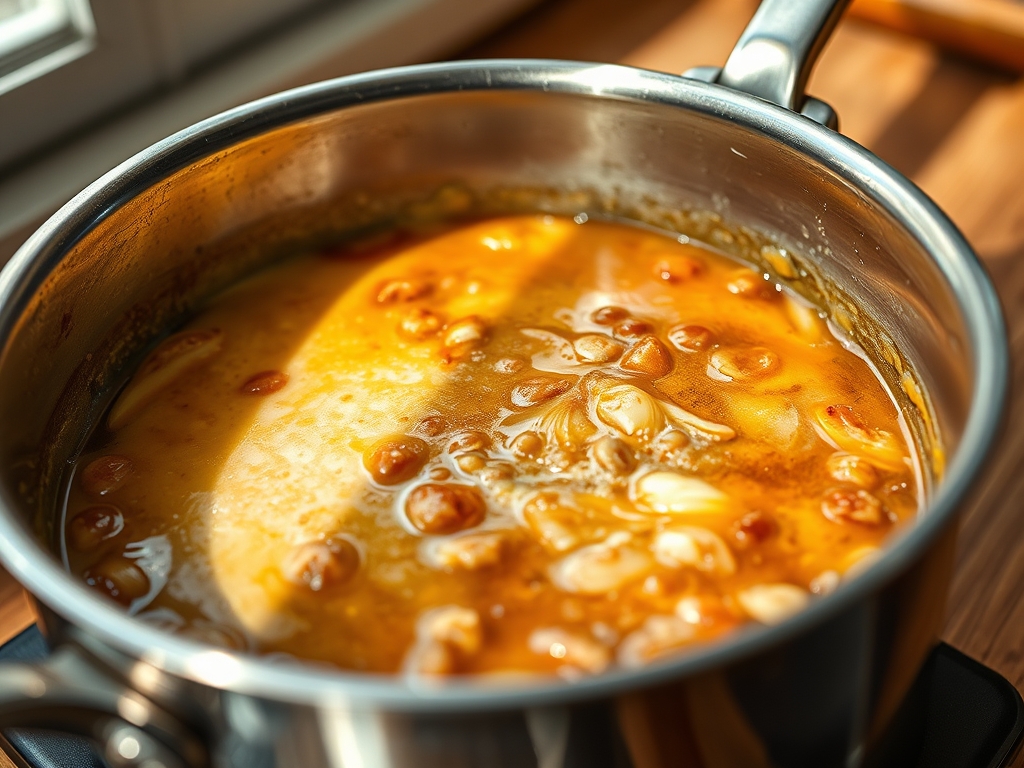
In a small saucier or glass jar, combine the olive oil, red wine vinegar, and oregano. Whisk vigorously or shake until the mixture is temporarily emulsified. You are looking for a cohesive, cloudy appearance where the lipids and acids are forced into a temporary union.
Pro Tip: The science of a temporary emulsion relies on kinetic energy. By shaking the dressing, you aerate the oil, allowing it to coat the vegetables in a thin, velvet-like film rather than pooling at the bottom.
4. The Feta Integration
Gently fold in the olives and the feta. Use your hands or a silicone spatula to break the feta into large, jagged chunks. This creates more surface area for the dressing to cling to while maintaining the structural integrity of the cheese.
Pro Tip: Professional chefs use a bench scraper to lift and fold the salad. This prevents the delicate tomatoes from bruising and keeps the feta from turning into a paste, which would ruin the visual clarity of the dish.
Section B: Prep & Timing Fault-Lines:
The most common timing error is dressing the salad too early. If the 10 Min Greek Salad sits for more than twenty minutes, the salt will compromise the cell walls of the vegetables, leading to a loss of "snap." To prevent this, prep all components but keep the dressing in a separate vessel until sixty seconds before service. If you are working in a high-temperature kitchen, chill your mixing bowl in the freezer for five minutes prior to assembly. This keeps the fats in the feta stable and ensures the cucumbers remain crisp during the final integration.
THE VISUAL SPECTRUM
Section C: Thermal & Visual Troubleshooting:
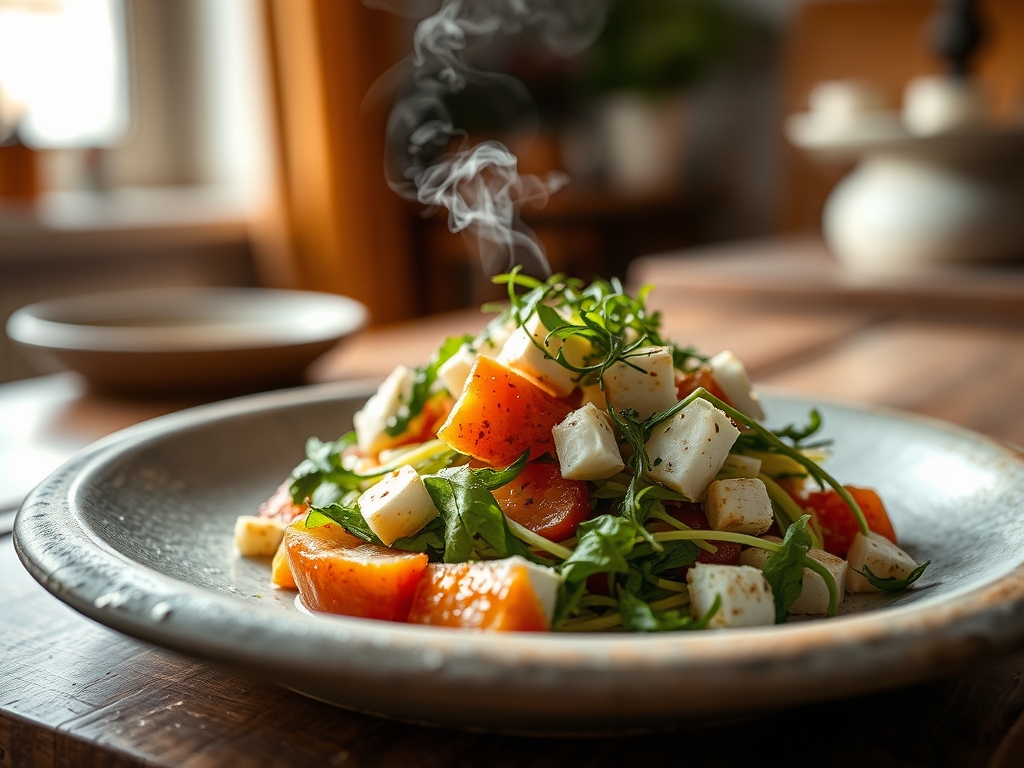
Referencing the Masterclass photo, your salad should exhibit a vibrant color gamut. If your salad looks dull or "gray," your vinegar may be oxidized or your herbs are stale. The tomatoes should pop with a deep crimson, and the cucumbers should show a bright, translucent green. If the feta looks yellow, it has been exposed to too much oxygen; fresh feta should be stark white. If you notice a pool of liquid at the bottom of the bowl, you have over-mixed or over-salted. The goal is a glistening sheen on the vegetables, not a soup. Ensure the oregano is evenly distributed; if it clumps, you failed to properly aerate the dried leaves between your palms during the seasoning phase.
THE DEEP DIVE
Macro Nutrition Profile
This assembly is a powerhouse of healthy lipids and micronutrients. Per serving, you are looking at approximately 350 calories, with 30g of healthy fats, 12g of protein from the sheep's milk feta, and 8g of net carbohydrates. The high fiber content from the skins of the cucumbers and tomatoes ensures a low glycemic response.
Dietary Swaps
- Vegan: Replace feta with a firm, almond-based fermented "cheese" or brined tofu cubes seasoned with nutritional yeast and lemon.
- Keto: This recipe is inherently keto-friendly. To increase the fat macro, add half an avocado or increase the olive oil volume.
- GF: Naturally gluten-free. Ensure your vinegar source is certified if you have extreme sensitivities.
Meal Prep & Reheating Science
Do not reheat this dish. The molecular structure of the raw vegetables will collapse into a mushy mess if exposed to microwave radiation. For meal prep, use the "Mason Jar" method: place the dressing at the very bottom, followed by the olives and onions, then the feta, and finally the cucumbers and tomatoes on top. This vertical layering prevents the dressing from interacting with the sensitive vegetables until you invert the jar for consumption.
THE KITCHEN TABLE
Why is my salad so watery?
You likely salted the vegetables too early or used low-quality tomatoes. Salt draws out moisture through osmosis. To fix this, dress the salad immediately before serving and ensure your tomatoes are room temperature and firm.
Can I use bottled lemon juice instead of vinegar?
Negative. Bottled juice lacks the bright, volatile aromatics of fresh citrus or the complex acetic acid of red wine vinegar. If you must use lemon, squeeze it fresh to ensure the enzymes remain active and flavorful.
What is the best way to store leftovers?
Storage is not recommended for more than twelve hours. If you must, store in an airtight glass container. The cucumbers will lose their crunch as they absorb the acidic dressing, changing the texture from "fresh" to "pickled."
Why does my feta taste bland?
You are likely using cow's milk feta. For the authentic piquant profile, seek out a Greek feta made from a sheep and goat milk blend. The higher fat content and specific fatty acids provide a much sharper flavor.