The kitchen is a theater of thermal dynamics where the humble pork casing meets the blistering heat of a seasoned pan. Forget the sluggish braises of the past; we are here for the high-velocity, high-impact execution of 15 Min Sausage Peppers. The air should thick with the scent of rendering fat and the sharp, piquant sting of blistered capsicum. This is not just a meal; it is a tactical deployment of lipids and aromatic compounds designed to saturate your palate in record time. We are looking for that perfect Maillard reaction on the sausage exterior while maintaining a crisp, vibrant snap in the vegetables. Every second counts when you are balancing the thermodynamics of a smoking skillet against the delicate sugars of a sliced onion. If you are not hearing the aggressive hiss of moisture evaporating upon contact with the steel, you are failing the audit. This protocol demands precision, speed, and an uncompromising stance on ingredient quality. Prepare your station; the clock starts now for the ultimate 15 Min Sausage Peppers.
THE DATA MATRIX
| Metric | Specification |
|---|---|
| Prep Time | 5 Minutes |
| Execution Time | 10 Minutes |
| Yield | 4 Servings |
| Complexity (1-10) | 3 |
| Estimated Cost per Serving | $3.50 |
THE GATHERS
Ingredient Protocol:
- 500g / 1.1 lbs Italian Pork Sausages (Links or sliced)
- 30ml / 2 tbsp Extra Virgin Olive Oil
- 2 Large Bell Peppers (300g / 10.5 oz), julienned
- 1 Large Yellow Onion (200g / 7 oz), thinly sliced
- 3 Garlic Cloves (15g / 0.5 oz), minced
- 5g / 1 tsp Dried Oregano
- 2g / 0.5 tsp Red Pepper Flakes
- 60ml / 0.25 cup Dry White Wine or Chicken Stock
- Salt and Black Pepper to taste
Section A: Ingredient Quality Audit:
The primary failure point in this assembly is the use of "water-added" sausages. If your links release a grey, viscous sludge instead of clear, golden fat, you have purchased a sub-par product with too much filler. The technical fix is to par-boil the links for three minutes to set the proteins before searing, or better yet, source high-quality, coarse-ground links from a reputable butcher. Secondly, if your peppers are flaccid or wrinkled, they lack the cellular turgor pressure required for a proper sauté. Revive them by submerging sliced segments in an ice-water bath for ten minutes to rehydrate the cell walls before they hit the heat. Finally, ensure your olive oil has a high enough smoke point; avoid unfiltered oils which contain particulates that will burn and turn bitter during the high-heat phase of this 15 Min Sausage Peppers audit.
THE MASTERCLASS
1. Thermal Priming and Searing
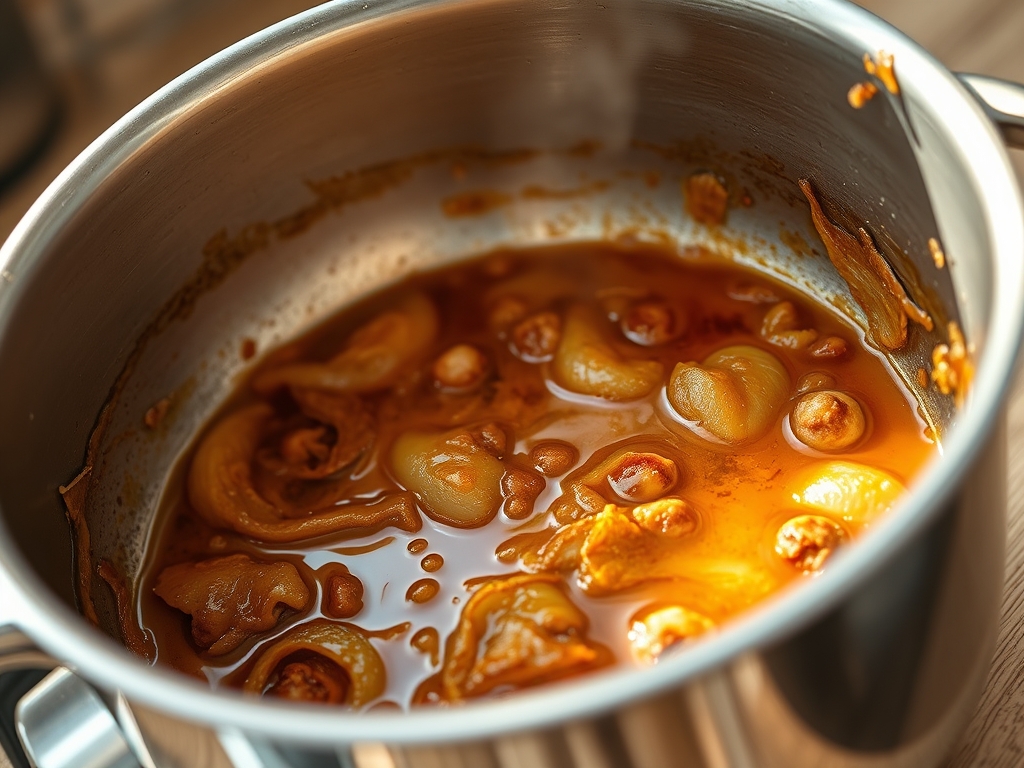
Place your heavy-bottomed skillet or saucier over medium-high heat. Add the olive oil and wait for the shimmering effect that indicates the viscosity has decreased. Add the sausage links. If using whole links, sear until the casings are taut and browned. If sliced, ensure each coin has direct contact with the metal.
Pro Tip: Use a digital scale to ensure even portioning of the meat. The science here is the Maillard reaction; the browning of amino acids and sugars creates the complex savory profile essential to the dish. Do not crowd the pan or you will drop the surface temperature and steam the meat instead of searing it.
2. The Vegetable Infusion
Remove the sausages and set them aside using a bench scraper or tongs. Immediately toss in the onions and peppers. The residual pork fat will now begin to infuse the vegetables. Sauté for three to four minutes until the edges of the onions begin to caramelize and the peppers soften but retain their structural integrity.
Pro Tip: This is where you aerate the mixture with frequent tosses. The high heat breaks down the hemicellulose in the vegetable cell walls. Professional chefs use a heavy skillet to maintain thermal mass, ensuring the temperature does not plummet when the cold vegetables are introduced.
3. Aromatic Activation and Deglazing
Add the minced garlic, oregano, and red pepper flakes. Stir constantly for 30 seconds until the volatile oils in the spices are released. Pour in the white wine or stock to deglaze the pan, using a wooden spoon to scrape up the fond (the browned bits stuck to the bottom).
Pro Tip: Deglazing is a chemical process where the liquid dissolves the concentrated flavors on the pan surface. This creates a light, emulsified sauce that coats the ingredients. Ensure you use a high-quality liquid, as the reduction will concentrate the flavor profile significantly.
4. Final Integration
Return the sausages to the pan. Toss everything together for the final two minutes of the 15 Min Sausage Peppers protocol. The liquid should reduce until it is a thin, glossy glaze that clings to the peppers and pork. Season aggressively with salt and cracked black pepper.
Pro Tip: Use an instant-read thermometer to verify the sausages have reached an internal temperature of 71C / 160F. This ensures food safety without overcooking the proteins into a dry, mealy texture.
Section B: Prep & Timing Fault-Lines:
The most common human error is the "Cold Start" fallacy. Placing ingredients into a cold pan results in oil absorption rather than surface searing. Always wait for the oil to shimmer. Another timing fault occurs with garlic; adding it at the start of the vegetable sauté will lead to carbonization and a bitter aftertaste. Garlic requires only 30 to 60 seconds of heat to reach its peak aromatic state. If your timing is off, move the vegetables to the perimeter of the pan and cook the garlic in the center "hot zone" for a controlled burst of heat.
THE VISUAL SPECTRUM
Section C: Thermal & Visual Troubleshooting:
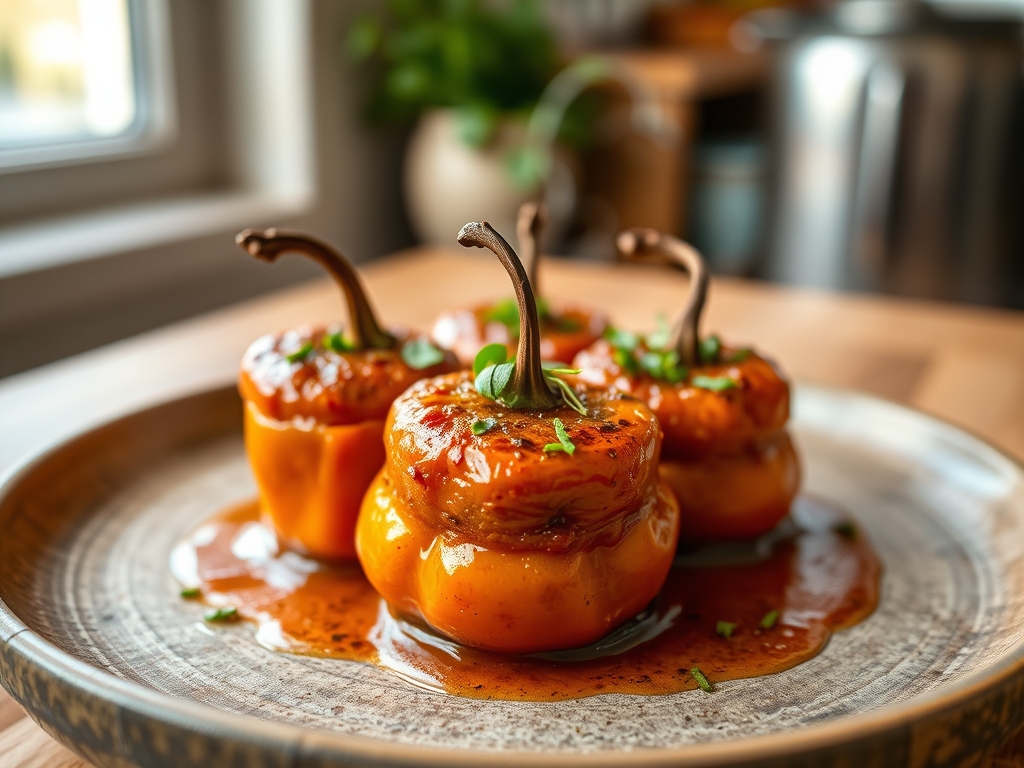
Referencing the Masterclass photo, your 15 Min Sausage Peppers should exhibit a high-contrast color palette. If your dish looks dull or "muddy," you have likely overcooked the peppers, causing the chlorophyll and carotenoids to degrade. The peppers should have charred "leopard spots" while maintaining a bright hue. If the sausages look grey, your pan temperature was too low; increase the BTUs next time. If the sauce is watery rather than glossy, you failed to reduce the deglazing liquid sufficiently. Continue to cook over high heat for an additional 60 seconds to drive off excess moisture and concentrate the lipids into a shimmering coating.
THE DEEP DIVE
Macro Nutrition Profile
A standard serving of this 15 Min Sausage Peppers protocol yields approximately 450 calories. The macro split is roughly 35g Fat, 25g Protein, and 12g Carbohydrates. The majority of the fat is derived from the sausage rendering, while the carbohydrates are sourced from the natural sugars in the bell peppers and onions.
Dietary Swaps
- Vegan: Substitute pork sausages with high-protein seitan links or fermented soy-based sausages. Use vegetable bouillon for deglazing.
- Keto: This dish is naturally keto-compliant. Increase the olive oil ratio to boost the fat macros.
- GF: Ensure the sausages are certified gluten-free, as many commercial brands use breadcrumbs as a binder.
Meal Prep & Reheating Science
To maintain molecular structure during reheating, avoid the microwave, which vibrates water molecules and turns the peppers into mush. Instead, reheat in a skillet over medium heat with a tablespoon of water. This creates a steam-jacket effect that hydrates the meat without compromising the snap of the vegetables.
THE KITCHEN TABLE
Why are my peppers soggy instead of crisp?
You likely overcrowded the pan or used low heat. This causes the vegetables to boil in their own juices. Sauté in batches or use a larger surface area to ensure rapid moisture evaporation and proper caramelization.
Can I use frozen peppers for this 15 Min Sausage Peppers?
Technically yes, but the ice crystals rupture the cell walls during freezing. This results in a softer texture. If using frozen, add them directly to a screaming hot pan to evaporate the moisture as quickly as possible.
What is the best sausage for this audit?
A coarse-ground Italian sausage with a high fat-to-lean ratio (70/30) is ideal. The rendered fat acts as the primary flavoring agent for the entire dish, creating a more cohesive and viscous sauce during the deglazing phase.
My garlic burned instantly; what happened?
The pan was likely at the smoke point of the oil and the garlic was minced too finely. Try "smashing" the garlic or slicing it into thin slivers to increase its thermal resistance, or simply lower the heat before adding aromatics.