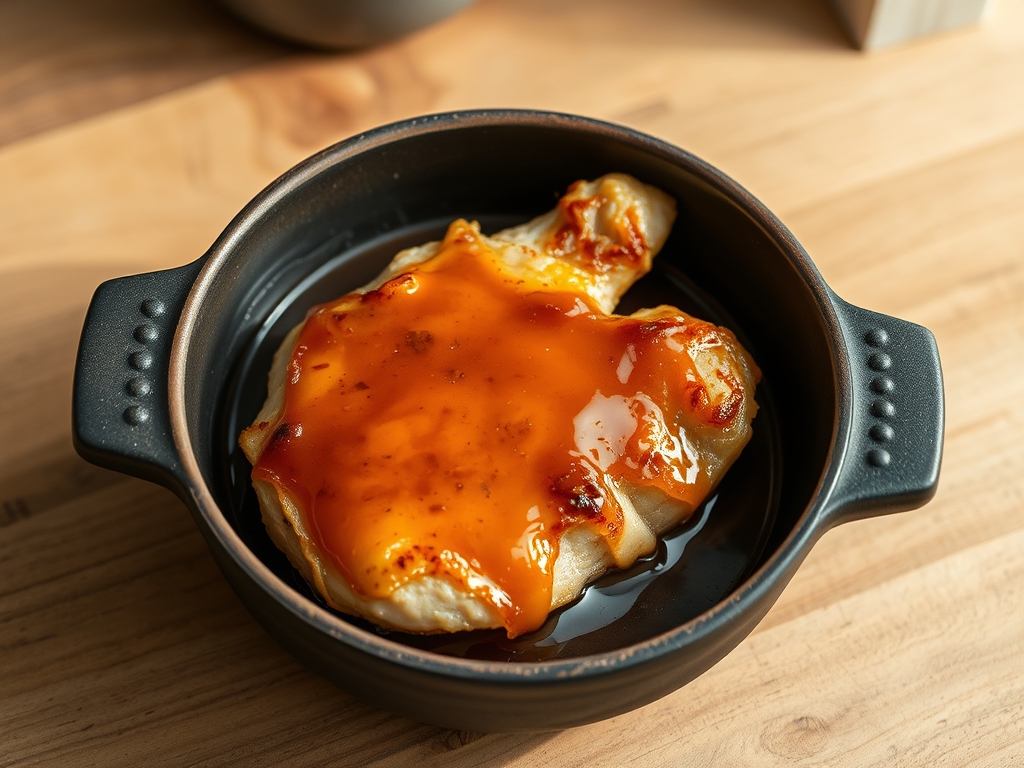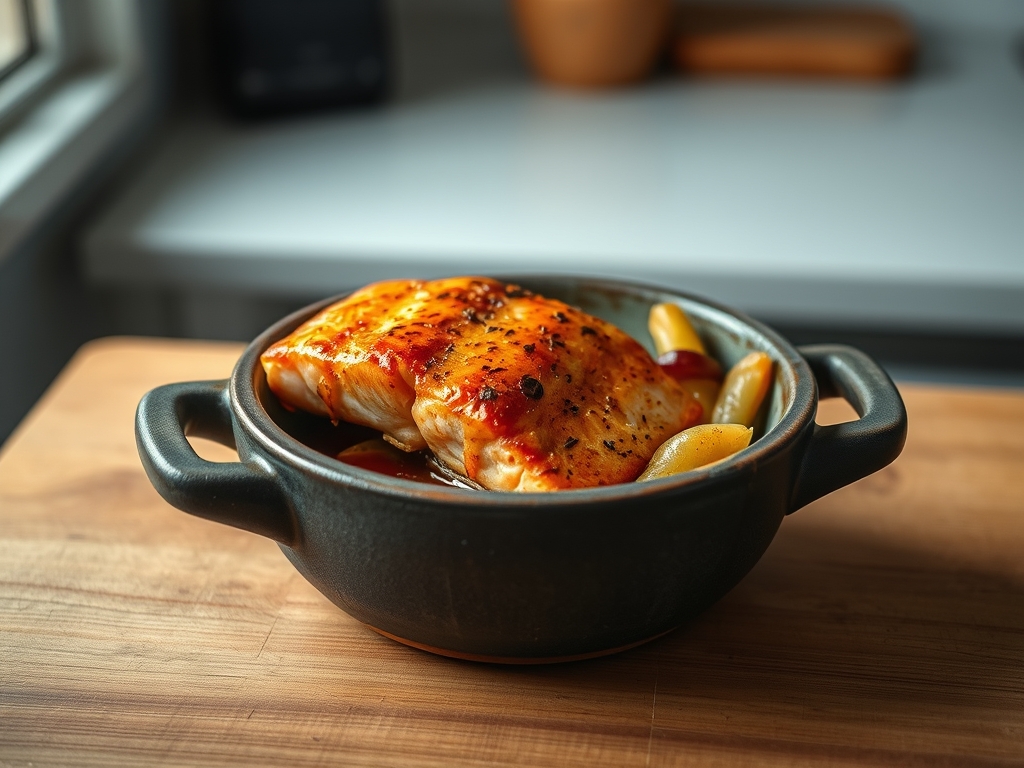
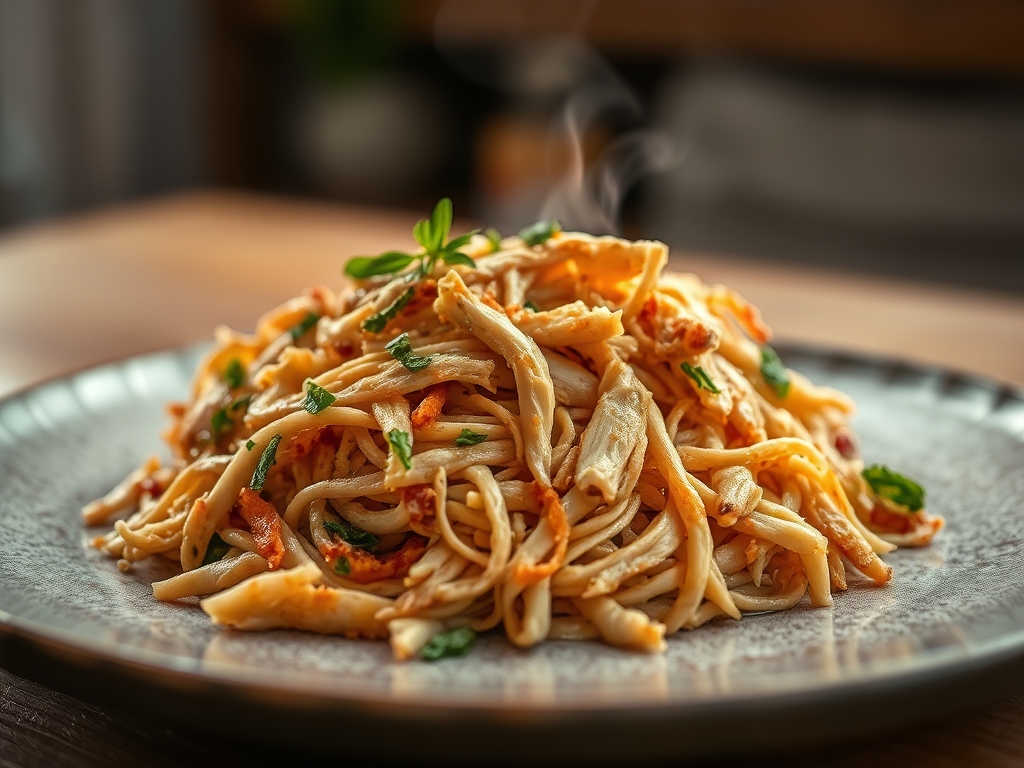
Picture the industrial hum of a high-output kitchen where efficiency meets the visceral scent of poultry fat rendering at a low, steady simmer. We are not just making dinner; we are engineering a protein foundation. Slow Cooker Shredded Chicken is the silent workhorse of the culinary world. It is the versatile, tenderized backbone of everything from piquant street tacos to rich, viscous pot pies. When executed with precision, the chicken fibers should pull apart with the slightest tension, revealing a moist interior that has been infused with aromatics. Most home cooks fail because they treat the slow cooker like a trash bin for cold ingredients. As an infrastructure auditor, I am here to tell you that temperature gradients matter. We are looking for that perfect point where collagen breaks down into gelatin without the muscle fibers becoming stringy and desiccated. This is about volume. This is about output. This is about transforming humble bird into a gold-standard culinary asset that holds its structural integrity from the first shred to the final plate.
THE DATA MATRIX
| Metric | Specification |
|---|---|
| Prep Time | 15 Minutes |
| Execution Time | 4 Hours (High) / 8 Hours (Low) |
| Yield | 8 to 10 Servings |
| Complexity (1-10) | 2 |
| Estimated Cost per Serving | $1.15 |
THE GATHERS
Ingredient Protocol:
- Chicken Breast or Thighs (Boneless/Skinless): 1.36kg / 3 lbs
- Chicken Bone Broth: 240ml / 1 cup
- Kosher Salt: 15g / 1 tbsp
- Cracked Black Pepper: 5g / 1 tsp
- Garlic Powder: 10g / 2 tsp
- Onion Powder: 10g / 2 tsp
- Smoked Paprika: 5g / 1 tsp
- Unsalted Butter (Cubed): 56g / 4 tbsp
Section A: Ingredient Quality Audit:
If your raw poultry exhibits "woody breast" syndrome, characterized by pale, hard, or inelastic muscle fibers, the slow cooking process will not fully mask the texture. To fix this, increase the acidic component of your braising liquid by adding 15ml of apple cider vinegar to help denature the tough proteins. If your spices are dull and lack a piquant punch, they have likely oxidized. Toast your dry spices in a small saucier over medium heat for 60 seconds before applying them to the meat to reactivate the volatile oils.
THE MASTERCLASS
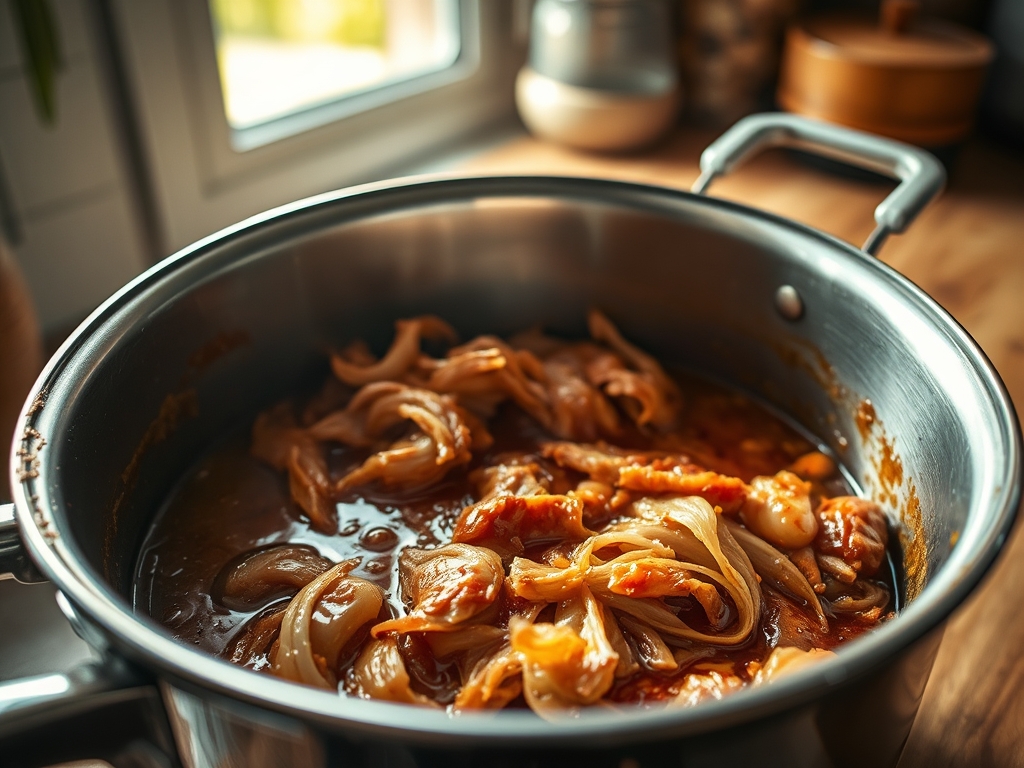
1. The Surface Preparation
Pat the chicken dry using lint-free towels to ensure the dry rub adheres to the surface rather than sliding off in a slurry. Place the poultry on a clean workstation and use a digital scale to measure out your spice blend precisely. Season all sides of the meat with the salt, pepper, garlic, onion, and paprika.
Pro Tip: Removing surface moisture prevents the immediate dilution of spices. This ensures the seasoning penetrates the outer layers of the muscle via osmotic pressure before the liquid level rises.
2. The Liquid Foundation
Pour the chicken bone broth into the ceramic vessel of the slow cooker. Carefully nestle the seasoned chicken into the liquid. Place the cubes of unsalted butter on top of the chicken pieces to allow the fat to render slowly over the meat during the thermal cycle.
Pro Tip: Using bone broth instead of water adds a higher concentration of gelatin. This creates a more viscous mouthfeel and prevents the meat from tasting "washed out" after several hours of submersion.
3. Thermal Execution
Secure the lid and set the device to the "Low" setting for a duration of 6 to 8 hours. If you are operating on a compressed timeline, the "High" setting for 3 to 4 hours is acceptable, though the lower temperature gradient is superior for maintaining moisture.
Pro Tip: Use a probe thermometer to check the internal temperature. You are looking for 74 degrees Celsius (165 degrees Fahrenheit). Exceeding this by a wide margin will cause the proteins to tighten and squeeze out their internal juices.
4. The Mechanical Shred
Once the cycle is complete, transfer the chicken to a large stainless steel bowl. Use a bench scraper or two large forks to pull the meat apart into uniform strands. Do not over-process; the goal is distinct fibers, not a pulverized paste.
Pro Tip: Shred the chicken while it is still hot. As the meat cools, the proteins begin to set and become more difficult to manipulate. The heat allows for a cleaner separation of the muscle bundles.
5. The Reabsorption Phase
Return the shredded meat to the slow cooker and toss it with the remaining juices. Allow it to sit on the "Warm" setting for 15 minutes to infuse the flavors and rehydrate any surface areas that dried during the shredding process.
Pro Tip: This step utilizes capillary action. The shredded fibers act like small straws, drawing the seasoned, fatty broth back into the center of the meat for maximum flavor density.
Section B: Prep & Timing Fault-Lines:
The most common failure in high-output poultry is the "Thermal Shock" error. This occurs when frozen or ice-cold chicken is placed directly into a pre-heated slow cooker. This uneven heat distribution leads to a rubbery exterior and an undercooked core. Always bring your poultry to a temperate state for at least 20 minutes before beginning the cycle. Furthermore, do not lift the lid during the first four hours. Every time you "peek," you release the accumulated steam and drop the internal temperature by several degrees, extending the cook time by 20 to 30 minutes.
THE VISUAL SPECTRUM
Section C: Thermal & Visual Troubleshooting:
Review the Masterclass photo above. Notice the golden-red hue on the edges of the chicken; this is the result of the smoked paprika and the butter solids reacting under heat. If your chicken looks grey or "boiled," you likely used too much liquid. The broth should only reach halfway up the chicken, not submerge it entirely. If the texture looks stringy or dry, the chicken was likely overcooked or shredded after it had already cooled. To fix a dull appearance, deglaze the bottom of the slow cooker with a splash of lemon juice and toss the meat in the bright, acidic liquid to add a reflective sheen and pop of flavor.
THE DEEP DIVE
Macro Nutrition Profile:
A standard 140g serving of this Slow Cooker Shredded Chicken contains approximately 230 calories, 35g of protein, 9g of fat, and 0g of carbohydrates. The high protein-to-fat ratio makes it an ideal "clean" fuel source for high-output lifestyles.
Dietary Swaps:
- Vegan: Replace chicken with young green jackfruit and use vegetable bouillon with a tablespoon of liquid smoke to mimic the savory profile.
- Keto: This recipe is inherently Keto-friendly. Increase the butter content to 85g for a higher fat-to-protein ratio.
- GF: Ensure your bone broth is certified gluten-free, as some commercial brands use grain-based thickeners.
Meal Prep & Reheating Science:
When storing, keep the chicken submerged in its cooking liquid. This prevents oxidation and the development of "warmed-over flavor" (WOF), which is caused by the breakdown of polyunsaturated fatty acids. When reheating, use a microwave-safe dish covered with a damp paper towel to aerate the steam and keep the fibers supple.
THE KITCHEN TABLE
Can I use frozen chicken directly in the slow cooker?
Technically yes, but it is not recommended for quality control. It creates a massive temperature lag and can lead to uneven textures. For the best structural integrity, always thaw your poultry in the refrigerator before beginning the prep.
How long does this stay fresh in the fridge?
When stored in an airtight container with its natural juices, the chicken will maintain peak quality for 3 to 4 days. For longer storage, freeze it in vacuum-sealed bags to prevent freezer burn and moisture loss.
Why is my chicken tough even after 8 hours?
You likely used chicken breasts that were exceptionally lean and overcooked them. Lean white meat has very little connective tissue. If you want a more "fall-apart" texture, try a 50/50 mix of breasts and thighs for better fat distribution.
What is the best way to shred large batches?
If you are processing more than 5 lbs, use a stand mixer with the paddle attachment on the lowest speed. It will shred the entire batch in under 60 seconds. Just be careful not to over-mix into a mush.