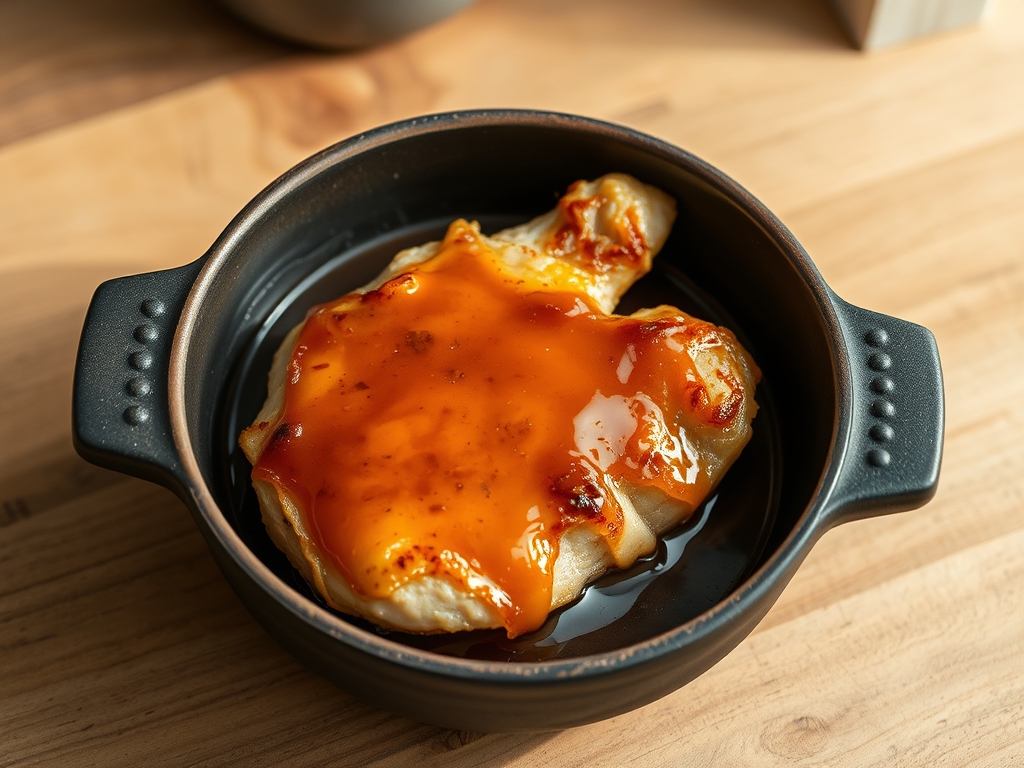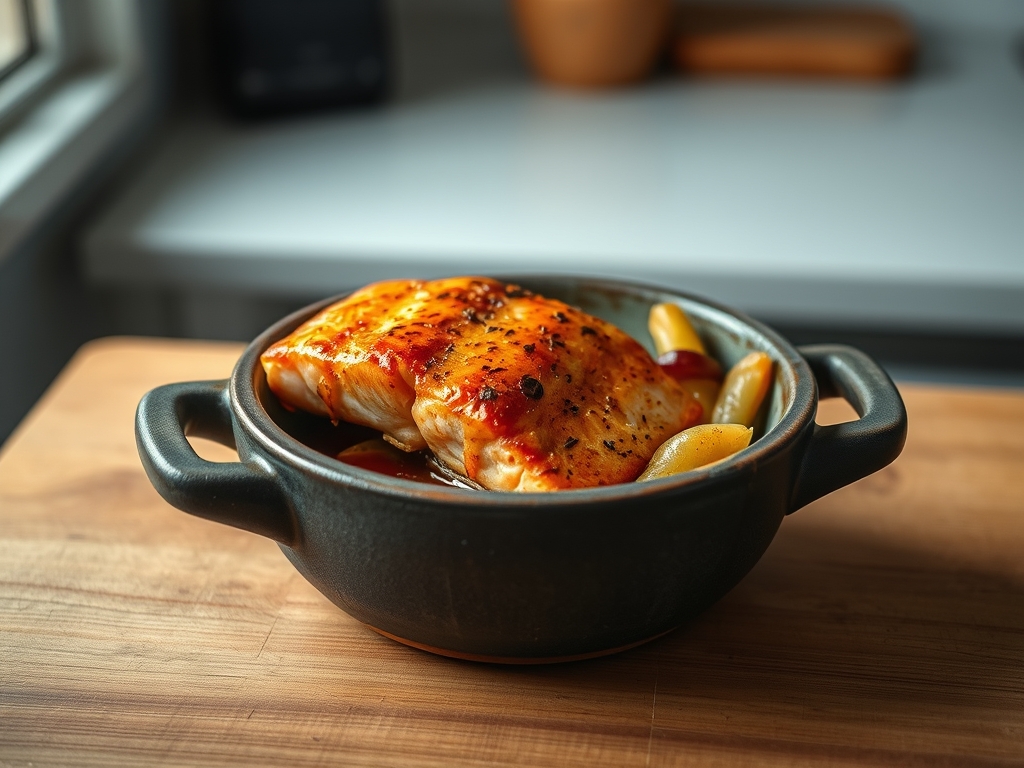
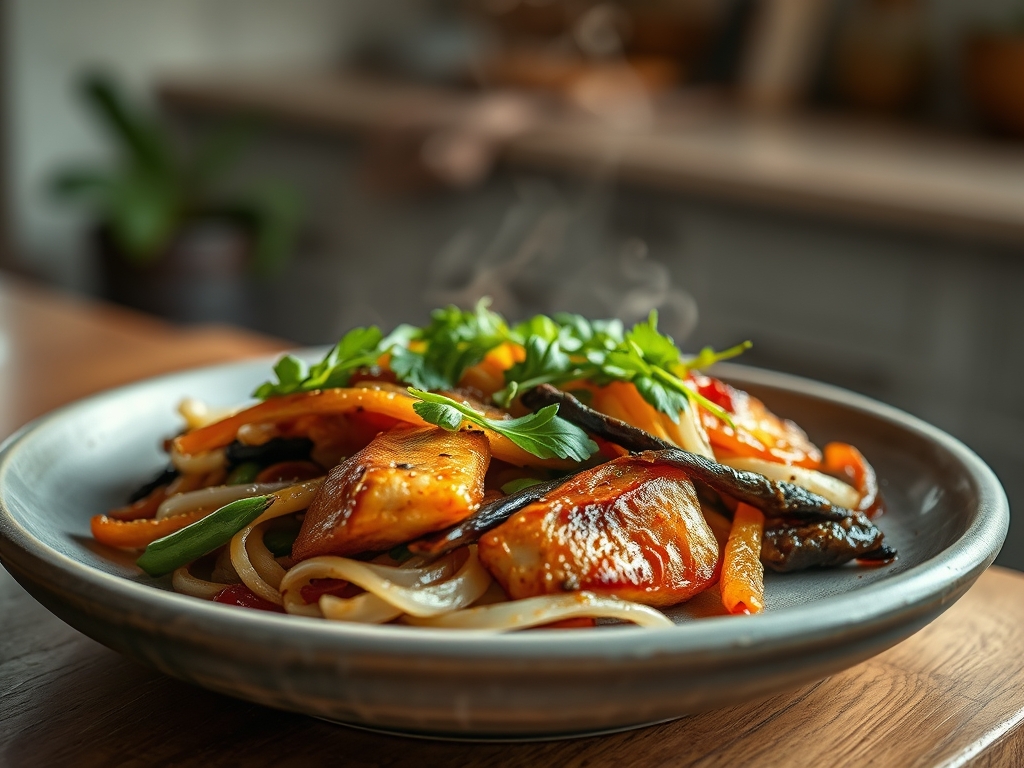
The kitchen is a battlefield of lost time; a graveyard of wilted scallions and shriveled ginger roots that died waiting for your ambition to match your schedule. We are ending the era of the Tuesday night takeout surrender. True culinary efficiency is not about speed during the cook; it is about the structural integrity of your mise en place. By utilizing Modular Stir Fry Bases, you are effectively pre-loading your flavor profile into a high-octane, shelf-stable, or freezer-ready delivery system. Imagine the piquant snap of fresh aromatics preserved at their peak, ready to hit a screaming hot wok and release a cloud of toasted garlic and ginger that commands the room. This is not mere meal prep. This is architectural flavor preservation. We are building a foundation of concentrated aromatics that allows you to pivot from a spicy Szechuan profile to a silky Cantonese glaze in under sixty seconds. It is time to audit your workflow and install a system that respects the volatile oils of your ingredients.
THE DATA MATRIX
| Metric | Specification |
|---|---|
| Prep Time | 45 Minutes |
| Execution Time | 8 Minutes |
| Yield | 6 Base Modules |
| Complexity (1-10) | 4 |
| Estimated Cost per Serving | $1.15 USD |
THE GATHERS
Ingredient Protocol:
- Fresh Garlic: 150g / 1 cup (peeled and finely minced)
- Fresh Ginger: 100g / 0.75 cup (peeled and microplaned)
- Scallion Whites: 120g / 1.5 cups (finely sliced)
- Neutral Oil (Grapeseed or Avocado): 250ml / 1 cup
- Toasted Sesame Oil: 30ml / 2 tablespoons
- Shaoxing Wine: 60ml / 0.25 cup
- Light Soy Sauce: 45ml / 3 tablespoons
- Cornstarch (Slurry Base): 15g / 2 tablespoons
Section A: Ingredient Quality Audit:
If your ginger feels fibrous or woody, it has lost its cellular moisture. Do not attempt to mince it with a knife; use a microplane to break down the tough cellulose and extract the juice. If your garlic has sprouted a green "germ" in the center, remove it immediately. That sprout contains sulfur compounds that turn bitter when exposed to high heat. For aromatics that have lost their punch, a quick 30-second bloom in 60-degree Celsius oil will infuse the fat and revive the volatile aromatic compounds before you even begin the primary cook.
THE MASTERCLASS
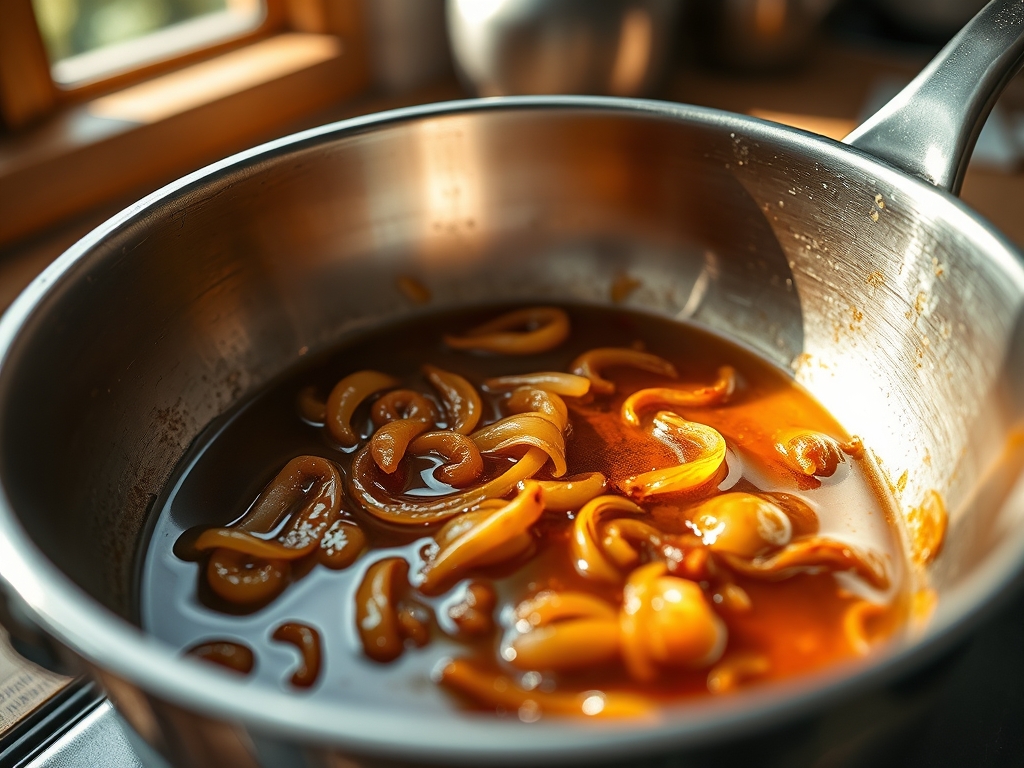
1. Precision Aromatic Reduction
Utilize a sharp bench scraper to transfer your minced garlic, ginger, and scallion whites into a cold saucier. Starting with a cold pan is non-negotiable. As the temperature rises slowly, the cell walls of the aromatics break down, allowing the essential oils to render into the neutral oil without scorching the exterior.
Pro Tip: This cold-start method prevents the immediate evaporation of water, allowing the oil to penetrate the aromatics. This creates a semi-confit state that preserves the flavor for long-term storage.
2. The Deglaze and Emulsify Phase
Once the aromatics are fragrant and translucent, increase the heat to medium. Add your Shaoxing wine to deglaze the bottom of the pan, scraping up any concentrated sugars. Whisk in the soy sauce and toasted sesame oil. The goal is to create a viscous slurry that coats the aromatics evenly.
Pro Tip: Use a digital scale to measure your liquids. Volumetric measurements are prone to human error, and the ratio of alcohol to oil is critical for the shelf-life and stability of your Modular Stir Fry Bases.
3. Modular Portioning and Sealing
Remove the mixture from the heat and allow it to cool to room temperature. Divide the base into silicone ice cube trays or small glass jars. Each module should represent approximately two tablespoons of concentrated flavor. Ensure a thin layer of oil sits on top of each portion to act as an oxygen barrier.
Pro Tip: Rapid cooling is essential to stop the residual heat from overcooking the garlic. Place your saucier in an ice bath to drop the temperature quickly, locking in the vibrant, piquant notes of the ginger.
Section B: Prep & Timing Fault-Lines:
The most common failure in stir-fry infrastructure is the "Crowded Wok Syndrome." If you add your Modular Stir Fry Bases to a pan that is not at the smoke point, the aromatics will boil rather than sear. This results in a grey, mushy texture. Always wait for the first wisps of blue smoke before introducing the base. If the oil begins to smoke excessively, remove the pan from the heat for ten seconds to recalibrate the thermal load.
THE VISUAL SPECTRUM
Section C: Thermal & Visual Troubleshooting:
Referencing the Masterclass photo, your base should exhibit a golden-amber hue, not a dark brown. If your garlic looks like charred bits of carbon, your heat was too high during the infusion stage. If the mixture looks dull or matte, you have insufficient oil; the surface should shimmer and appear viscous. For uneven browning, ensure your knife work is consistent. Pieces of different sizes will cook at different rates, leading to a mix of raw and burnt flavors. Use a mandoline or a food processor for the scallions to ensure mathematical uniformity.
THE DEEP DIVE
Macro Nutrition Profile:
Each 2-tablespoon module contains approximately 140 calories, 12g of healthy fats (primarily monounsaturated if using avocado oil), 4g of carbohydrates, and 1g of protein. The sodium content is controlled by your choice of soy sauce, making this a superior alternative to store-bought, preservative-laden jars.
Dietary Swaps:
- Vegan: Naturally vegan. Ensure your soy sauce is not a "fish-fortified" variety.
- Keto: Replace the Shaoxing wine with a splash of rice vinegar and a pinch of monk fruit sweetener to maintain the acidity without the sugars.
- GF: Swap the light soy sauce for Tamari or liquid aminos to keep the profile gluten-free without sacrificing the umami depth.
Meal Prep & Reheating Science:
When reheating, do not microwave the base. The localized radiation causes the water molecules in the ginger to explode, ruining the texture. Instead, drop the frozen or chilled module directly into a hot wok. The thermal shock will aerate the oil and release the trapped aromatics instantly. Because the aromatics are "protected" by the oil matrix, they can withstand freezing for up to three months without losing their molecular structure.
THE KITCHEN TABLE
How long do these bases last in the fridge?
Stored in an airtight glass container with a thin layer of oil on top, these modules will remain fresh for 10 to 14 days. For longer storage, the freezer is your best friend for maintaining flavor.
Can I add chili flakes to the base?
Absolutely. Adding red pepper flakes during the infusion stage will allow the capsaicin to dissolve into the oil, creating a consistent heat level throughout your entire stir fry rather than sporadic spicy hot spots.
Why is my sauce not thickening?
The cornstarch in the base requires heat to gelatinize. If your sauce stays watery, ensure the liquid reaches a simmer. This activates the starch granules, creating that glossy, restaurant-quality sheen that clings to your vegetables.
Is Shaoxing wine mandatory?
While dry sherry is a functional substitute, Shaoxing wine provides a specific fermented depth that defines the "wok hei" flavor profile. It is the secret weapon for achieving professional-grade results in a home kitchen environment.