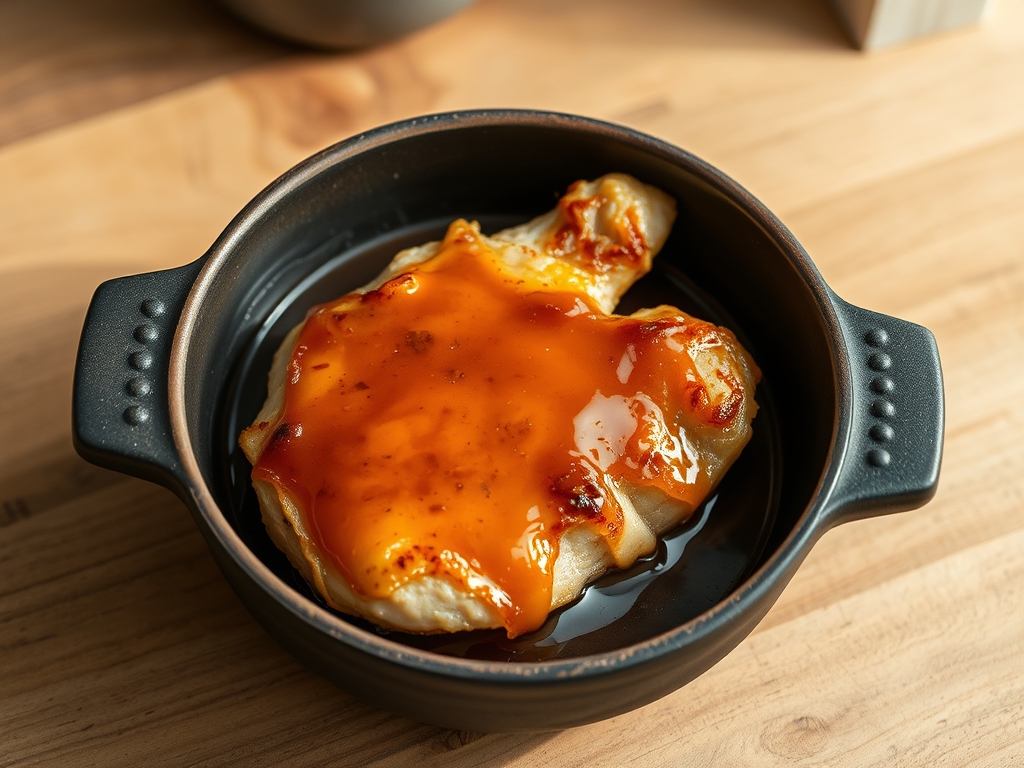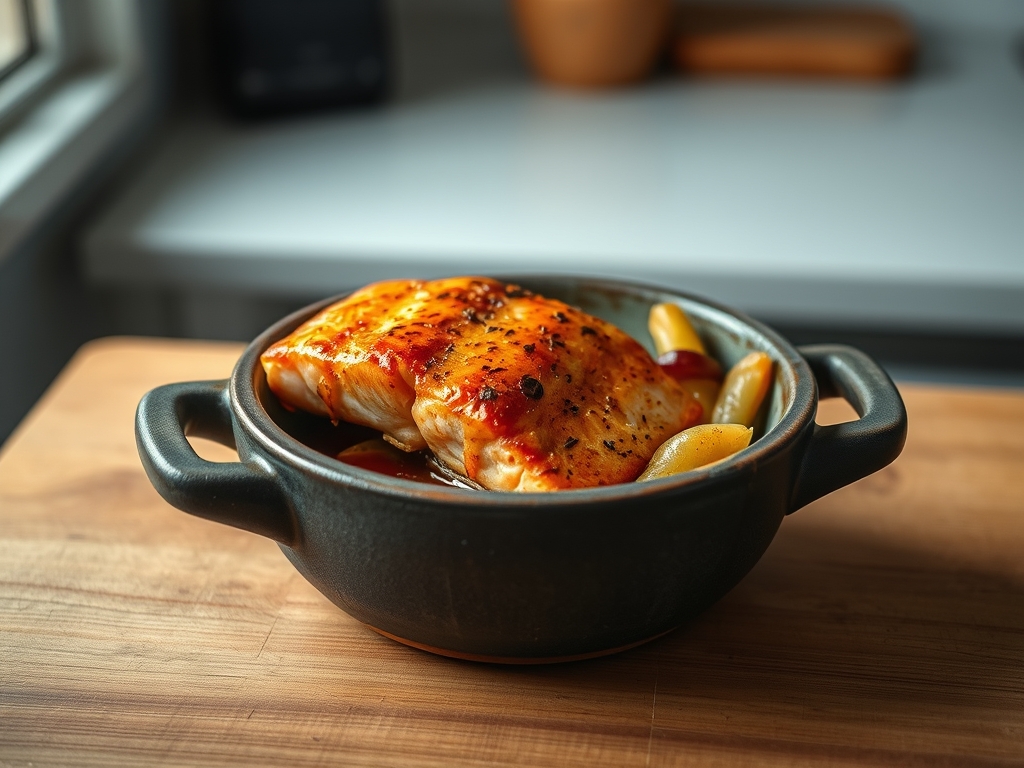
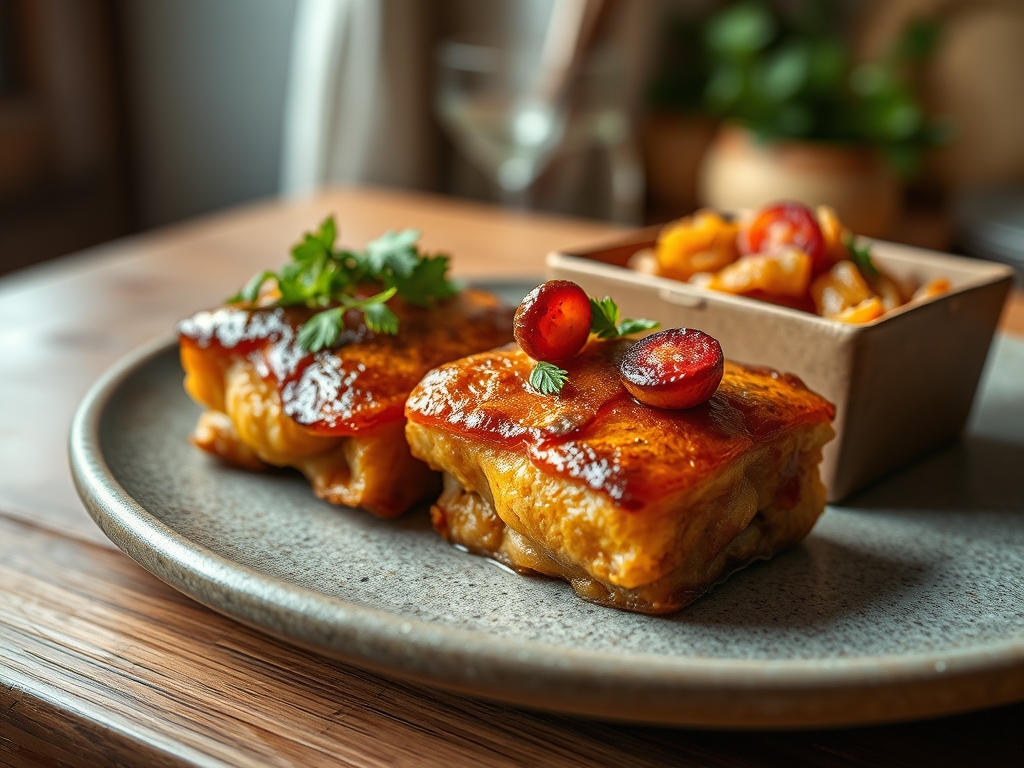
The scent of searing Maillard-treated muscle fiber hits the nostrils like a thunderclap. We are not just cooking; we are engineering biological fuel. When you commit to High Protein Prep Boxes, you are engaging in a high-stakes audit of your own metabolic efficiency. Forget the soggy, uninspired containers of yesteryear. We are targeting a precise convergence of moisture retention and textural integrity. Imagine the hiss of a stainless steel pan as cold protein meets a shimmering layer of avocado oil. The goal is a perfect crust that seals in the juices, ensuring that by Wednesday afternoon, your lunch does not resemble a desiccated sponge. We are hunting for that golden ratio of macronutrients where the satiety of dense protein meets the energetic lift of complex fibers. This is culinary infrastructure at its peak. Every gram is accounted for, and every seasoning is calibrated to survive the cold chain of your refrigerator. Welcome to the laboratory of the elite. We are about to turn your kitchen into a high-throughput production facility.
THE DATA MATRIX
| Metric | Specification |
|---|---|
| Prep Time | 25 Minutes |
| Execution Time | 45 Minutes |
| Yield | 6 Servings |
| Complexity (1-10) | 4 |
| Estimated Cost per Serving | $4.25 |
THE GATHERS
Ingredient Protocol:
- Protein Core: 1.36kg / 3 lbs Boneless Skinless Chicken Thighs (trimmed of excess adipose tissue).
- Complex Carb Base: 370g / 2 cups Dry Quinoa (rinsed to remove saponins).
- Vegetable Matrix: 450g / 1 lb Broccoli Florets (cut to uniform 2cm diameters).
- Aromatic Base: 115g / 1 cup Diced Yellow Onion.
- Liquid Phase: 710ml / 3 cups Low-Sodium Bone Broth.
- The Emulsifier: 60ml / 0.25 cup Extra Virgin Olive Oil.
- Acid Component: 30ml / 2 tbsp Fresh Lemon Juice.
- Seasoning Profile: 15g / 1 tbsp Smoked Paprika, 10g / 2 tsp Garlic Powder, 10g / 2 tsp Sea Salt.
Section A: Ingredient Quality Audit:
If your chicken feels "woody" or rubbery, you are likely dealing with deep-tissue cellular damage from rapid growth cycles. To fix this, use a biological tenderizer like a light brine or a yogurt-based marinade to break down tough proteins. If your quinoa tastes bitter, the saponins (the plant's natural defense coating) were not sufficiently agitated during the rinse phase. Use a fine-mesh sieve and cold running water until the runoff is perfectly clear. For dull, limp broccoli, the issue is usually oxidative stress from improper storage. Revive the stalks by placing them in an ice bath for ten minutes prior to the thermal application.
THE MASTERCLASS
Step 1: Thermal Calibration and Protein Prep
Start by preheating your heavy-bottomed skillet or saucier over medium-high heat. While the vessel reaches the target temperature, pat your chicken thighs dry using lint-free towels. Moisture is the enemy of the Maillard reaction. Use a digital scale to divide the protein into uniform 150g portions to ensure consistent cooking times across the board. Dust the protein with your spice blend, ensuring a 100 percent surface area coverage.
Pro Tip: The science of browning depends on the removal of surface water. If the meat is damp, the energy of the pan goes into evaporating water rather than browning the protein. This results in gray, steamed meat instead of a flavorful crust.
Step 2: The Sear and Render Phase
Add your high-smoke-point oil to the pan. Once the oil begins to shimmer and move with low viscosity, introduce the chicken. Do not overcrowd the pan; work in batches if necessary. Allow the protein to render its fat and develop a deep mahogany crust before flipping. This should take approximately 5 to 6 minutes per side.
Pro Tip: Use a bench scraper to keep your workstation clear of debris between batches. A clean workspace prevents cross-contamination and allows for better focus on the thermal transition of the meat.
Step 3: Deglazing and Grain Integration
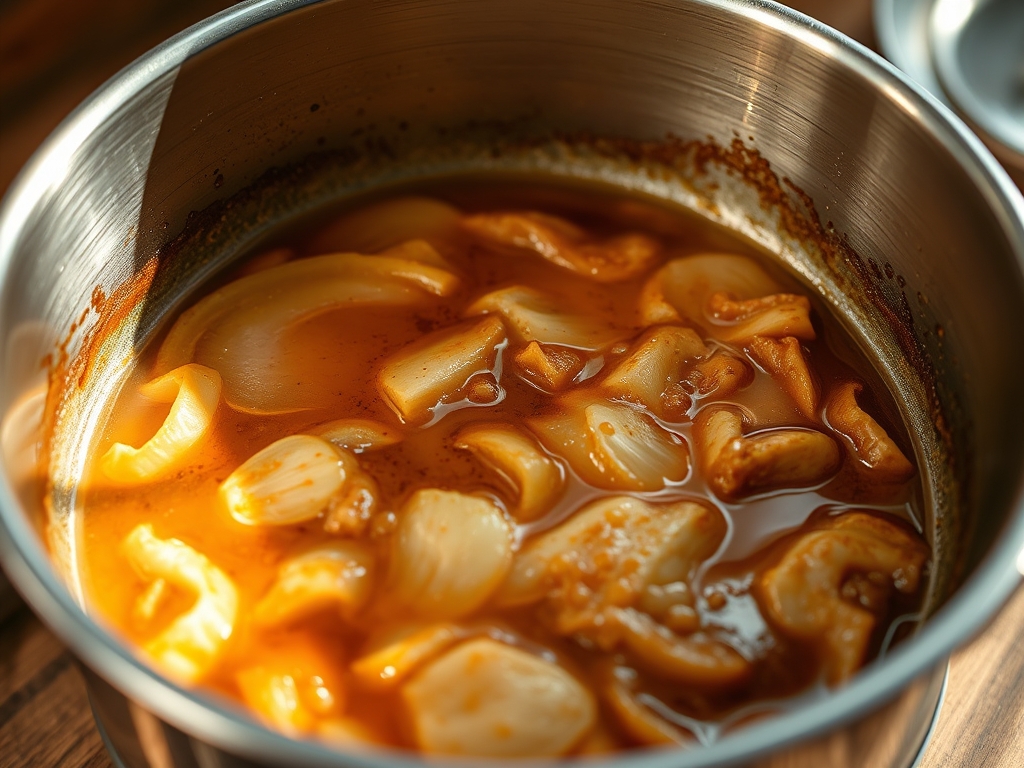
Remove the chicken and set it aside on a resting rack. Immediately deglaze the pan with a splash of bone broth, using a wooden spatula to scrape up the fond (the browned bits of flavor). Add the onions and sauté until translucent. Pour in the remaining broth and the rinsed quinoa. Bring the mixture to a boil, then reduce to a simmer.
Pro Tip: The fond contains concentrated amino acids and sugars that have undergone complex chemical changes. Integrating these back into the liquid phase ensures your grains absorb maximum flavor density.
Step 4: Steam Management and Assembly
Place the broccoli florets directly on top of the simmering quinoa during the final 6 minutes of the grain's cook time. Cover the pot tightly. This utilizes the steam from the broth to cook the vegetables without leaching their water-soluble vitamins into a boiling liquid. Once the liquid is fully absorbed, aerate the quinoa with a fork.
Pro Tip: Using a tight-fitting lid creates a pressurized environment that speeds up the softening of cellulose in the vegetables while maintaining their vibrant chlorophyll pigments.
Section B: Prep & Timing Fault-Lines:
The most common failure in High Protein Prep Boxes is the "over-carry" cook. Protein continues to rise in temperature after being removed from the heat. If you cook your chicken to 165 degrees Fahrenheit in the pan, it will reach 175 degrees while resting, resulting in a dry texture. Pull the meat at 160 degrees. Furthermore, if you box the food while it is still steaming, you create a greenhouse effect that will turn your crisp vegetables into mush. Always allow the components to reach room temperature before sealing the lids.
THE VISUAL SPECTRUM
Section C: Thermal & Visual Troubleshooting:
Look at the Masterclass photo. Note the vibrant, forest-green hue of the broccoli and the distinct, individual grains of quinoa. If your broccoli looks olive-drab, you have over-acidified the cooking environment or applied heat for too long, causing the chlorophyll to collapse. If your quinoa is clumpy, you likely used too much liquid; the ratio must be exactly 1 part grain to 1.5 parts liquid for a "fluffy" result. The chicken in the photo shows a piquant reddish-brown exterior. If yours looks pale, your pan temperature was too low, or you moved the meat before the protein bonds could properly release from the cooking surface.
THE DEEP DIVE
Macro Nutrition Profile
Each box is a calculated strike against muscle catabolism. You are looking at 45g of protein, 38g of complex carbohydrates, and 12g of healthy fats. This 485-calorie payload is designed for sustained glycemic stability. The high leucine content in the chicken thighs triggers muscle protein synthesis, while the fiber in the quinoa and broccoli ensures a slow release of glucose into the bloodstream.
Dietary Swaps
For a Vegan iteration, swap the chicken for 400g of extra-firm pressed tofu and use vegetable bouillon. For Keto adherents, replace the quinoa with riced cauliflower and increase the fat content with an extra 30ml of olive oil. For a Gluten-Free (GF) profile, this recipe is naturally compliant, provided your bone broth is certified.
Meal Prep & Reheating Science
To maintain molecular structure during reheating, add a single teaspoon of water to the box before microwaving. This creates a localized steam environment that re-hydrates the protein fibers. Avoid high-power settings; use 70 percent power for 2 minutes to prevent the fats from "popping" and the proteins from tightening into a rubbery state.
THE KITCHEN TABLE
How long do these boxes last in the fridge?
When sealed in airtight glass containers, these boxes maintain peak structural integrity for 4 to 5 days. Ensure the internal temperature of your refrigerator is set to 38 degrees Fahrenheit to inhibit microbial proliferation.
Can I freeze the High Protein Prep Boxes?
Yes, though the broccoli may suffer minor cellular breakdown upon thawing. For best results, undercook the broccoli slightly if you plan to freeze the units. Thaw in the refrigerator for 24 hours before reheating.
Why use chicken thighs instead of breasts?
Thighs contain more myoglobin and a higher fat content; this prevents the meat from becoming unpalatable during the reheating process. They offer a more robust flavor profile and a superior micronutrient density, including higher levels of zinc and iron.
Is it necessary to rinse the quinoa?
Absolutely. Quinoa is coated in saponins, which are bitter-tasting compounds designed to deter pests. Failure to rinse will result in a soapy, metallic aftertaste that can ruin the entire flavor profile of your prep.