Stop thinking of whipped cream as a mere topping. In the high stakes theater of the professional pastry kitchen, you are managing a complex structural engineering project where the primary building material is atmospheric gas. We are discussing the violent, beautiful physics of Whisk Based Aeration. This is the process of forcing ambient air into a lipid heavy suspension to create a stable, velvety foam that defies gravity. When you plunge that wire balloon into a bowl of cold heavy cream, you are not just stirring; you are initiating a mechanical assault on fat globules. You are stripping away protective membranes to encourage partial coalescence. The result is a lattice of fat that traps air bubbles in a viscous embrace. Get it right, and you have a cloud that holds its shape under the weight of a gold leaf garnish. Get it wrong, and you have over-agitated butter or a weeping, flat puddle that ruins the integrity of your plated dessert. This is where infrastructure meets indulgence.
THE DATA MATRIX
| Metric | Specification |
|---|---|
| Prep Time | 5 Minutes |
| Execution Time | 8 Minutes |
| Yield | 500ml / 2 Cups |
| Complexity (1-10) | 4 |
| Estimated Cost per Serving | $0.45 |
THE GATHERS
Ingredient Protocol:
- 475ml / 2 cups Heavy Cream (Minimum 36 percent milk fat)
- 50g / 4 tbsp Superfine Caster Sugar
- 5ml / 1 tsp Pure Vanilla Extract or Vanilla Bean Paste
- 1g / 1/4 tsp Fine Sea Salt
Section A: Ingredient Quality Audit:
If your cream fails to achieve volume, the culprit is likely the fat content or the temperature. Standard "half and half" lacks the lipid density to maintain a structural matrix. Always audit your carton for the term "Heavy Whipping Cream." If you find yourself with cream that refuses to stiffen, check the stabilizer list. Some ultra-pasteurized varieties have been heat treated so aggressively that the proteins are denatured; you can attempt to rescue this by adding a teaspoon of skim milk powder to provide extra solids. If the flavor is flat, your salt is missing. Salt is the electrical current that carries the flavor of the dairy through the palate.
THE MASTERCLASS
Step-by-Step Execution:
1. Thermal Stabilization of Equipment
Place your stainless steel mixing bowl and wire whisk into the freezer for fifteen minutes. Cold equipment is non-negotiable because the fat globules in the cream must remain solid to form the necessary structural walls around the air pockets. If the bowl is warm, the fat will soften and the air will simply escape.
Pro Tip: Use a digital scale to measure your sugar rather than volume cups. Precision ensures that the weight of the sweetener does not collapse the delicate gas bubbles you are about to incorporate.
2. Initial Agitation and Infusion
Pour the chilled cream into the cold bowl and add the vanilla and salt. Begin the process of Whisk Based Aeration using a side to side motion rather than a circular one. This creates more shear force and breaks the surface tension faster.
Pro Tip: A saucier with rounded bottom edges is the ideal vessel for manual aeration as it prevents "dead zones" where unwhipped liquid can hide from the whisk wires.
3. The Sugar Integration Phase
Once the cream has reached the "frothy" stage with large, unstable bubbles, gradually rain in the caster sugar. Do not dump it in all at once. The goal is to dissolve the crystals into the aqueous phase of the cream without weighing down the emerging foam.
Pro Tip: Use a bench scraper to keep your workstation clean and organized; a cluttered space leads to erratic whisking cadences and uneven aeration.
4. Monitoring the Peak Transition
As the whisk leaves visible tracks in the cream, slow your speed. You are looking for "Soft Peaks" where the cream curls over when the whisk is lifted. Continue for another thirty seconds to reach "Stiff Peaks" where the cream stands straight up.
Pro Tip: Watch the surface texture closely. If the cream looks grainy, you are seconds away from turning it into butter. Stop immediately and fold in a tablespoon of liquid cream to smooth the texture.
Section B: Prep & Timing Fault-Lines:
Timing is the silent killer of stable foams. If you whip the cream too early, the bubbles will undergo disproportionation; smaller bubbles will merge into larger ones, causing the structure to sag. If you whip too late, you risk rushing the process and over-shearing the fats. Always aim to finish your Whisk Based Aeration within twenty minutes of service. If the kitchen ambient temperature is above 75 degrees Fahrenheit, perform the aeration over an ice bath to maintain the structural integrity of the lipid walls.
THE VISUAL SPECTRUM
Section C: Thermal & Visual Troubleshooting:
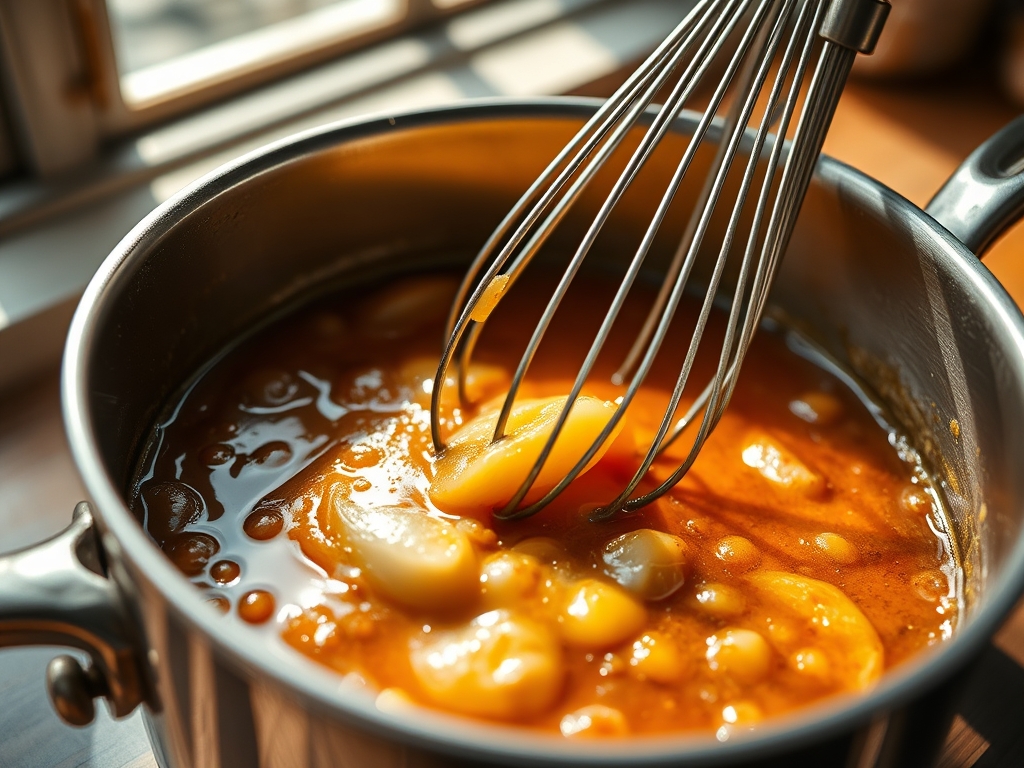
Referencing the Masterclass photo, observe the high-gloss finish and the sharp, defined ridges left by the whisk. This indicates a perfect balance of air and fat. If your cream appears dull or matte, it is likely over-whipped and the fat is beginning to separate from the buttermilk. If the ridges are soft and melting back into the mass, you have under-aerated. To fix a dull, grainy appearance, gently fold in a small amount of un-whipped, cold cream using a silicone spatula until the gloss returns. If the color is yellowish rather than stark white, your cream may be too warm or you have used a high-carotene grass-fed dairy; this is aesthetically acceptable but requires stricter temperature control to prevent premature buttering.
THE DEEP DIVE
Macro Nutrition Profile:
A standard 30g serving of aerated heavy cream contains approximately 100 calories, 11g of fat, 1g of carbohydrates, and 0.5g of protein. It is a high-density lipid source with minimal micronutrient impact beyond small amounts of Vitamin A.
Dietary Swaps:
- Vegan: Substitute heavy cream with chilled full-fat coconut cream (minimum 18% fat). Note that coconut fat sets harder, so Whisk Based Aeration must be done quickly.
- Keto: Replace caster sugar with powdered erythritol or monk fruit sweetener.
- GF: Naturally gluten-free, but ensure your vanilla extract does not use grain-based alcohol if sensitivity is extreme.
Meal Prep & Reheating Science:
You cannot "reheat" whipped cream; heat will instantly collapse the gas phase and render the fat back into a liquid state. For meal prep, you can stabilize the cream by adding a small amount of melted, cooled gelatin or mascarpone cheese. This allows the aerated structure to survive for up to 48 hours in a sealed container within a 38-degree Fahrenheit environment.
THE KITCHEN TABLE
Why does my cream turn into butter so fast?
You likely exceeded the mechanical threshold of the fat globules. Once the membranes break completely, the fat clumps together and expels the liquid. Stop whisking the moment you see stiff, upright peaks and a slight loss of gloss.
Can I use a stand mixer instead of a manual whisk?
Yes, but you lose the tactile feedback of Whisk Based Aeration. If using a mixer, stay on medium speed. High speeds create uneven bubble sizes, which leads to a less stable foam that is prone to weeping.
What is the best way to fix over-whipped cream?
If it has not yet turned into yellow butter clumps, add two tablespoons of cold, liquid cream. Gently whisk by hand. The new liquid will redistribute the fat and restore the smooth, silky texture required for high-end plating.
Does the type of sugar matter for stability?
Absolutely. Caster sugar is preferred because it dissolves instantly. Large granulated sugar crystals can act like sandpaper, physically popping the air bubbles you are trying to create. Powdered sugar contains cornstarch, which can actually help stabilize the foam.