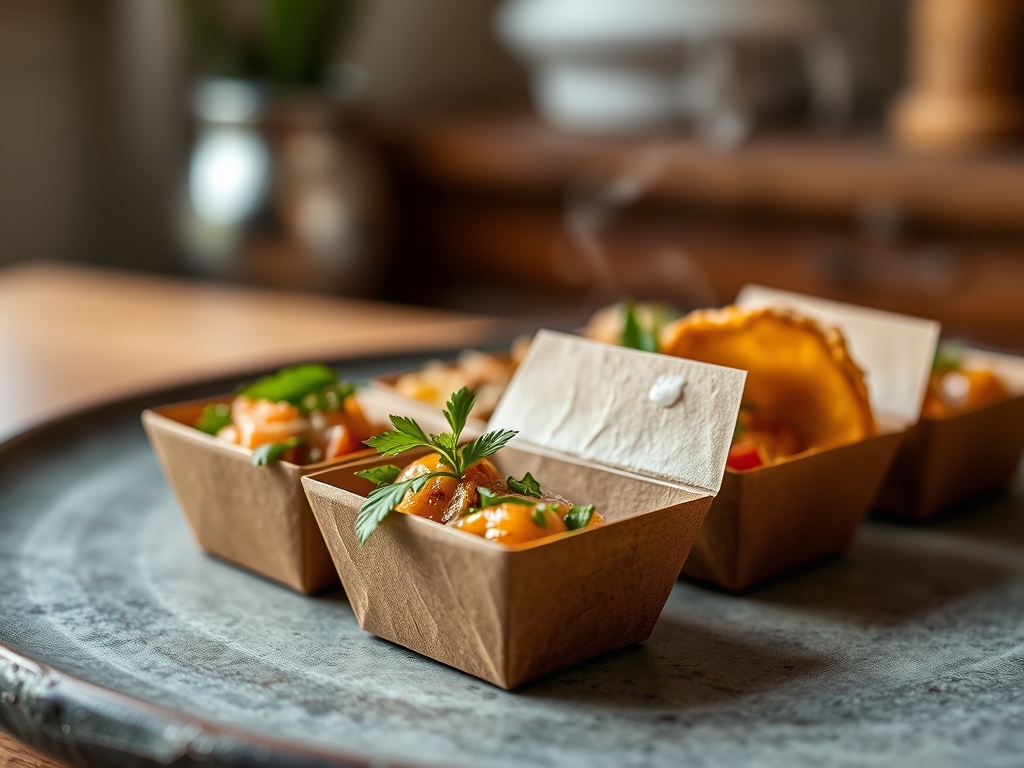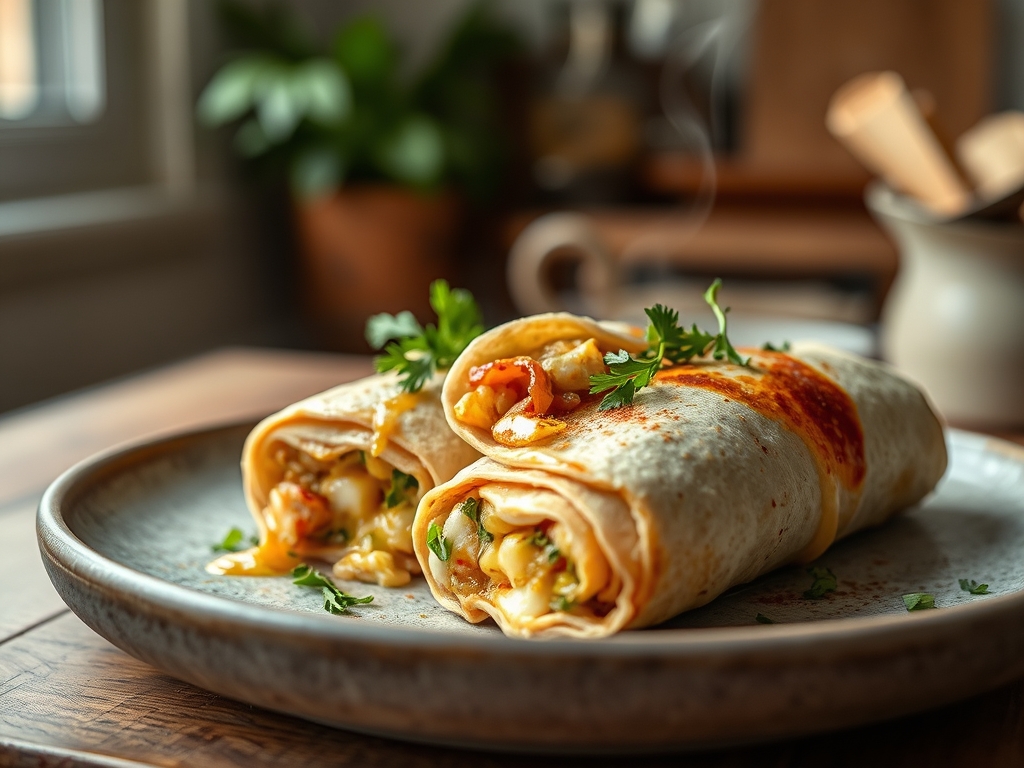
Listen to the sound of high-velocity sugar molecules colliding with searing cast iron. Most home cooks treat dinner like a chore; we treat it like a high-stakes engineering project where the objective is maximum flavor density in minimum temporal investment. We are talking about the 15 Min Teriyaki Chicken, a dish that relies entirely on the physics of glaze adhesion and the rapid Maillard reaction. Forget the watery, pale imitations found in food court bins. We are aiming for a viscous, mahogany coating that clings to the protein with structural integrity. This is not just cooking; it is the tactical application of heat to transform raw poultry into a piquant masterpiece. The clock is your primary constraint. Every second spent idling is a second of lost caramelization. We are going to render fat, deglaze with precision, and infuse every fiber of the chicken with a balanced profile of salt, acid, and sweetness. Strap in, check your thermal regulators, and prepare to audit your kitchen's true output capacity.
THE DATA MATRIX
| Metric | Specification |
|---|---|
| Prep Time | 5 Minutes |
| Execution Time | 10 Minutes |
| Yield | 4 Servings |
| Complexity (1-10) | 3 |
| Estimated Cost per Serving | $2.75 |
THE GATHERS
Ingredient Protocol:
- 680g / 1.5 lbs Boneless Skinless Chicken Thighs (cubed into 2cm pieces)
- 15ml / 1 tbsp Neutral Oil (Avocado or Grapeseed)
- 60ml / 0.25 cup Soy Sauce (Tamari for GF)
- 45ml / 3 tbsp Mirin
- 30ml / 2 tbsp Brown Sugar or Honey
- 15ml / 1 tbsp Rice Vinegar
- 5g / 1 tsp Fresh Ginger (grated)
- 2 Cloves Garlic (microplaned)
- 5ml / 1 tsp Toasted Sesame Oil
- Optional: 5g / 1 tsp Cornstarch dissolved in 15ml / 1 tbsp Water (The Slurry)
Section A: Ingredient Quality Audit:
The primary failure point in a 15 Min Teriyaki Chicken is the moisture content of the protein. If your chicken arrives swimming in a saline solution from the supermarket, it will steam rather than sear. Technical Fix: Use a heavy-duty paper towel to aggressively desiccate the surface of the meat before it hits the pan. If your ginger is fibrous and woody, do not chop it; use a microplane to create a paste that integrates into the sauce without leaving behind cellulose "splinters." Finally, if your soy sauce tastes like pure brine, balance it by increasing the Mirin ratio by 10% to introduce complex sugars that soften the sodium hit.
THE MASTERCLASS
1. Thermal Priming and Protein Deployment
Set your heavy-bottomed stainless steel saucier or cast iron skillet over high heat. Add the neutral oil and wait for the first wisps of smoke. Deploy the chicken in a single layer. Do not crowd the pan; crowding drops the surface temperature and halts the Maillard reaction.
Pro Tip: Use a digital scale to ensure your chicken pieces are uniform in mass. This ensures they reach a safe internal temperature of 74C / 165F simultaneously, preventing a mix of overcooked rubber and undercooked hazard.
2. The Maillard Lockdown
Allow the chicken to sit undisturbed for 3 to 4 minutes. You are looking for a deep, golden-brown crust. Once the protein naturally releases from the pan, use a bench scraper or stiff spatula to flip the pieces.
Pro Tip: The "release" is a chemical signal. If the meat sticks, the proteins have not finished denaturing and bonding. Patience here prevents the loss of that flavorful outer "skin" you worked so hard to build.
3. The Deglaze and Emulsification
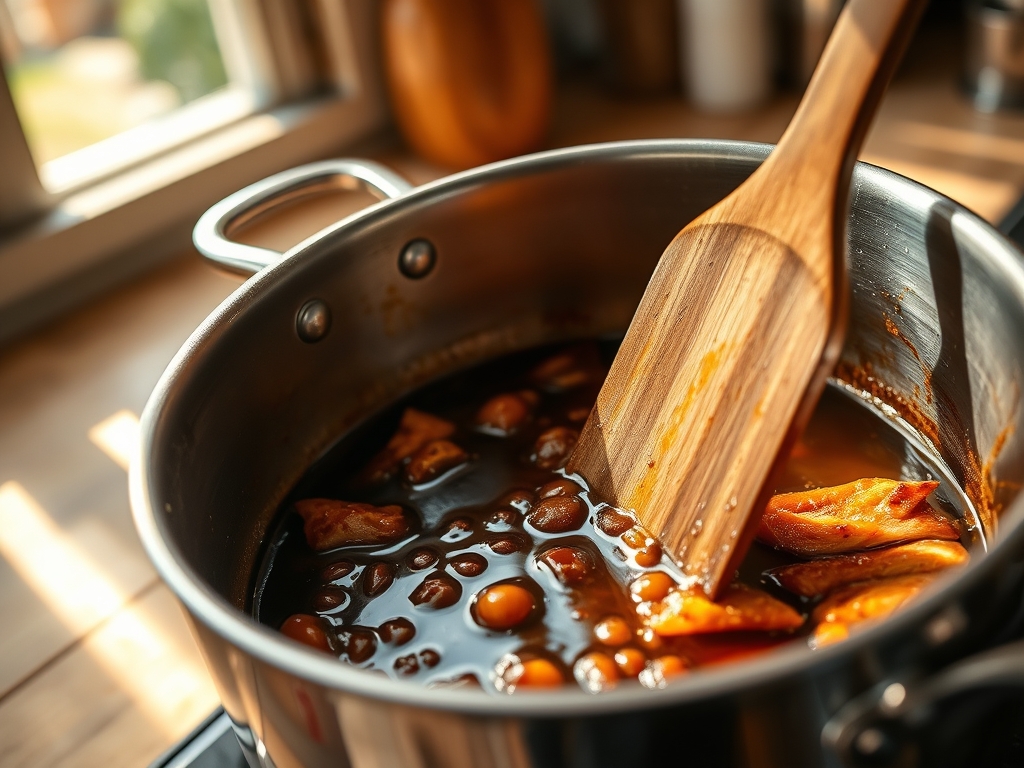
Reduce heat to medium-high. Pour in the soy sauce, mirin, sugar, rice vinegar, garlic, and ginger. The liquid will boil violently. Use a whisk to scrape the bottom of the pan, incorporating the fond (the browned bits) into the liquid.
Pro Tip: This is a rapid reduction. The sugars in the mirin and honey will begin to cross-link, increasing the viscous nature of the sauce. If you want a mirror-like sheen, whisk in the cornstarch slurry now to stabilize the emulsion.
4. The Gloss Finish
Add the toasted sesame oil in the final 30 seconds. Toss the chicken continuously to ensure every millimeter of surface area is coated in the darkening glaze. Remove from heat immediately once the sauce coats the back of a spoon.
Pro Tip: Sesame oil is a finishing oil with a low smoke point. Adding it too early destroys its delicate aromatic compounds. Adding it at the end preserves the piquant nutty profile.
Section B: Prep & Timing Fault-Lines:
The most common human error is "The Thaw Gap." If your chicken is still partially frozen in the center, the exterior will char while the interior remains raw. Always use a digital instant-read thermometer to audit the core temperature. Another fault-line is the "Sugar Burn." If your pan is too hot when the sauce is added, the sugar will move past caramelization into carbonization in seconds. If you see black soot forming, immediately add a tablespoon of water to drop the temperature and rescue the batch.
THE VISUAL SPECTRUM
Section C: Thermal & Visual Troubleshooting:
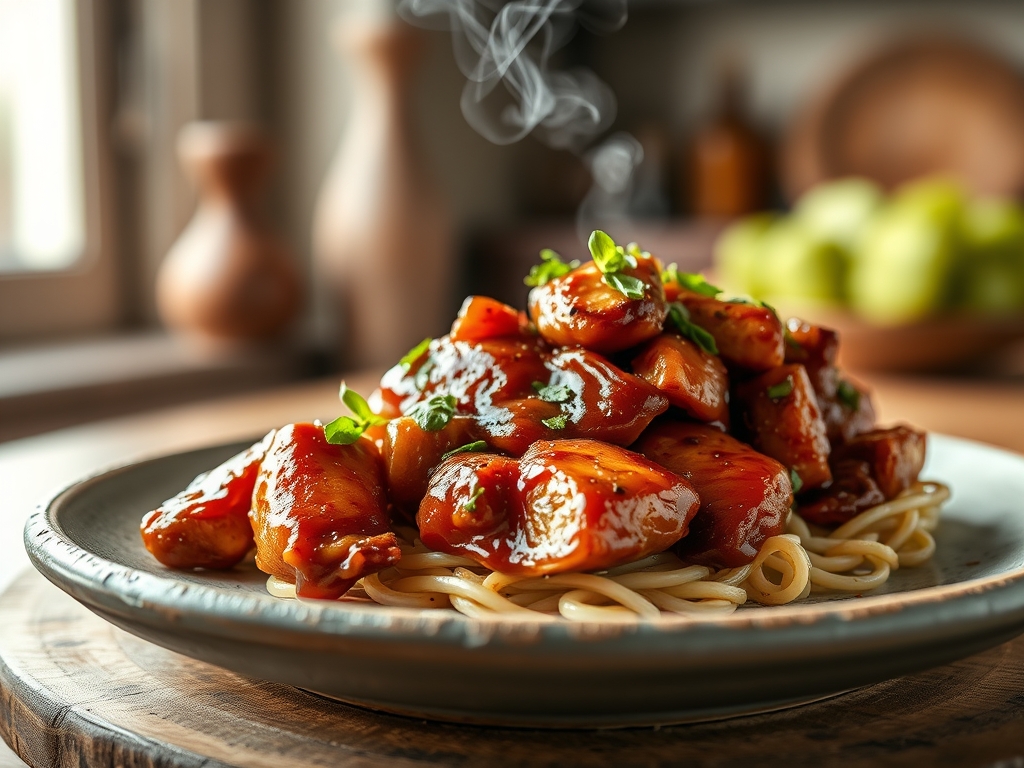
Referencing the Masterclass photo above, the target visual is a "High-Gloss Mahogany." If your chicken looks grey or "wet," your pan temperature was too low, leading to poaching rather than searing. If the sauce is thin and pools at the bottom of the bowl, you failed to reduce the liquid sufficiently; return it to the heat for 60 seconds of high-intensity bubbling. The photo shows distinct charred edges on the chicken; this is achieved by ensuring the sauce reaches a "tacky" state where it begins to slightly burn onto the meat, creating a concentrated flavor crust. If your dish looks dull, aerate the presentation with fresh scallions or toasted sesame seeds to provide a color contrast that signals freshness to the brain.
THE DEEP DIVE
Macro Nutrition Profile:
A standard serving of this 15 Min Teriyaki Chicken provides approximately 320 calories, 35g of protein, 12g of carbohydrates, and 14g of fat. By using thighs instead of breasts, we gain essential fatty acids that help carry the fat-soluble aromatics of the ginger and garlic.
Dietary Swaps:
- Vegan: Replace chicken with extra-firm tofu pressed for 20 minutes to remove moisture.
- Keto: Swap the brown sugar for a monk fruit erythritol blend and use liquid aminos instead of soy sauce.
- GF: Ensure your soy sauce is certified gluten-free or use Tamari.
Meal Prep & Reheating Science:
To maintain the molecular structure during reheating, avoid the microwave. The high-frequency waves cause the proteins to tighten and expel moisture, leaving the chicken "woody." Instead, use a small pan with a splash of water over medium heat. The water creates steam that re-hydrates the glaze, restoring its original viscous texture without overcooking the core.
THE KITCHEN TABLE
Can I use chicken breast instead of thighs?
Yes, but the margin for error is slimmer. Breasts lack the connective tissue of thighs; they will dry out if the heat exceeds 74C. Monitor the internal temperature strictly with a digital probe to ensure juiciness.
Why is my sauce too salty?
This usually stems from using "Standard" soy sauce rather than "Low Sodium" or a high-quality brewed version. You can mitigate this by adding a squeeze of fresh lime juice; the acid distracts the palate from the sodium intensity.
How do I get that restaurant-style shine?
The secret is the "Cold Butter Mount." Whisking in a single pat of cold butter at the very end creates a stable fat-in-water emulsion that reflects light, giving the glaze a professional, professional-grade luster.
Can I make the sauce in bulk?
Absolutely. Mix the soy, mirin, and aromatics in a glass jar. It will stay shelf-stable in the refrigerator for up to two weeks. This reduces your active "15 Min Teriyaki Chicken" workflow to a mere 10 minutes.