The air in a high-functioning kitchen is thick with the scent of toasted cumin and the sharp, sulfurous bite of sautéing aromatics. We are not merely making dinner; we are engineering a masterpiece of legume saturation. The One Pot Lentil Curry is the ultimate test of your culinary infrastructure. It requires a precise balance of hydration, heat management, and fat emulsification to transform a humble bag of dried pulses into a viscous, golden silk. When executed correctly, the lentils do not just sit in liquid; they become the liquid, surrendering their starches to create a sauce that clings to a spoon with authoritative weight. This is a dish of high-velocity flavor where every second of the sauté counts and every gram of spice must be accounted for. If you are tired of watery, uninspired dahl that lacks structural integrity, you have come to the right place. We are going to deconstruct the process, optimize your workflow, and ensure your kitchen operates at peak efficiency for this high-yield, low-waste operation.
THE DATA MATRIX
| Metric | Specification |
|---|---|
| Prep Time | 15 Minutes |
| Execution Time | 35 Minutes |
| Yield | 4-6 Servings |
| Complexity (1-10) | 3 |
| Estimated Cost per Serving | $1.15 |
THE GATHERS
Ingredient Protocol:
- 250g / 1.25 cups Red Split Lentils (Masoor Dal)
- 15ml / 1 tbsp Ghee or Neutral Oil
- 1 Medium Onion (approx. 150g), finely diced
- 3 Large Garlic Cloves (approx. 15g), microplaned
- 2.5cm / 1 inch Fresh Ginger, grated
- 15g / 1 tbsp Tomato Paste
- 5g / 1 tsp Turmeric Powder
- 10g / 2 tsp Ground Cumin
- 10g / 2 tsp Ground Coriander
- 2g / 0.5 tsp Cayenne Pepper
- 800ml / 3.25 cups Vegetable Broth or Water
- 400ml / 1.6 cups Full-Fat Coconut Milk
- 15ml / 1 tbsp Lemon Juice
- 5g / 1 tsp Sea Salt (adjust to taste)
Section A: Ingredient Quality Audit:
If your lentils are older than twelve months, they will resist hydration regardless of how long you simmer them. This is due to the lignification of the cell walls. To fix this, add a pinch of baking soda to the pot; this increases the pH level and helps break down the pectin in the lentil skins. If your spices lack a piquant aroma when opened, they have likely oxidized. The technical fix is to "bloom" them in hot fat for an extra sixty seconds to coax out any remaining volatile oils. If using canned coconut milk that has separated, do not discard the liquid. Whisk it vigorously or use an immersion blender to re-emulsify the fats before adding it to the pot.
THE MASTERCLASS
1. The Aromatic Foundation
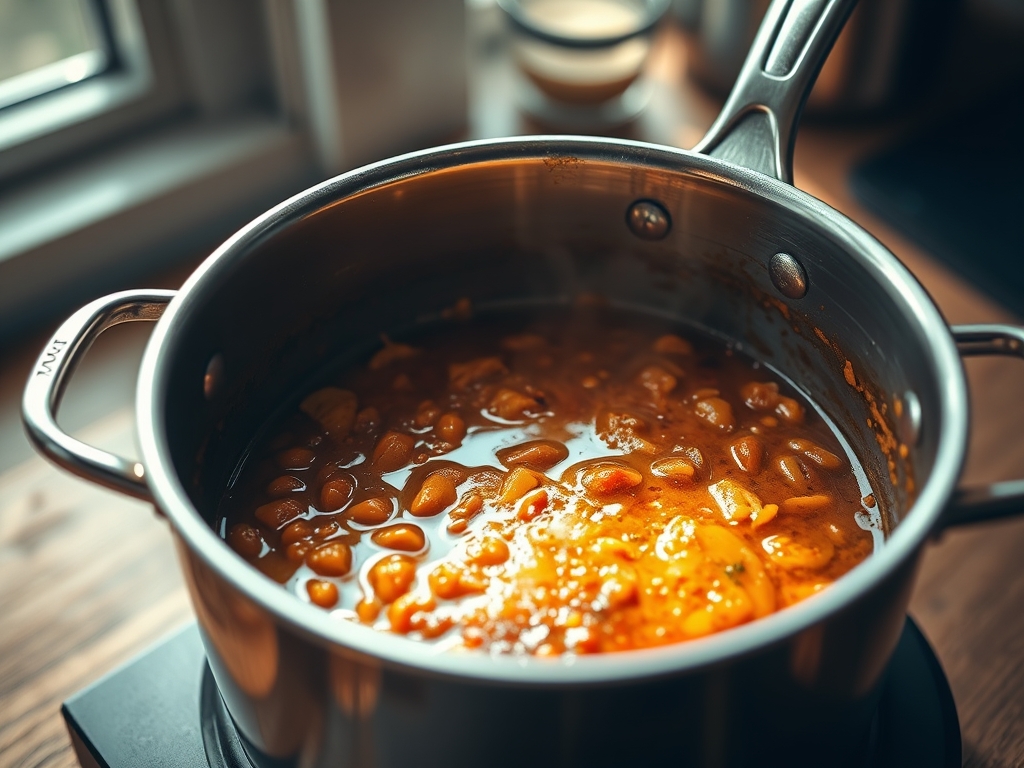
Place your heavy-bottomed saucier over medium heat and add the ghee. Once the fat begins to shimmer, introduce the onions. Use a bench scraper to transfer your finely diced aromatics from the cutting board to the pan without losing a single fragment. Sauté until the onions are translucent and the edges begin to render their sugars into a light caramel hue.
Pro Tip: This stage is about building a flavor base through the Maillard reaction. By using a heavy-bottomed pan, you ensure even heat distribution, preventing "hot spots" that could scorch the garlic and turn the entire dish bitter.
2. The Spice Bloom
Add the garlic, ginger, and tomato paste. Stir constantly for two minutes. Introduce the turmeric, cumin, coriander, and cayenne. The mixture should look like a thick, fragrant paste. This is the infusion stage where the fat-soluble compounds in the spices are activated.
Pro Tip: Professional chefs use a digital scale to measure spices by weight rather than volume. This ensures consistency in every batch of One Pot Lentil Curry, as the density of ground spices can vary wildly between brands.
3. The Deglaze and Hydration
Pour in the dry lentils and stir to coat them in the spiced fat. Immediately deglaze the pan with a splash of the vegetable broth, using a wooden spoon to scrape up the "fond" (the browned bits) from the bottom. Add the remaining broth and bring the mixture to a steady simmer.
Pro Tip: Coating the lentils in fat before adding liquid helps them maintain some structural integrity during the rapid hydration phase, preventing them from turning into an indistinct mush.
4. The Emulsification Phase
Once the lentils have absorbed about two-thirds of the broth (approximately 15 to 20 minutes), pour in the coconut milk. Lower the heat and allow the mixture to thicken. The coconut fats will merge with the lentil starches to create a viscous and creamy texture.
Pro Tip: Use a whisk to gently aerate the top layer of the curry as it simmers. This helps incorporate the coconut milk more thoroughly and prevents a "skin" from forming on the surface of the sauce.
5. The Acidic Finish
Turn off the heat. Stir in the salt and the fresh lemon juice. The acid in the lemon juice acts as a flavor "brightener," cutting through the richness of the coconut milk and the earthy density of the lentils.
Pro Tip: Always add acidic components at the very end of the cooking process. Adding lemon juice too early can toughen the lentils and cause the coconut milk to curdle under prolonged heat.
Section B: Prep & Timing Fault-Lines:
The most common human error in this protocol is "thermal rushing." If you boil the lentils too aggressively, the exteriors will disintegrate while the interiors remain chalky. Maintain a gentle "smile" on the surface of the liquid (small, consistent bubbles). Another fault-line is improper prep; if your onion chunks are too large, they will not disappear into the sauce, ruining the velvety mouthfeel. Ensure your knife work is precise to allow for uniform cooking times.
THE VISUAL SPECTRUM
Section C: Thermal & Visual Troubleshooting:
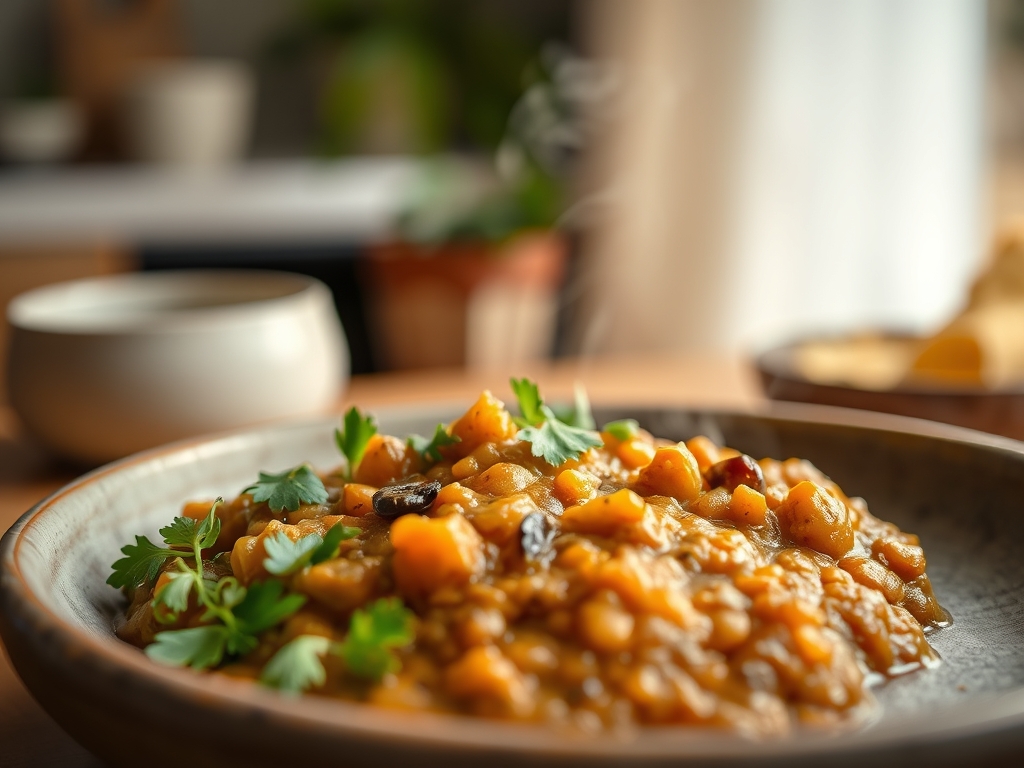
Referencing the Masterclass photo, your One Pot Lentil Curry should exhibit a vibrant, sunset-orange hue. If your curry looks dull or brown, you likely scorched the spices or used old turmeric. To fix a "muddy" appearance, stir in a teaspoon of fresh turmeric mixed with a drop of oil at the end. If the texture looks "broken" (oil separating from the sauce), the heat was too high after adding the coconut milk. You can repair this by stirring in a tablespoon of Greek yogurt or a splash of heavy cream to re-stabilize the emulsion. If the lentils look "thirsty" and the dish is too thick, whisk in warm broth 50ml at a time until the desired gloss is achieved.
THE DEEP DIVE
Macro Nutrition Profile:
One serving of this infrastructure-grade curry provides approximately 320 calories, 15g of plant-based protein, 12g of fiber, and 14g of healthy fats. It is a nutritionally complete profile that offers sustained energy release due to the low glycemic index of the lentils.
Dietary Swaps:
- Vegan: This recipe is naturally vegan if using oil instead of ghee.
- Keto: Lentils are high in carbs; however, you can swap half the lentils for riced cauliflower to reduce the net carb count while maintaining the flavor profile.
- GF: This dish is naturally gluten-free. Ensure your vegetable broth is certified GF.
Meal Prep & Reheating Science:
Lentils are notorious for absorbing liquid while sitting in the refrigerator. When reheating, the molecular structure of the starch has tightened. You must add 30ml of water per serving before microwaving or stovetop heating to restore the original viscosity. Do not boil during reheating; simply bring it to a steaming temperature to avoid overcooking the pulses.
THE KITCHEN TABLE
Why are my lentils still crunchy after 40 minutes?
Your water might be "hard" (high mineral content) or your lentils are old. Use filtered water and add a pinch of baking soda next time to soften the water and the legume skins simultaneously.
Can I use green lentils instead of red?
Green lentils have a different cellular structure and do not break down into a creamy sauce. They will work, but the texture will be "chunky" rather than "viscous." Increase the cook time by 15 minutes.
How do I make it spicier without ruining the balance?
Add a finely diced serrano pepper during the onion sauté phase. This infuses the fat with heat rather than just dumping raw spice into the liquid, providing a more rounded, "back-of-the-throat" warmth.
Is it possible to over-soak red lentils?
Red split lentils do not actually require soaking. In fact, soaking them for more than 20 minutes can cause them to lose too much structural integrity, resulting in a grainy texture rather than a smooth one.