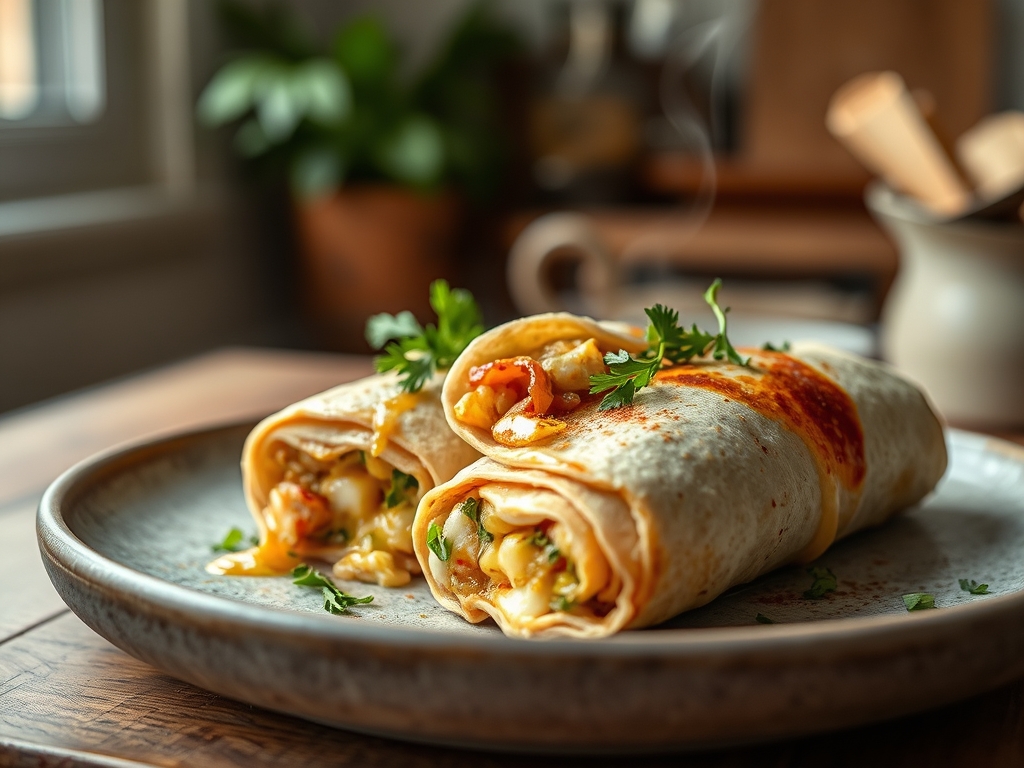
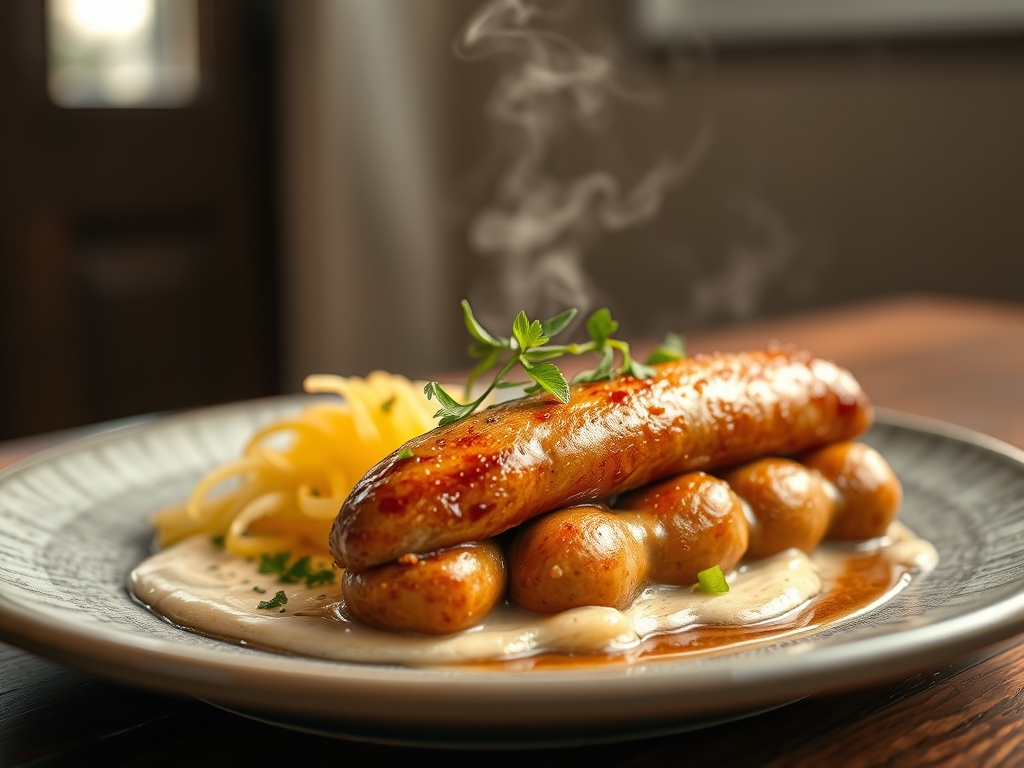
Listen to the sound of high-velocity lipid rendering. That rhythmic sizzle is the anthem of efficiency. We are not just making dinner; we are engineering a thermodynamic masterpiece of convenience and flavor. The Sheet Pan Sausage protocol represents the pinnacle of culinary infrastructure. It is where the Maillard reaction meets the utility of a single aluminum surface. Imagine the snap of a natural casing under tension, yielding to a pressurized burst of savory juices that immediately begin to infuse a landscape of root vegetables and aromatics. This is not a lazy meal. It is a calculated deployment of radiant heat designed to maximize surface area contact. We are looking for that specific point of caramelization where sugars in the bell peppers begin to char and the fats from the link become viscous and golden. By the time the timer hits zero, you have achieved a structural harmony of textures. The Sheet Pan Sausage is the ultimate proof that high-end results do not require a dozen pans or a brigade of sous chefs.
THE DATA MATRIX
| Metric | Specification |
|---|---|
| Prep Time | 15 Minutes |
| Execution Time | 25 Minutes |
| Yield | 4 Servings |
| Complexity (1-10) | 2 |
| Estimated Cost per Serving | $3.50 |
THE GATHERS
Ingredient Protocol:
- 680g / 1.5 lbs Smoked Andouille or Italian Sausage links
- 450g / 1 lb Baby Yukon Gold potatoes, halved
- 2 large Bell peppers (red and yellow), sliced into 2cm strips
- 1 large Red onion, cut into 1cm wedges
- 45ml / 3 tbsp Extra virgin olive oil
- 10g / 2 tsp Kosher salt
- 5g / 1 tsp Freshly cracked black pepper
- 15g / 3 cloves Garlic, minced
- 2g / 1 tsp Dried oregano or thyme
- 15ml / 1 tbsp Red wine vinegar (for finishing)
Section A: Ingredient Quality Audit:
The primary failure point in this infrastructure is moisture content. If your vegetables are limp or "sweating" in the bag, they will steam rather than roast. Desiccate your produce thoroughly after washing. If your sausage feels soft or mushy, the fat-to-lean ratio is likely off or the emulsion has broken. To fix sub-par, low-fat sausages, increase your olive oil application by 15ml to compensate for the lack of internal rendering. If the potatoes are too starchy (like Russets), they may crumble. Use a waxy variety to ensure structural integrity throughout the thermal cycle.
THE MASTERCLASS
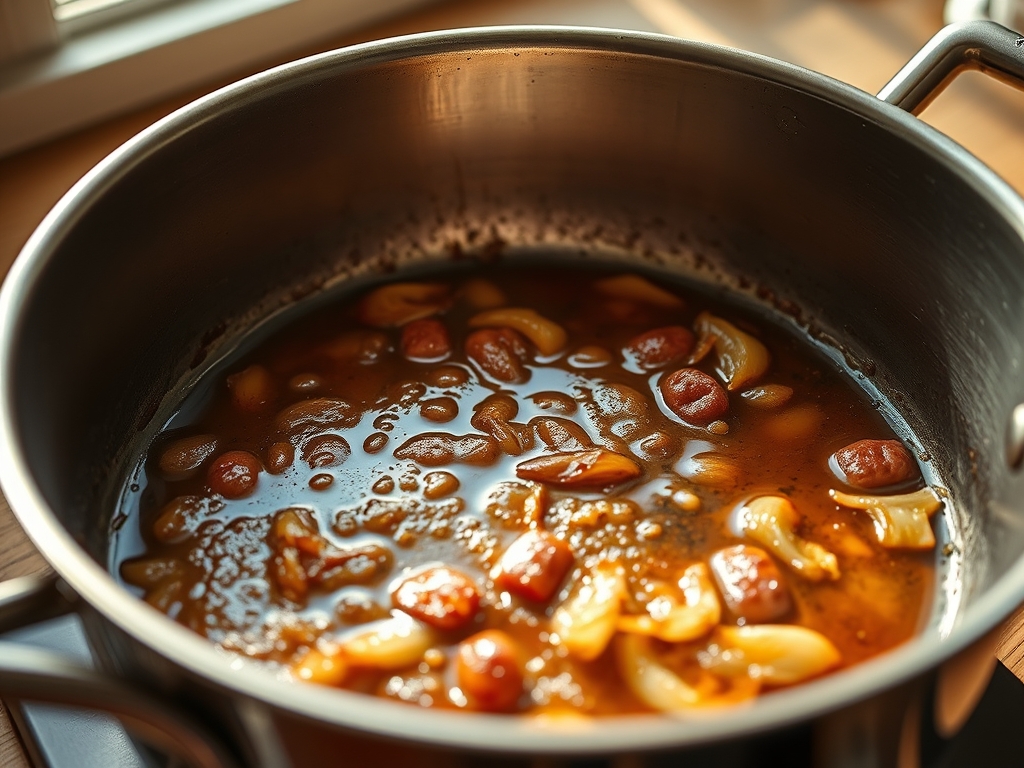
1. Thermal Calibration and Surface Prep
Preheat your convection oven to 218C / 425F. Use a heavy-duty, rimmed half-sheet pan. For maximum heat transfer, place the empty pan in the oven during the preheat phase.
Pro Tip: This mimics the sear of a cast-iron skillet. When the cold lipids hit the hot metal, it initiates an immediate sear. Use a digital infrared thermometer to ensure the surface has reached the target temperature before loading.
2. The Vegetable Matrix Assembly
In a large stainless steel mixing bowl, combine the halved potatoes, peppers, and onions. Drizzle with olive oil and toss vigorously until every surface is coated in a thin, shimmering film.
Pro Tip: Use a bench scraper to efficiently transfer chopped aromatics from your cutting board to the bowl. The oil acts as a heat-conductive medium, ensuring the dry heat of the oven penetrates the cellular walls of the vegetables evenly.
3. Seasoning Distribution
Sprinkle the salt, pepper, garlic, and dried herbs over the vegetable mixture. Toss again to ensure even distribution.
Pro Tip: Use a digital scale to measure your salt by weight rather than volume. Salt density varies wildly between brands. Precise salinity is the difference between a "good" meal and a professional-grade execution.
4. Strategic Loading
Remove the hot sheet pan from the oven. Arrange the vegetables in a single, non-overlapping layer. Nestled the sausage links among the vegetables, ensuring they have direct contact with the pan surface.
Pro Tip: Overcrowding is the enemy of the Maillard reaction. If the pan is too full, moisture cannot escape, and the temperature will drop. This leads to a grey, boiled texture. Use two pans if necessary to maintain the "air-gap" protocol.
5. The Rendering Phase
Slide the pan into the center rack. Roast for 20 to 25 minutes. At the halfway mark, use a wide metal spatula to flip the sausages and toss the vegetables.
Pro Tip: Use a saucier or small pan to melt a bit of butter with the red wine vinegar. Brushing this over the sausages in the last 5 minutes will deglaze the surface tension and add a piquant brightness to the finish.
Section B: Prep & Timing Fault-Lines:
The most common human error is the "Cold Start." Putting a room-temperature pan into a lukewarm oven results in soggy vegetables. Always wait for the chime. Furthermore, if your sausages are pre-cooked (smoked), they require less time than raw pork links. If using raw sausage, use an instant-read probe thermometer to verify an internal temperature of 71C / 160F. If the vegetables are browning too fast, move the tray to a lower rack to reduce radiant heat exposure.
THE VISUAL SPECTRUM
Section C: Thermal & Visual Troubleshooting:
Referencing the Masterclass photo, look for the "blistered" skin on the peppers. This indicates that the sugars have reached a state of partial carbonization, providing a smoky depth. If your dish looks "dull" or matte, you have under-indexed on oil. A glossy sheen is the visual cue for proper lipid interaction. If the sausages are pale, they were likely shielded by a pile of onions. Ensure "line-of-sight" between the oven's heating element and the protein. If the potatoes are dark on the outside but hard inside, your oven temperature is too high; drop it by 10 degrees and extend the duration.
THE DEEP DIVE
Macro Nutrition Profile:
This dish is a powerhouse of bioavailable protein and complex carbohydrates. A standard serving provides approximately 35g of protein, 22g of fats (primarily monounsaturated if using high-quality olive oil), and 28g of carbohydrates. The fiber content from the peppers and onions aids in glucose regulation.
Dietary Swaps:
- Vegan: Replace animal protein with high-density tempeh or plant-based "beyond" links. Increase the smoked paprika to mimic the missing nitrates.
- Keto: Eliminate the potatoes. Substitute with cauliflower florets or radishes, which take on a potato-like texture when roasted.
- GF: Ensure the sausage casing and filler are certified gluten-free, as some commercial links use breadcrumbs as a binder.
Meal Prep & Reheating Science:
To maintain molecular structure during reheating, avoid the microwave. The microwave agitates water molecules, leading to a "steamed" and rubbery casing. Instead, use a toaster oven at 175C / 350F for 8 minutes. This re-activates the surface fats and restores the "snap" of the sausage.
THE KITCHEN TABLE
Why are my peppers mushy?
You likely overcrowded the pan. When vegetables are too close, they trap steam. Spread them out to allow moisture to evaporate, ensuring the dry heat can crisp the skin effectively.
Can I use frozen sausages?
It is not recommended. Frozen proteins release excess water during the thaw-cycle in the oven, which ruins the roast. Always thaw in the refrigerator for 24 hours prior to the execution phase.
My garlic burnt and tastes bitter. Help!
Garlic has a lower burn point than potatoes. If your garlic is turning black, tuck it under the larger vegetables or add it during the final 10 minutes of the roasting process.
What is the best sausage for this?
A high-fat, coarse-ground link like Kielbasa or Bratwurst works best. The internal fat renders out, acting as a "confit" medium for the surrounding vegetables, enhancing the overall flavor profile.