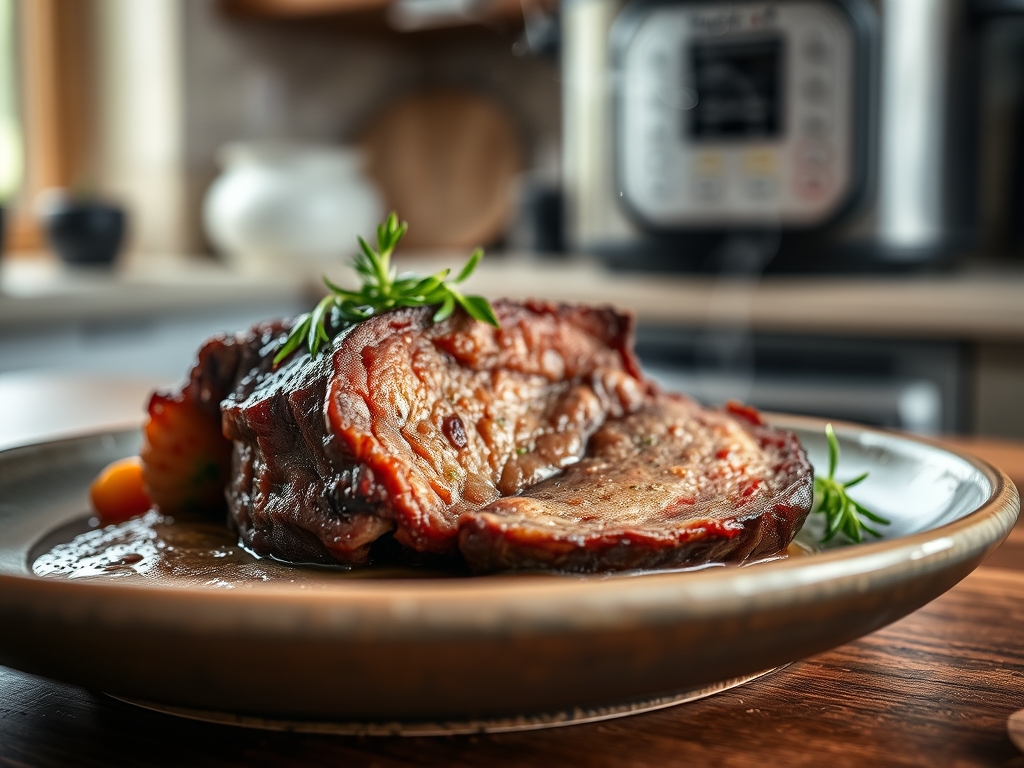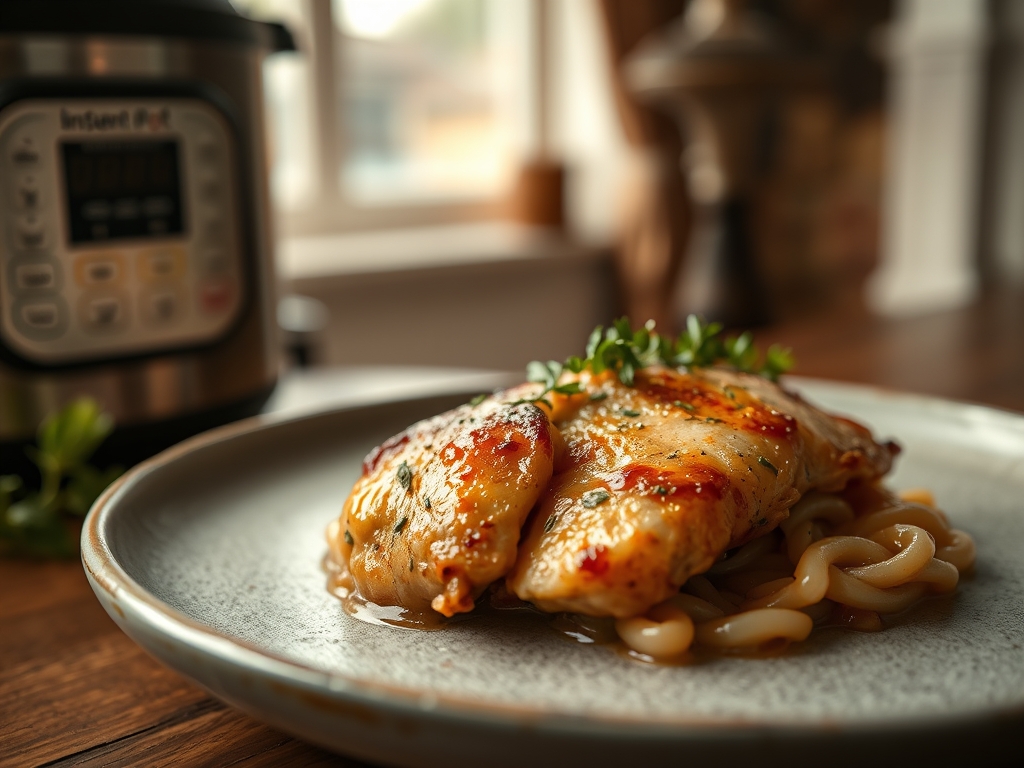
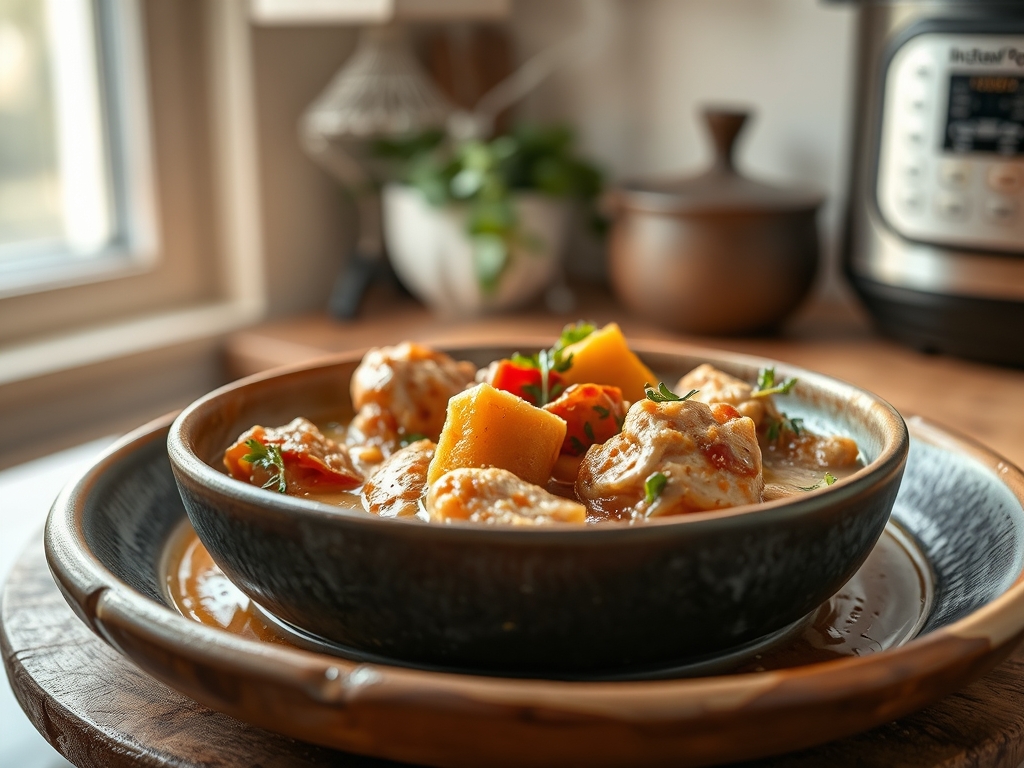
Listen up, kitchen operatives. We are moving beyond the era of the murky, lackluster broth that tastes like wet cardboard and sadness. Today, we are auditing the very foundations of liquid gold. When you engage with an Instant Pot Chicken Soup, you are not just making dinner; you are managing a high-pressure extraction chamber designed to force flavor out of connective tissue and into a suspended aqueous solution. The stakes are high. One wrong move and you have a cloudy, emulsified mess that lacks the crystalline clarity of a professional grade consomme. We want a liquid that is deeply golden, shimmering with tiny droplets of rendered lipid, and packed with enough gelatin to coat the back of a silver spoon. This is about thermal efficiency and the ruthless optimization of aromatics. We are going to harness the power of atmospheric pressure to accelerate the Maillard reaction and collagen breakdown in a fraction of the time required by a traditional stockpot. Lock the lid and check your seals. It is time to execute.
THE DATA MATRIX
| Metric | Specification |
|---|---|
| Prep Time | 20 Minutes |
| Execution Time | 60 Minutes (Including Natural Release) |
| Yield | 3.8 Liters / 1 Gallon |
| Complexity (1-10) | 4 |
| Estimated Cost per Serving | $1.45 USD |
THE GATHERS
Ingredient Protocol:
- Whole Roasting Chicken: 1.8 kg / 4 lbs (Backbone removed and reserved)
- Filtered Water: 2.8 Liters / 12 cups
- Yellow Onions: 300g / 2 large (Halved, skin on for color)
- Carrots: 250g / 3 large (Roughly chopped)
- Celery Stalks: 150g / 3 stalks (Including leaves)
- Garlic Cloves: 20g / 5 cloves (Smashed)
- Black Peppercorns: 5g / 1 tbsp (Whole)
- Kosher Salt: 18g / 1 tbsp (Adjust to taste post-pressure)
- Fresh Thyme: 5g / 4 sprigs
- Bay Leaves: 2 units (Dried)
- Apple Cider Vinegar: 15ml / 1 tbsp (To aid mineral extraction)
Section A: Ingredient Quality Audit:
If your chicken feels slimy or carries a faint metallic odor, the sulfur compounds will ruin the final profile. Technical Fix: Perform a cold water rinse and pat dry with lint-free towels to remove surface bacteria. If your vegetables are limp, they have lost their cellular turgor pressure. Technical Fix: Submerge aromatics in an ice bath for 15 minutes prior to the "Sauté" phase to rehydrate the cell walls. If using pre-ground pepper, stop immediately. Pre-ground dust offers zero volatile oils. Use a dedicated spice mill or the flat side of a chef knife to crack whole peppercorns, ensuring a piquant finish that pierces through the fat.
THE MASTERCLASS
Step 1: The Maillard Initiation
Set your pressure cooker to the "Sauté" function on High. Add a neutral oil with a high smoke point. Place the chicken pieces skin-side down. Do not crowd the vessel. We are looking for deep, mahogany browning on the skin to create complex flavor compounds.
Pro Tip: Use a heavy-duty saucier or a pair of stainless steel locking tongs to rotate the meat. The goal is to render the subcutaneous fat, which provides the silky mouthfeel essential for a premium Instant Pot Chicken Soup.
Step 2: The Aromatic Deglaze
Remove the chicken and set aside. Toss in your onions, carrots, and celery. Use a bench scraper or a wooden spatula to scrape the brown bits (the fond) from the bottom of the pot. Pour in 250ml of water to deglaze the surface.
Pro Tip: If you skip the deglazing step, the "Burn" sensor will trigger, halting your thermal progress. The fond contains concentrated amino acids that deepen the broth's visual spectrum.
Step 3: The Pressure Infusion
Return the chicken to the pot. Add the herbs, peppercorns, and the remaining filtered water. Do not exceed the "Max Fill" line. Secure the lid and set to High Pressure for 25 minutes.
Pro Tip: Use a digital scale to measure your salt precisely. Accuracy here prevents the need for corrective dilution later, which would compromise the viscous nature of the collagen-rich liquid.
Step 4: The Controlled Depressurization
Once the timer expires, do not touch the steam release valve. Allow for a 20-minute Natural Pressure Release (NPR). A rapid release causes the liquid to boil violently, which emulsifies the fat into the water, creating a cloudy, opaque broth.
Pro Tip: Patience is a tool. A slow descent in pressure ensures the proteins remain tender and the broth remains transparent.
Step 5: The Final Clarification
Strain the solids through a fine-mesh chinois or a colander lined with cheesecloth. Discard the spent aromatics. Shred the chicken meat and return it to the clear liquid.
Pro Tip: Use a fat separator to remove excess lipids if you prefer a leaner profile, though a small amount of "schmaltz" is required for optimal flavor transport.
Section B: Prep & Timing Fault-Lines:
The most common human error is the "Quick Release" temptation. Opening that valve early is a catastrophic failure of discipline. It subjects the delicate chicken fibers to a sudden pressure drop, causing them to seize and become "woody" or dry. Another fault-line is the water-to-meat ratio. If you overfill, you dilute the solute concentration. Always aim for a 1.5:1 water-to-chicken ratio by weight to ensure the broth sets into a gel when chilled.
THE VISUAL SPECTRUM
Section C: Thermal & Visual Troubleshooting:
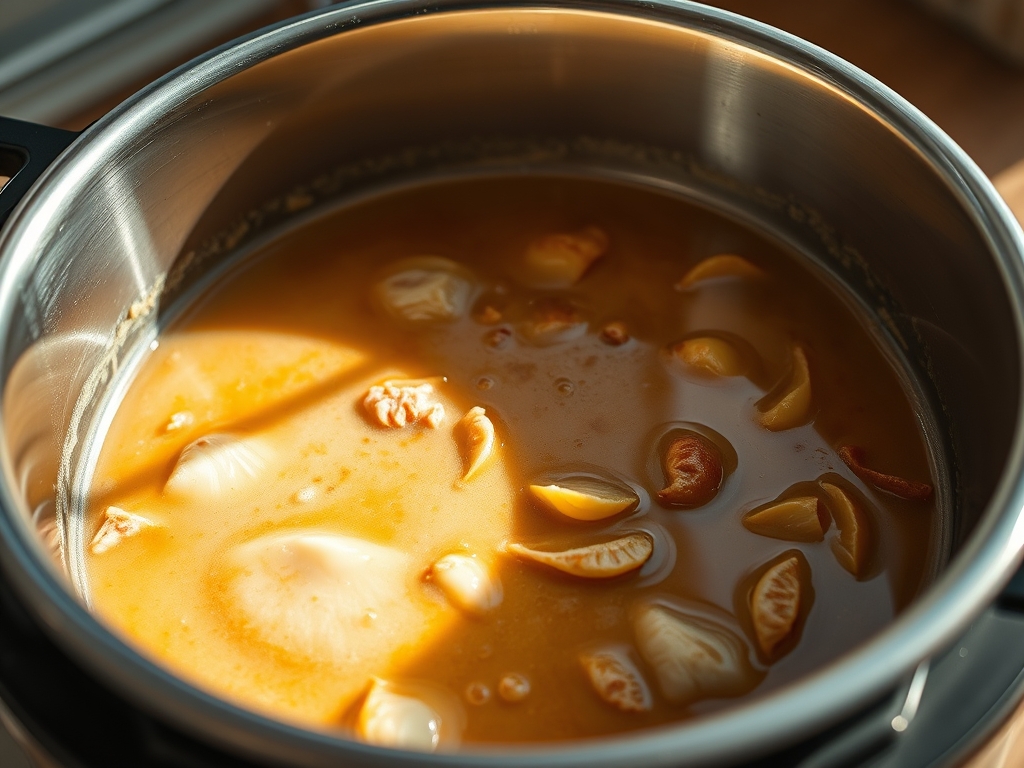
Referencing the Masterclass photo, notice the clarity of the liquid and the vibrant, non-mushy orange of the carrots. If your broth looks like dishwater, you likely over-boiled the aromatics or failed to deglaze properly. If the chicken looks grey rather than golden, you skipped the "Sauté" phase. To fix a dull color, infuse the broth with a pinch of turmeric or a handful of clean onion skins during the simmer phase. If the texture is thin, you did not include enough connective tissue (like the backbone or wing tips) to provide the necessary gelatin.
THE DEEP DIVE
Macro Nutrition Profile:
A standard 250ml serving provides approximately 180 calories, 12g of fat, 22g of protein, and 4g of carbohydrates. The high glycine content from the collagen makes this an exceptional tool for gut health and joint recovery.
Dietary Swaps:
- Vegan: Replace chicken with dried shiitake mushrooms and kombu for umami; use miso paste for depth.
- Keto: Eliminate the carrots and replace them with daikon radish or extra celery to minimize glycemic impact.
- GF: Naturally gluten-free, but ensure your stock base or bouillon (if using) is certified.
Meal Prep & Reheating Science:
To maintain molecular structure, cool the broth rapidly in an ice bath before refrigerating. This prevents the growth of thermophilic bacteria. When reheating, do not let the soup reach a rolling boil. High heat can denature the proteins and cause the vegetables to lose their structural integrity. Reheat to 74C (165F) for optimal safety and flavor retention.
THE KITCHEN TABLE
How do I make my broth clearer?
Avoid the "Quick Release" valve. A natural release prevents the internal turbulence that mixes fat and water into a cloudy emulsion. Always use filtered water to avoid mineral cloudiness from tap sources.
Can I use frozen chicken?
Yes, but increase the pressure time to 35 minutes. You will sacrifice the "Sauté" phase, meaning your broth will be lighter in color and have a less complex flavor profile due to the lack of Maillard reactions.
Why is my soup bitter?
You likely over-extracted the celery leaves or left the onion skins in too long. Also, ensure you remove the "pith" from any added garlic. Bitterness is often a sign of burnt aromatics during the initial sear.
How long does it stay fresh?
Store in an airtight container for up to 4 days in the refrigerator. For long-term storage, freeze in silicone molds. The high gelatin content ensures it maintains a great texture even after thawing and reheating.