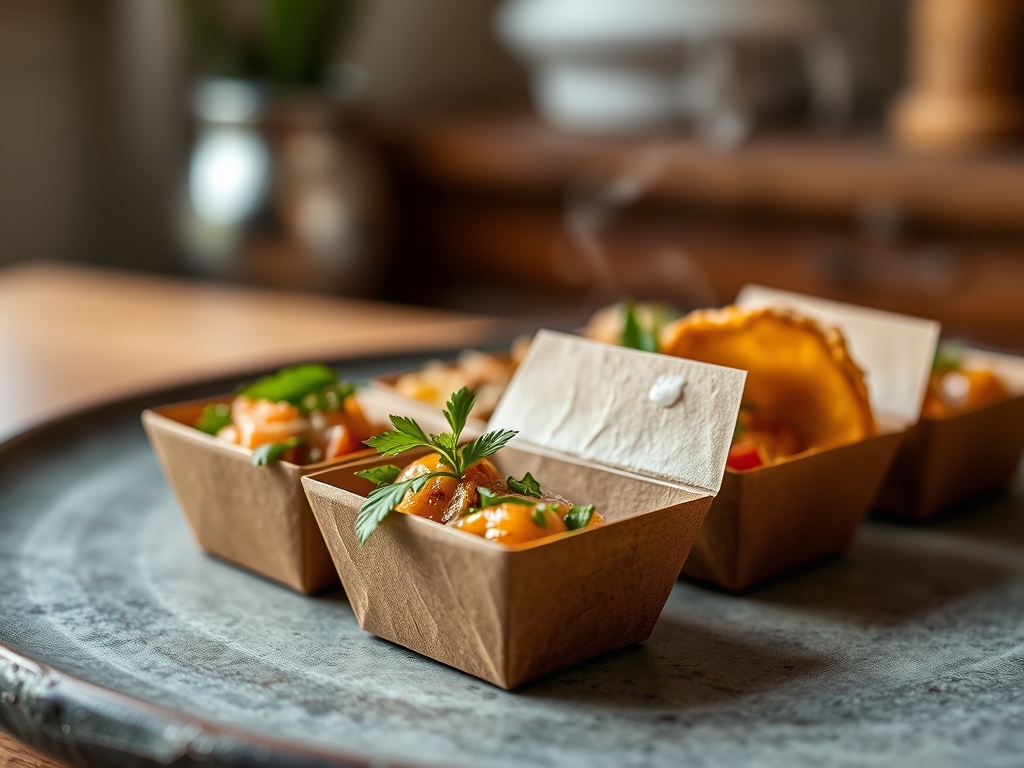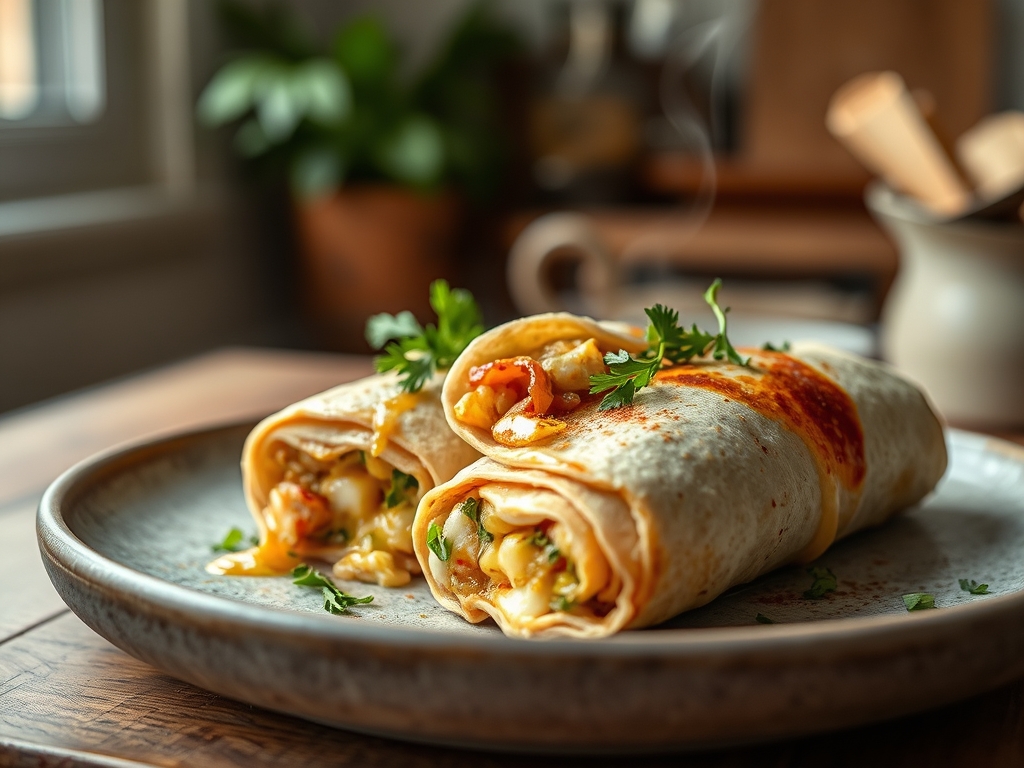
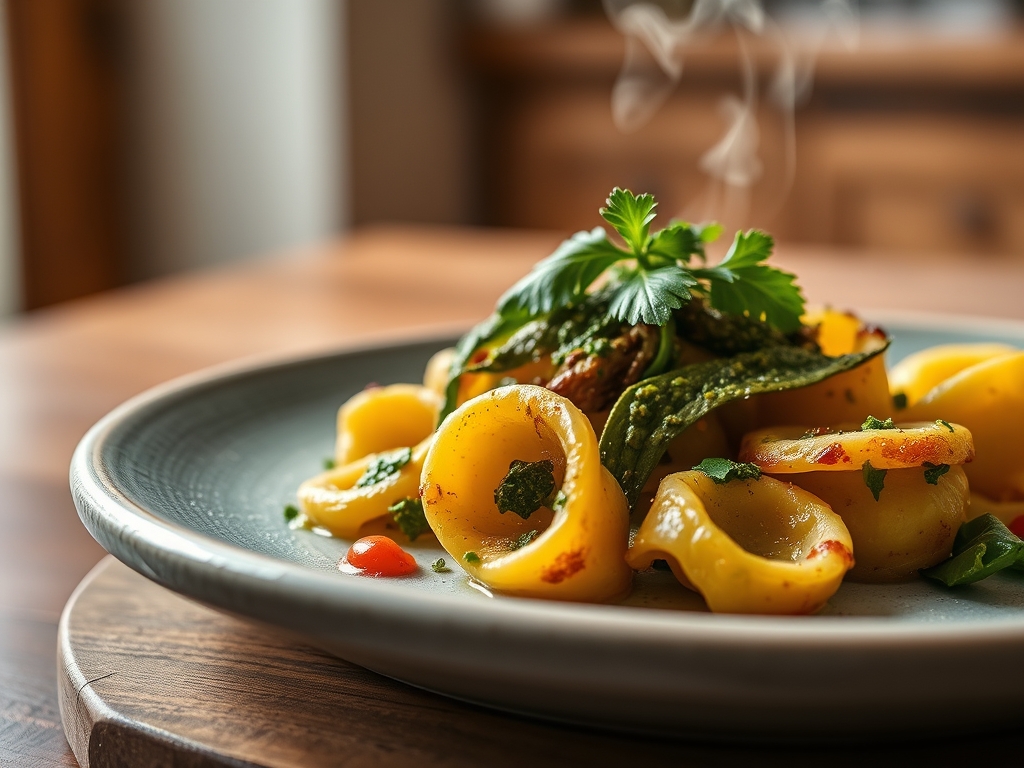
Imagine the sensory overload of a high-pressure commercial line where the margin for error is measured in microns. You are staring down a ticking clock; the hunger is visceral and the requirement for a luxury mouthfeel is non-negotiable. This is not just dinner. This is a high-speed assembly of lipid-rich fats and hydrated starches. We are executing the 10 Min Pesto Tortellini. The aroma of crushed basil and toasted pine nuts hits the olfactory receptors with a piquant intensity that demands immediate attention. You need a dish that bridges the gap between a frantic Tuesday night and a five-star dining experience. We are talking about pillows of pasta that have been perfectly rehydrated to an al dente snap; all while being enveloped in a vibrant, emerald-green emulsion that clings to every crevice. This is a study in efficiency. We are leveraging rapid thermal transfer and high-quality fats to create a meal that defies its own timeline. Prepare your station; we are moving from raw components to a plated masterpiece in exactly six hundred seconds.
THE DATA MATRIX
| Metric | Specification |
|---|---|
| Prep Time | 2 Minutes |
| Execution Time | 8 Minutes |
| Yield | 2 Servings |
| Complexity (1-10) | 3 |
| Estimated Cost per Serving | $4.50 USD |
THE GATHERS
Ingredient Protocol:
- 500g / 1.1 lbs Refrigerated Cheese Tortellini (Fresh-pack preferred)
- 120ml / 0.5 cup High-Quality Basil Pesto (Cold-pressed)
- 60ml / 4 tbsp Heavy Cream or Pasta Water (The emulsifier)
- 50g / 0.5 cup Freshly Grated Parmigiano-Reggiano
- 30g / 2 tbsp Toasted Pine Nuts
- 5ml / 1 tsp Fresh Lemon Juice (The acidic brightener)
- 2g / 0.5 tsp Red Pepper Flakes (Optional heat)
Section A: Ingredient Quality Audit:
If your pesto looks brown and oxidized, your dish will lack the visual vibrancy required for a premium experience. This usually occurs when the basil leaves are bruised during processing or exposed to high heat. To fix this, infuse the sauce with a handful of fresh, finely minced basil at the very end of the process to restore the chlorophyll levels. If your tortellini feels dry or "chalky" out of the bag, it has suffered from poor refrigeration seals. To salvage this, increase your boiling water salinity to force more moisture into the pasta skin via osmotic pressure. Never use pre-shredded cheese from a can; the anti-caking agents like cellulose will prevent a smooth melt and result in a gritty, grainy texture. Always grate from a block using a microplane for maximum surface area.
THE MASTERCLASS
1. The Rapid Hydration Phase
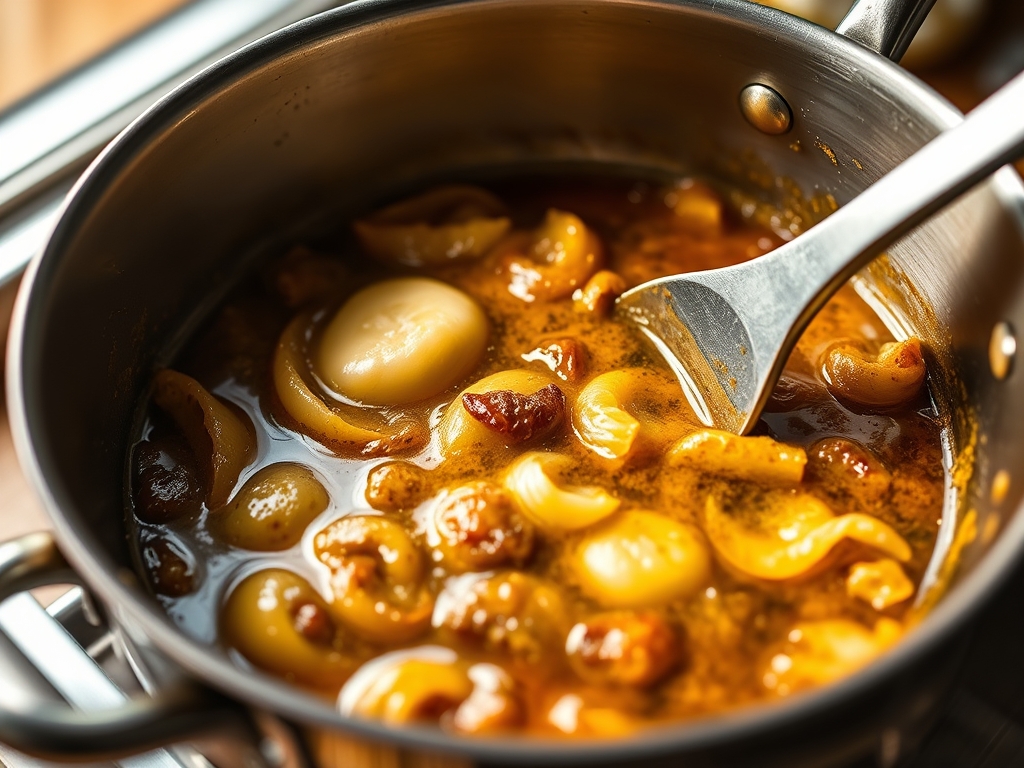
Bring a wide-bottomed saucier or pot of heavily salted water to a rolling boil. Use a digital scale to ensure you have at least 10 grams of salt per liter of water. Drop the tortellini into the vortex. Because we are using refrigerated pasta, the cook time is significantly reduced compared to dried alternatives. Monitor the buoyancy; when they float, they are nearing the finish line.
Pro Tip: Using a wider pan increases the surface area for evaporation. This allows you to use less water, which in turn creates a more viscous, starch-heavy pasta water that acts as the perfect binding agent for your sauce.
2. The Emulsion Engineering
While the pasta boils, place your pesto in a large stainless steel mixing bowl. Do not heat the pesto directly in a pan over high heat. High temperatures will cause the basil to oxidize and the oil to separate. Instead, use a small ladle to transfer two tablespoons of the boiling pasta water into the pesto. Whisk vigorously to aerate and create a preliminary emulsion.
Pro Tip: This technique is known as "tempering." By slowly introducing heat and starch, you prevent the fats in the pesto from breaking, ensuring the final coating is silky rather than greasy.
3. The Final Integration
Use a slotted spoon or a spider strainer to transfer the tortellini directly from the water into the pesto bowl. Do not rinse the pasta. The residual surface starch is essential. Add the heavy cream and half of the Parmigiano-Reggiano. Toss the pasta using a gentle folding motion with a silicone spatula to avoid tearing the delicate pasta skins.
Pro Tip: Professional chefs use a "mantecatura" technique here. By tossing the pasta vigorously with the cheese and a splash of fat, you create a creamy, cohesive sauce that defies the need for a traditional roux.
4. The Structural Finish
Plate the pasta immediately into warmed bowls. Top with the remaining cheese, toasted pine nuts, and a squeeze of lemon juice to deglaze the palate from the heavy fats. Add a pinch of red pepper flakes if you desire a lingering piquant finish.
Pro Tip: Use a bench scraper to quickly clean your prep area while the pasta is in its final toss. Maintaining a clean station is the hallmark of an efficient culinary infrastructure.
Section B: Prep & Timing Fault-Lines:
The most common failure in the 10 Min Pesto Tortellini protocol is the "Thermal Gap." This happens when the pasta cools down too much before it hits the sauce, preventing the cheese from melting. If your timing is off, keep the pasta in the hot water until the very second you are ready to emulsify. Conversely, if you overcook the tortellini, they will lose their structural integrity and burst, leaking their cheese filling into the water. Set a digital timer for exactly 60 seconds less than the package instructions to account for the "carry-over" cooking that happens during the tossing phase.
THE VISUAL SPECTRUM
Section C: Thermal & Visual Troubleshooting:
In the reference photo, notice the glossy sheen on the tortellini; this indicates a successful emulsion. If your dish looks dull or matte, you have not used enough pasta water or cream to create that light-reflecting surface. If the pesto looks dark or muddy rather than the bright emerald seen in the image, you likely overheated the sauce. To fix a broken, oily sauce, add one teaspoon of cold water and whisk aggressively; the sudden temperature drop can often pull the emulsion back together. If the pasta appears "clumpy," you likely added the cheese too quickly without enough liquid to distribute it. Ensure the pasta is dripping wet when it hits the bowl to provide the necessary lubrication.
THE DEEP DIVE
Macro Nutrition Profile:
A standard serving of 10 Min Pesto Tortellini provides approximately 650 calories. It is a carbohydrate-heavy fuel source, balanced by roughly 22g of protein from the cheese and pasta filling, and 38g of fats primarily from the olive oil and pine nuts. It is an excellent recovery meal for high-output individuals.
Dietary Swaps:
- Vegan: Utilize a nutritional yeast-based pesto and swap the cheese tortellini for a cashew-cream filled variant. Replace heavy cream with full-fat oat milk.
- Keto: This is a high-carb dish by nature. To adapt, replace tortellini with roasted cauliflower florets or zucchini noodles, keeping the high-fat pesto and cheese components.
- Gluten-Free: Use high-quality GF tortellini (usually found in the frozen section) and ensure your pesto contains no hidden thickeners.
Meal Prep & Reheating Science:
To maintain molecular structure when reheating, avoid the microwave. The high-intensity waves will cause the oils to separate and turn the pasta rubbery. Instead, use a small pan over low heat with a splash of water or milk. Cover the pan to create a steam chamber, which gently rehydrates the starch without breaking the lipid bond of the pesto.
THE KITCHEN TABLE
Can I use frozen tortellini for this?
Yes, but you must increase the boiling time by approximately three minutes. Do not thaw them first; drop them directly into the boiling water to maintain the best textural integrity and prevent the dough from becoming gummy.
Why is my pesto sauce so salty?
Pesto contains parmesan and often salty nuts. If you also heavily salt your pasta water, the cumulative effect can be overwhelming. Taste your pesto first; if it is very salty, reduce the salt in your boiling water significantly.
What is the best way to toast pine nuts?
Place them in a dry skillet over medium heat for 2-3 minutes. Shake the pan constantly. They go from golden to burnt in seconds because of their high oil content. Remove them from the hot pan immediately once they smell fragrant.
How do I make the sauce thicker?
The secret is the pasta water. The more you reduce the water in the pot, the more concentrated the starch becomes. Add an extra dusting of finely grated Parmigiano-Reggiano during the tossing phase to act as a natural thickening agent.