Imagine a culinary landscape where the stakes are high and the margins for error are microscopic. You are managing a high stakes operation where the primary asset is a delicate, protein dense substrate that threatens to flake into oblivion at the slightest thermal provocation. This is the world of Sheet Pan Tilapia. We are not merely "cooking dinner" here; we are engineering a thermal shield to protect the integrity of a mild whitefish while simultaneously inducing a Maillard reaction on a bed of high moisture aromatics. The air in your kitchen should currently be a volatile mix of citrus zest and cold pressed fats. If you are not feeling the pressure to execute a perfect sear without the benefit of a heavy bottomed skillet; then you are not paying attention. We are utilizing the sheet pan as a heat distribution manifold. It is efficient; it is brutal; and when executed with precision; it results in a texture that is simultaneously firm and buttery. Let us begin the audit of your infrastructure.
THE DATA MATRIX
| Metric | Specification |
|---|---|
| Prep Time | 12 Minutes |
| Execution Time | 15 Minutes |
| Yield | 4 Units (Servings) |
| Complexity | 3/10 |
| Estimated Cost per Serving | $3.50 USD |
THE GATHERS
Ingredient Protocol:
- 4 Tilapia Fillets (approx. 680g / 1.5 lbs)
- 450g / 1 lb Baby Yukon Gold Potatoes; quartered
- 340g / 12 oz Asparagus spears; trimmed
- 60ml / 4 tbsp Extra Virgin Olive Oil
- 30ml / 2 tbsp Fresh Lemon Juice
- 3 cloves Garlic; minced (approx. 15g)
- 5g / 1 tsp Smoked Paprika
- 2g / 0.5 tsp Dried Oregano
- Sea Salt and Cracked Black Pepper to taste
Section A: Ingredient Quality Audit:
If your tilapia fillets arrive with a viscous or slimy coating; they have surpassed their peak freshness window. A quick technical fix involves a brief rinse in ice cold filtered water followed by an aggressive pat down with lint free paper towels to restore the surface tension required for seasoning adhesion. If your asparagus stalks are woody and fibrous; do not attempt to cook them whole. Use a bench scraper to slice them into thin bias cuts; this increases the surface area and ensures they soften at the same rate as the fish. For potatoes that feel soft; a 10 minute soak in cold salted water will rehydrate the cellular walls; ensuring a crispier exterior once they hit the heat.
THE MASTERCLASS
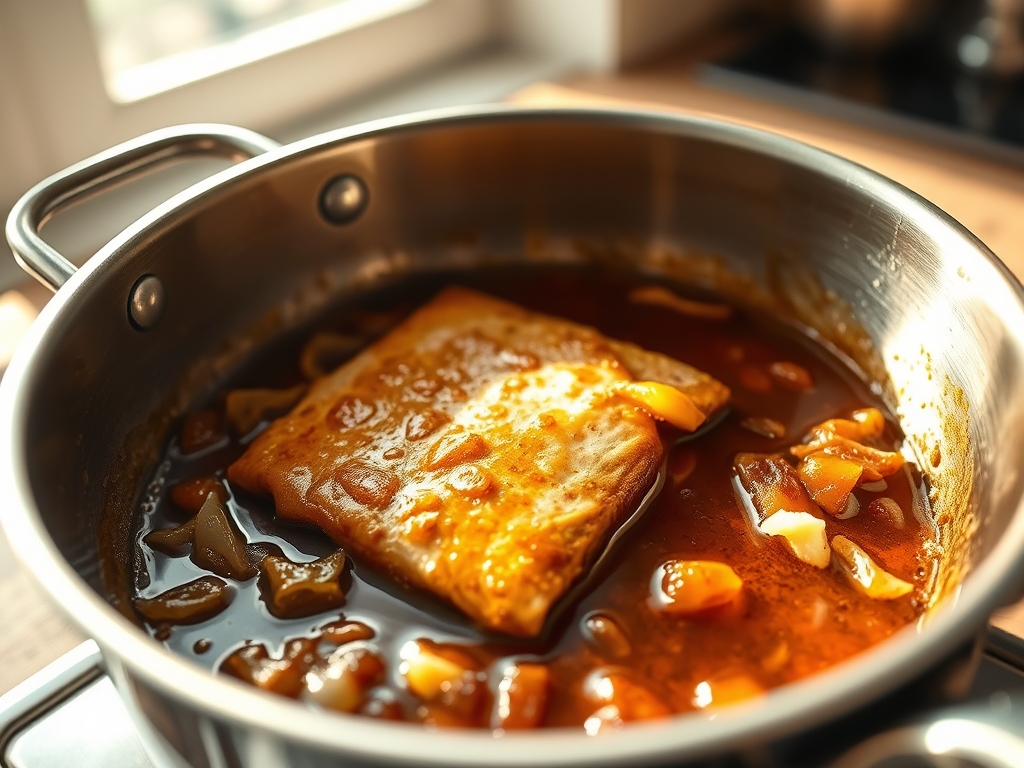
1. Thermal Priming and Tuber Preparation
Preheat your oven to 200C / 400F. Place your quartered potatoes in a large mixing bowl. Toss them with half of the olive oil and a generous pinch of salt. Spread them across a heavy duty rimmed baking sheet. Ensure no two potatoes are touching; overcrowding creates a steam trap that prevents the rendering of a crisp exterior.
Pro Tip: Use a digital scale to ensure your potato segments are uniform in weight. Consistent mass leads to consistent heat penetration; preventing the dreaded "crunchy center" syndrome in your starch component.
2. The Aromatic Infusion
In a small saucier or glass bowl; whisk together the remaining olive oil; lemon juice; minced garlic; paprika; and oregano. This creates a piquant emulsion that will serve as the primary flavor delivery system for the protein. The acidity in the lemon juice acts as a chemical denaturant; pre-tenderizing the fish before it even enters the oven.
Pro Tip: Use a microplane to zest the lemon before juicing it. The essential oils found in the zest provide a brighter; more volatile aromatic profile than the juice alone.
3. Protein Deployment and Shielding
Slide the potatoes to one side of the pan and add the asparagus. Place the tilapia fillets in the center. Brush the fillets and vegetables generously with the aromatic emulsion. The oil creates a lipid barrier that prevents moisture loss; effectively acting as a protein shield against the dry heat of the oven.
Pro Tip: Use a silicone pastry brush to ensure even coverage. If the coating is uneven; the thinner sections of the fish will overcook and become tough before the thicker sections reach safe internal temperatures.
4. Controlled Thermal Exposure
Slide the tray into the center rack of the oven. Roast for 12 to 15 minutes. You are looking for the fish to transition from translucent to opaque. The potatoes should exhibit a golden hue; and the asparagus should be tender-crisp with slight charring on the tips.
Pro Tip: Use an instant read digital thermometer to verify the internal temperature of the fish. You are targeting 63C / 145F. Anything higher risks a catastrophic breakdown of the delicate flake structure.
Section B: Prep & Timing Fault-Lines:
The most common failure in Sheet Pan Tilapia is the "Stagger Gap." Potatoes require more time than fish. If you find your potatoes are still hard when the fish is done; you failed to par-cook or pre-roast. Fix this by giving the potatoes a 10 minute head start in the oven before adding the protein. If your garlic is burning; it was likely minced too finely or placed in a "hot spot" on the pan. Ensure garlic is well-coated in oil to insulate it from direct radiant heat.
THE VISUAL SPECTRUM
Section C: Thermal & Visual Troubleshooting:
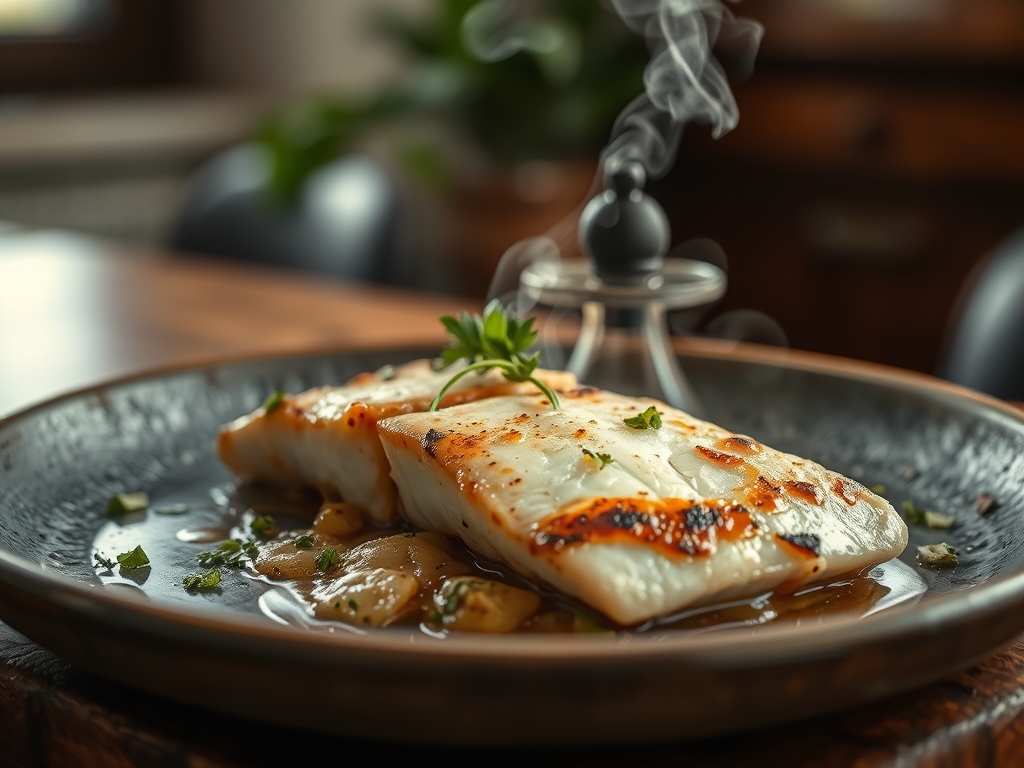
Referencing the Masterclass photo; notice the vibrant green of the asparagus and the distinct; non-mushy separation of the fish flakes. If your dish looks "gray" or "wet;" you likely had too much moisture on the tray. This often happens if the fish was not properly thawed. To fix a dull appearance; toggle your oven to the "Broil" setting for the final 60 seconds of execution. This will infuse the surface with a quick burst of intense heat; triggering the Maillard reaction for that coveted golden brown finish. If the colors are muted; a post-roast dusting of fresh parsley or a squeeze of fresh lemon will aerate the heavy flavors and restore visual vibrancy.
THE DEEP DIVE
Macro Nutrition Profile:
A standard serving of this Sheet Pan Tilapia infrastructure provides approximately 35g of high quality protein; 12g of healthy fats (primarily monounsaturated); and 22g of complex carbohydrates. It is a lean; high efficiency fuel source designed for optimal metabolic uptake.
Dietary Swaps:
- Vegan: Replace the tilapia with 2cm thick slabs of extra firm tofu or cauliflower steaks. Increase roasting time by 10 minutes.
- Keto: Eliminate the potatoes. Substitute with radishes or extra broccoli florets to maintain a low glycemic index.
- GF: This recipe is naturally gluten free; provided your dried spices have no anti-caking agents containing wheat.
Meal Prep & Reheating Science:
To maintain the molecular structure during reheating; avoid the microwave. The localized excitation of water molecules will turn the fish rubbery. Instead; use a toaster oven at 150C / 300F for 8 minutes. This gently re-activates the lipids without over-denaturing the protein strands.
THE KITCHEN TABLE
Can I use frozen tilapia fillets?
Yes; but they must be fully thawed and patted dry. Residual ice crystals will steam the fish rather than roast it; resulting in a soggy texture that compromises the structural integrity of the dish.
How do I prevent the fish from sticking?
Ensure your sheet pan is well seasoned or use a high quality parchment paper. A light coating of oil on the pan before placing the fish creates a non-polar barrier that prevents protein bonding.
Why is my asparagus mushy?
You likely chose thin spears and overcooked them. If using thin asparagus; add them to the pan halfway through the fish's cooking time to ensure they maintain their snap and vibrant color.
What if I don't have a sheet pan?
Any large; shallow oven safe vessel will work. However; high sides will trap steam. If using a casserole dish; expect a softer texture and a slightly longer execution time due to reduced airflow.