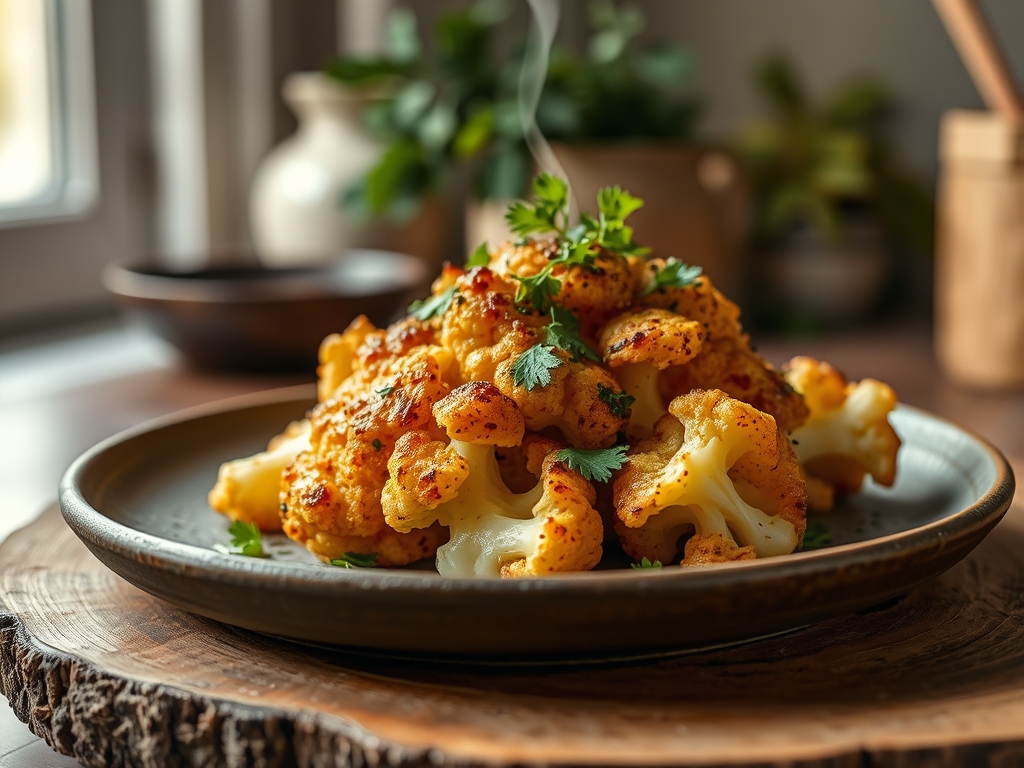
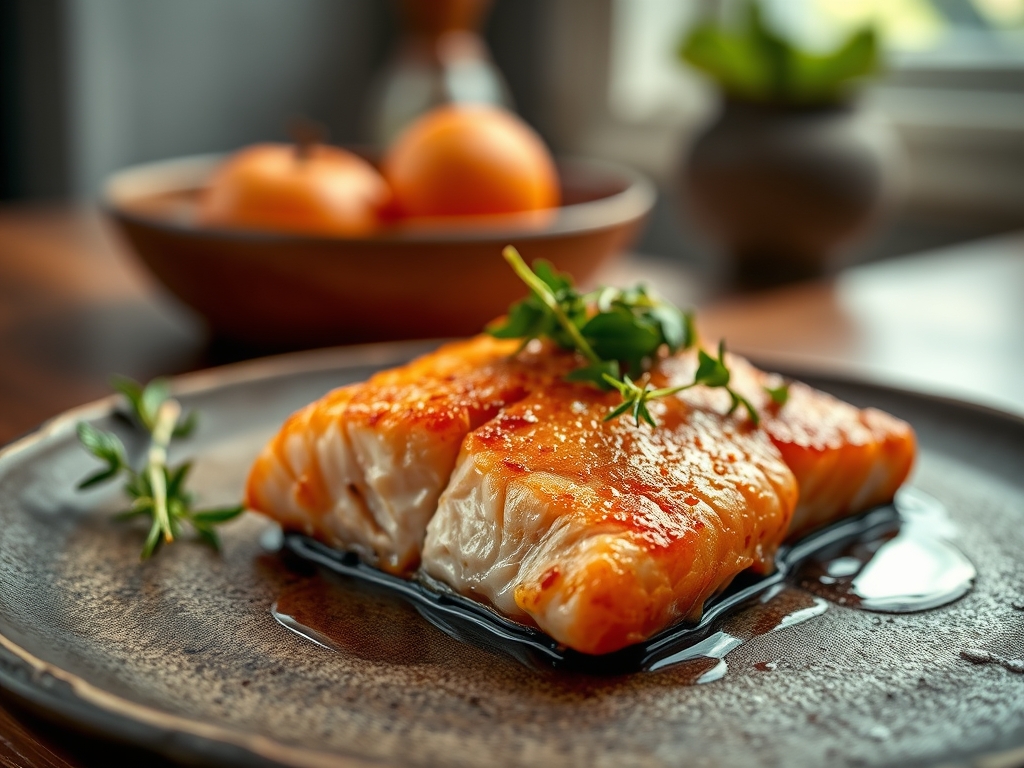
The kitchen is a laboratory of thermal dynamics where the stakes are measured in cellular integrity and albumin leakage. When you commit to Meal Prep Salmon, you are not just making dinner; you are managing a delicate protein matrix that begins to degrade the moment it leaves the ice. We are hunting for that perfect intersection of a crisp, Maillard-driven exterior and a translucent, buttery core that survives the transition from the pan to the glass storage container. Forget the dry, chalky pucks of overcooked fish that haunt office breakrooms. We are engineering a high-performance fuel source designed to withstand the cold chain without losing its structural soul. This requires a ruthless commitment to moisture control and temperature precision. If you treat your fish like a commodity, it will behave like one. If you treat it like a precision-engineered asset, it will reward you with a rich, viscous mouthfeel and a piquant flavor profile that remains vibrant even on day three of your nutritional cycle. Let us audit your process and eliminate the variables that lead to culinary failure.
THE DATA MATRIX
| Metric | Specification |
|---|---|
| Prep Time | 15 Minutes |
| Execution Time | 12 Minutes |
| Yield | 4 Portions |
| Complexity | 4 / 10 |
| Estimated Cost per Serving | $6.50 – $8.50 |
THE GATHERS
Ingredient Protocol:
- 4 Center-cut Salmon Fillets (170g / 6oz each)
- Extra Virgin Olive Oil (30ml / 2 tbsp)
- Unsalted Butter (28g / 2 tbsp)
- Fresh Lemon Juice (15ml / 1 tbsp)
- Kosher Salt (10g / 2 tsp)
- Cracked Black Pepper (5g / 1 tsp)
- Fresh Dill, minced (10g / 4 tbsp)
- Garlic Cloves, microplaned (3 units)
Section A: Ingredient Quality Audit:
The primary failure point in Meal Prep Salmon is the "fishy" odor caused by the oxidation of trimethylamine oxide. If your raw fillets possess a pungent aroma, they have already begun their descent into spoilage. To fix this, rinse the fillets in a cold brine of water and lemon juice to neutralize surface odors. If the flesh feels "tacky" or soft, the cellular walls have collapsed; you must firm them up by dry-brining with salt for ten minutes before cooking to draw out excess moisture. Always audit your fat source as well. If your olive oil lacks a peppery finish, it is likely oxidized and will impart a flat, greasy film rather than a vibrant, infused top note.
THE MASTERCLASS
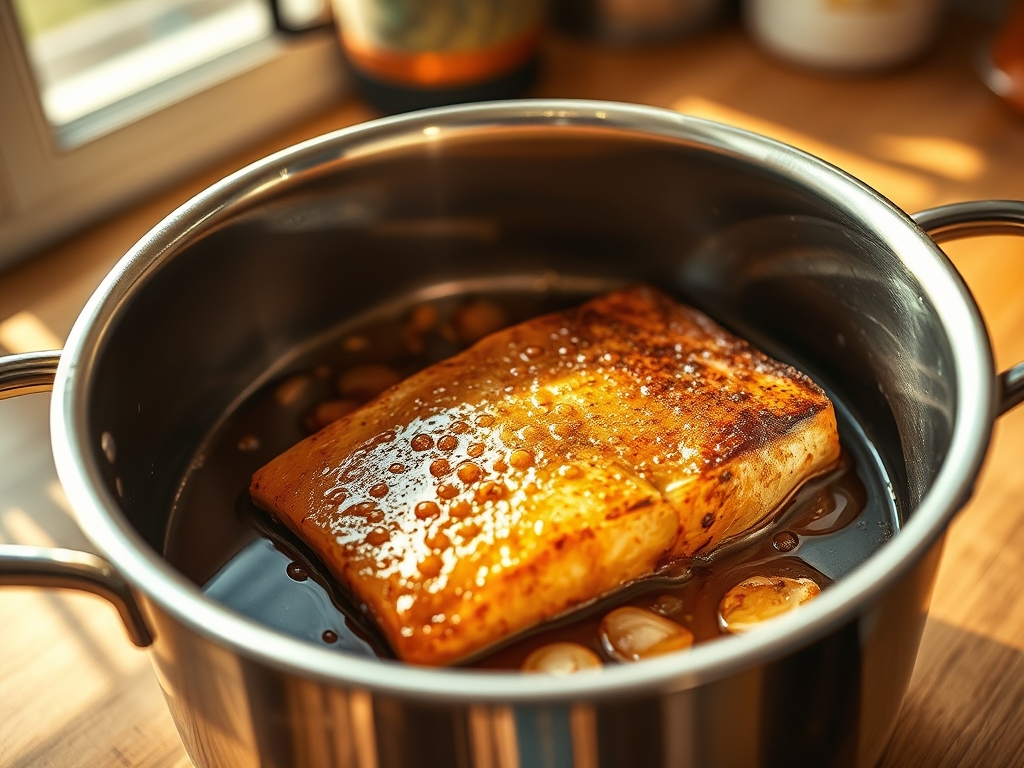
1. The Surface Dehydration Protocol
The biggest enemy of a crisp crust is surface moisture. Use a heavy-duty paper towel to blot every square millimeter of the fish until the skin is tacky. Place the fillets on a digital scale to ensure uniform portioning, which guarantees a synchronized cooking time across all units.
Pro Tip: This dehydration allows the proteins to undergo the Maillard reaction immediately upon contact with heat. If the surface is wet, the energy is wasted evaporating water, resulting in gray, steamed fish.
2. Thermal Calibration and Searing
Heat a heavy-bottomed stainless steel skillet or a saucier over medium-high heat. Add the oil and wait for the first wisps of smoke. Carefully lay the fillets away from you to avoid oil splatter. Press down firmly with a bench scraper or a flexible fish spatula for the first 30 seconds to prevent the skin from curling.
Pro Tip: Constant pressure ensures maximum surface area contact. This uniform heat distribution prevents the edges from overcooking while the center remains raw.
3. The Butter Baste and Infusion
Once the skin is shattered-glass crisp, flip the fillets. Reduce the heat to medium and drop in the butter and microplaned garlic. As the butter begins to render and foam, tilt the pan and use a large spoon to continuously bathe the fish in the hot, garlic-scented fat.
Pro Tip: This technique, known as "arroser," uses the fat to infuse the flesh with flavor while gently finishing the interior. The butter acts as a thermal buffer, preventing the delicate fats in the salmon from scorching.
4. The Deglaze and Rest
Remove the pan from the heat and squeeze the lemon juice directly into the hot fat to deglaze the browned bits. Toss in the fresh dill. Transfer the salmon to a wire rack rather than a flat plate to prevent the bottom from becoming soggy.
Pro Tip: Resting on a rack allows air to circulate, maintaining the integrity of the crust. Use an infrared thermometer to ensure the internal temperature hits 125 degrees Fahrenheit for a perfect medium-rare that stays moist after reheating.
Section B: Prep & Timing Fault-Lines:
Timing errors usually stem from a lack of "carry-over cooking" awareness. If you pull the salmon at its final desired temperature, it will be overcooked by the time you eat it. Always pull the fish 5 degrees early. Another fault-line is the "cold pan" error. If the oil is not shimmering, the fish will stick to the metal, tearing the skin and ruining the presentation. Use a high-precision timer to track the sear; four minutes on the skin side and two minutes on the flesh side is the standard baseline for a one-inch thick fillet.
THE VISUAL SPECTRUM
Section C: Thermal & Visual Troubleshooting:
Referencing the Masterclass photo, your goal is a deep mahogany crust contrasted against the vibrant coral of the interior. If your salmon looks pale or "beige," your pan temperature was too low. If you see white "beads" (albumin) popping out of the sides, the heat was too high, causing the muscle fibers to contract too violently and squeeze out the moisture. To fix a dull appearance, finish the dish with a high-quality finishing oil to aerate the surface and add a reflective sheen. If the colors look muted, a final hit of acid (lemon zest) will brighten the visual spectrum and the palate simultaneously.
THE DEEP DIVE
Macro Nutrition Profile:
A standard 170g serving of this Meal Prep Salmon provides approximately 340 calories, 34g of high-bioavailability protein, and 22g of healthy fats, including essential Omega-3 fatty acids. It is a metabolic powerhouse.
Dietary Swaps:
- Vegan: Substitute the salmon with thick-cut "steaks" of cauliflower or firm tofu, using miso paste to replicate the umami depth.
- Keto/GF: This recipe is inherently Keto and Gluten-Free. Ensure your spices are certified GF to avoid cross-contamination.
Meal Prep & Reheating Science:
The secret to reheating without the "fishy" smell is low-impact thermal energy. Avoid the microwave at all costs; it vibrates water molecules too violently, toughening the protein. Instead, use a toaster oven at 275 degrees Fahrenheit or eat the salmon cold over a salad. The fats will have solidified into a silky, pate-like texture that is arguably superior to the hot version.
THE KITCHEN TABLE
How do I prevent the salmon from sticking?
Ensure the pan is properly seasoned and the oil is at the shimmering point. Once the fish hits the pan, do not move it for at least two minutes. The fish will naturally release once the crust has formed.
Can I use frozen fillets for meal prep?
Yes, but they must be thawed completely in the refrigerator and patted extremely dry. Frozen fish often has higher moisture content, so a longer dry-brine period is recommended to maintain the structural integrity of the protein.
How long does meal prep salmon stay fresh?
When stored in an airtight glass container at or below 40 degrees Fahrenheit, the salmon will remain optimal for three days. Beyond that, the fats begin to oxidize, leading to a diminished flavor profile and potential texture degradation.
Why is my salmon dry even if it looks pink?
You likely missed the carry-over cooking window. Even if the center is pink, if the internal temperature exceeded 140 degrees, the moisture has been pushed out. Always use a digital probe thermometer for absolute precision.