Stop treating your lunch like a secondary concern; it is a structural necessity. When you demand a Quick Caprese Salad, you are not just tossing fruit and cheese into a bowl. You are managing a delicate moisture equilibrium between the high-water content of a nightshade and the lipid-heavy density of fresh buffalo mozzarella. Most home cooks fail because they allow the salt to draw out too much moisture too early, resulting in a swampy plate of diluted flavors. We are here to audit that process. We want a vibrant, piquant profile that hits the palate with the force of a Mediterranean summer, delivered with the efficiency of a high-end bistro line. This is about architectural integrity. The basil must remain crisp; the balsamic must be viscous enough to cling rather than run; and the olive oil must emulsify with the residual tomato juices to create a makeshift vinaigrette on the fly. We are optimizing for speed without sacrificing the molecular brilliance of fresh produce. Let us calibrate your station and execute with precision.
THE DATA MATRIX
| Metric | Specification |
|---|---|
| Prep Time | 8 Minutes |
| Execution Time | 2 Minutes |
| Yield | 2 Servings |
| Complexity (1-10) | 2 |
| Estimated Cost per Serving | $4.50 USD |
THE GATHERS
Ingredient Protocol:
- 450g / 1 lb Vine-Ripened Heirloom Tomatoes
- 225g / 8 oz Fresh Mozzarella di Bufala (or Bocconcini)
- 30g / 1 cup Fresh Genovese Basil Leaves
- 60ml / 4 tbsp Extra Virgin Olive Oil (Cold-Pressed)
- 30ml / 2 tbsp Balsamic Glaze (High Viscosity)
- 5g / 1 tsp Flaky Sea Salt (Maldon preferred)
- 2g / 0.5 tsp Freshly Cracked Tellicherry Black Peppercorns
Section A: Ingredient Quality Audit:
If your tomatoes feel mealy or lack that piquant acidity, they have likely been refrigerated. Cold temperatures destroy the volatile compounds responsible for flavor. To fix this, allow the tomatoes to sit at room temperature for four hours to re-activate enzymatic activity. If your mozzarella is sitting in a pool of milky water, it is leaching flavor. Drain it on a lint-free kitchen towel for ten minutes before slicing. For sub-par basil that looks wilted, perform a "thermal shock" by submerging the stems in ice water for thirty seconds; this will aerate the cellular structure and restore the turgor pressure, making the leaves snap with freshness.
THE MASTERCLASS
Step-by-Step Execution:
1. The Geometric Slice
Using a sharpened serrated knife or a professional mandoline, slice the tomatoes into 6mm rounds. Ensure uniformity to maintain a consistent mouthfeel.
Pro Tip: Use a digital scale to ensure each tomato slice is roughly the same weight. This creates a predictable ratio of acidity to fat when paired with the cheese. Uniformity ensures that the salt distribution remains even across the entire surface area.
2. The Lipid Integration
Slice the mozzarella slightly thinner than the tomatoes. In a Quick Caprese Salad, the cheese acts as the structural base that must infuse with the oil to carry the flavor of the basil.
Pro Tip: Use a bench scraper to transfer the delicate cheese slices from the cutting board to the plate. This prevents the warmth of your hands from melting the surface lipids, which would otherwise result in a greasy texture.
3. The Shingling Architecture
Alternate tomato and mozzarella slices in a circular or linear pattern. This is not just for aesthetics; it creates a "flavor staircase" where each bite contains a balanced ratio of ingredients.
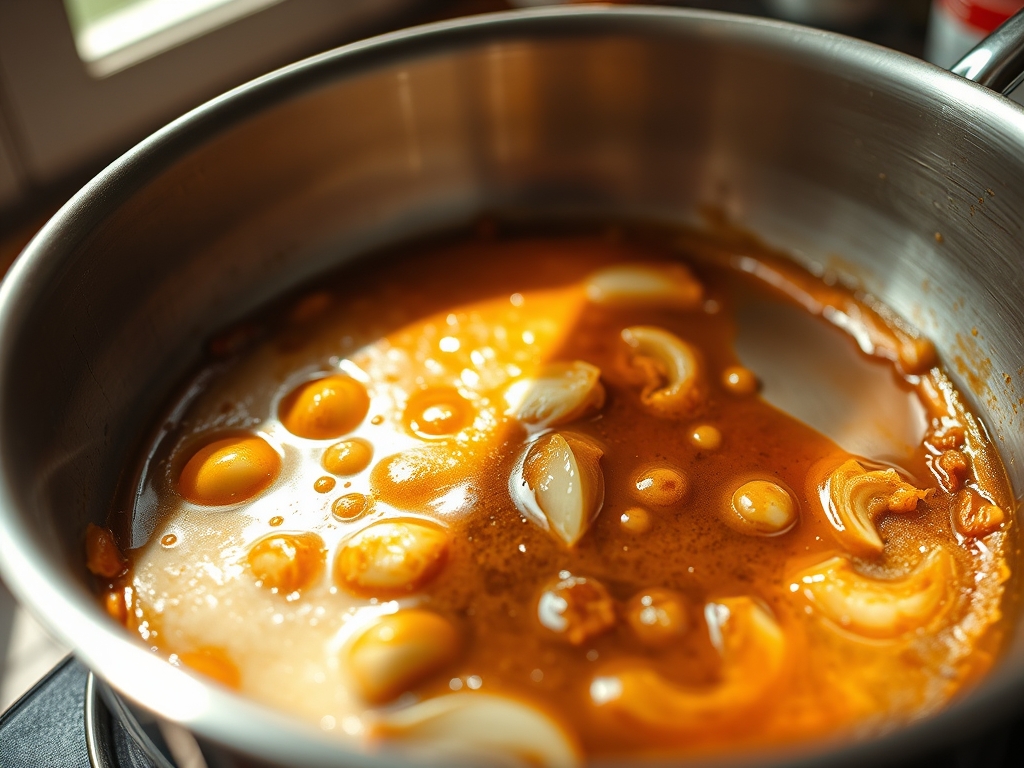
Pro Tip: If using a saucier to prepare a custom reduction, ensure it has cooled completely. Adding warm elements to this salad will cause the basil to oxidize and turn black almost instantly.
4. The Emulsion Finish
Drizzle the olive oil in a steady stream, followed by the balsamic glaze. Finish with the flaky salt and cracked pepper from a height of twelve inches to ensure even coverage.
Pro Tip: High-quality olive oil will render a peppery finish on the back of the throat. This is due to polyphenols. Use a precision squeeze bottle to control the flow rate and prevent the salad from becoming waterlogged.
Section B: Prep & Timing Fault-Lines:
The most common failure in a Quick Caprese Salad is the "Soggy Plateau." This happens when the salt is applied more than five minutes before consumption. Salt is hygroscopic; it pulls water out of the tomato cells via osmosis. To avoid a puddle on your plate, salt the dish only at the very moment of service. If you are prepping ahead for a crowd, slice the components but do not assemble or season them until the guests are seated. Temperature control is also vital. The mozzarella should be slightly below room temperature (around 15 degrees Celsius) to maintain its creamy core while offering a refreshing contrast to the room-temperature tomatoes.
THE VISUAL SPECTRUM
Section C: Thermal & Visual Troubleshooting:
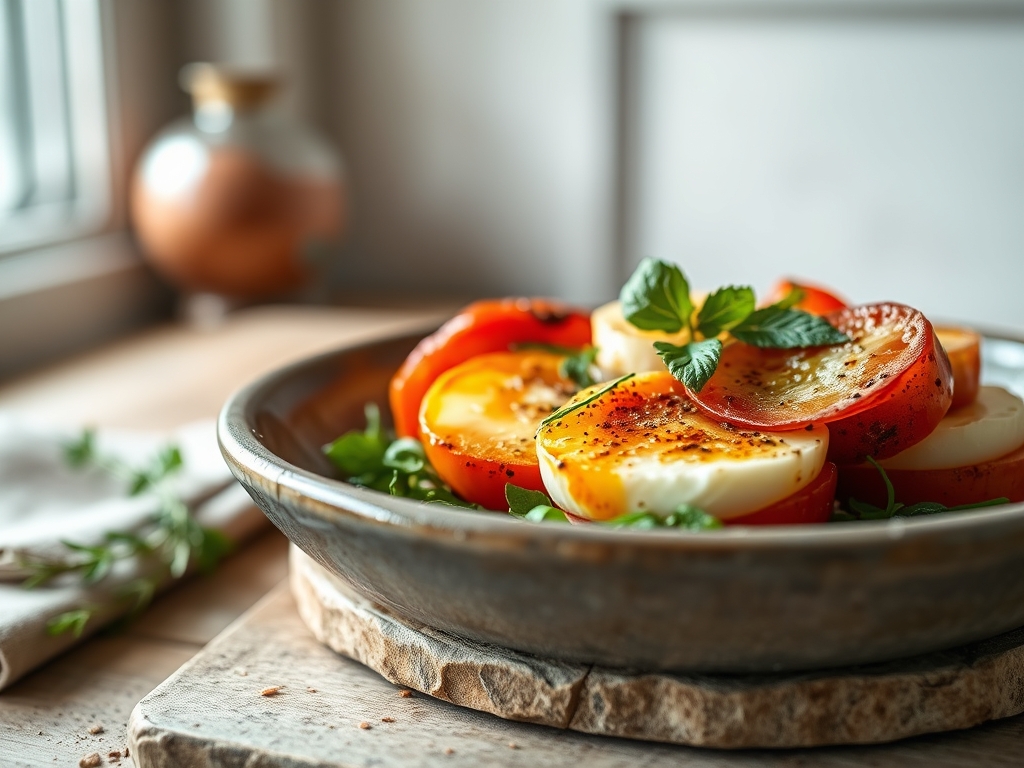
Look at the Masterclass photo above. Notice the "high-gloss" sheen on the tomatoes; this indicates a proper coating of lipids that prevents the fruit from drying out under ambient air. If your salad looks dull or matte, you have under-dressed it with oil. If the basil appears bruised or dark green, you likely used a dull knife; always hand-tear or use a razor-sharp blade to avoid crushing the chlorophyll. If the balsamic glaze is running into a messy puddle rather than sitting in distinct droplets, it lacks the necessary sugar concentration. You can fix this by simmering the vinegar in a small pan until it is thick enough to coat the back of a spoon.
THE DEEP DIVE
Macro Nutrition Profile
A standard serving of this Quick Caprese Salad provides approximately 320 calories. You are looking at 24g of healthy fats (mostly monounsaturated from the olive oil), 15g of high-quality protein from the buffalo milk, and 8g of carbohydrates. It is a nutrient-dense powerhouse packed with Lycopene and Vitamin K.
Dietary Swaps (Vegan/Keto/GF)
- Vegan: Replace mozzarella with a cashew-based firm "cheese" or thick slices of salted avocado to maintain the lipid profile.
- Keto: This dish is naturally keto-friendly. Increase the olive oil ratio to boost fat macros.
- Gluten-Free: Naturally GF. Ensure your balsamic glaze does not contain thickeners like modified corn starch.
Meal Prep & Reheating Science
Do not reheat this dish. The molecular structure of fresh mozzarella becomes rubbery and "weeps" moisture when exposed to microwave radiation. For meal prep, store the sliced tomatoes and cheese in separate airtight containers with a dry paper towel. Combine and season only when you are ready to eat to maintain the viscous integrity of the dressing.
THE KITCHEN TABLE
Why is my Caprese salad so watery?
You likely salted the tomatoes too early. Salt draws out water via osmosis. For a Quick Caprese Salad, always apply flaky salt immediately before the first bite to keep the juices inside the fruit rather than on the plate.
Can I use regular balsamic vinegar instead of glaze?
Standard balsamic is too thin and will pool at the bottom. To fix this, simmer 100ml of balsamic in a small pan until it reduces by half. This creates a thick, syrupy glaze that clings to the ingredients perfectly.
What is the best tomato for this recipe?
Heirlooms or San Marzanos offer the best sugar-to-acid ratio. Avoid standard "beefsteak" varieties from supermarkets as they often have a mealy texture and high water content, which dilutes the piquant flavors of the basil and oil.
How do I keep the basil from turning black?
Basil oxidizes when bruised or exposed to acid for too long. Hand-tear the leaves instead of chopping them with a knife. Add the basil at the very end, after the oil but before the balsamic, to create a protective barrier.