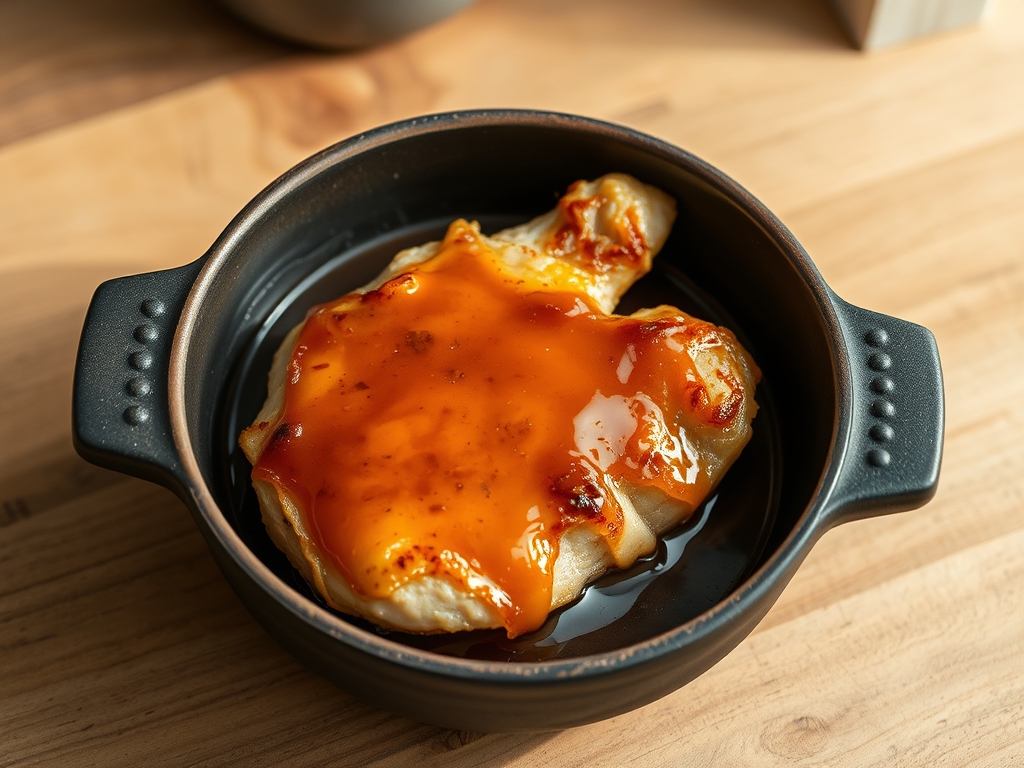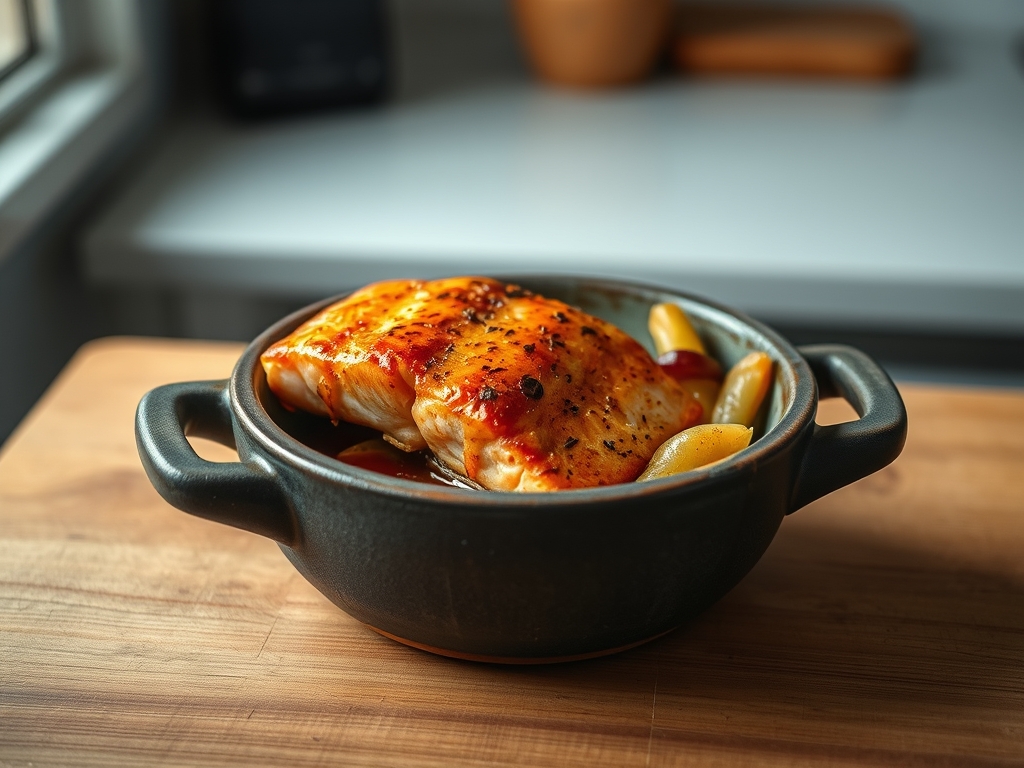
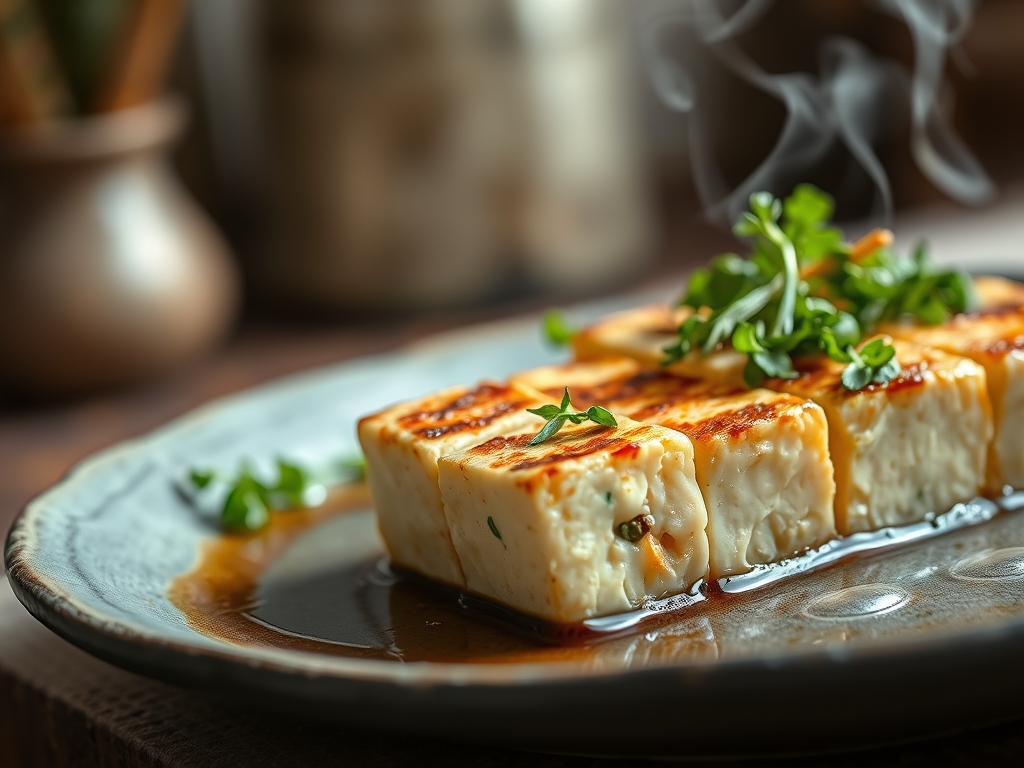
Listen up, kitchen operators. If your current protein game feels like chewing on a damp sponge, you are failing the fundamental laws of culinary thermodynamics. We are here to talk about the structural integrity of soy. Specifically, we are executing a high-efficiency Batch Baked Tofu protocol that transforms bland, water-logged blocks into golden, hyper-savory cubes of industrial-strength deliciousness. This is not about gentle cooking; it is about aggressive moisture management and the calculated application of the Maillard reaction. We are looking for a specific textural profile: a resilient, toothsome exterior that yields to a tender, seasoned core. When you master Batch Baked Tofu, you aren't just making a meal; you are building a modular protein foundation that survives the rigors of the refrigerator and the microwave without losing its structural dignity. We are going to strip away the excess liquid, infuse the matrix with piquant aromatics, and use high-velocity heat to render the surface into a crispy, umami-rich shell. Grab your digital scales and clear your stations. It is time to audit your tofu.
THE DATA MATRIX
| Metric | Specification |
|---|---|
| Prep Time | 20 Minutes |
| Execution Time | 35 Minutes |
| Yield | 4-6 Servings |
| Complexity (1-10) | 3 |
| Estimated Cost per Serving | $1.25 USD |
THE GATHERS
Ingredient Protocol:
- 900g / 2 blocks Extra-Firm Tofu (Must be vacuum-packed, not water-tubbed)
- 45ml / 3 tbsp High-Smoke Point Oil (Avocado or Grapeseed)
- 30ml / 2 tbsp Toasted Sesame Oil
- 60ml / 4 tbsp Low-Sodium Soy Sauce or Tamari
- 15g / 1 tbsp Cornstarch or Arrowroot Powder
- 5g / 1 tsp Garlic Powder
- 5g / 1 tsp Smoked Paprika
- 2g / 0.5 tsp Freshly Cracked Black Pepper
Section A: Ingredient Quality Audit:
The primary failure point in Batch Baked Tofu is water activity (Aw). If your tofu is leaking a puddle on the cutting board, your Maillard reaction will be delayed, resulting in a rubbery texture rather than a crisp one. If you find your tofu is too soft, you must increase the weight during the pressing phase. Use a heavy cast-iron skillet or a dedicated tofu press for at least 15 minutes. If your soy sauce is too salty, the osmotic pressure will draw out too much moisture too quickly, toughening the protein; dilute it with a splash of rice vinegar to balance the pH and brighten the flavor profile.
THE MASTERCLASS
1. The Extraction Phase
Drain the tofu blocks and wrap them in lint-free kitchen towels. Place them on a flat surface and apply even pressure using a heavy weight. Use your digital scale to ensure you are working with the correct mass before and after pressing; you should see a 10 to 15 percent reduction in weight from water loss alone.
Pro Tip: Reducing internal moisture increases the density of the protein curd. This allows the heat to focus on surface evaporation rather than internal steaming, which is the secret to that coveted "meat-like" chew.
2. Precision Geometry
Using a bench scraper or a sharp chef's knife, cube the tofu into uniform 2cm squares. Uniformity is not an aesthetic choice; it is a thermal necessity. If your cubes vary in size, the smaller units will carbonize while the larger units remain flaccid and undercooked.
Pro Tip: Increasing the surface-area-to-volume ratio allows for more contact with the hot air of the oven. Smaller cubes mean more "crunch" per bite, but 2cm is the sweet spot for maintaining a moist interior.
3. The Emulsion Coating
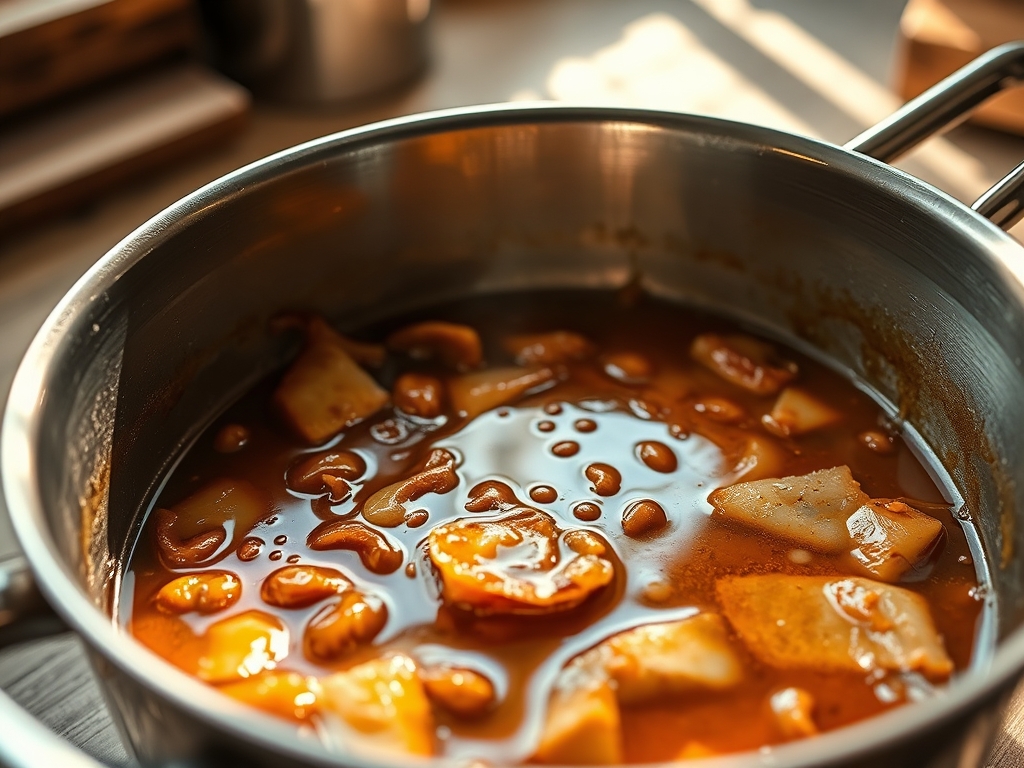
In a stainless steel saucier, whisk together the oils, soy sauce, and spices until the mixture is viscous and fully integrated. Toss the tofu cubes in a large bowl with this mixture, then sprinkle the cornstarch over the top. Toss again until a thin, matte film covers every surface.
Pro Tip: The cornstarch acts as a sacrificial barrier. It absorbs any remaining surface moisture and fries in the oil, creating a micro-textured crust that captures the seasonings and prevents them from sliding off during the bake.
4. Thermal Saturation
Spread the cubes onto a parchment-lined sheet pan, ensuring zero contact between pieces. Overcrowding the pan creates a localized steam zone, which is the enemy of crispness. Bake at 200C / 400F for 30 to 35 minutes, flipping once at the halfway mark.
Pro Tip: Use a heavy-gauge aluminum baking sheet for superior heat conduction. The flip is essential to ensure that the side in contact with the pan does not over-caramelize while the top remains pale.
Section B: Prep & Timing Fault-Lines:
Timing errors usually stem from a failure to preheat the oven properly. If the tofu enters a cold environment, the fats will soak into the protein rather than searing the exterior. Always use an oven thermometer to verify the internal temperature. If the tofu feels "tough" rather than "crisp," you have likely over-baked it, causing the internal moisture to drop below the threshold of palatability. Pull the tray when the edges are a deep mahogany but the centers still feel slightly springy to the touch.
THE VISUAL SPECTRUM
Section C: Thermal & Visual Troubleshooting:
Referencing the Masterclass photo, your Batch Baked Tofu should exhibit a distinct "Glow." This is the result of the oils and sugars in the soy sauce caramelizing into a semi-glossy lacquer. If your tofu looks dull and chalky, you likely used too much starch and not enough oil; a quick spray of oil mid-bake can fix this. If the browning is uneven, your oven likely has "hot spots." Rotate the pan 180 degrees every 10 minutes to compensate. The final product should have "blistered" corners, indicating that the starch has fully dehydrated and crisped.
THE DEEP DIVE
Macro Nutrition Profile:
Per serving, this protocol delivers approximately 14g of plant-based protein, 9g of healthy fats, and 4g of carbohydrates. It is a high-density fuel source designed for sustained energy release without the glycemic spikes associated with processed meat alternatives.
Dietary Swaps:
For a Vegan and GF profile, ensure your soy sauce is a certified Tamari. For Keto adherents, swap the cornstarch for bovine collagen or almond flour, though the "crunch" factor will be slightly diminished. To infuse more heat, add a teaspoon of gochugaru or sriracha to the liquid emulsion.
Meal Prep & Reheating Science:
To maintain the molecular structure during storage, allow the tofu to cool completely on a wire rack before sealing it in an airtight container. This prevents residual steam from softening the crust. When reheating, avoid the microwave if possible; a 5-minute blast in an air fryer or a dry skillet will re-activate the surface fats and restore the original texture.
THE KITCHEN TABLE
Why is my tofu sticking to the parchment paper?
This usually happens if you didn't use enough oil or if the oven temperature was too low. The starch needs heat to "set" quickly. Ensure your oven is fully preheated to 200C before the tray goes in.
Can I skip the pressing step if I am in a rush?
You can, but you will regret it. Unpressed tofu will steam in its own juices, resulting in a soft, mushy texture that fails the structural audit. If you must rush, use extra paper towels and squeeze hard.
How long does batch baked tofu last in the fridge?
When stored in an airtight container at or below 4C, it remains optimal for 5 to 6 days. The texture will firm up further when cold, making it excellent for cold grain bowls or salads.
My tofu tastes bitter. What happened?
Bitterness is a sign of carbonization. Either the oven was too hot, or you used an oil with a low smoke point (like extra virgin olive oil). Stick to avocado or grapeseed oil for high-heat applications.