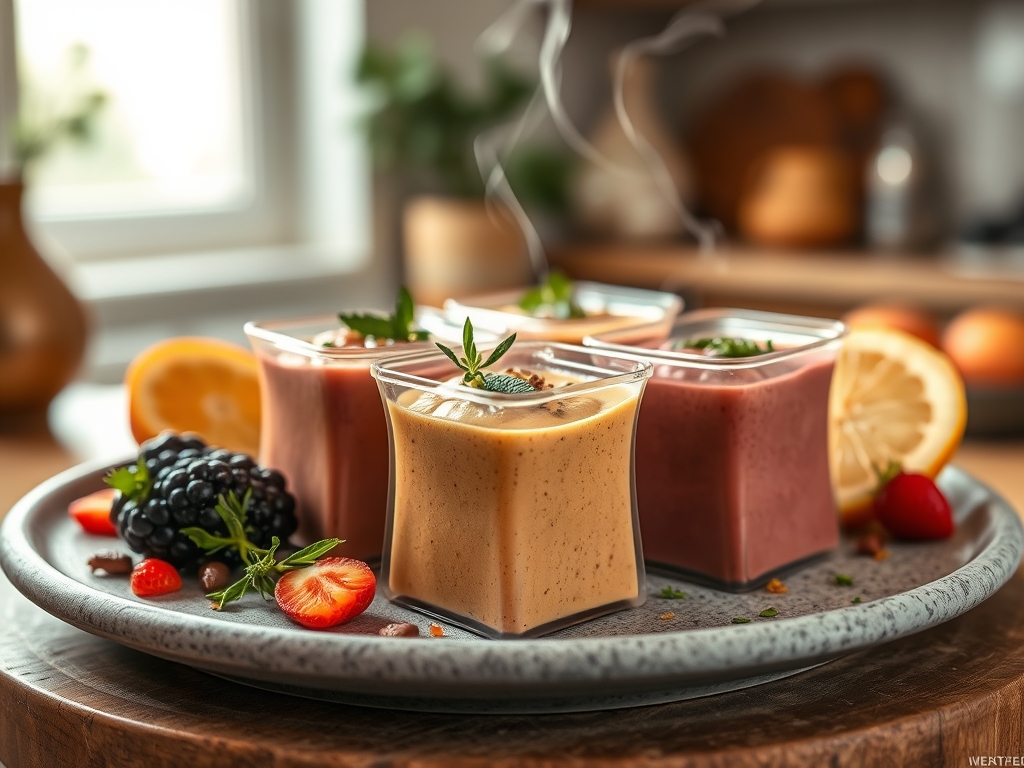
The morning rush is a structural failure of modern time management. You wake up with the intent to revolutionize your cellular health; yet; you find yourself staring at a wilted spinach leaf and a bruised banana while the clock ticks toward professional oblivion. This is where we pivot from chaos to cryogenic precision. Enter the era of Freezer Smoothie Packs. We are not merely tossing fruit into bags; we are engineering modular nutrient delivery systems designed to withstand the brutal reality of a Monday morning. By locking in phytochemicals at their peak metabolic state; we bypass the degradation of oxidation and enzyme breakdown. Imagine a workflow where the friction of peeling; chopping; and measuring is eliminated. You grab a frost-sheathed capsule of botanical excellence; introduce it to a high-speed blade; and achieve a perfectly viscous texture in under sixty seconds. This is culinary infrastructure at its most efficient. We are optimizing your biological throughput through the power of pre-sorted; temperature-controlled assets.
THE DATA MATRIX
| Metric | Specification |
|---|---|
| Prep Time | 25 Minutes |
| Execution Time | 1 Minute |
| Yield | 5 Modular Packs |
| Complexity (1-10) | 2 |
| Estimated Cost per Serving | $1.85 |
THE GATHERS
Ingredient Protocol:
- 750g / 5 cups Frozen Spinach or Kale (Packed)
- 500g / 3.5 cups Sliced Bananas (Approximately 5 medium)
- 625g / 4 cups Mixed Berries (Blueberries; Raspberries; Blackberries)
- 125ml / 0.5 cup Chia Seeds or Flax Seeds
- 250ml / 1 cup Greek Yogurt or Coconut Cream (Portioned into silicone molds)
- 1.25L / 5 cups Liquid Base (To be added at the moment of execution: Almond milk; Coconut water; or Filtered H2O)
Section A: Ingredient Quality Audit:
The primary failure point in Freezer Smoothie Packs is the utilization of "past-prime" produce. If your fruit is fermenting; your smoothie will taste of industrial ethanol. To fix sub-par raw materials; implement a citric acid wash (a dilute solution of lemon juice and water) to halt enzymatic browning in apples or bananas before freezing. If your greens are slightly limp; do not discard them; instead; blanch them for 30 seconds and shock them in an ice bath to lock in the chlorophyll before portioning. This stabilizes the molecular structure and prevents that "swampy" oxidized flavor profile.
THE MASTERCLASS
1. Precision Portioning with Digital Scales
Place your heavy-duty freezer bags or reusable silicone containers on a digital scale and tare the weight. Distribute your base solids (bananas and hearty fruits) first to create a structural foundation. This ensures every single pack has an identical caloric and macronutrient profile; eliminating the guesswork that plagues amateur meal prep.
Pro Tip: Use a bench scraper to cleanly divide large batches of chopped fruit on your cutting board. This prevents bruising the delicate cellular walls of the produce; which would otherwise lead to premature oxidation even in sub-zero temperatures.
2. The Green Compression Technique
Add your leafy greens on top of the fruit. To maximize space and minimize air pockets; manually compress the greens. Oxygen is the enemy of nutrient retention; and air trapped in the bag leads to ice crystal formation; also known as freezer burn.
Pro Tip: If you are using a vacuum sealer; ensure your greens are slightly damp. The moisture helps the vacuum create a tighter seal; effectively infusing the greens into a compact puck that blends more easily into a viscous liquid later.
3. Lipid and Superfood Integration
Measure your chia seeds; flax; or protein powders and add them to the center of the pack. By sandwiching the powders between the fruit and the greens; you prevent the fine particulates from sticking to the seal of the bag; which would compromise the vacuum integrity.
Pro Tip: Use a saucier or a small silicone mold to pre-freeze your liquid components like yogurt or nut butters into "pucks." This prevents the powders from clumping and ensures a more even emulsification when the high-speed blades strike the frozen mass.
4. Cryogenic Air Extraction
Seal the bags almost entirely; leaving just a small gap. Insert a straw or use a professional vacuum sealer to extract the remaining atmosphere. A tight; airless environment is essential for maintaining the piquant flavor of berries and preventing the fats in your seeds from turning rancid.
Pro Tip: Label each pack with a waterproof marker indicating the date of assembly. Even at -18 degrees Celsius; flavors will eventually begin to migrate. Use a "First-In; First-Out" (FIFO) inventory system to maintain peak sensory quality.
Section B: Prep & Timing Fault-Lines:
The most common human error is the "Thaw Delay." Never allow your Freezer Smoothie Packs to sit on the counter for more than three minutes before blending. If the exterior of the fruit thaws and then hits the blender; you lose the micro-crystalline structure that creates a thick; frosty texture; resulting in a watery; unappealing soup. If your blender is struggling with the frozen mass; do not wait for it to melt; instead; add 50ml of room-temperature liquid to create a vortex that pulls the frozen chunks into the blades.
THE VISUAL SPECTRUM
Section C: Thermal & Visual Troubleshooting:
In the Masterclass photo; notice the vibrant; distinct color separation and the absence of large ice crystals on the fruit surfaces. If your packs appear dull or "greyish;" you have likely experienced a temperature fluctuation in your freezer; causing partial thawing and re-freezing. This ruins the aerated texture we desire. If your smoothie turns a muddy brown after blending; it is an aesthetic failure caused by mixing high-chlorophyll greens with high-anthocyanin reds (like strawberries) in improper ratios. To fix this; increase the acidity with a squeeze of lime to brighten the hues. If the texture is gritty; your seeds did not properly hydrate; try soaking your chia seeds in the liquid base for five minutes before blending the frozen pack.
THE DEEP DIVE
Macro Nutrition Profile:
Each standard pack (as formulated above) delivers approximately 320 calories; 8g of protein; 12g of fiber; and 45g of complex carbohydrates. The inclusion of chia seeds provides essential Omega-3 fatty acids; which are vital for cognitive function during your morning workflow.
Dietary Swaps:
- Vegan: Swap Greek yogurt for silken tofu or cashew cream to maintain that creamy viscous mouthfeel.
- Keto: Remove the bananas and berries; substitute with frozen avocado chunks and cauliflower rice (steamed then frozen) to drastically lower the glycemic load.
- GF: Naturally gluten-free; but ensure your protein powders are certified to avoid cross-contamination.
Meal Prep & Reheating Science:
While we do not "reheat" smoothies; the science of maintaining molecular structure during storage is paramount. The "flash-freeze" method prevents the formation of large ice crystals that puncture cell walls. When you blend these packs; you are performing a mechanical breakdown of cellulose. By keeping the ingredients at -18C until the moment of impact; you ensure the friction of the blades creates a perfect emulsification of water; fiber; and lipids.
THE KITCHEN TABLE
How long do these packs actually last?
When properly vacuum-sealed and stored at a constant -18C; these packs maintain peak nutritional and sensory integrity for up to 90 days. Beyond that; sublimation begins to degrade the texture of the fibrous greens.
Can I add protein powder directly to the bag?
Yes; however; ensure the powder is nestled in the center. If protein powder gets into the "zip" track of the bag; it prevents a tight seal; leading to oxygen ingress and the eventual ruin of your ingredients.
Why is my smoothie coming out chunky?
This is a mechanical failure. Either your blender lacks the wattage to crush the frozen matrix; or you have not added enough liquid to create a vortex. Always add liquid to the blender jar before the frozen pack.
Is it better to use fresh or frozen fruit for the packs?
Starting with commercially frozen fruit is often superior. It is processed at the source using industrial flash-freezing; which preserves more vitamins than "fresh" fruit that has spent ten days in a shipping container.