Listen up, culinary architects. We are moving beyond the realm of soggy greens and uninspired desk lunches. We are here to discuss the structural integrity of the Prepped Chickpea Salad; a dish that functions less like a side and more like a high-performance engine for your metabolic output. Imagine the tactile snap of a cold-soaked legume meeting the sharp, piquant bite of a vinegar-based emulsion. This is not just food; it is a modular infrastructure designed to withstand the rigors of a forty-eight-hour refrigeration cycle without succumbing to the dreaded osmotic collapse. We are talking about fiber stability that remains crisp, colors that stay vibrant, and a flavor profile that actually deepens as the acetic acid penetrates the starch matrix of the bean. Most salads are a race against time. This one is a victory over it. If you are tired of limp vegetables and broken dressings, pay attention. We are about to audit your prep routine and rebuild it from the soil up.
THE DATA MATRIX
| Metric | Value |
|---|---|
| Prep Time | 20 Minutes |
| Execution Time | 10 Minutes |
| Yield | 4 Servings |
| Complexity (1-10) | 3 |
| Estimated Cost per Serving | $1.85 |
THE GATHERS
Ingredient Protocol:
- 500g / 2 cans Chickpeas (Garbanzo Beans), rinsed and drained
- 150g / 1 cup English Cucumber, diced into 1cm cubes
- 120g / 1 cup Red Bell Pepper, finely diced
- 60g / 0.5 cup Red Onion, minced
- 15g / 0.25 cup Fresh Flat-Leaf Parsley, chiffonade
- 60ml / 0.25 cup Extra Virgin Olive Oil
- 45ml / 3 tbsp Apple Cider Vinegar or Red Wine Vinegar
- 10g / 2 tsp Dijon Mustard (as an emulsifier)
- 5g / 1 tsp Sea Salt
- 2g / 0.5 tsp Freshly Cracked Black Pepper
Section A: Ingredient Quality Audit:
If your chickpeas arrive mushy or over-processed, your structural integrity is compromised before you begin. To fix sub-par, canned legumes, perform a cold-water shock and a ten-minute soak in a 2% brine solution to firm up the exterior skins. If your cucumbers are weeping excess moisture, you are dealing with high cellular water content. Solve this by degorging the diced cubes; toss them with a pinch of salt and let them sit in a mesh strainer for ten minutes to draw out the liquid before integration. Finally, if your vinegar lacks the necessary piquant punch, check the acidity percentage. You require a minimum of 5% acidity to properly denature the surface proteins of the vegetables and ensure long-term preservation.
THE MASTERCLASS
Step-by-Step Execution:
1. The Legume Dehydration Phase
Drain your chickpeas and spread them across a clean kitchen towel. Use a second towel to gently pat them dry until no surface moisture remains. Use a bench scraper to move them into a large stainless steel mixing bowl.
Pro Tip: Surface moisture is the enemy of emulsion adhesion. By ensuring the chickpeas are dry, you allow the oil-based dressing to coat the skin rather than sliding off into a puddle at the bottom of the bowl.
2. Precision Vegetable Architecture
Utilize a sharp chef knife to dice your cucumbers, peppers, and onions into uniform 1cm cubes. For the onion, use your digital scale to ensure you do not exceed the 60g threshold, as an over-concentration of sulfur compounds will overwhelm the delicate parsley.
Pro Tip: Uniformity in size is not just for aesthetics; it ensures a consistent "mouthfeel" and allows the vinegar to penetrate each piece of produce at the same rate of diffusion.
3. Emulsion Synthesis
In a small saucier or glass jar, combine the olive oil, vinegar, Dijon mustard, salt, and pepper. Whisk vigorously or shake until the mixture becomes viscous and opaque.
Pro Tip: The Dijon mustard acts as a surfactant. It contains mucilage that stabilizes the bond between the oil and vinegar, preventing the dressing from breaking into greasy droplets when stored.
4. The Final Integration
Pour the dressing over the chickpea and vegetable matrix. Use a silicone spatula to fold the ingredients together until every surface is glistening. Add the parsley last to maintain its structural vibrancy.
Pro Tip: Folding rather than stirring prevents the mechanical breakdown of the chickpeas, keeping the skins intact and the texture firm.
Section B: Prep & Timing Fault-Lines:
The most common human error in this protocol is the "Immediate Consumption Trap." While the salad is edible immediately, the molecular structure requires at least thirty minutes of maceration for the flavors to truly infuse. If your salad tastes "flat" or one-dimensional, you likely skipped the resting phase. Conversely, if the salad sits for more than four days, the acetic acid will eventually soften the cellulose in the peppers, leading to a loss of crunch. Monitor your refrigerator temperature; it must remain at a constant 4 degrees Celsius to inhibit bacterial growth while allowing the chemical seasoning to occur.
THE VISUAL SPECTRUM
Section C: Thermal & Visual Troubleshooting:
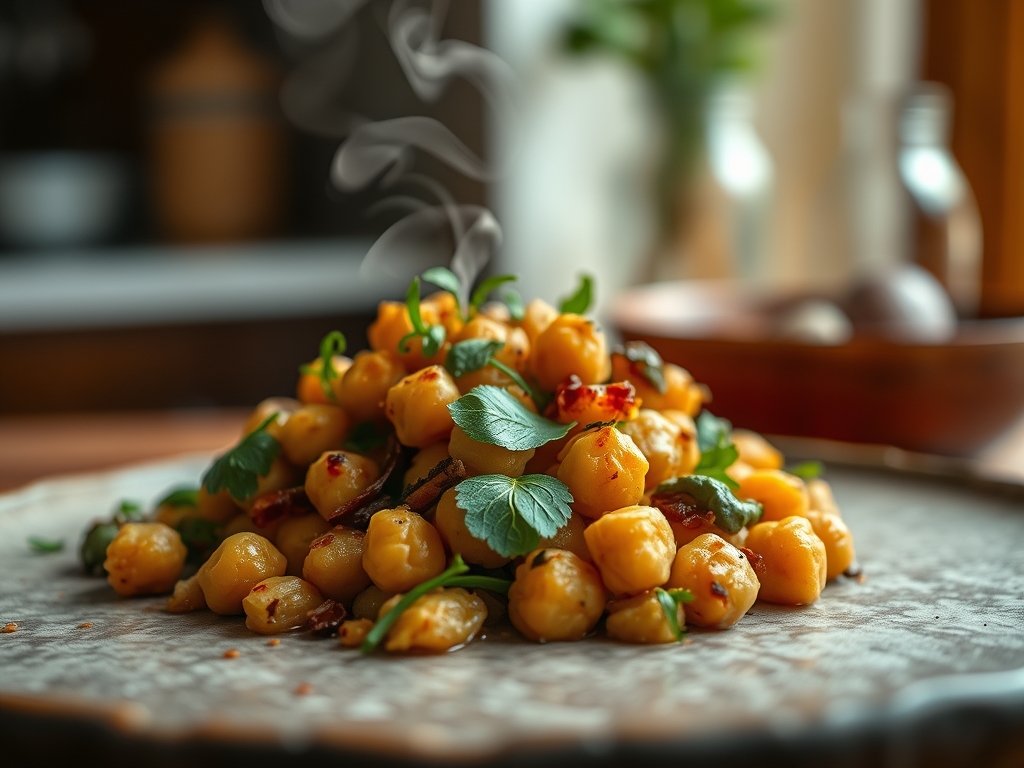
Referencing the Masterclass photo above, notice the high-gloss finish on the chickpeas. This is the visual cue for a successful emulsion. If your salad looks dull or "matte," your oil-to-vinegar ratio is likely skewed toward the acid, or the vegetables have absorbed the oil too quickly. If the colors appear muted (the "Dull Green Syndrome"), you may have added the vinegar too early to the herbs. To fix this, always add fresh chlorophyll-heavy ingredients like parsley just before serving or after the initial cooling phase. If you see white sediment, your olive oil has likely solidified in the fridge; simply let the salad sit at room temperature for five minutes to render the fats back into a liquid state.
THE DEEP DIVE
Macro Nutrition Profile:
This Prepped Chickpea Salad is a powerhouse of complex carbohydrates and plant-based protein. One serving typically yields 280 calories, 12g of protein, 35g of carbohydrates, and 10g of fiber. The high fiber content ensures a low glycemic index, preventing insulin spikes.
Dietary Swaps:
- Vegan: Already compliant.
- Keto: Replace chickpeas with roasted cauliflower florets or hemp hearts to reduce the net carb count.
- GF: Naturally gluten-free; ensure your Dijon mustard is certified.
Meal Prep & Reheating Science:
Maintaining molecular structure in a cold salad is all about moisture management. If you plan to store this for more than three days, keep the dressing in a separate container and apply it four hours before consumption. Do not reheat this dish. The application of heat will cause the cucumbers to collapse and the vinegar to volatilize, destroying the piquant profile.
THE KITCHEN TABLE
Why are my chickpeas peeling?
Agitation during the washing phase often loosens the skins. Be gentle. If skins float to the top during rinsing, skim them off. They are edible but can detract from the clean visual architecture of the final build.
Can I use dried chickpeas instead of canned?
Absolutely. Soak them for twelve hours and simmer until al dente. This actually provides superior fiber stability compared to canned versions, as you control the exact point of starch gelatinization during the cooking process.
My dressing is too sharp. How do I fix it?
Do not add sugar. Instead, add a small amount of water or extra olive oil to dilute the acetic acid. You can also add a pinch of nutritional yeast to provide a savory, umami counterpoint to the acid.
How do I keep the onions from being too spicy?
After mincing, soak the onions in ice water for five minutes. This leaches out the propanethial S-oxide (the gas that makes you cry and tastes sharp), leaving behind a crisp texture and a much milder flavor.