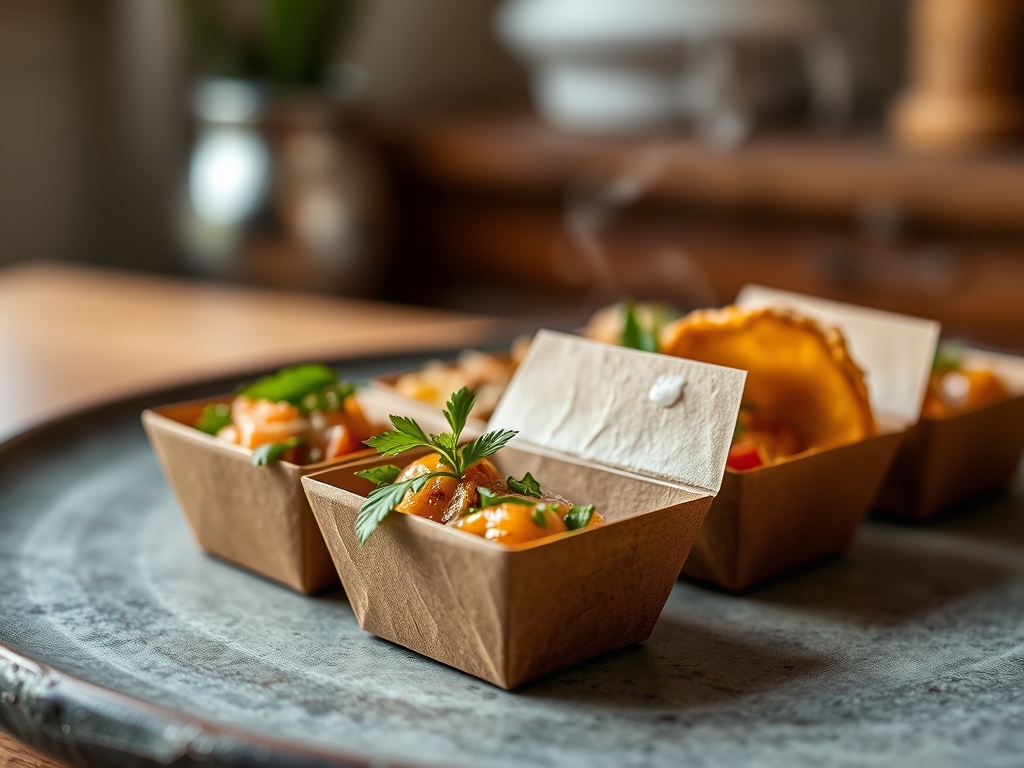
The air in a high-performance kitchen does not just sit; it vibrates with the kinetic energy of mise en place. You can smell the sharp, piquant aroma of citrus zest cutting through the heavy, earthy scent of toasted walnuts. This is the sensory baseline for the modern culinary architect. We are moving beyond the era of the soggy sandwich and the uninspired bag of chips. We are entering the realm of the Modular Snack Boxes. Imagine a grid of high-impact flavors where every quadrant is a deliberate choice in texture and nutrient density. The snap of a chilled Persian cucumber meets the creamy, viscous luxury of a lemon-tahini emulsion. This is not just a meal; it is a distribution study in portable fuel. Every component must be engineered to withstand the rigors of transport while maintaining structural integrity. We are talking about the perfect marriage of crunch, acid, and protein. If your prep feels like a chore, you are doing it wrong. This is a technical audit of your daily sustenance.
THE DATA MATRIX
| Metric | Specification |
|---|---|
| Prep Time | 45 Minutes |
| Execution Time | 15 Minutes |
| Yield | 5 Modular Units |
| Complexity (1-10) | 4 |
| Estimated Cost per Serving | $4.25 |
THE GATHERS
Ingredient Protocol:
- 500g / 2 cups Chickpeas (Cooked and dried)
- 15ml / 1 tbsp Extra Virgin Olive Oil
- 5g / 1 tsp Smoked Paprika
- 250g / 1 cup Greek Yogurt (Full fat)
- 30ml / 2 tbsp Fresh Lemon Juice
- 100g / 0.75 cup English Cucumber (Diced)
- 60g / 0.5 cup Toasted Almonds (Slivered)
- 45g / 3 tbsp Medjool Dates (Finely chopped)
- 2g / 0.5 tsp Flaky Sea Salt
Section A: Ingredient Quality Audit:
The most common failure point in Modular Snack Boxes is moisture migration. If your chickpeas are canned, they often suffer from a mushy, waterlogged cellular structure. To fix this, rinse them thoroughly and use a clean kitchen towel to aggressively dry them before roasting. If your yogurt appears thin or watery, it lacks the necessary protein density. You can fix this by straining it through cheesecloth for two hours to create a thicker, more stable base. For the dates, if they are overly crystallized and hard, flash-steam them for sixty seconds to rehydrate the sugars without losing their structural bite. Always audit your fats; if your olive oil smells metallic or flat, it has oxidized and will ruin the piquant profile of your dressing.
THE MASTERCLASS
1. The Legume Desiccation Protocol
Spread your chickpeas on a rimmed baking sheet lined with parchment paper. Use a digital scale to ensure even distribution of the olive oil and paprika. Roast at 200C until the exterior achieves a shatter-crisp texture.
Pro Tip: The science here is the Maillard reaction. By removing surface moisture, you allow the heat to directly interact with the proteins and sugars, creating a complex, savory crust rather than steaming the interior.
2. Emulsifying the Acidic Base
In a stainless steel saucier, whisk the Greek yogurt and lemon juice until the mixture is perfectly smooth. Slowly infuse the mixture with a zest of lemon to brighten the flavor profile without adding excess liquid volume.
Pro Tip: Use a high-quality whisk to aerate the yogurt slightly. This introduces micro-bubbles that carry aromatic compounds more effectively to your palate, enhancing the perceived creaminess without adding fat.
3. Precision Dicing and Component Separation
Utilize a sharp chef knife and a bench scraper to dice the cucumbers into uniform 5mm cubes. Ensure the dates are chopped to a similar scale to provide a consistent mouthfeel across the entire snack node.
Pro Tip: Uniformity in size is not just for aesthetics. It ensures that every forkful has a balanced ratio of sweetness, salt, and crunch, preventing one ingredient from dominating the sensory experience.
4. Structural Assembly
Place the yogurt base in a dedicated leak-proof sub-container. Arrange the roasted chickpeas, cucumbers, and dates in separate quadrants of your Modular Snack Boxes. Top with the toasted almonds and sea salt just before sealing.
Pro Tip: Keeping the "wet" and "dry" components physically separated until the moment of consumption prevents the almonds and chickpeas from absorbing moisture, which would otherwise compromise their crunch.
Section B: Prep & Timing Fault-Lines:
Temperature control is the silent killer of the snack box. If you pack warm roasted chickpeas into a sealed container with cold cucumbers, you create a miniature weather system of condensation. This results in "soggy box syndrome." Always allow roasted components to reach ambient room temperature (approximately 21C) before assembly. Furthermore, if your yogurt base sits at room temperature for more than two hours during prep, the bacterial cultures can over-activate, leading to an unpleasantly sour or thin consistency. Use an instant-read thermometer to ensure your cold components stay below 4C during the entire dicing and assembly phase.
THE VISUAL SPECTRUM
Section C: Thermal & Visual Troubleshooting:
Look closely at the Masterclass photo. Notice the deep, burnished orange of the chickpeas; this indicates a successful render of the spices into the surface oil. If your chickpeas look pale or dusty, the oven temperature was too low or the oil distribution was uneven. The cucumbers should look vibrant and translucent, not dull or weeping liquid. If you see a pool of water at the bottom of the cucumber section, you skipped the "salting and draining" step which is vital for removing excess cellular water. The almonds should have a golden-brown hue. If they are dark brown, the residual heat continued to cook them after they left the pan. To fix dull colors in the yogurt, ensure you are using freshly squeezed lemon juice rather than bottled, as the latter lacks the volatile oils needed for visual and olfactory brightness.
THE DEEP DIVE
Macro Nutrition Profile:
Each modular unit is designed for a balanced 450-calorie intake. You are looking at 18g of protein, 42g of complex carbohydrates, and 22g of healthy fats. The high fiber content from the chickpeas and dates ensures a slow glucose release, preventing the mid-afternoon energy crash common with processed snacks.
Dietary Swaps:
- Vegan: Swap the Greek yogurt for a thick cashew-based cream or a high-protein soy yogurt.
- Keto: Replace the chickpeas with roasted cauliflower florets and swap the dates for extra almonds or pecans to lower the net carb count.
- GF: This recipe is naturally gluten-free, but ensure your smoked paprika is certified to avoid cross-contamination from anti-caking agents.
Meal Prep & Reheating Science:
These boxes are designed for cold consumption to preserve the crispness of the vegetables. If you must reheat the chickpeas, do so in an air fryer for 3 minutes to restore the molecular tension of the crust. Never microwave the entire box; the heat will collapse the cellular structure of the cucumbers and turn the yogurt into a thin, broken liquid.
THE KITCHEN TABLE
How do I keep the cucumbers from getting slimy?
Salt the diced cucumbers lightly and let them sit in a colander for ten minutes. This draws out excess moisture through osmosis. Pat them dry before placing them into the Modular Snack Boxes to ensure they stay crisp for days.
Can I prep these more than three days in advance?
For peak structural integrity, three days is the limit. Beyond seventy-two hours, the roasted chickpeas will begin to lose their crunch as they equilibrate with the ambient humidity in the container, regardless of how well you dried them.
What is the best container for modular snacking?
Look for glass or high-quality BPA-free plastic with silicone seals. Multiple compartments are essential. A single-cavity container will lead to flavor bleeding and texture degradation, ruining the technical precision of your hard work and ingredient selection.
My chickpeas are crunchy right out of the oven but soft later?
This is likely due to "carry-over moisture." Even after roasting, the centers of the chickpeas contain steam. You must let them cool completely on a wire rack to allow that steam to escape rather than being trapped against the skin.